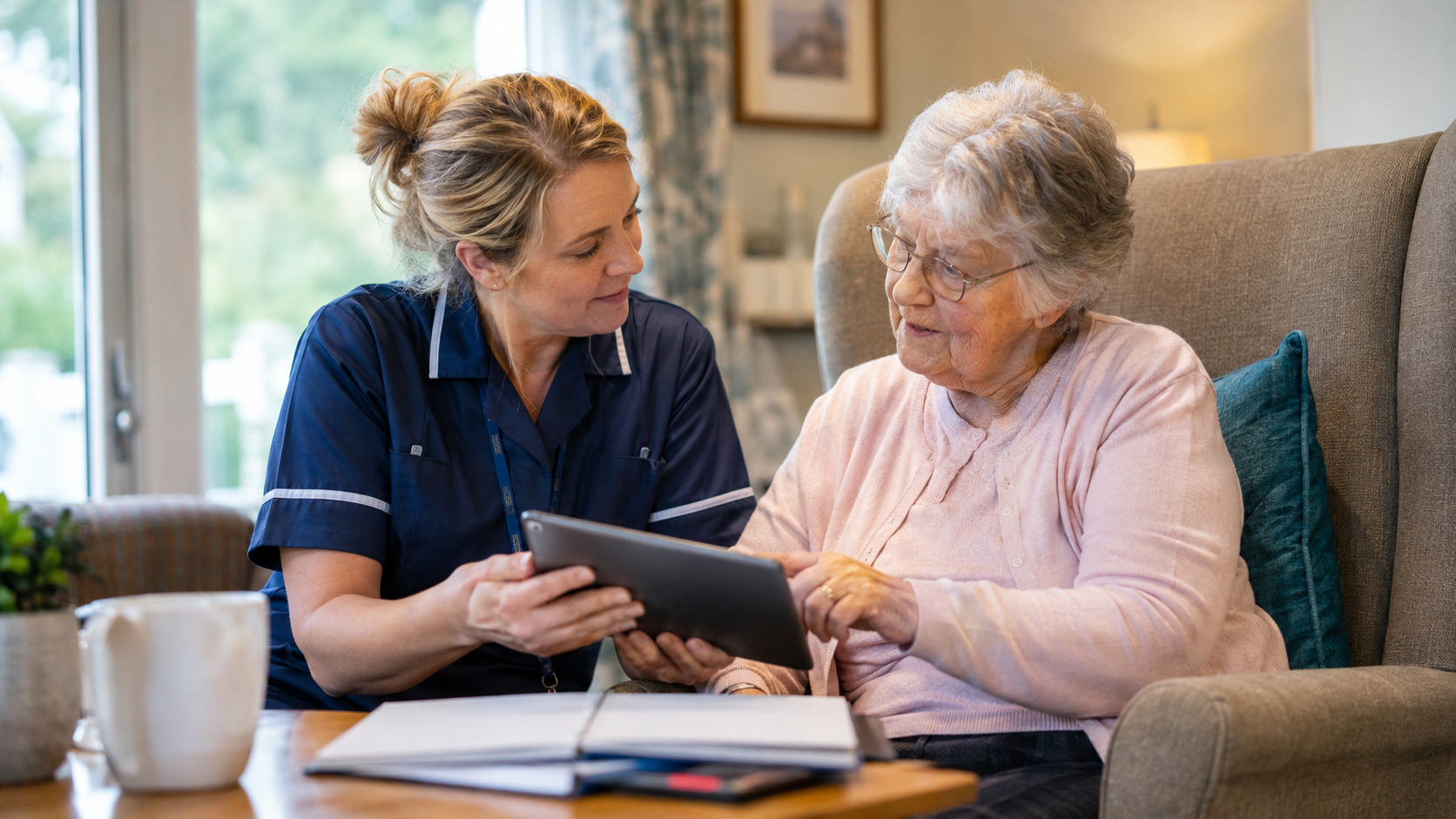
Effective health and social care goes beyond expertise and knowledge, but rather includes the ability to communicate effectively. But why is communication important in health and social care that much?
Communication is important in health and social care for quicker and more effective care. Good communication makes the patients feel cared and valued. Moreover, communication not only improves the care service you provide but also makes a better working environment.
However, having a complete insight into the importance of communication will help you to make good connections with people and ultimately improve the care you provide. So, read to learn it here.
Why Communication Is Important In Health And Social Care?

When the matter is health and social care, communication comes as a vital component. Highlighting the importance of good communication in care, The Institute for Healthcare Communication even states that,
“Extensive research has shown that it does not matter how knowledgeable a clinician might be, if she or he is not able to open good communication with the patient, she or he may be of no help.”
The statement illustrates how effective health and social care includes good communication along with knowledge and experience. However, check out the good enough reasons in the below section.
1. A Positive Relationship Between Patients and Care Worker
Effective communication in health and social care leads to positive relationships between the patients and the care worker. Due to it, the health and social care worker will be able to find the wishes and the needs of the service users.
Not only that, proper communication assists actively to avoid misconception and misunderstanding. It helps the clients to feel more at ease with the care worker, and they will show willingness to use the care worker’s recommendation.
2. Creates Better Working Environment
Proper communication is not only important for the care worker and the patient’s relationship but also for the working relationship in health and social care.
Your role at the job may be involved in informing the relevant information about the service users and the colleagues and making decisions. When you share the mutual goal of offering high-quality care to individuals, effective communication with your colleagues is one of the major things.
3. To Avoid Errors
The ability to communicate effectively is essential to avoiding errors. Poor communication will lead to mistakes in prescribing, testing, or administration of the medication.
According to an article by Jeremy Hunt, the Guardian newspaper cited former UK health secretary, mistakes in the NHS cost up to £2.5 billion per year. It is a damn figure of the importance of good communication in health and social care settings.
4. Ease the Anxiety of the Patients
The patients to whom the health and social care worker provides care can also be under a lot of stress. They may feel anxiety about their health and future.
According to a report from the UK gov website, 40% of older people who are living in care homes are affected by depression, whereas the British Geriatrics Society reports that the number of care home residents affected by depression is increasing.
So, as a health and social care worker, it’s their duty to help the service recipients to feel more at ease. Effective communication in health and social care settings can relieve a lot of fears surrounding the circumstances. It is required to make the patients feel that they are valued and it boosts the chance of their recovery as they feel control of their life.
5. Informed Decision-making
The individuals need to understand their condition, treatment options, procedures of the treatments, or potential outcomes. Effective communication helps the patients or the service to get the help to make informed and clear decisions based on their health.
6. Continuity of Care
The care plans in health and social care are never a set in stone thing, it evolves changing according to the changes of the care recipients. So here any changes must be communicated effectively to keep all those involved in the loop.
For instance, suppose an individual wants to change the procedure of the care they are being provided. It is essential for you to share it with your colleagues who are mutually caring for the patients so that they can decide what will be the best for the individuals.
7. Build Trust and Rapport
Good communication skills help to build trust and rapport between the support recipient and the support provider. It promotes a safe and positive living environment. Moreover, it encourages compliance with treatment plans. The ultimate result is improved health outcomes.
Good communication also promotes a sense of empowerment which allows the person to express their needs and preferences.
8. Delivery of Person-centered Care
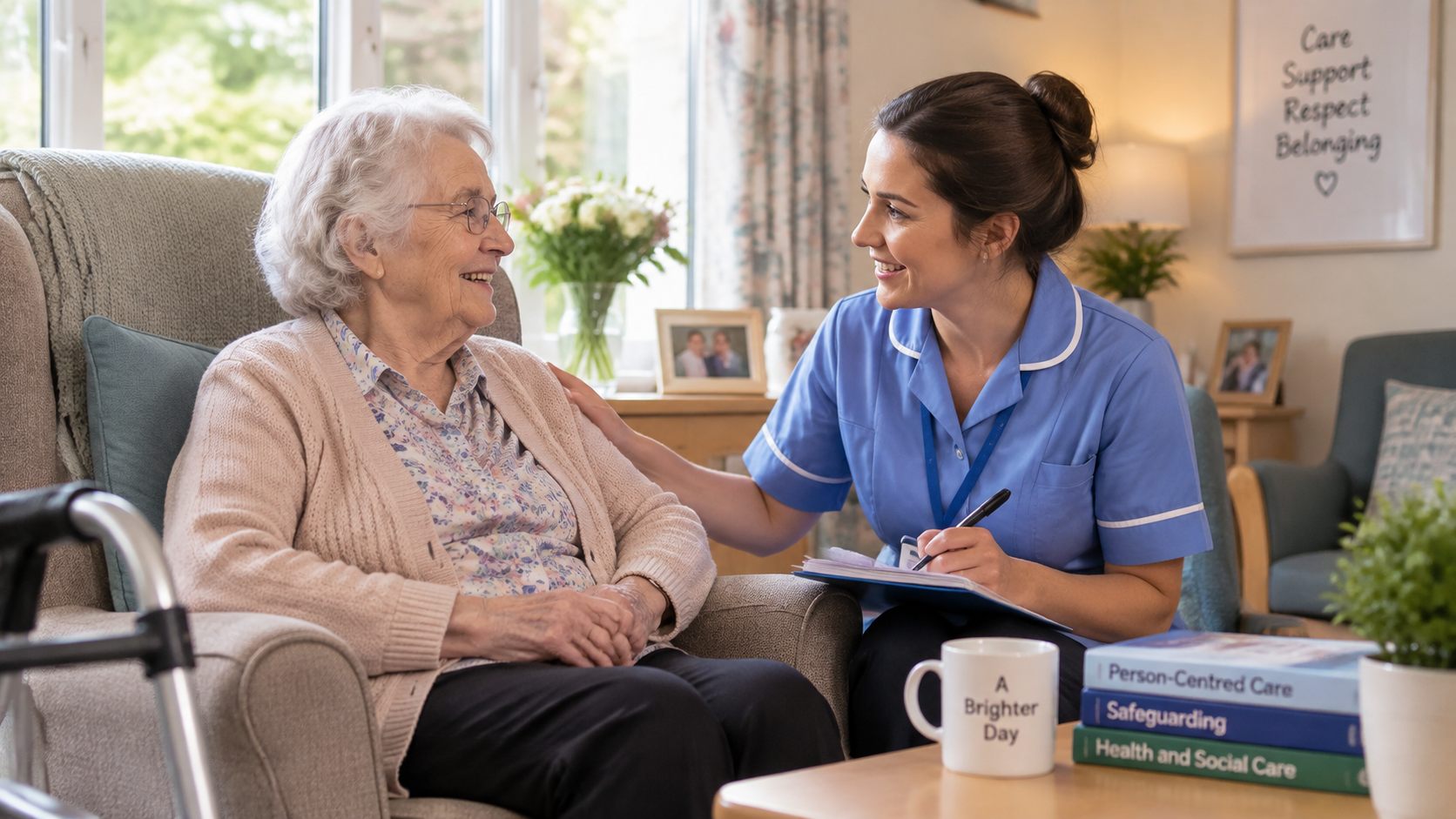
Effective communication supports the delivery of person-centered care built on the individual’s needs and preferences. With the proper communication skills, the health and social care worker enables the patients to feel they are heard, understood, and involved in their treatment. It builds trust and openness through which the health and social care worker provides treatment according to the person’s needs.
9. Privacy and Confidentiality
Privacy and confidentiality are included in a major part of the communication in health and social care. Confidentiality means respecting all personal data of the individual and protecting the information. It is the duty of the care worker that the information is only shared with the one who needs to know it but here consent is a must.
In this case, your communication with the individual has to be empathetic and understanding. If they share their information and give consent to share with others who need to know, you may have to communicate the information in a professional manner.
How Do You Establish A Person’s Communication Needs, Wishes And Preferences In Health And Social Care?

As a health and social care worker, it is essential for you to understand how the individual prefers to communicate. It also includes if they have any needs for the communication purpose. You can offer the best effective care to that individual based on the communication approach. Here’s how you can do that.
1. Listen Carefully
First of all, listen carefully to what the individuals are saying. It will give you enough ideas about them. Smile, nod, or raise eyebrows while they are talking as it will encourage them to keep talking.
If you are not able to get any response, you may try different methods like pictures, writing, or gestures.
2. Observe their Cues
In another way, you can observe how others are communicating with that individual and can apply it to your practice. It can give you direct clues about his or her preferences, interests, and understanding.
3. Speak to their Guardian
If you are still unable to get the individual’s preference, ask their guardian for instance his or her family, friends, or relatives who know him better. By speaking to these, you can gain a lot of knowledge helping your care planning.
4. Read the Care Plan
Care plans for the individual are a good way to establish a person’s communication needs. As the care plans generally include all the needs, preferences, and choices of the patient, you can ensure to communicate with them in the best possible way.
5. Seek For Help
At last, you can ask for the professionals to help you in this case. Moreover, you can take courses in health and social care. Here you can interact with experts, and gain experience making you stand out in the crowd. Through these highly rated and reviewed courses, you can learn the essential skills for communication, diverse caregiving roles, along health & safety procedures.
Final Words
To enhance the lives of the people you support as a health and social care worker, good communication plays a vital role. You may have to put communication at the top of the agenda to ensure that your patients receive faster and more effective care.
All in all, when you are about to or building your career as a health and social care worker, communication is not something that you can take lightly as it is directly related to the health of your patient.
Frequently Asked Questions
Communication in health and social care refers to exchanging the instructions and information about the patient between health and social care workers or between the care worker to the patients or their family members.
Good verbal communication helps you to manage patients of different ages, cultures, and genders. You can understand what others are expressing through good verbal communication. You may also need it to discover the problems of the individuals.
Effective communication in healthcare is just like a matter of death and life difference. The patients feel safe and can disclose their problems freely to the healthcare providers due to effective communication in healthcare. It helps the healthcare providers to convey the treatment plans.
Face-to-face conversation is the most effective form of communication in healthcare. In the face-to-face conversation, the healthcare provider not only can hear what the patients are saying but also can observe their body language. It helps the healthcare provider to understand better what could be the meaning of the patient’s words.