Step into Autism and Developmental Disorders, a CPD-accredited pathway for aspiring autism support workers, SEN teaching assistants, carers, and inclusive education professionals. Aimed at those who want to become trusted support figures in schools, care, and community settings, this powerful programme helps you understand autism clearly, respond compassionately, and turn confusion into confident, career-relevant action for children, adults, and families.
Exclusive Deal! 94% Off, Today Only!
Sale Ends In
Why do some children miss developmental milestones, struggle with sensory overload, or communicate in ways others misunderstand—and how can you respond with knowledge instead of guesswork? Autism and Developmental Disorders is relevant for learners who want essential insight into autism spectrum disorder, developmental delay vs autism, global developmental delay vs autism, and autism and ADHD differences across educational, care, and family settings.
The need is growing. In England, autistic spectrum disorder remains the most common primary need for pupils with an EHC plan, accounting for 31.5% of plans in 2025, while one in three pupils with an EHC plan had ASD recorded as their primary need in 2024/25. NHS England reported 236,225 open referrals for suspected autism in June 2025, with 211,104 waiting over 13 weeks, showing rising demand for support.Â
You will explore what is autism spectrum disorder, autism spectrum disorder symptoms, signs of autism in toddlers, early signs of autism in babies, autism symptoms in girls, signs of autism in women, signs of autism in adults, how is autism diagnosed, autism diagnosis in adults, autism screening questionnaire use, sensory issues in autism, and early intervention for autism.Â
Enrol now and build autism awareness that employers and families value.
Develop autism awareness from foundational understanding to person-centred action. Learn to recognise autism spectrum disorder indicators, understand assessment pathways, compare developmental conditions, respond to sensory and behavioural needs, and support communication, inclusion, and engagement across educational, care, community, and settings.
This autism and developmental disorders course online UK builds knowledge in autism awareness, neurodevelopmental differences, behavioural support, communication needs, inclusive practice, and SEND support, helping you gain the confidence and understanding valued by employers, schools, care providers, and family-focused organisations.Â
Whether you want to support autistic children, understand adult autism signs, strengthen SEND knowledge, or move into care and education roles, this programme suits beginners and developing practitioners seeking inclusive awareness, confidence, and understanding of behavioural, communication, and sensory needs.
There are no specific prerequisites to enrol in this Autism and Developmental Disorders – CPD Accredited Course. Anyone and everyone can take this course.
The Autism and Developmental Disorders – CPD Accredited Course is fully accessible from any internet-enabled smart device. So, you can study from the comfort of your home!
All you need is a passion for learning, literacy, and to be over the age of 16.
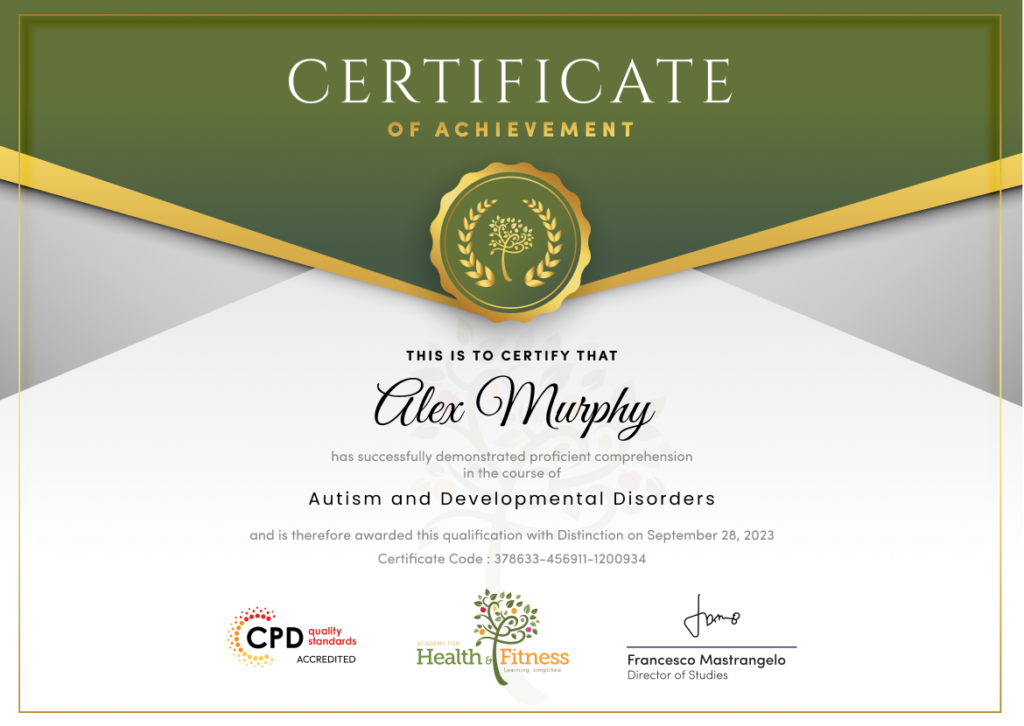
After successfully completing the Autism and Developmental Disorders course, you will qualify for a CPD Certificate as proof of your continued professional development and achievement. This certificate can enhance your professional profile and showcase your commitment to building relevant skills and knowledge. You can receive your digital certificate for only £10, or request a printed hard copy sent by post for just £29 or both for £39.
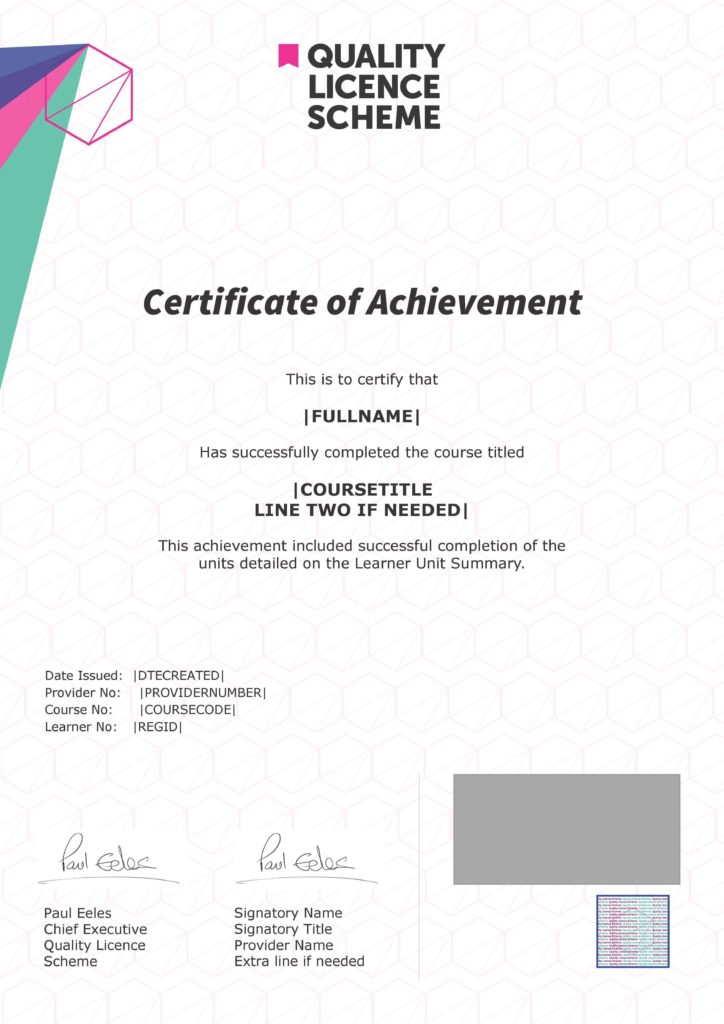
After successfully completing the Autism and Developmental Disorders course, learners will be able to order a QLS Endorsed Certificate as proof of their new achievement. The Level QLS Endorsed certificate can be ordered and get delivered to your home by post for £119 only. There is an additional £10 postage charge for international students.
For assessing your learning, you have to complete an automated MCQ exam. It is required for the students to score at least 60% to pass the exam and fulfil the Quality Licence Scheme-endorsed certificate criteria. Learners can apply for the certificate after they clear the exam.
There are assignment questions provided at the end of the course. You are suggested to complete the questions to enrich your understanding of the course. You can complete this according to your preferred time. The expert tutor will provide feedback on your performance after assessing your assignment.
Autism knowledge supports roles in education, care, family support, health, and community services. Employers value staff who understand behaviour, communication differences, sensory needs, and inclusive practice. This training can strengthen progression into entry-level and developing roles, while also helping experienced workers build more confident, person-centred support skills every day professionally.
Autism spectrum disorder is a developmental disability associated with differences in the brain. It can affect social communication, interaction, behaviour, and sensory experience, but it presents differently from person to person.
Common autism spectrum disorder symptoms include differences in social communication and interaction, along with restricted or repetitive behaviours, interests, or routines. Some autistic people also experience sensory sensitivity, anxiety around change, or different ways of learning and paying attention.
Signs of autism in toddlers can include not responding to their name, avoiding eye contact, not smiling back, repetitive movements, distress around certain sounds or sensations, delayed speech, and limited pretend play. These signs vary, so one behaviour alone proves nothing.
Early signs of autism in babies can include reduced eye contact, less social smiling, differences in communication development, or unusual responses to sound and sensory input. Early observation matters because developmental differences are often first noticed in the preschool years.
Autism is diagnosed through a specialist assessment. The NHS states this is the only way to find out if you or your child are autistic, and NICE has separate guidance covering recognition, referral, and diagnosis for children, young people, and adults.
Signs of autism in adults can include difficulty understanding what others think or feel, anxiety in social situations, literal interpretation of language, strong need for routine, and challenges expressing feelings or building friendships. Adult presentation varies and may be missed for years.
Autism symptoms in girls can be missed because presentation may look different from common stereotypes. NHS Dorset notes that girls may show fewer obvious repetitive behaviours and can seem to cope better socially, even when they are struggling underneath.
Signs of autism in women can overlap with general adult autism signs, including social communication differences, sensory overwhelm, anxiety around change, and difficulty reading social situations. In some women, those signs may appear more subtle, which can delay recognition and adult autism diagnosis.
Developmental delay is a broader term for delayed progress in areas such as learning, language, movement, or behaviour, while autism is a specific developmental disability. They can overlap, but they are not interchangeable, and autism may also co-occur with intellectual disability or global developmental delay.
Global developmental delay usually means a child is not meeting expected milestones in two or more developmental areas. Autism focuses more specifically on social communication differences and restricted or repetitive patterns, although autism and global developmental delay can exist together in the same child.
Autism and ADHD are both neurodevelopmental conditions, but they are not the same. Autism is more closely associated with social communication differences and repetitive or restricted patterns, while ADHD is defined more by inattention, impulsivity, and hyperactivity. Some people experience both conditions together.
An autism screening questionnaire is a tool used to identify whether someone may need referral for a full autism assessment. NICE recommends the AQ-10 for some adults, but screening tools support referral decisions only—they do not confirm or rule out autism by themselves.
Early intervention matters because support started earlier can improve development, communication, and daily functioning. CDC states that early intervention services can greatly improve the development of a child with ASD, and developmental monitoring helps concerns get noticed sooner rather than later.
Sensory issues in autism can make bright lights, loud noises, textures, tastes, or crowded environments feel overwhelming, stressful, or uncomfortable. That can affect behaviour, routine tolerance, communication, participation, and emotional regulation in home, school, work, and community settings.
| Autism and developmental Disorders | |||
| Module 01: Autism Spectrum Disorder (ASD) | 00:25:00 | ||
| Module 02: Learning Difficulties Related to Autism | 00:23:00 | ||
| Module 03: Autism Diagnosis | 00:16:00 | ||
| Module 04: Cognitive Approaches in Autism | 00:17:00 | ||
| Module 05: Dealing with Autistic Individuals | 00:22:00 | ||
| Module 12: Other Considerations for Dealing with Autistic Individuals | 00:19:00 | ||
| Module 07: Engagement in Autism Awareness | 00:13:00 | ||
| Mock Exam | |||
| Mock Exam – Autism and developmental Disorders | 00:20:00 | ||
| Final Exam | |||
| Final Exam – Autism and developmental Disorders | 00:20:00 | ||
| Order Your Certificate. | |||
| Order your Certificate | 00:00:00 | ||
| Autism and developmental Disorders | |||
| Module 01: Autism Spectrum Disorder (ASD) | 00:25:00 | ||
| Module 02: Learning Difficulties Related to Autism | 00:23:00 | ||
| Module 03: Autism Diagnosis | 00:16:00 | ||
| Module 04: Cognitive Approaches in Autism | 00:17:00 | ||
| Module 05: Dealing with Autistic Individuals | 00:22:00 | ||
| Module 12: Other Considerations for Dealing with Autistic Individuals | 00:19:00 | ||
| Module 07: Engagement in Autism Awareness | 00:13:00 | ||
| Mock Exam | |||
| Mock Exam – Autism and developmental Disorders | 00:20:00 | ||
| Final Exam | |||
| Final Exam – Autism and developmental Disorders | 00:20:00 | ||
| Order Your Certificate. | |||
| Order your Certificate | 00:00:00 | ||
Save 94% - Sale Ends In