Start your care career with confidence through this care certificate course, a CPD-accredited online programme aligned with Skills for Care, Skills for Health, and Health Education England. Flexible, self-paced, and recognised by the CQC, it empowers you to deliver safe, compassionate, high-quality care across the UK.
Exclusive Deal! 94% Off, Today Only!
Sale Ends In
CPD Accredited CQC-Aligned Care Certificate Course
Start your career in health and social care with this Care Certificate online training course UK, a CPD-accredited, CQC-aligned programme designed to help you meet induction requirements and gain the job-ready skills employers expect.
With adult social care in England facing a 9.9% vacancy rate (over 152,000 roles), trained care workers are in high demand across care homes, supported living, domiciliary care, and healthcare settings. This flexible Care Certificate course UK gives you the knowledge, confidence, and understanding needed to begin roles such as Care Assistant, Support Worker, or Healthcare Assistant.
Whether you’re completely new to care or preparing for employment, this Care Certificate training UK provides a clear pathway to develop essential skills and start working in the sector faster.
Gain essential knowledge in person-centred care, safeguarding, communication, infection prevention, and duty of care—everything required to deliver safe, compassionate, and high-quality support in line with UK care standards.
If you’re searching for a care certificate online UK, care certificate course, or CQC care certificate training, this comprehensive programme covers all 16 Care Certificate Standards (latest update) and aligns with Skills for Care, Skills for Health, and Health Education England (HEE) frameworks.
Enrol today and start your career in health and social care
Structured around all 16 Care Certificate Standards, this Care Certificate online course UK covers essential topics, including:
Each standard reflects real UK care practices and employer expectations, helping you build the confidence to work safely, professionally, and effectively in a variety of care environments.
Whether you’re aiming to become a Care Assistant, Support Worker, or Healthcare Assistant, this course provides the essential foundation needed to begin your journey in the UK care sector.
By completing this Care Certificate training UK, you will gain recognised knowledge, improve your employability, and prepare for progression into Level 2 and Level 3 health and social care qualifications.
Enrol now and take the first step towards a career in care
By the end of this Care Certificate online training course, you will be able to:
Our Care Certificate Course is fully CPD-accredited and QLS-endorsed, ensuring you receive globally trusted, industry-recognised certification that meets UK care standards. The course content is carefully aligned with Skills for Care, Skills for Health, and Health Education England (HEE), giving employers confidence that your training meets the CQC induction framework.
This programme is professionally recognised by UK care employers and widely accepted across health and social care settings.
To complete your Care Certificate Course, you’ll take a short multiple-choice (MCQ) assessment designed to confirm your understanding of all 16 Care Certificate Standards. The exam consists of scenario-based questions with a 60% pass mark, and you’ll receive instant results upon submission.
Learners can retake the assessment as many times as needed at no extra cost; there are no hidden fees.
Once you pass, you’ll instantly receive your CPD-accredited digital certificate, verifying your achievement and alignment with the CQC induction framework. Our Care Certificate is recognised by UK care employers and provides verified evidence of competence for CQC compliance audits, giving you complete confidence in your professional standing.
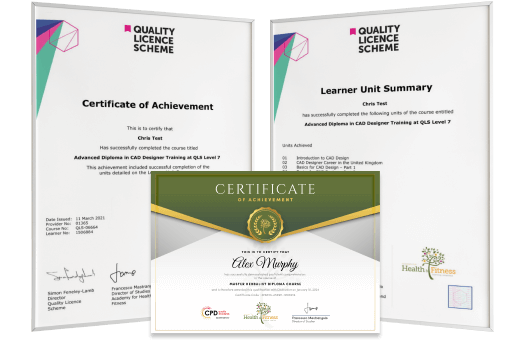
After completing the assignment, you can order the QLS certificate titled “Certificate in Care Certificate Preparation at QLS Level 2” as formal proof of your achievement. Endorsed certificates can be ordered and get delivered to your home by post for only £79. There is an additional £10 postage charge for international students.
This Care Certificate Course is ideal for entry-level professionals and anyone beginning or advancing a career in health and social care. Designed to meet CQC induction requirements, it’s recognised across both NHS and private care sectors, ensuring your qualification is valued wherever you work.
It’s particularly suited for:
You might just be starting your journey or formalising your existing experience. This Skills for Care aligned online course can help you build confidence, demonstrate competence, and grow your career in compassionate care.
The Care Certificate Course (2025 update) fully aligns with the CQC Induction Framework and the recommendations of the Cavendish Review (2013), ensuring every learner develops the core skills, knowledge, and behaviours expected in UK health and social care. This transferable qualification provides a consistent standard for care workers across all settings.
Below are the 16 Care Certificate Standards (Updated 2025) you’ll study in this online care induction program:
Explore your role, responsibilities, and professional conduct within health and social care. Learn how accountability, teamwork, and ethical practice contribute to delivering safe, compassionate, and person-centred support across diverse care environments.
Develop reflective practice skills to continuously improve your knowledge, confidence, and competence. Set personal goals, seek constructive feedback, and build a lifelong learning mindset essential for professional growth in the care sector.
Understand your legal and ethical obligations to act in the best interests of individuals. Learn how to handle complaints, manage risks, and make informed decisions that uphold safety, dignity, and wellbeing.
Promote fairness, equality, and inclusion within care settings. Recognise and challenge discrimination while ensuring that every individual receives respectful, person-centred care that values their background, culture, and unique identity.
Apply the principles of person-centred care by respecting individual preferences, choices, and dignity. Learn how to build empowering relationships that promote independence, wellbeing, and meaningful participation in daily life.
Develop compassionate, clear, and effective communication skills. Learn verbal and non-verbal techniques to improve teamwork, build trust with individuals, and ensure information is shared accurately and confidentially within care environments.
Understand how to maintain privacy and dignity in every aspect of care. Protect individuals’ rights, respect personal boundaries, and deliver compassionate support that promotes trust, independence, and self-respect.
Recognise the importance of balanced nutrition and hydration in maintaining health and wellbeing. Learn how to support dietary needs, record intake safely, and identify signs of malnutrition or dehydration in care settings.
Gain awareness of common mental health conditions, dementia, and learning disabilities. Learn to provide sensitive, inclusive support that promotes understanding, independence, and respect for every individual’s unique experience.
Understand how to recognise, report, and respond to signs of abuse or neglect in adults. Learn safeguarding procedures that protect vulnerable individuals and uphold your duty of care within regulated care environments.
Learn your role in identifying and preventing harm to children and young people. Understand safeguarding frameworks, reporting procedures, and how to respond effectively to concerns or disclosures in professional care settings.
Acquire essential life-saving knowledge for emergency situations. Learn resuscitation principles, CPR techniques, and how to respond calmly and effectively to medical emergencies within health and social care environments.
Develop practical awareness of workplace health and safety. Learn how to assess risks, prevent accidents, and maintain a safe, compliant care environment for service users, colleagues, and visitors.
Understand the importance of confidentiality, accurate documentation, and secure information handling. Learn data protection principles and ethical record-keeping practices that maintain trust and meet CQC compliance requirements.
Master infection prevention measures to maintain hygiene and reduce risks. Learn about handwashing, PPE, and environmental safety to protect yourself and those you care for from infection-related hazards.
Explore the 2025 update on learning disability and autism awareness. Understand how to provide inclusive, compassionate care that promotes equality, communication, and participation for people with diverse cognitive and social needs.
Completing this Care Certificate Course opens the door to a wide range of rewarding roles within the UK’s health and social care sector. As a nationally recognised foundation for care work, it allows you to build a sustainable care career and progress toward advanced qualifications such as the Level 2 or Level 3 Diploma in Health and Social Care, NVQ certifications, or adult care apprenticeships.
This training is valued by both NHS and private sector employers, giving you the professional credibility to take your next step with confidence, from management to pursuing specialist care training in areas like mental health, dementia, or safeguarding.
Typical job roles and salary ranges include:
Through this Care Certificate Course, you’ll develop the real-world care competence and transferable skills that employers across the health and social care sector look for. Each module is designed to strengthen your confidence, communication, and compassion in professional care settings.
By completing this course, you will gain:
At Academy for Health & Fitness, we’re dedicated to helping learners succeed through high-quality, accessible, and accredited online training. As a CPD-accredited learning platform and trusted UK training provider, we’ve supported over 40,000+ learners worldwide in achieving their professional goals in health and social care.
When you enrol with us, you can expect:
Join thousands of learners who have advanced their care careers through our professional training platform, designed for flexibility, credibility, and confidence.
Enrol now and gain your CPD-accredited Care Certificate course aligned with Skills for Care & CQC standards.
The care certificate course covers all 16 Care Certificate Standards set by Skills for Care, including person-centred care, safeguarding, infection prevention and control, equality and diversity, communication, and basic life support. You’ll gain essential knowledge to deliver safe, compassionate support, handle information securely, and work safely in care settings.
Yes, the Care Certificate remains valid in 2025 and beyond, fully aligned with Skills for Care standards and CQC compliance. Updated to include the 16th standard on autism awareness and learning disabilities, it continues to serve as the recognised foundation for safe, high-quality care across the UK.
The Care Certificate course can be studied through online learning, covering all knowledge units virtually. However, to meet the Skills for Care framework, your workplace assessment must be completed in person. A manager or assessor must observe and sign off your competencies to achieve full certification.
The Care Certificate is nationally recognised across the UK by the Care Quality Commission (CQC), NHS Trusts, and adult social care employers. Developed by Skills for Care, Skills for Health, and Health Education England, it’s the accepted induction standard ensuring safe, competent, and person-centred care delivery.
The Care Certificate course is a CPD-accredited training program, making it ideal for professional development. However, it’s not a formal qualification on the RQF framework. Instead, it serves as an induction-level competence standard developed by Skills for Health and Skills for Care for care workers.
While not a legal requirement, the Care Quality Commission (CQC) expects all new health and social care staff to complete the Care Certificate within their first 12 weeks. It forms part of the Skills for Care induction, ensuring healthcare assistants and support workers meet essential safety and compliance standards.
According to Skills for Care guidance, new care workers are expected to complete the Care Certificate within 12 weeks of starting employment. This timeframe forms part of mandatory induction training and ensures all staff meet essential standards of competence, safety, and professionalism during onboarding.
Yes, international learners can enrol in the Care Certificate course. It’s ideal preparation for the UK Health and Care Worker Visa and provides CQC-compliant, Skills for Care-aligned training. Completing it helps global applicants meet essential UK care standards and improve employability in the health sector.
If you don’t pass a Care Certificate assessment, don’t worry — you’ll receive tutor support and guidance to improve. Moreover, we also offer free retakes of the MCQ exam. The focus is on achieving understanding and competence, not penalising learners.
The Care Certificate doesn’t expire, but Skills for Care and the CQC recommend refresher training every 12–18 months as part of continuous professional development. Updating skills in areas like safeguarding, infection control, and health and safety helps maintain compliance and high-quality care standards.
After completing the Care Certificate, you can progress to qualifications like the Level 2 or 3 Diploma in Health and Social Care, which opens doors to more senior roles such as Senior Healthcare Assistant or Specialist Support Worker. You can also explore CPD courses in medication management, mental health awareness, or end-of-life care.
The Care Certificate is an entry-level induction standard focused on fundamental care skills, while the NVQ Level 2 (now RQF) is a formal qualification that assesses broader competence over time. The Care Certificate sets the foundation for new care workers, and the Level 2 Diploma builds on this with more advanced, workplace-based assessments for career progression.
Yes, NHS trusts across England recognise the Care Certificate as part of their induction training for healthcare assistants and support staff. This certificate provides foundational care skills, supporting entry-level roles in patient care. While it’s crucial for non-regulated support roles, professional roles may require additional qualifications or professional registration.
The 2025 Care Certificate update introduces a new 16th standard focused on awareness of learning disability and autism, reflecting the latest updates from Health Education England and CQC. It also enhances focus on infection control, dementia care, human rights, digital skills, and Equality, Diversity, and Inclusion (EDI) across all standards, promoting more inclusive care practices.
Choosing a CPD-accredited Care Certificate course over free options ensures verified quality, CQC compliance, and employer recognition. Accredited courses meet industry standards, provide structured learning with tutor support, and are widely accepted by NHS trusts and regulatory bodies. Free courses often lack formal recognition, updated content, and practical assessments, which may hinder career progression.
| Standard 01: Understand your role | |||
| The Duties and Responsibilities of a Care Worker | 00:22:00 | ||
| Employment Rights and Responsibilities | 00:21:00 | ||
| Aims, objectives and values of the service | 00:12:00 | ||
| Responsibilities to the Individuals | 00:22:00 | ||
| Different Working Relationships in Care Settings | 00:09:00 | ||
| The Importance of Partnership Working | 00:15:00 | ||
| Standard 02: Your personal development | |||
| Identify Sources of Support for Own Learning and Development | 00:15:00 | ||
| Skills That Healthcare Professionals Need | 00:18:00 | ||
| Standard 03: Duty of Care | |||
| What Is Duty of Care | 00:35:00 | ||
| Dilemmas That may Arise Between the Duty of Care and an Individual’s Rights | 00:25:00 | ||
| Procedures for Responding to Complaints | 00:35:00 | ||
| Recognising Adverse Events, Incidents, Errors and Near Misses | 00:20:00 | ||
| Factors and Difficult Situations That may Cause Confrontation | 00:23:00 | ||
| Standard 04: Equality and Diversity | |||
| Understanding Diversity | 00:12:00 | ||
| Discrimination that can be Deliberately or Unintentional | 00:16:00 | ||
| legislation and codes of practice relating to equality | 00:12:00 | ||
| Respecting individuals’ beliefs, culture, values and preferences | 00:09:00 | ||
| Sources of Information for Diversity, Equality, and Inclusion | 00:07:00 | ||
| Standard 05: Work in A Person-Centred Way | |||
| Putting Person-Centred Values into Practice | 00:12:00 | ||
| The Importance of Finding out the History, Preferences, Wishes and Needs | 00:17:00 | ||
| Environmental Factors that may cause Discomfort or Distress | 00:08:00 | ||
| Raising concerns directly with the individual concerned | 00:10:00 | ||
| Caregiving is more than just monitoring medicines and driving to doctor | 00:16:00 | ||
| Ensuring the comfort of individuals where they have restricted movement | 00:15:00 | ||
| Promoting person centred values | 00:06:00 | ||
| Recognising the signs of pain or discomfort | 00:09:00 | ||
| Standard 06: Communication | |||
| Different Ways that People Communicate | 00:24:00 | ||
| Why it is important to observe and be receptive to an individual | 00:07:00 | ||
| Establishing an Individual’s Communication and Language Needs, Wishes ans Preferences | 00:09:00 | ||
| Barriers to Effective Communication | 00:14:00 | ||
| How to Check whether the Health Care Support Worker and Adult Social Care | 00:05:00 | ||
| What Is Confidentiality | 00:08:00 | ||
| The Use of Appropriate Verbal and Non-Verbal Communication | 00:16:00 | ||
| Communication Aids | 00:07:00 | ||
| Standard 07: Privacy and Dignity | |||
| What is meant by privacy and dignity | 00:17:00 | ||
| Maintaining the Privacy of the Individual | 00:27:00 | ||
| Ways of Helping Individuals to Make Informed Choices | 00:30:00 | ||
| How Valuing People Contributes to Active Participation | 00:22:00 | ||
| Supporting the Active Participation of Individuals in Their Care | 00:09:00 | ||
| Standard 08: Fluids and Nutrition | |||
| The Importance of Food Safety, including Hygiene, in the Preparation and Handling of Food | 00:20:00 | ||
| Ensuring That Drinks Are within Reach of Those That Have Restrictions on Their Movement | 00:10:00 | ||
| Ensuring That Any Nutritional Products Are Within Reach of Those That Have Restrictions on Their Movement | 00:08:00 | ||
| Standard 09: Awareness of Mental Health and Dementia | |||
| How someone may feel if they have mental health conditions | 00:20:00 | ||
| How Conditions Influence a Person’s Needs in Relation to Care | 00:25:00 | ||
| How Positive Attitudes towards those with mental health conditions | 00:18:00 | ||
| Adjustments which may be Necessary in Care Delivery | 00:29:00 | ||
| Importance of Early Detection of Mental Health Needs, Dementia or Learning Disability | 00:14:00 | ||
| Requirements of Legislation and Policies | 00:28:00 | ||
| Effect of listed legislation and policies | 00:11:00 | ||
| Capacity | 00:20:00 | ||
| Standard 10: Safeguarding Adults | |||
| Safeguarding adults | 00:10:00 | ||
| Types of Abuse | 00:18:00 | ||
| Defining “Harm” | 00:11:00 | ||
| Indicators of Abuse | 00:13:00 | ||
| Factors Which have Featured in Adult Abuse and Neglect | 00:17:00 | ||
| How Care Environments can Promote and Undermine People’s Dignity and Rights | 00:14:00 | ||
| Reducing the Likelihood of Abuse with Risk Enablement and Management | 00:10:00 | ||
| Standard 11: Safeguarding Children | |||
| Safeguarding Children at Level 1 | 00:09:00 | ||
| Actions to Take If a Child, Young Person (Met in Any Circumstances) Is Suspected to Be Abused | 00:09:00 | ||
| Appropriate Actions to take When Abuse is Suspected | 00:15:00 | ||
| Legislation, Local and National Policies and Procedures Related to Safeguarding Adults | 00:12:00 | ||
| The Importance of Sharing Information with the Relevant Agencies | 00:13:00 | ||
| Standard 12: Basic Life Support | |||
| Basic Life Support (BLS)5 | 00:19:00 | ||
| Standard 13: Health and Safety | |||
| Legislation Relating to General Health and Safety in a Health or Social Care Work Setting | 00:12:00 | ||
| Health and Safety Policies and Procedures | 00:16:00 | ||
| How to Access Additional Support and Information Relating to Health and Safety | 00:12:00 | ||
| The Importance of Risk Assessment for Health and Safety Standards | 00:11:00 | ||
| Legislation Relating to Moving and Assisting | 00:13:00 | ||
| Procedures to Follow When Accidents or Illness Occur | 00:21:00 | ||
| Agreed ways of working in relation to medication | 00:14:00 | ||
| Hazardous Substances in the Workplace | 00:14:00 | ||
| Prevent Fires from Starting or Spreading | 00:11:00 | ||
| Protecting Security | 00:12:00 | ||
| Identifying Common Signs of Stress in a Work Setting | 00:15:00 | ||
| Standard 14: Handling Information | |||
| Agreed Ways of Working regarding the Recording, Storing and Sharing of Information | 00:25:00 | ||
| Importance to Have Secure Systems for Recording, Storing and Sharing Information | 00:17:00 | ||
| How to Keep Records That Are Up to Date, Complete, Accurate and Legible | 00:20:00 | ||
| Standard 15: Infection Prevention and Control | |||
| The Main Ways an Infection Can Get into the Body | 00:11:00 | ||
| Effective Hand Hygiene | 00:11:00 | ||
| Risk to the individuals | 00:10:00 | ||
| Common types of personal protective clothing, equipment and procedures | 00:10:00 | ||
| Standard 16: Awareness of Learning Disability and Autism | |||
| Understanding Learning Disability and Autism | 00:20:00 | ||
| Diagnosing Learning Disabilities and Autism | 00:09:00 | ||
| Characteristics and Diversity of Needs | 00:21:00 | ||
| Prevalence and Impact | 00:19:00 | ||
| Legislation and Human Rights | 00:25:00 | ||
| Communication and Interaction Support | 00:22:00 | ||
| Reasonable Adjustments and Workplace Responsibilities | 00:23:00 | ||
| Embedding Accountability and Promoting Inclusive Practice | 00:15:00 | ||
| Final Exam | |||
| Final Exam – Care Certificate Course – Standards (1 to 16) | 00:20:00 | ||
| Assignment | |||
| Assignment – The Care Certificate Preparation | 5 days, 23 hours | ||
| Order Your Certificate | |||
| Claim Your Certificates | 00:00:00 | ||
| Thank you for being a part of this course! We'd appreciate your feedback! | |||
| Thank you for being a part of this course! We’d appreciate your feedback! | 00:00:00 | ||
| Standard 01: Understand your role | |||
| The Duties and Responsibilities of a Care Worker | 00:22:00 | ||
| Employment Rights and Responsibilities | 00:21:00 | ||
| Aims, objectives and values of the service | 00:12:00 | ||
| Responsibilities to the Individuals | 00:22:00 | ||
| Different Working Relationships in Care Settings | 00:09:00 | ||
| The Importance of Partnership Working | 00:15:00 | ||
| Standard 02: Your personal development | |||
| Identify Sources of Support for Own Learning and Development | 00:15:00 | ||
| Skills That Healthcare Professionals Need | 00:18:00 | ||
| Standard 03: Duty of Care | |||
| What Is Duty of Care | 00:35:00 | ||
| Dilemmas That may Arise Between the Duty of Care and an Individual’s Rights | 00:25:00 | ||
| Procedures for Responding to Complaints | 00:35:00 | ||
| Recognising Adverse Events, Incidents, Errors and Near Misses | 00:20:00 | ||
| Factors and Difficult Situations That may Cause Confrontation | 00:23:00 | ||
| Standard 04: Equality and Diversity | |||
| Understanding Diversity | 00:12:00 | ||
| Discrimination that can be Deliberately or Unintentional | 00:16:00 | ||
| legislation and codes of practice relating to equality | 00:12:00 | ||
| Respecting individuals’ beliefs, culture, values and preferences | 00:09:00 | ||
| Sources of Information for Diversity, Equality, and Inclusion | 00:07:00 | ||
| Standard 05: Work in A Person-Centred Way | |||
| Putting Person-Centred Values into Practice | 00:12:00 | ||
| The Importance of Finding out the History, Preferences, Wishes and Needs | 00:17:00 | ||
| Environmental Factors that may cause Discomfort or Distress | 00:08:00 | ||
| Raising concerns directly with the individual concerned | 00:10:00 | ||
| Caregiving is more than just monitoring medicines and driving to doctor | 00:16:00 | ||
| Ensuring the comfort of individuals where they have restricted movement | 00:15:00 | ||
| Promoting person centred values | 00:06:00 | ||
| Recognising the signs of pain or discomfort | 00:09:00 | ||
| Standard 06: Communication | |||
| Different Ways that People Communicate | 00:24:00 | ||
| Why it is important to observe and be receptive to an individual | 00:07:00 | ||
| Establishing an Individual’s Communication and Language Needs, Wishes ans Preferences | 00:09:00 | ||
| Barriers to Effective Communication | 00:14:00 | ||
| How to Check whether the Health Care Support Worker and Adult Social Care | 00:05:00 | ||
| What Is Confidentiality | 00:08:00 | ||
| The Use of Appropriate Verbal and Non-Verbal Communication | 00:16:00 | ||
| Communication Aids | 00:07:00 | ||
| Standard 07: Privacy and Dignity | |||
| What is meant by privacy and dignity | 00:17:00 | ||
| Maintaining the Privacy of the Individual | 00:27:00 | ||
| Ways of Helping Individuals to Make Informed Choices | 00:30:00 | ||
| How Valuing People Contributes to Active Participation | 00:22:00 | ||
| Supporting the Active Participation of Individuals in Their Care | 00:09:00 | ||
| Standard 08: Fluids and Nutrition | |||
| The Importance of Food Safety, including Hygiene, in the Preparation and Handling of Food | 00:20:00 | ||
| Ensuring That Drinks Are within Reach of Those That Have Restrictions on Their Movement | 00:10:00 | ||
| Ensuring That Any Nutritional Products Are Within Reach of Those That Have Restrictions on Their Movement | 00:08:00 | ||
| Standard 09: Awareness of Mental Health and Dementia | |||
| How someone may feel if they have mental health conditions | 00:20:00 | ||
| How Conditions Influence a Person’s Needs in Relation to Care | 00:25:00 | ||
| How Positive Attitudes towards those with mental health conditions | 00:18:00 | ||
| Adjustments which may be Necessary in Care Delivery | 00:29:00 | ||
| Importance of Early Detection of Mental Health Needs, Dementia or Learning Disability | 00:14:00 | ||
| Requirements of Legislation and Policies | 00:28:00 | ||
| Effect of listed legislation and policies | 00:11:00 | ||
| Capacity | 00:20:00 | ||
| Standard 10: Safeguarding Adults | |||
| Safeguarding adults | 00:10:00 | ||
| Types of Abuse | 00:18:00 | ||
| Defining “Harm” | 00:11:00 | ||
| Indicators of Abuse | 00:13:00 | ||
| Factors Which have Featured in Adult Abuse and Neglect | 00:17:00 | ||
| How Care Environments can Promote and Undermine People’s Dignity and Rights | 00:14:00 | ||
| Reducing the Likelihood of Abuse with Risk Enablement and Management | 00:10:00 | ||
| Standard 11: Safeguarding Children | |||
| Safeguarding Children at Level 1 | 00:09:00 | ||
| Actions to Take If a Child, Young Person (Met in Any Circumstances) Is Suspected to Be Abused | 00:09:00 | ||
| Appropriate Actions to take When Abuse is Suspected | 00:15:00 | ||
| Legislation, Local and National Policies and Procedures Related to Safeguarding Adults | 00:12:00 | ||
| The Importance of Sharing Information with the Relevant Agencies | 00:13:00 | ||
| Standard 12: Basic Life Support | |||
| Basic Life Support (BLS)5 | 00:19:00 | ||
| Standard 13: Health and Safety | |||
| Legislation Relating to General Health and Safety in a Health or Social Care Work Setting | 00:12:00 | ||
| Health and Safety Policies and Procedures | 00:16:00 | ||
| How to Access Additional Support and Information Relating to Health and Safety | 00:12:00 | ||
| The Importance of Risk Assessment for Health and Safety Standards | 00:11:00 | ||
| Legislation Relating to Moving and Assisting | 00:13:00 | ||
| Procedures to Follow When Accidents or Illness Occur | 00:21:00 | ||
| Agreed ways of working in relation to medication | 00:14:00 | ||
| Hazardous Substances in the Workplace | 00:14:00 | ||
| Prevent Fires from Starting or Spreading | 00:11:00 | ||
| Protecting Security | 00:12:00 | ||
| Identifying Common Signs of Stress in a Work Setting | 00:15:00 | ||
| Standard 14: Handling Information | |||
| Agreed Ways of Working regarding the Recording, Storing and Sharing of Information | 00:25:00 | ||
| Importance to Have Secure Systems for Recording, Storing and Sharing Information | 00:17:00 | ||
| How to Keep Records That Are Up to Date, Complete, Accurate and Legible | 00:20:00 | ||
| Standard 15: Infection Prevention and Control | |||
| The Main Ways an Infection Can Get into the Body | 00:11:00 | ||
| Effective Hand Hygiene | 00:11:00 | ||
| Risk to the individuals | 00:10:00 | ||
| Common types of personal protective clothing, equipment and procedures | 00:10:00 | ||
| Standard 16: Awareness of Learning Disability and Autism | |||
| Understanding Learning Disability and Autism | 00:20:00 | ||
| Diagnosing Learning Disabilities and Autism | 00:09:00 | ||
| Characteristics and Diversity of Needs | 00:21:00 | ||
| Prevalence and Impact | 00:19:00 | ||
| Legislation and Human Rights | 00:25:00 | ||
| Communication and Interaction Support | 00:22:00 | ||
| Reasonable Adjustments and Workplace Responsibilities | 00:23:00 | ||
| Embedding Accountability and Promoting Inclusive Practice | 00:15:00 | ||
| Final Exam | |||
| Final Exam – Care Certificate Course – Standards (1 to 16) | 00:20:00 | ||
| Assignment | |||
| Assignment – The Care Certificate Preparation | 5 days, 23 hours | ||
| Order Your Certificate | |||
| Claim Your Certificates | 00:00:00 | ||
| Thank you for being a part of this course! We'd appreciate your feedback! | |||
| Thank you for being a part of this course! We’d appreciate your feedback! | 00:00:00 | ||