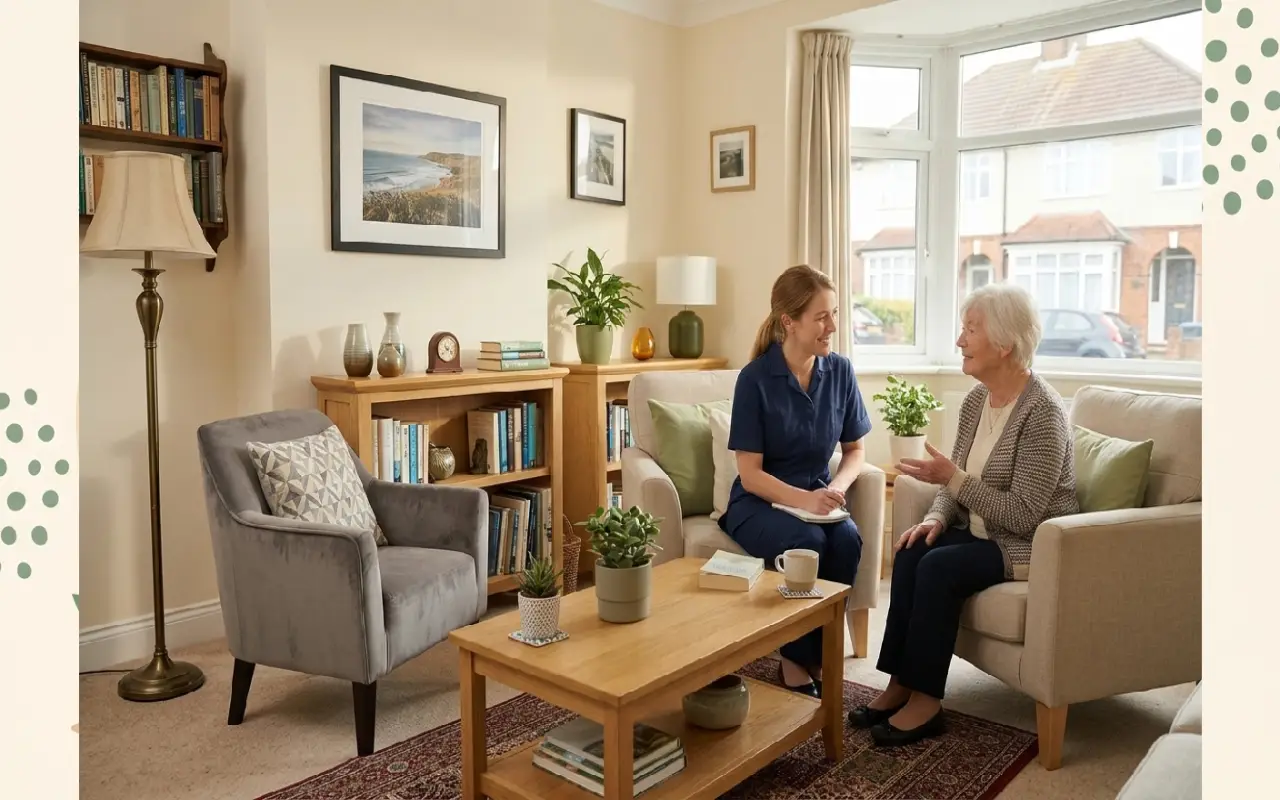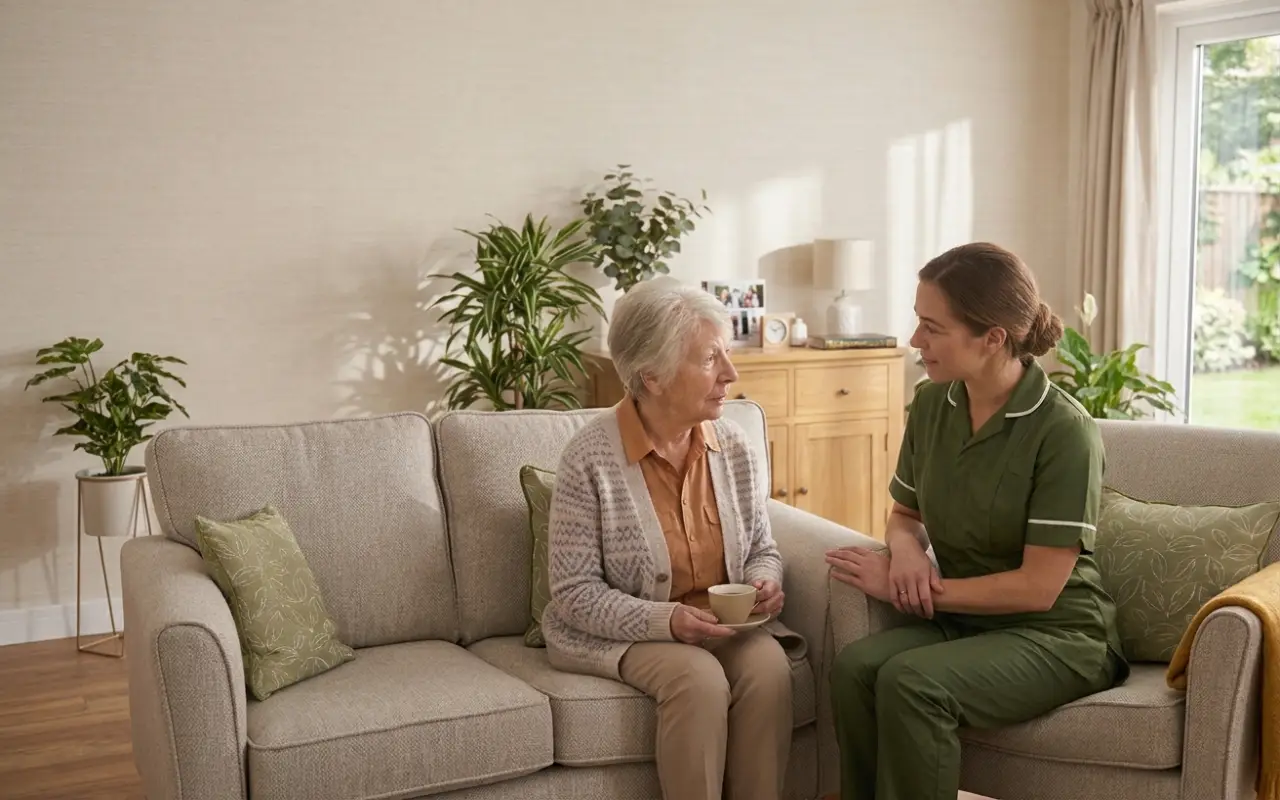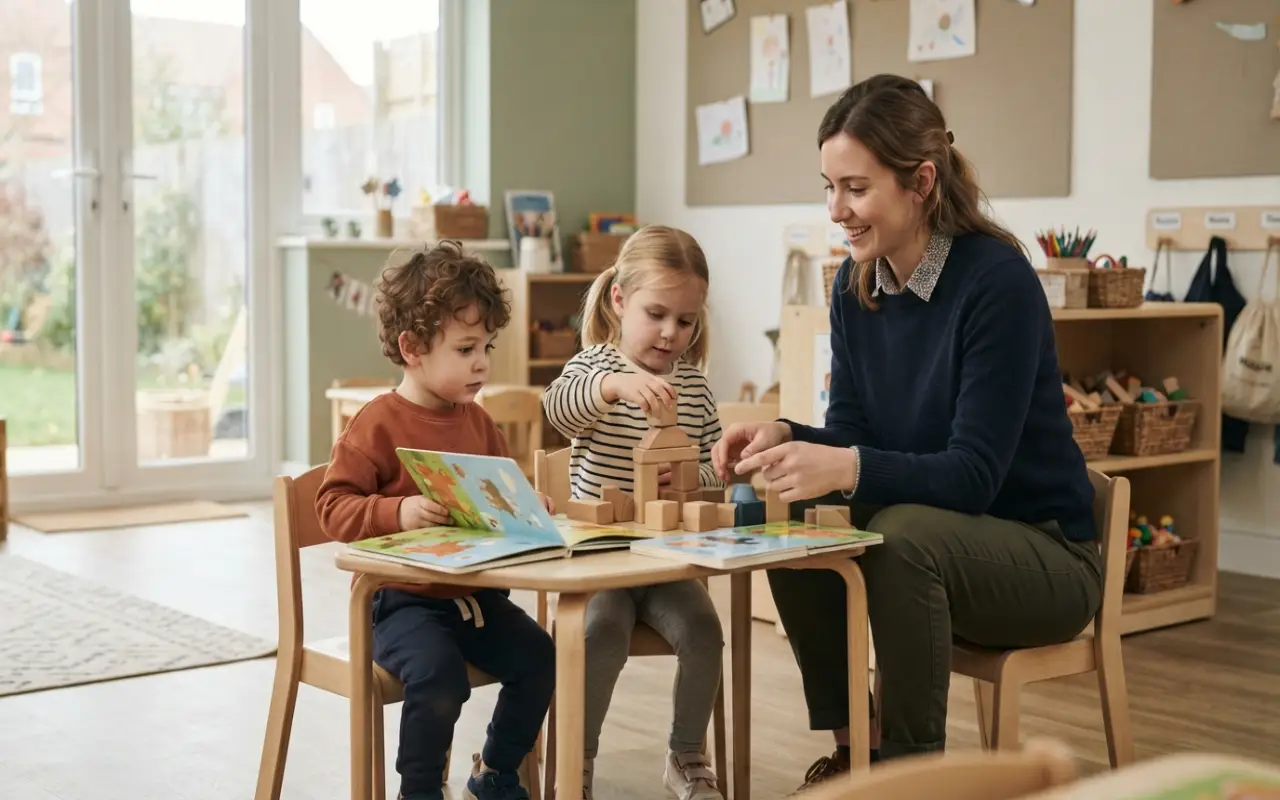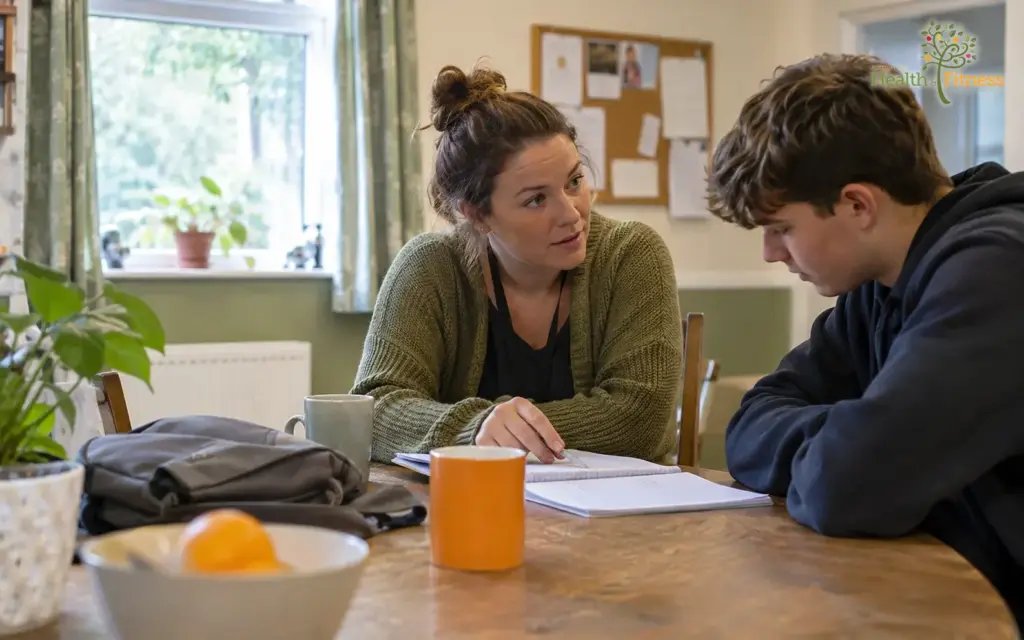


Working in a children’s residential home means helping young people feel safe, supported and valued. From managing daily routines to providing emotional reassurance, a residential support worker helps children develop confidence and independence.
But what does the job involve, and can you start without previous care experience? Here’s what you need to know about the responsibilities, qualifications, salary and career pathways in the UK.
A residential support worker supports the physical, emotional and social needs of people living in residential care. In children’s homes, the role involves providing daily assistance, safeguarding young people, encouraging independence and maintaining a stable, supportive environment. Workers also collaborate with colleagues and other professionals to meet individual care needs.
Is residential childcare right for you? Take our 2-minute quiz to find out.
What Is a Children's Residential Support Worker?
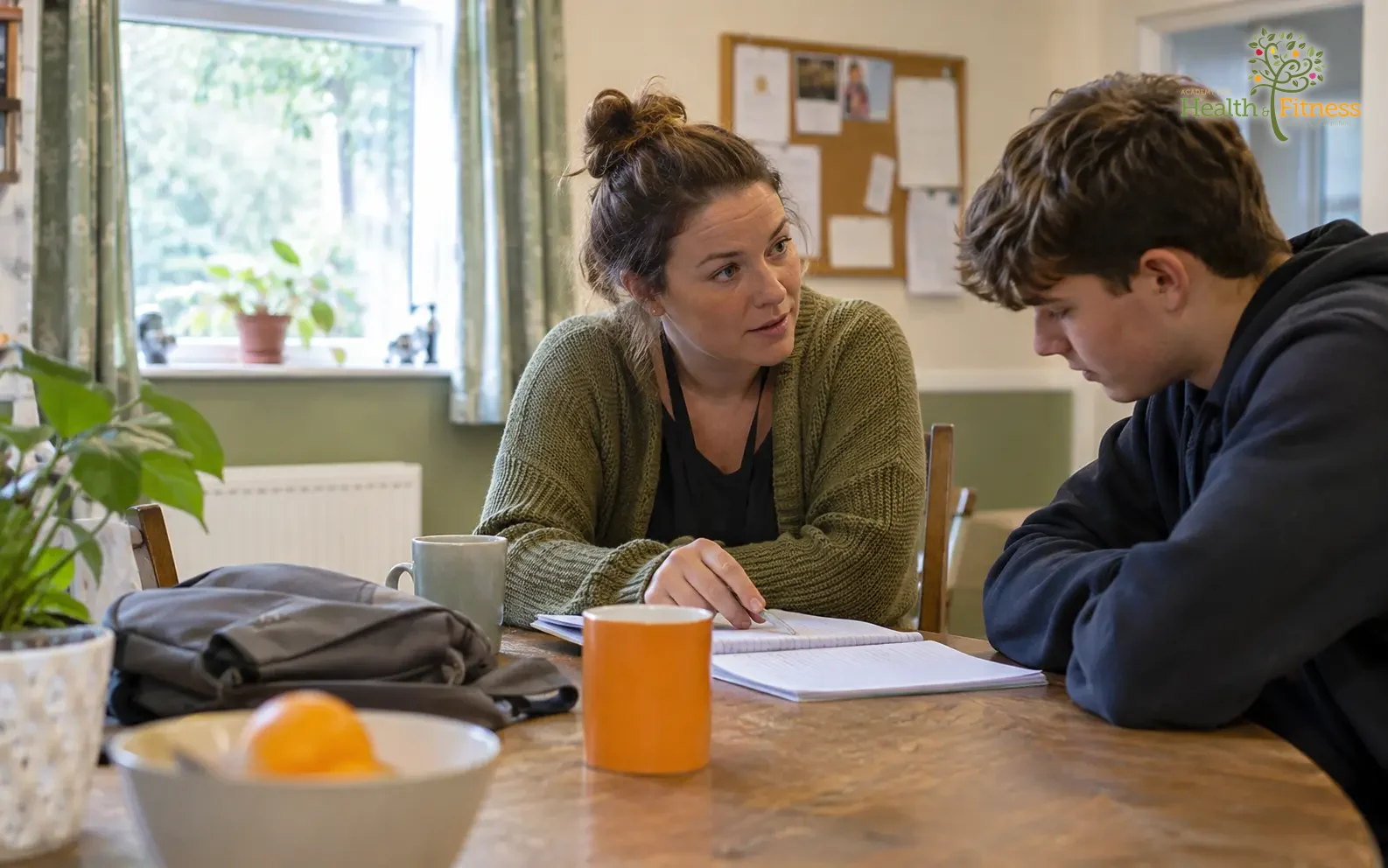
A children’s residential support worker helps children and young people living in residential care rather than with their families. They provide practical assistance, emotional support and consistent care tailored to each child’s circumstances.
They may work in children’s homes operated by local authorities, independent providers or charities. Some settings support young people with disabilities, additional learning needs or complex emotional needs.
Unlike domiciliary care workers, who generally visit people in their own homes, residential workers support individuals within a shared care setting.
The role also involves safeguarding, making it relevant to people exploring wider safeguarding jobs in the UK and careers in children’s social care.
What Does a Residential Support Worker Do?
A residential support worker job description involves much more than supervising children. Workers help create a stable home environment while supporting education, emotional wellbeing and everyday development.
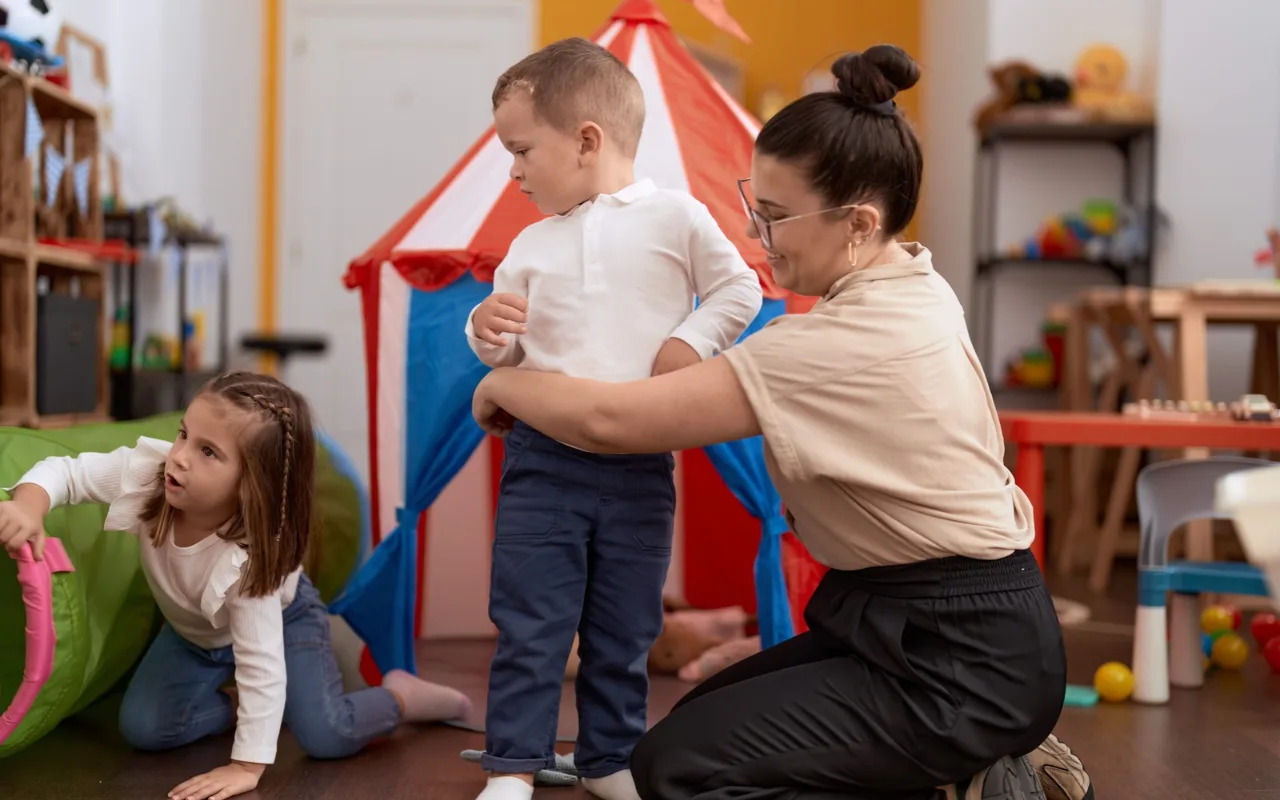
Supporting Children’s Daily Needs and Independence
Residential support worker duties typically include:
- Helping children establish routines around meals, sleep and personal hygiene.
- Supporting school attendance, homework and educational activities.
- Encouraging hobbies, friendships and community participation.
- Teaching practical life skills, such as cooking, budgeting and personal organisation.
- Helping young people make age-appropriate decisions and develop independence.
The assistance provided depends on each child’s age, abilities and individual care plan.
Providing Emotional Support and Safeguarding
Children in residential care may have experienced difficult family circumstances, disrupted relationships or trauma. Support workers need patience, understanding and consistent professional boundaries.
Their responsibilities include listening to concerns, building positive relationships and helping children manage challenging situations safely.
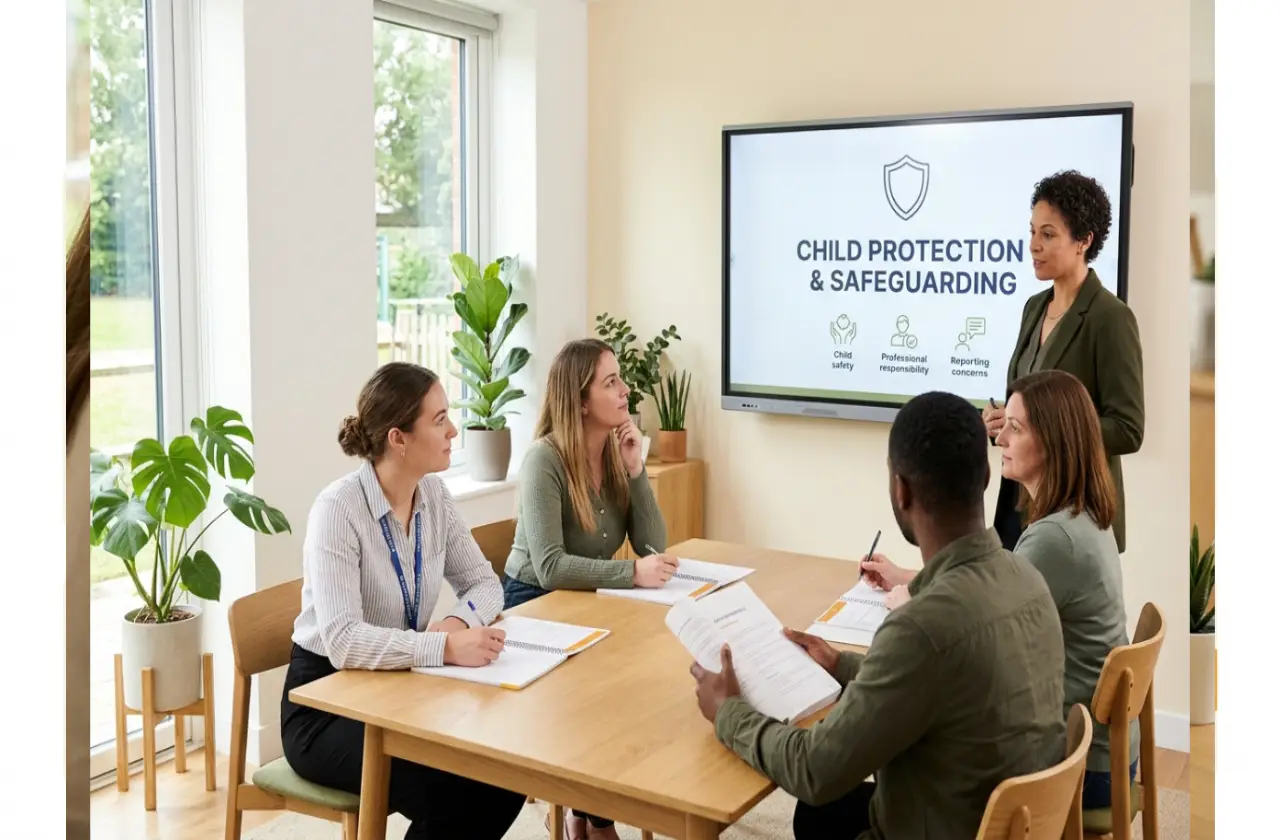
Safeguarding is central to this work. Staff must recognise potential concerns, follow their organisation’s procedures and report relevant information to appropriate professionals.
In England, the Department for Education’s Working Together to Safeguard Children, updated on 13 November 2026, provides statutory guidance on how organisations work together to protect children.
Learning about children’s safety can also support professional development. HF Online’s Residential Childcare & Paediatric First Aid Diploma (Level 3) for Care Workers offers CPD-accredited learning in residential childcare and paediatric first aid.
Build Your Residential Childcare and First Aid Knowledge
Learn the essentials of residential childcare and paediatric first aid online, at your own pace.
- Residential childcare learning for care workers
- Paediatric first aid knowledge
- CPD-accredited online course
Working With Care Teams and Keeping Records
Residential support workers work closely with colleagues and other professionals to maintain consistent care.
They follow individual care plans, record observations, communicate during shift handovers and report changes in children’s wellbeing.
They may also coordinate with social workers, teachers, healthcare professionals and residential home managers.
A Typical Day as a Children's Residential Support Worker
No two shifts are identical. Children’s needs, school arrangements and activities influence how each day unfolds.

However, an illustrative daytime or evening shift might involve:
Morning: Receive a handover, help children prepare for school and support breakfast and morning routines.
Afternoon: Welcome children home, discuss their day, assist with homework and organise suitable recreational activities.
Evening: Support meals, encourage positive interactions, help with bedtime routines and complete relevant care records.
Throughout the shift, workers remain attentive to children’s emotional needs, safety and individual care plans.
In specialist settings, routines may need adapting for children with disabilities or additional communication needs. HF Online’s Residential Childcare for Children with Disabilities provides supplementary CPD learning focused on supporting children with disabilities in residential settings.
Actual responsibilities depend on the home, staffing arrangements and the children receiving support.
What Skills Does a Residential Support Worker Need?
Residential support worker skills combine practical abilities with emotional awareness and professional judgement.
Important qualities include:
- Communication: Listening carefully and explaining information in ways children understand.
- Patience and empathy: Responding sensitively when young people feel worried, frustrated or overwhelmed.
- Emotional resilience: Remaining calm during difficult situations and recognising when additional support is needed.
- Teamwork: Sharing information and maintaining consistent approaches with colleagues.
- Observation and record keeping: Recognising changes in wellbeing and documenting relevant information accurately.
- Safeguarding awareness: Understanding professional boundaries and responding appropriately to concerns.
Knowledge of child development, attachment and trauma-informed care can also help workers understand children’s behaviour and support needs.
For learners interested in these subjects, HF Online’s Level 4 Residential Childcare Worker is a CPD-accredited online course exploring child development, safeguarding, attachment and residential care practice.
Understand Child Development, Attachment and Safeguarding
Explore the knowledge behind confident residential childcare practice.
- Child development and attachment
- Safeguarding in residential care
- Study online, 5 hours of learning
What Qualifications Do Residential Support Workers Need?
Residential support worker qualifications depend on the setting, employer and UK nation.
For children’s residential care, it is important to distinguish between statutory qualification requirements, employer preferences and supplementary professional development.
Level 3 Residential Childcare Qualifications in England
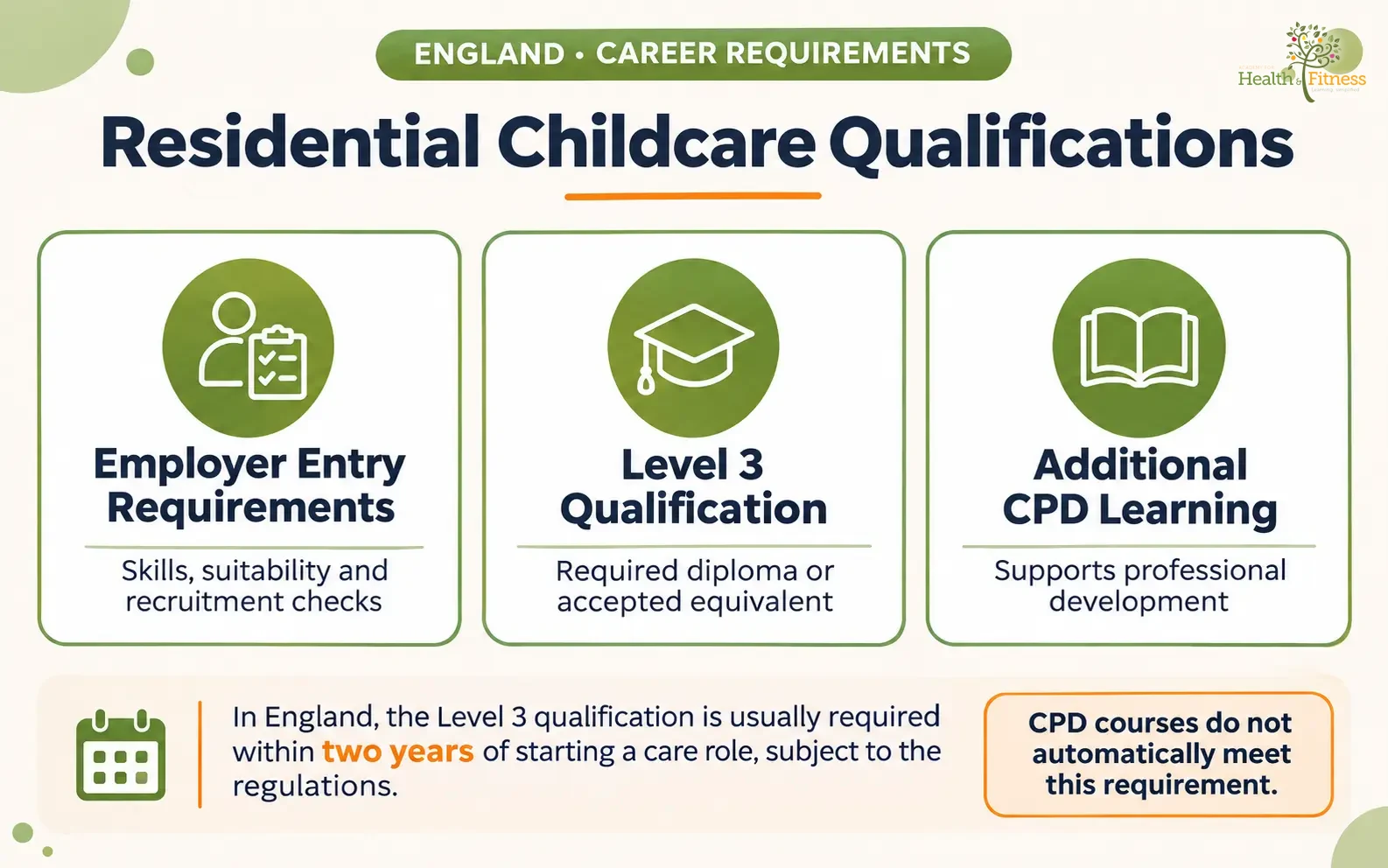
In England, Regulation 32 of the Children’s Homes (England) Regulations 2015 establishes qualification requirements for staff working in care roles.
Workers are generally required to obtain the Level 3 Diploma for Residential Childcare (England) or a qualification the registered provider considers equivalent.
The usual deadline is within two years of starting a care role, although the regulations allow deferral in specified circumstances.
This means applicants do not necessarily need the completed diploma before starting employment. However, they must meet the applicable recruitment and suitability requirements.
Scotland, Wales and Northern Ireland have different registration and qualification arrangements. Applicants should check the requirements of the relevant national regulator.
DBS Checks, Experience and Additional Training
Children’s residential homes must follow safer recruitment procedures.
According to Ofsted’s children’s homes recruitment guidance, providers in England must obtain relevant information to assess applicants’ suitability. This includes appropriate Disclosure and Barring Service (DBS) certificates, references and employment histories.
Employers may also consider previous childcare experience, communication skills and willingness to undertake training.
Professional development can include safeguarding awareness, first aid, behaviour support and child development.
CPD-accredited courses do not automatically meet the statutory Level 3 residential childcare qualification requirement. They support additional knowledge and professional development but do not replace the required diploma or an accepted equivalent.
When choosing training, check the qualification awarded, the awarding organisation and whether it meets the requirements of the intended role.
How to Become a Residential Support Worker in the UK
There are several possible routes into residential childcare. The most suitable pathway depends on your experience, transferable skills and the employer’s requirements.
Can You Become a Residential Support Worker Without Experience?
Yes, some employers consider applicants without previous residential childcare employment, particularly when they demonstrate relevant skills and a suitable approach to working with children.
Experience in youth clubs, volunteering, childcare, education or other support settings may help demonstrate suitability.
For example, someone who has supported children in educational activities may already understand the importance of communication, patience and consistent routines.
However, having no direct care experience does not remove safeguarding, recruitment or qualification requirements.
People exploring how to get a safeguarding job with no experience should consider opportunities that match their current skills, experience and training needs.
Practical Steps to Start Your Career
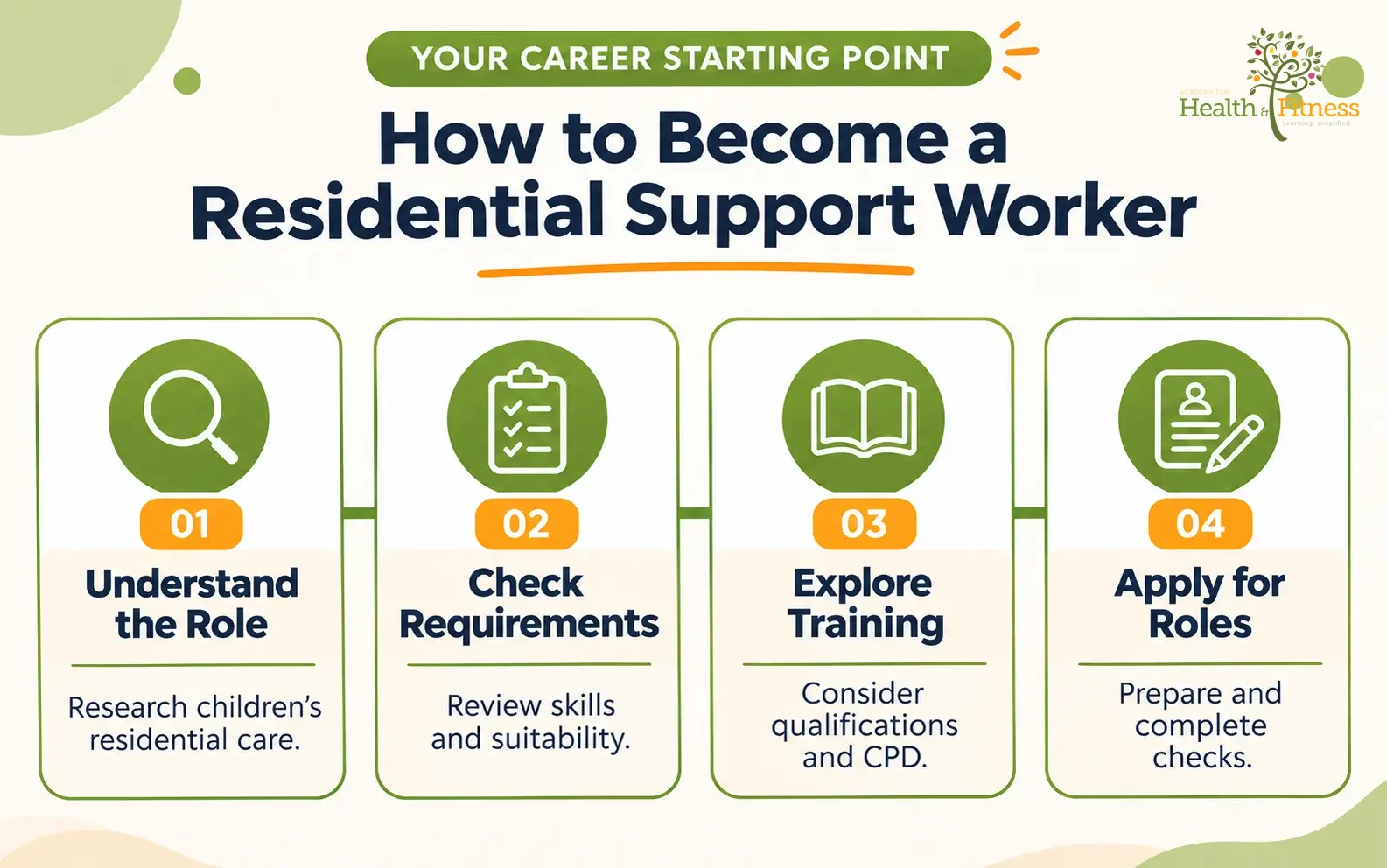
1. Understand the role. Research children’s residential homes, typical responsibilities and the realities of supporting young people.
2. Check entry requirements. Review vacancies for essential skills, qualifications, experience and working arrangements.
3. Explore suitable training. Consider relevant college courses, apprenticeships, workplace training and supplementary safeguarding learning.
4. Apply for appropriate positions. Prepare examples demonstrating communication, responsibility and relevant experience. Be ready to complete recruitment checks.
The National Careers Service identifies college study, apprenticeships, direct applications and progression from related support roles as potential ways into residential support work.
Remember that employers may offer different training pathways, so check individual vacancy requirements before applying.
How Much Does a Residential Support Worker Earn in the UK?
According to the National Careers Service, indicative annual salaries for the broader residential support worker occupation are:
- Starting salary: Approximately £22,000.
- Experienced salary: Approximately £30,000.
These figures cover residential support workers generally, including those supporting adults and children. They are not salary estimates exclusively for children’s residential homes.
Actual earnings vary depending on experience, employer, location, contractual hours and additional payments.
When comparing residential support worker salaries in the UK, examine advertised pay alongside shift arrangements, overnight duties and employment benefits.
What Hours Do Residential Support Workers Work?
Residential care operates around the needs of people living in the home, so traditional office hours are not always possible.
The National Careers Service gives typical working hours of approximately 37–43 hours per week for residential support workers.
Depending on the employer, children’s residential care roles may involve:
- Early, late or rotating shifts.
- Weekend and bank holiday work.
- Overnight or sleep-in duties.
- Shift handovers and changes to planned routines.
Not every position follows the same schedule. Some employers use different rota systems or have specific overnight requirements.
Before accepting a role, check contracted hours, breaks, overnight expectations and how additional duties are compensated.
Is Being a Residential Support Worker a Good Career?
Residential childcare can be a meaningful career for someone who enjoys supporting children, building professional relationships and encouraging personal development.
Workers may find satisfaction in helping young people gain confidence, participate in education and become more independent.
However, emotionally demanding situations, safeguarding responsibilities and irregular working hours can make the role challenging.
With appropriate experience, training and qualifications, some workers progress into senior residential support, deputy management or residential childcare management positions.
Whether the career suits you depends on your interests, abilities and willingness to take on its responsibilities.
Final Thoughts
Becoming a children’s residential support worker requires patience, responsibility and appropriate preparation. Understanding the role, qualifications and working conditions is a sensible first step towards exploring this career.
Frequently Asked Questions
Some employers consider applicants without direct residential care experience, particularly if they have relevant transferable skills or voluntary experience. However, applicants must still meet the employer's suitability, safeguarding and qualification requirements.
A university degree is not generally required for entry-level residential support worker roles. In England, children's residential care workers must normally obtain the Level 3 Diploma for Residential Childcare (England), or an accepted equivalent, within the applicable period.
Yes. Children's residential homes in England must obtain a relevant Disclosure and Barring Service (DBS) certificate as part of safer recruitment. The appropriate level of check depends on the role and its eligibility requirements.
Yes. Teaching assistants may have transferable skills in communication, safeguarding, behaviour support and working with children with additional needs. They must still meet the residential care employer's recruitment and qualification requirements.
Challenges may include emotionally demanding situations, irregular working hours, managing difficult behaviour and maintaining professional boundaries. Appropriate training, supervision and teamwork can help staff respond effectively.
Yes. With suitable experience and additional qualifications, residential support workers may progress into senior support worker, team leader, deputy manager or residential home manager roles. Requirements depend on the position and relevant regulations.
Table of Contents