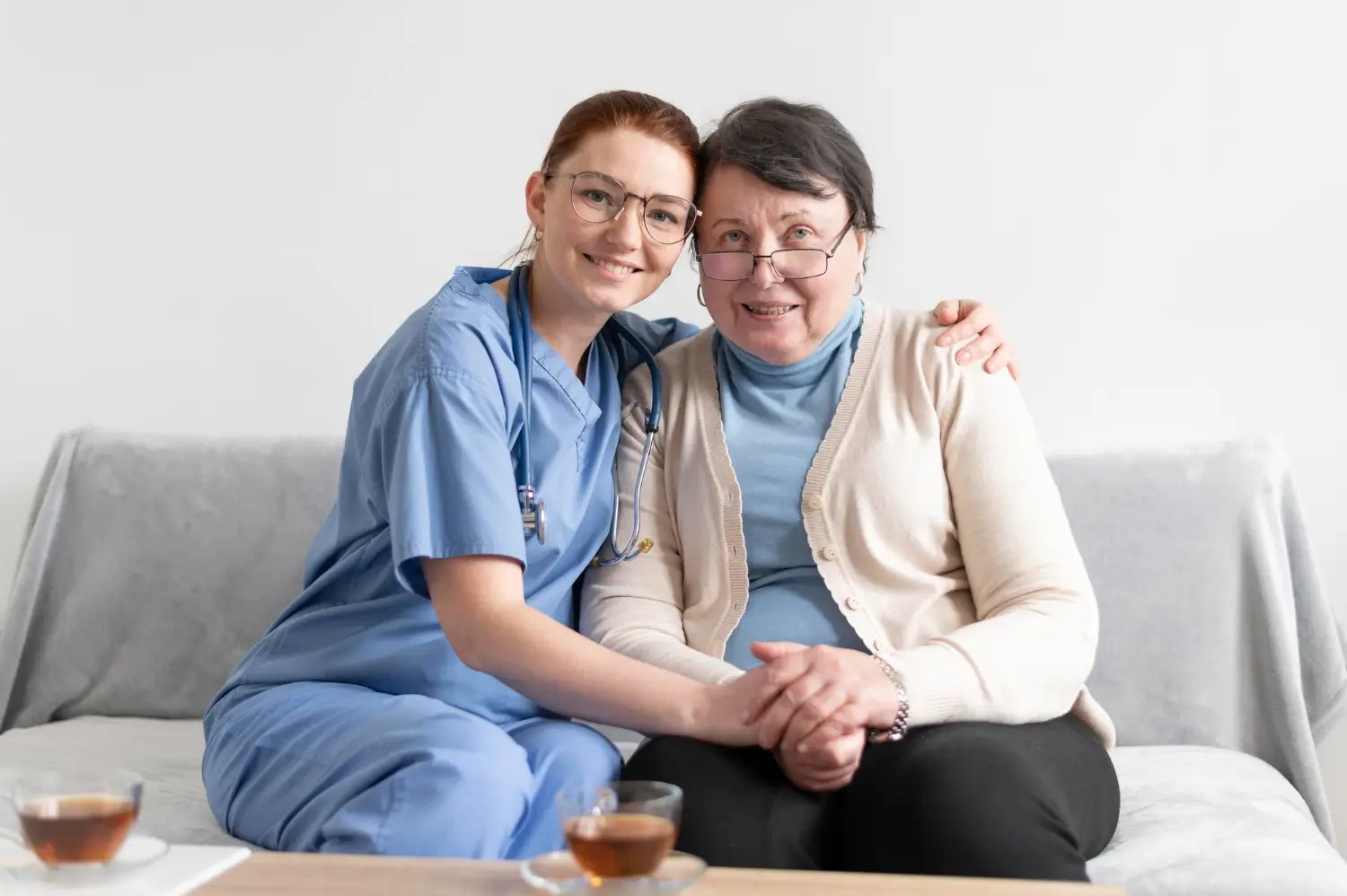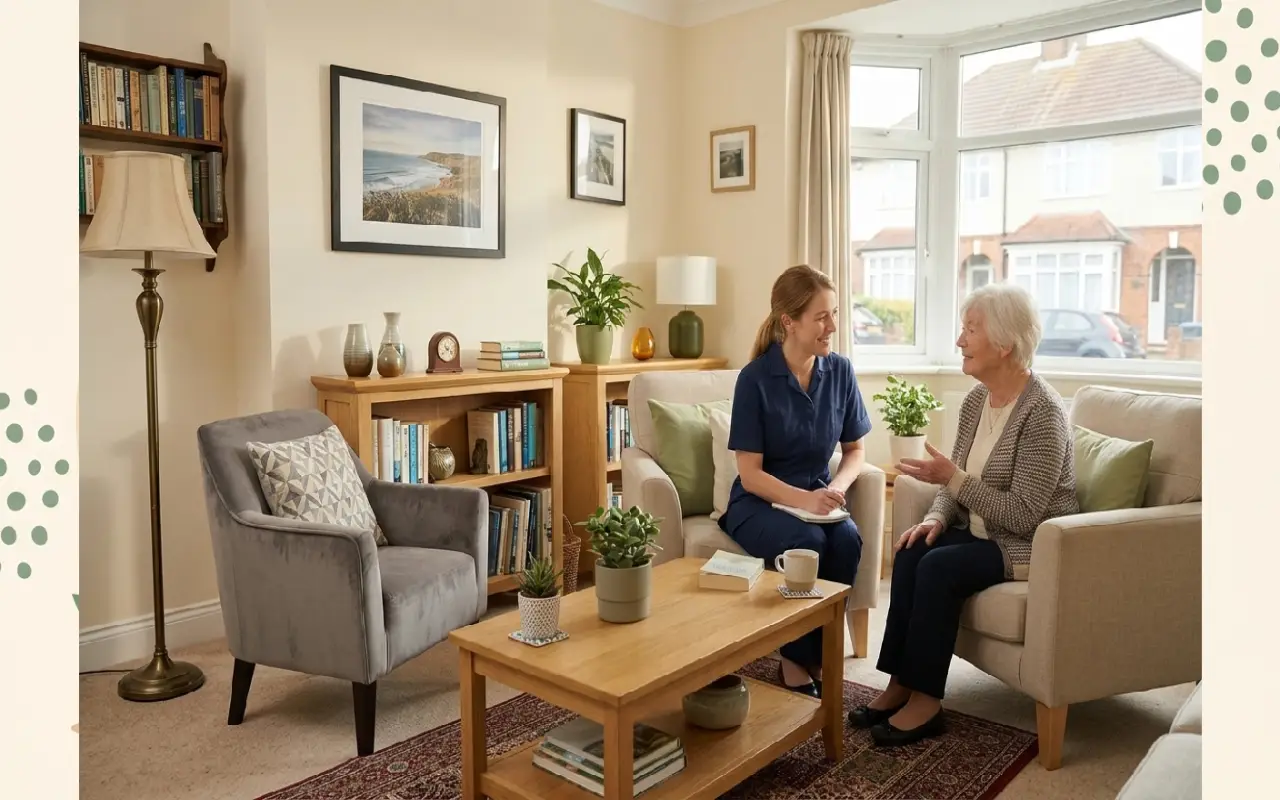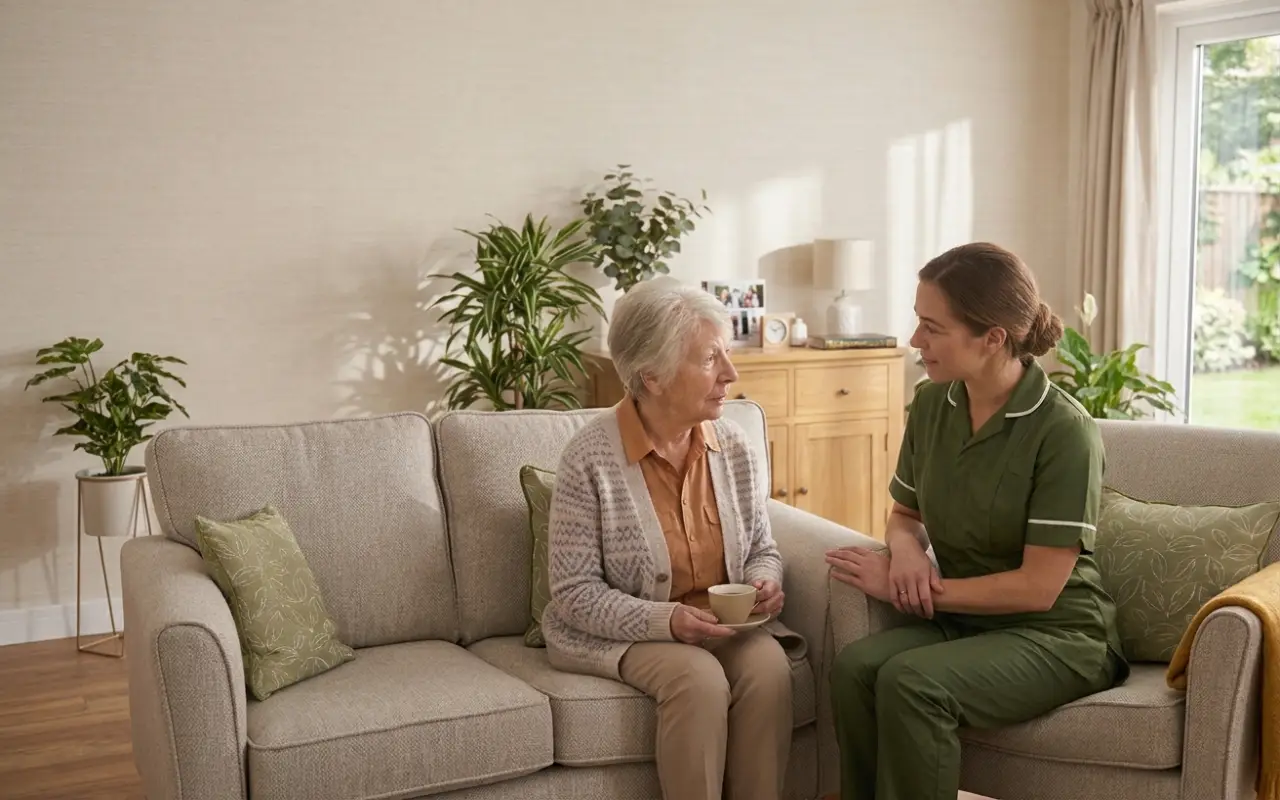


A person does not have to be elderly, disabled or living in a care home to experience vulnerability. Sometimes, an illness, dependence on others or difficult personal circumstances can increase someone’s risk of harm.
A vulnerable adult is generally someone whose care needs or personal circumstances may make it harder for them to protect themselves from abuse, neglect or exploitation. In England, the Care Act 2014 sets out specific criteria for adults who may require a local authority safeguarding enquiry.
Understanding who is a vulnerable adult is particularly important for care workers, healthcare professionals, support staff and family carers. However, vulnerability is not always permanent, and having a disability or medical condition does not automatically mean someone needs safeguarding intervention.
This guide explains the legal definition, practical examples and important distinctions under UK safeguarding frameworks.
Vulnerability, Abuse & Safeguarding
What Is the Legal Definition of a Vulnerable Adult in the UK?
The term vulnerable adult has appeared in UK legislation and safeguarding policies for many years. However, there is no single definition that applies identically across every legal and professional context in the UK.
In England, modern adult safeguarding practice commonly uses the expression adult at risk, particularly when describing people who may meet the safeguarding criteria under the Care Act 2014.
An adult may experience vulnerability because of their health, living circumstances, care needs or relationships with others. Whether they meet particular statutory safeguarding criteria depends on their individual situation.
Vulnerable Adult vs Adult at Risk: What’s the Difference?
Although these terms are sometimes used interchangeably, they are not identical in every context.
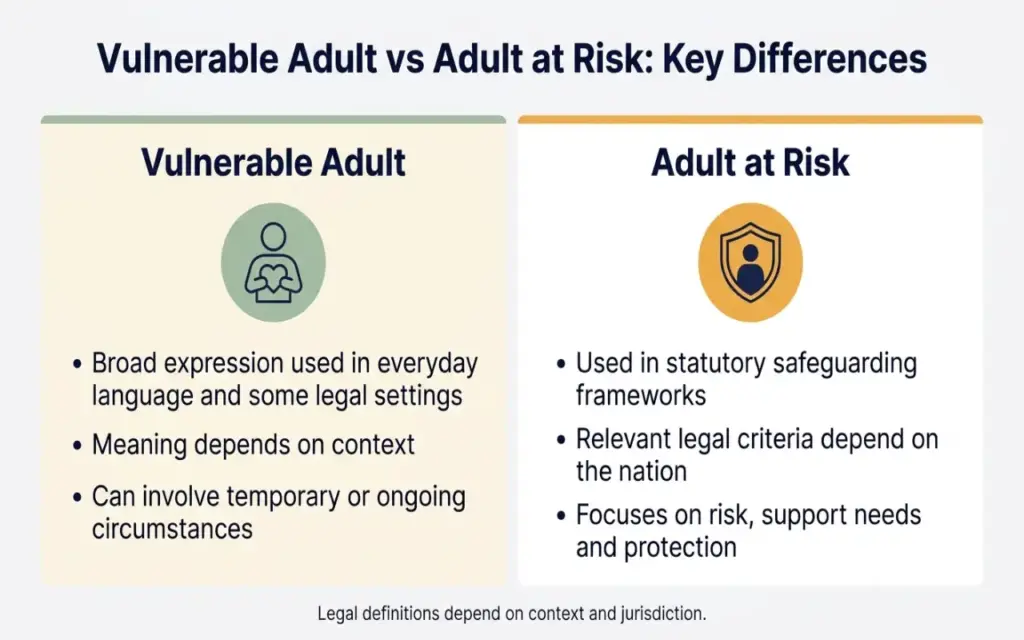
| Vulnerable Adult | Adult at Risk |
|---|---|
| A broad term used in everyday language and some legal or professional settings. | A term used in statutory adult safeguarding frameworks. |
| Can describe someone experiencing circumstances that increase vulnerability. | Has a specific meaning within the relevant safeguarding legislation or policy. |
| Does not have one universal definition across the UK. | Requires consideration of the applicable legal criteria. |
| May refer to temporary or longer-term vulnerability. | Focuses on relevant circumstances, risks and protection needs. |
For example, someone recovering from major surgery may be more dependent on others temporarily. However, this does not automatically mean they meet the statutory criteria for a safeguarding enquiry.
England’s Care and support statutory guidance explains how local authorities and relevant organisations should approach safeguarding adults with care and support needs.
The important point is that vulnerability should be considered individually, rather than assumed from someone’s age, diagnosis or appearance.
Who Is Classed as a Vulnerable Adult Under the Care Act 2014?
In England, the Care Act 2014 provides an important legal framework for identifying adults who may need safeguarding intervention.
Under Section 42 of the Care Act 2014, a local authority must make, or arrange, appropriate enquiries when it has reasonable cause to suspect that an adult in its area meets three conditions.
The Three Care Act Safeguarding Criteria
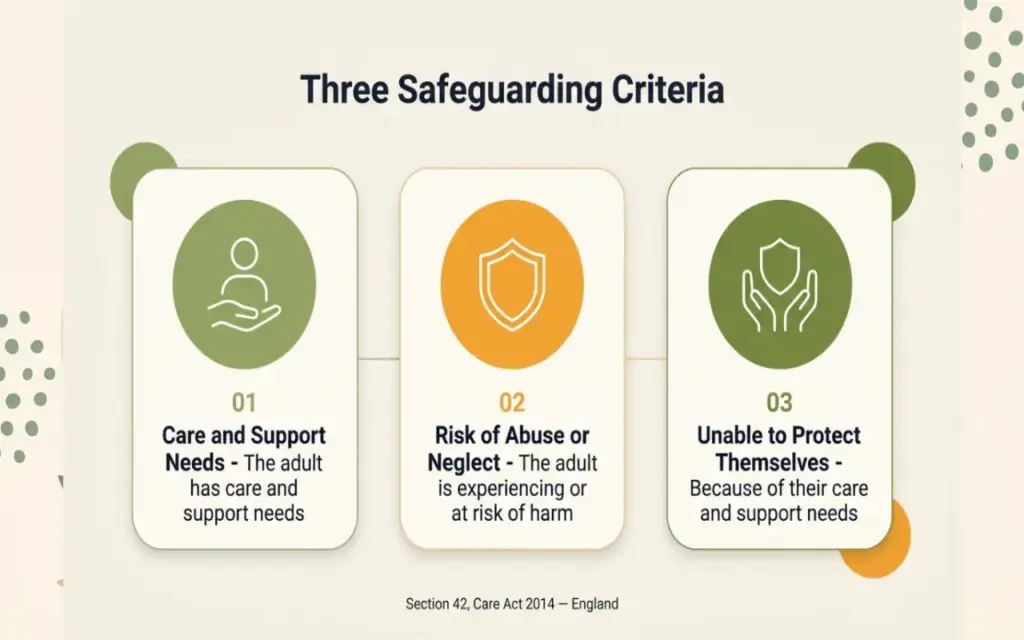
- The adult has care and support needs
The person requires some form of care or support because of their circumstances. These needs may exist whether or not the local authority currently provides assistance.
- The adult is experiencing, or is at risk of, abuse or neglect
There is a concern about possible harm, such as mistreatment, financial exploitation, neglect or another form of abuse.
- The adult cannot protect themselves because of those care and support needs
Their care and support needs affect their ability to protect themselves from the abuse, neglect or associated risk.
All three conditions are relevant to the Section 42 safeguarding enquiry duty.
These criteria do not mean that every person who experiences harm must have care needs before anyone can help them. They establish a particular statutory responsibility for local authorities.
What Do These Criteria Mean in Practice?
Consider an older adult who needs assistance with daily activities. A person responsible for helping them begins taking money from their bank account without permission.
If the adult’s care needs make it difficult for them to protect themselves from this exploitation, the circumstances may meet the Section 42 criteria.
This example shows why recognising different forms of abuse and neglect matters when considering safeguarding risks.
Importantly, professionals must consider the individual circumstances rather than automatically deciding that someone meets the legal criteria.
Examples of Vulnerable Adults in Everyday Situations
Vulnerability can arise in different environments, including hospitals, care homes, supported accommodation and someone’s own home.
The following vulnerable adult examples demonstrate how personal circumstances and safeguarding risks may overlap.
Older Adults Needing Care or Support
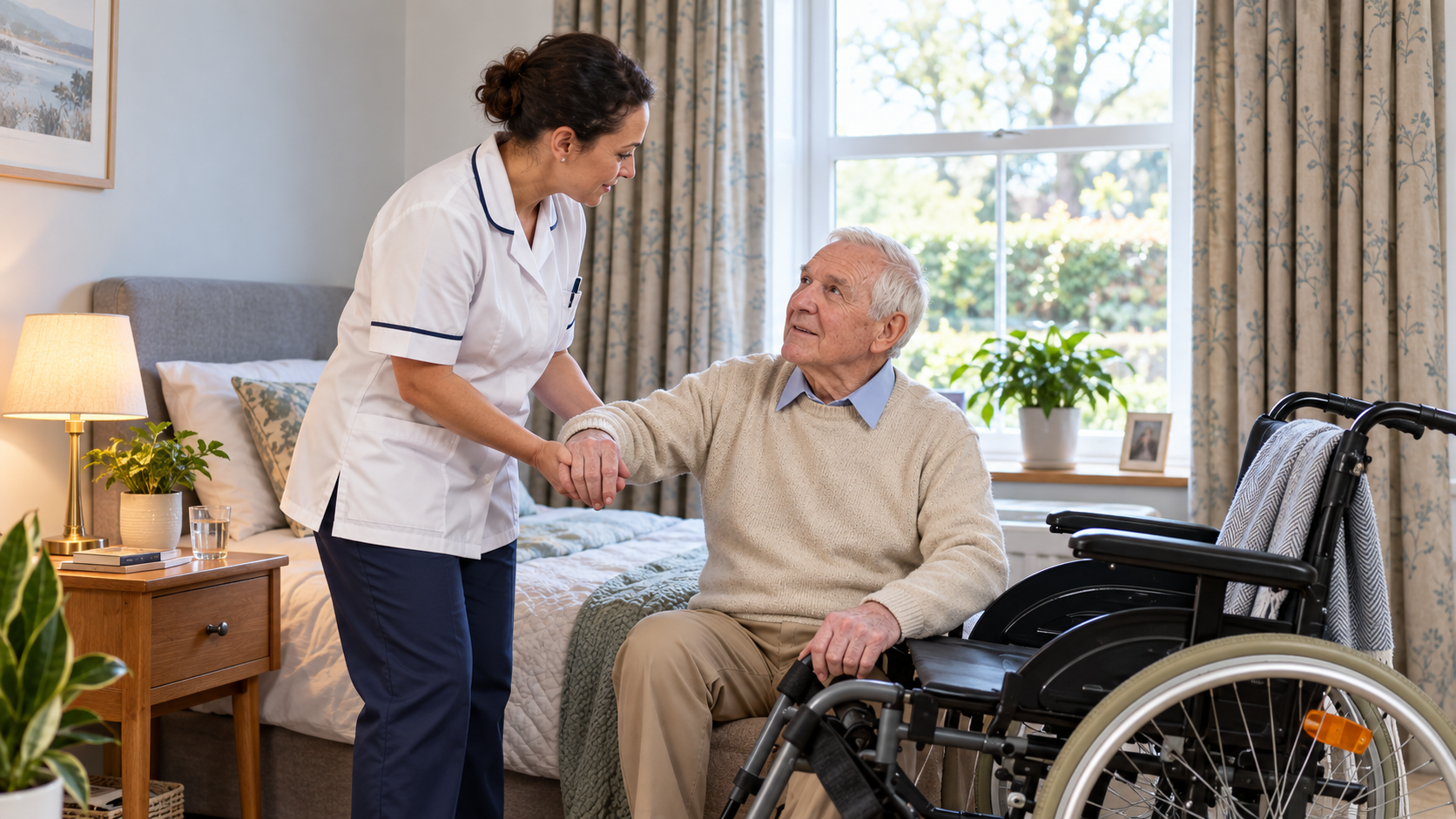
An older person may need help with washing, dressing, medication or preparing meals. If they depend heavily on another individual, they could face additional difficulties protecting themselves from mistreatment.
For example, an adult receiving home care might be left without essential assistance for long periods. If their care needs prevent them from addressing the situation independently, there may be a safeguarding concern.
However, older age alone does not make someone a vulnerable adult under the Care Act criteria.
Many older people live independently, manage their finances and make informed decisions without additional assistance.
Adults With Disabilities or Long-Term Conditions
Some adults with physical disabilities, learning disabilities or long-term medical conditions have care and support needs.
For example, a person with limited mobility may rely on someone else for essential daily activities. If that individual deliberately withholds assistance or exploits the person’s dependence, safeguarding intervention may be necessary.
Similarly, an adult with a learning disability might experience coercion from someone who controls access to their money or support.
The crucial consideration is how the person’s needs affect their ability to protect themselves from the particular risk.
Disability itself does not establish that someone lacks independence or decision-making ability.
Adults Living With Dementia or Serious Illness
Dementia and serious illnesses can affect a person’s support needs, communication or ability to manage particular situations.
Imagine someone living with dementia who needs regular assistance with food, medication and personal care. If essential care is repeatedly withheld, their circumstances could raise safeguarding concerns.
However, dementia does not automatically remove a person’s right or ability to make decisions.
A person’s abilities may vary depending on the particular decision and their circumstances.
Adults Experiencing Temporary or Situational Vulnerability
Vulnerability is not always linked to a permanent medical condition.
Someone experiencing bereavement, serious illness, isolation or significant personal difficulties may temporarily become more susceptible to harm.
The Nursing and Midwifery Council’s guidance on vulnerability factors recognises that individual circumstances and relationships can increase vulnerability, even when someone does not meet a narrower safeguarding definition.
For example, an adult recovering from an operation may temporarily depend on others for practical support. Another person might struggle to seek help because of social isolation or communication difficulties.
These circumstances deserve consideration, but they do not automatically establish that the person meets the Care Act Section 42 criteria.
Examples at a Glance
| Situation | Possible Safeguarding Concern |
|---|---|
| An older person dependent on essential home care | Neglect or exploitation |
| An adult with a disability relying on another person | Coercion or withheld support |
| Someone with dementia requiring daily assistance | Neglect or financial abuse |
| An adult recovering from serious illness | Increased dependence and potential exploitation |
| A socially isolated person experiencing pressure from others | Possible coercion or manipulation |
These examples illustrate potential risks, not automatic legal classifications.
Who Is Not Automatically Considered a Vulnerable Adult?
One common misunderstanding is that certain groups of people are always vulnerable.
In reality, a person’s age, disability or diagnosis does not automatically establish that they meet statutory safeguarding criteria.
Does Age, Disability or Illness Automatically Make Someone Vulnerable?
No. Consider these situations:
- An independent older adult who manages their own care, finances and daily activities.
- A person with a physical disability who makes their own decisions and can protect themselves from relevant risks.
- Someone experiencing a temporary illness who receives appropriate support and is not at risk of abuse or neglect.
Any of these individuals could experience vulnerability in particular circumstances, but their characteristics alone are insufficient to establish the Section 42 criteria.
Can a Vulnerable Adult Have Mental Capacity?
Yes. Being vulnerable does not automatically mean lacking mental capacity.
Under the Mental Capacity Act 2005, a person must be presumed to have capacity unless it is established otherwise. Capacity is considered in relation to a particular decision.
Someone may therefore understand their choices and make their own decisions while still experiencing abuse, coercion or neglect.
Where restrictions on someone’s freedom are being considered, care staff must also understand the safeguards around restrictions on liberty.
Mental capacity, personal independence and safeguarding risk should be considered separately rather than treated as interchangeable concepts.
Does the Definition of a Vulnerable Adult Differ Across the UK?
Adult safeguarding arrangements are not identical throughout the United Kingdom.
Although the overall purpose is to protect people from harm, the legal definitions and responsibilities vary between nations.
| UK Nation | Relevant Safeguarding Framework |
|---|---|
| England | Care Act 2014, Section 42 |
| Wales | Social Services and Well-being (Wales) Act 2014, Section 126 |
| Scotland | Adult Support and Protection (Scotland) Act 2007 |
| Northern Ireland | Adult Safeguarding: Prevention and Protection in Partnership |
In England and Wales, the relevant provisions focus on adults with care and support needs who face abuse or neglect and cannot protect themselves because of those needs.
Scotland’s Adult Support and Protection legislation uses a distinct three-point test. Its adult protection framework can apply to people aged 16 and over who meet the relevant conditions.
Northern Ireland’s adult safeguarding policy considers how personal characteristics and life circumstances may increase someone’s exposure to harm.
Therefore, care workers and organisations should follow the safeguarding framework and procedures applicable to their location.
How Can You Recognise When an Adult May Be at Risk?
Recognising vulnerability requires attention to someone’s circumstances, wellbeing and ability to access appropriate support.
Possible indicators include:
- Unexplained changes in behaviour, confidence or emotional wellbeing.
- Appearing frightened or uncomfortable around a particular person.
- Being prevented from speaking privately or contacting others.
- Unusual financial activity or unexplained loss of money.
- Essential care needs not being met.
- Increasing isolation or dependence combined with concerns about mistreatment.
These signs do not necessarily prove abuse or establish that someone meets statutory safeguarding criteria. However, they may indicate that further consideration or support is needed.
Care workers should pay attention to patterns, listen to the individual and avoid making assumptions.
What Should You Do if You Are Worried About a Vulnerable Adult?
If you believe an adult may be experiencing abuse or neglect, respond calmly and take the concern seriously.
The appropriate action depends on the circumstances, your responsibilities and the safeguarding arrangements in your area.
A sensible initial approach is to:
- Consider immediate safety. If someone is in immediate danger, contact emergency services.
- Listen without pressure. Allow the adult to explain their concerns without asking leading questions.
- Record relevant information. If you are acting professionally, document the concern factually according to workplace procedures.
- Report appropriately. Follow your organisation’s safeguarding procedure or contact the relevant local authority adult safeguarding service.
- Respect the adult’s involvement. Consider their wishes, rights and preferences when deciding the appropriate response.
In England, the Care Act statutory guidance supports proportionate, person-centred safeguarding responses.
Workplace concerns may also involve raising concerns about unsafe care practices, particularly where poor organisational behaviour or staff conduct creates safeguarding risks.
Safeguarding reporting and whistleblowing are related but distinct processes. Staff should use the appropriate route rather than attempting to investigate allegations themselves.
Why Does Understanding Vulnerability Matter in Health and Social Care?
Understanding who may be vulnerable helps care workers, healthcare assistants, support workers and volunteers recognise when someone might need additional protection.
It also encourages respectful, person-centred care that considers people’s rights, preferences and individual circumstances.
Anyone working in a care-related environment should be familiar with the safeguarding training requirements relevant to their role and employer.
For learners who want to strengthen their knowledge, HF Online offers Safeguarding Vulnerable Adults Training, a CPD-accredited online course covering safeguarding principles, UK legislation, recognising abuse, professional responsibilities, communication and reporting concerns.
The course supports professional development and provides a CPD certificate following successful completion. It is not a regulated professional qualification or a licence to practise, and it does not replace workplace safeguarding procedures.
Final Thoughts
Understanding who is a vulnerable adult means looking beyond labels and considering someone’s care needs, circumstances and exposure to harm.
In England, the Care Act 2014 provides specific criteria for safeguarding enquiries. Elsewhere in the UK, the relevant legal framework may differ.
Recognising vulnerability while respecting independence, dignity and personal choice is an important part of responsible care.
If you are considering further professional development, it may help to review what adult safeguarding courses cover before choosing a suitable learning option.
Frequently Asked Questions
Adult at risk is widely used in contemporary safeguarding practice. However, terminology varies according to the applicable legislation and professional context. The term vulnerable adult has not disappeared entirely.
In England, people under 18 generally fall under children's safeguarding frameworks. Scotland's adult protection legislation is different because its statutory adult-at-risk provisions can apply from age 16.
Yes. An adult may have mental capacity and still be at risk of harm. Vulnerability does not automatically remove someone's right or ability to make decisions.
Yes. Serious illness, recovery from surgery or difficult personal circumstances may temporarily increase someone's vulnerability. Whether statutory safeguarding criteria apply depends on the individual situation.
Not automatically. Living alone may contribute to isolation or practical difficulties, but it does not, by itself, establish that someone meets the Care Act safeguarding criteria.
Table of Contents