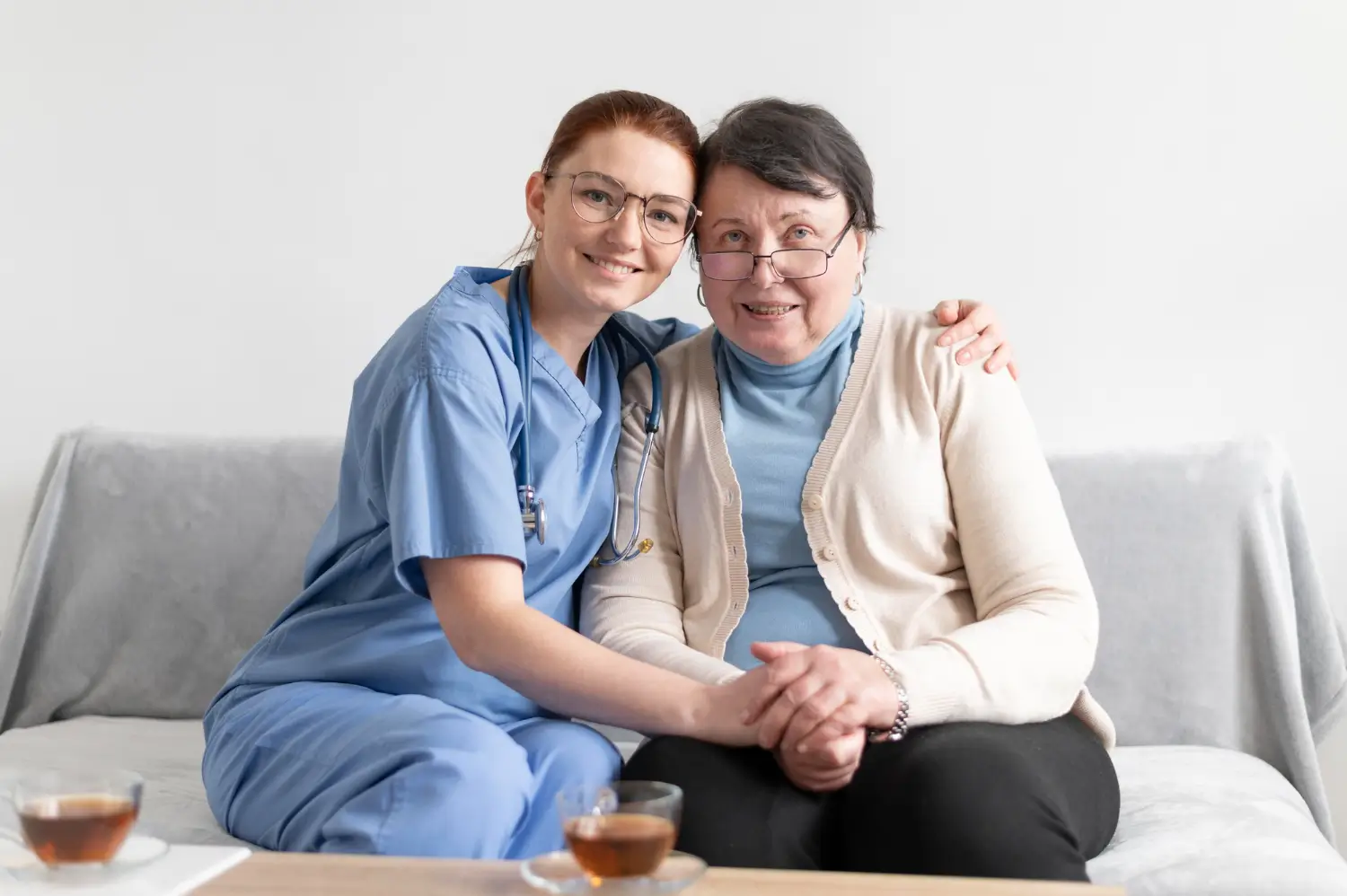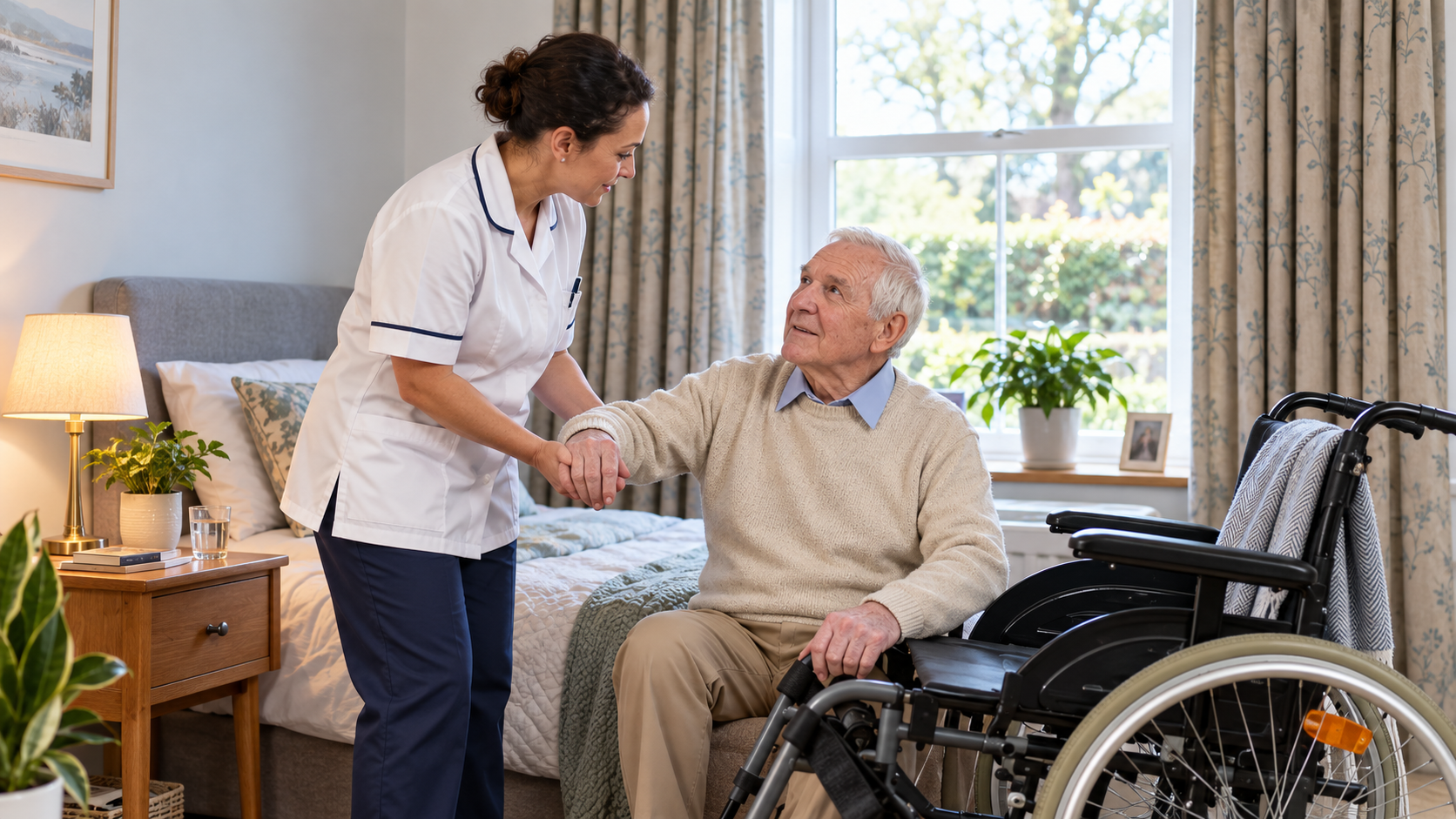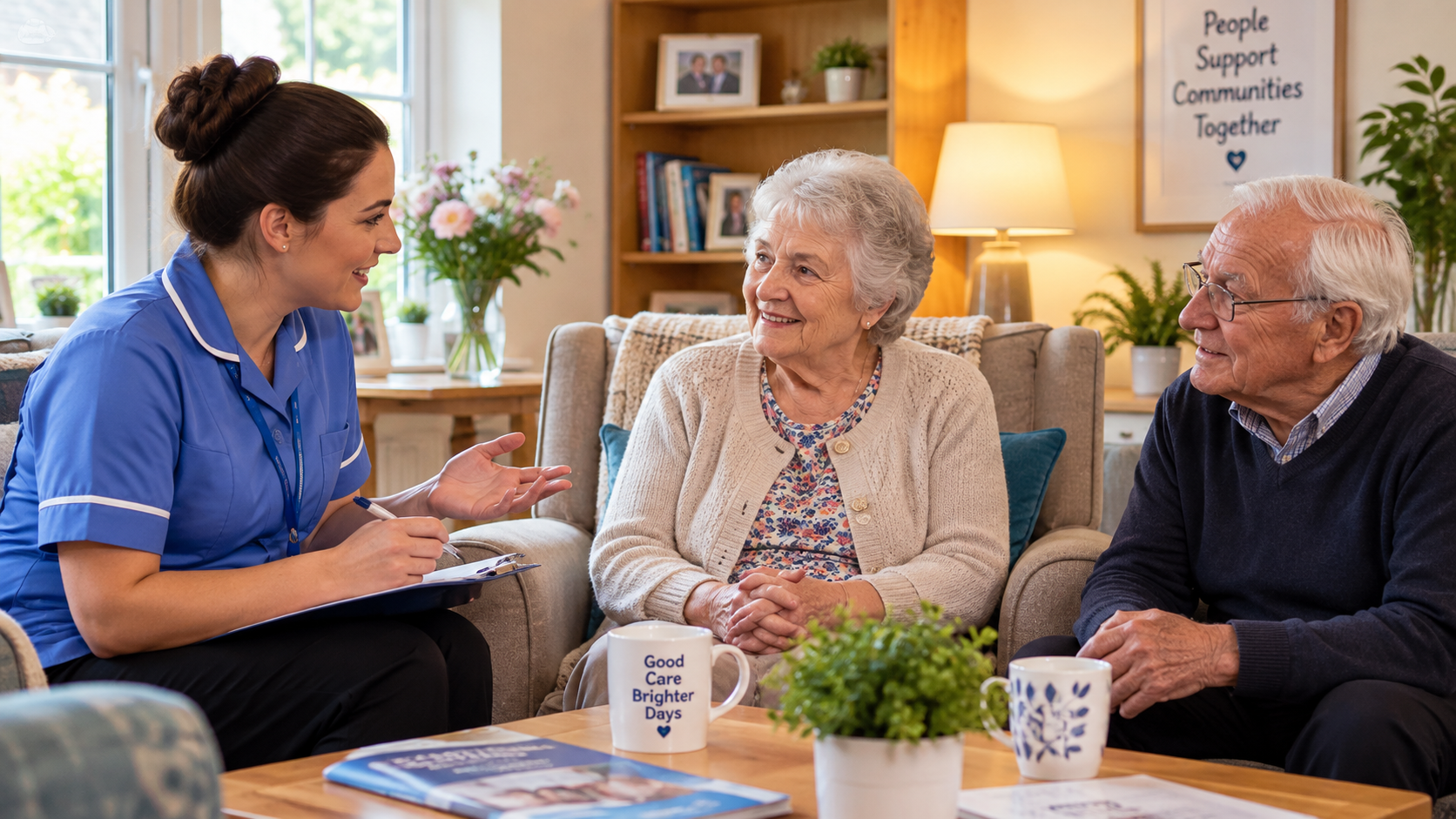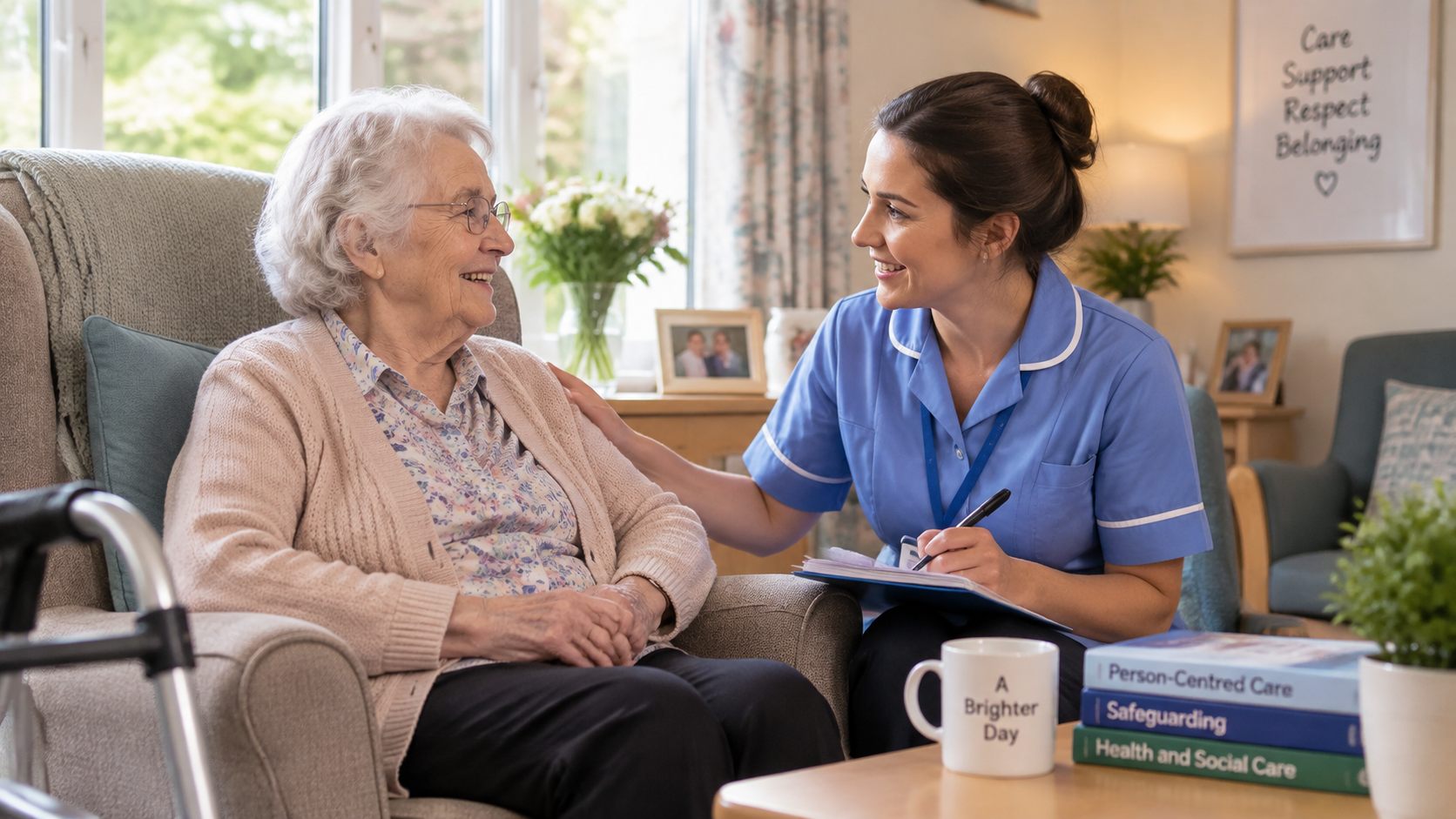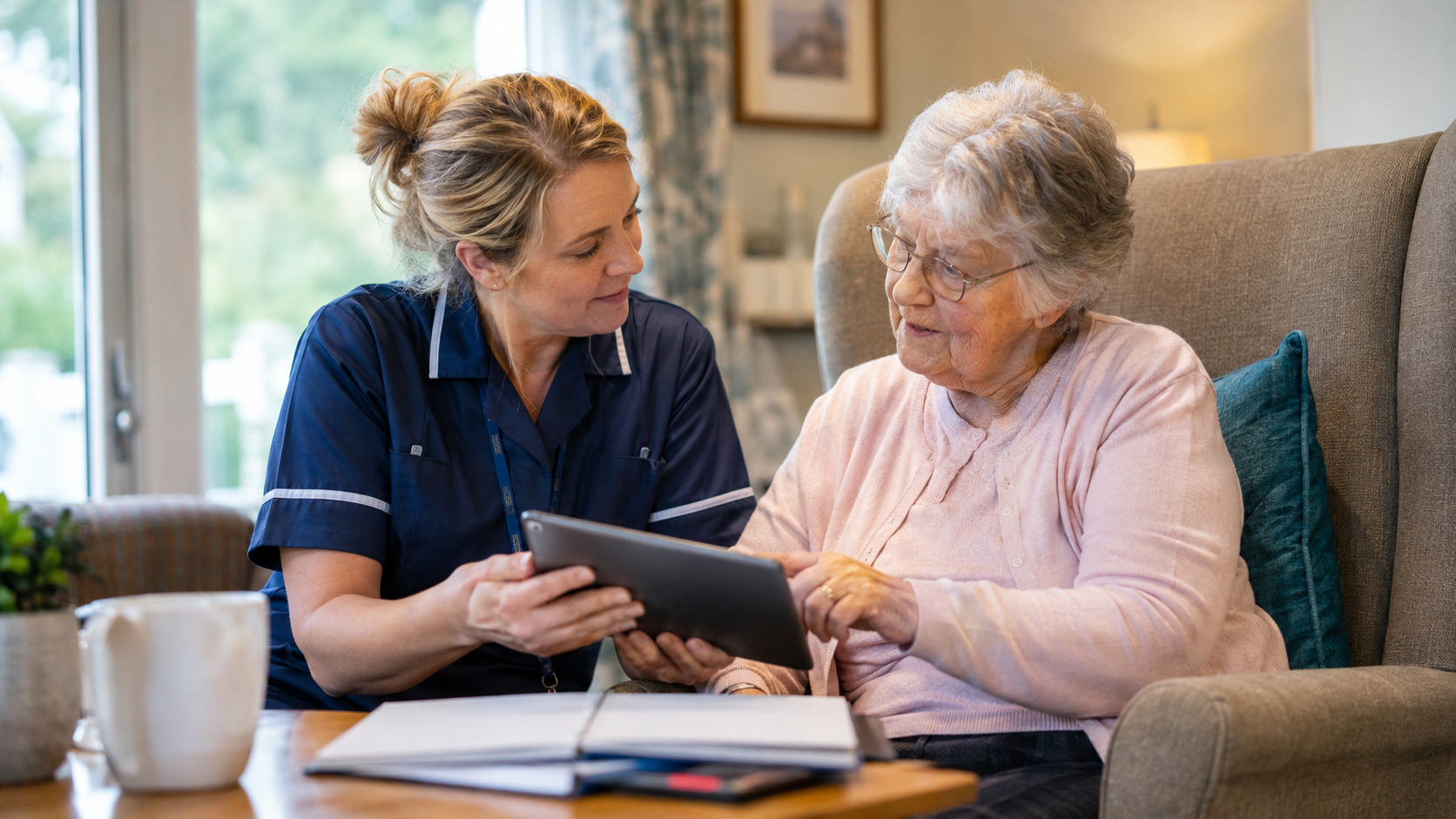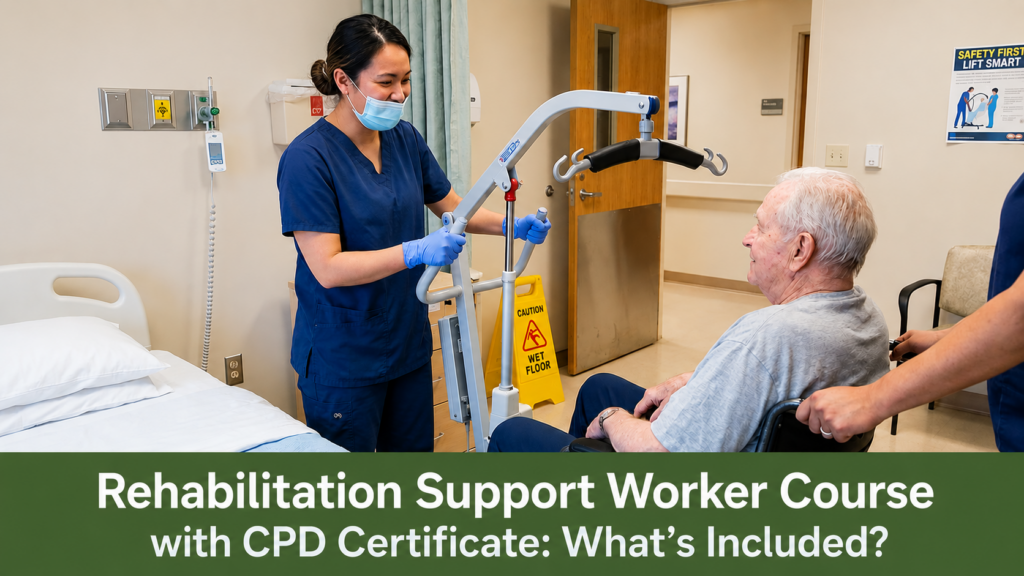


A Rehabilitation Support Worker Course with CPD Certificate can help learners understand how rehabilitation teams support people recovering from illness, injury, disability or changes in their independence. It introduces the knowledge, communication skills and professional awareness needed to support individuals while working alongside wider health and social care teams.
A rehabilitation support worker course usually covers key areas such as person-centred care, rehabilitation principles, safeguarding, communication, mobility support, health awareness and promoting independence. It is designed for people who want to develop their understanding of rehabilitation support and explore career opportunities within health and social care.
The demand for skilled care professionals continues to grow across the UK, creating interest in roles that help people maintain independence and improve their quality of life. This guide explains what rehabilitation support workers do, what training involves, the skills learners can develop, how CPD certification works and how specialist rehabilitation training can support your career goals.
What Is a Rehabilitation Support Worker Course?

A rehabilitation support worker course is an online training programme designed to help learners understand how individuals can be supported during recovery, rehabilitation and independence-building journeys. The course focuses on the principles behind rehabilitation support, including person-centred approaches, communication, safeguarding responsibilities and working effectively within care environments.
Rehabilitation support workers play an important role in helping people manage changes caused by illness, injury, disability or long-term health conditions. They often provide encouragement, practical assistance and emotional support while helping individuals work towards personal goals identified by healthcare professionals and support teams.
Unlike clinical qualifications that prepare professionals for regulated healthcare roles, a CPD-focused rehabilitation support worker course is designed to build knowledge, confidence and professional understanding. It can be particularly valuable for people exploring healthcare careers, existing care workers looking to expand their knowledge, or individuals interested in specialist areas such as neurological rehabilitation, community support or reablement.
Modern rehabilitation is not only about helping someone recover physically. It also focuses on supporting confidence, independence, communication, emotional wellbeing and participation in everyday life. Because of this, rehabilitation support workers need a broad understanding of the person behind the condition, not just the care task being completed.
What Does a Rehabilitation Support Worker Do?
A rehabilitation support worker helps individuals regain confidence, maintain independence and participate in daily activities following illness, injury or disability. They support rehabilitation plans, encourage progress, communicate with care teams and provide person-centred assistance based on each individual’s needs.
The exact responsibilities of a rehabilitation support worker can vary depending on the workplace, employer and the people they support. Some may work in hospitals, while others support individuals in community settings, residential care environments or their own homes.
Although rehabilitation support workers do not replace qualified healthcare professionals, they often work alongside occupational therapists, physiotherapists, nurses, social workers and other members of a multidisciplinary team. Their role is to provide consistent support that helps individuals achieve agreed goals and maintain their wellbeing.
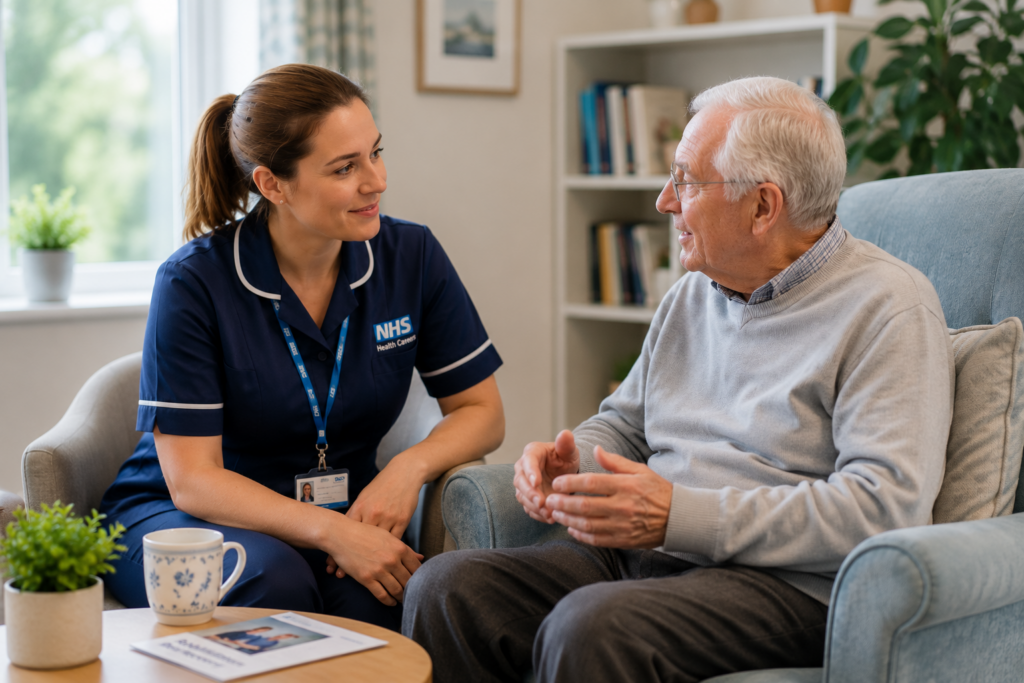
Supporting People to Regain Independence
One of the main aims of rehabilitation support work is helping individuals become as independent as possible.
A person may need rehabilitation support after:
- A stroke
- An accident or injury
- Surgery or hospital treatment
- A neurological condition
- A change in physical ability
- A long-term health condition
- A period of reduced independence
Support workers may help individuals develop confidence with everyday activities such as preparing meals, managing routines, participating in community activities or adapting to changes in their abilities.
The focus is not simply completing tasks for someone. Effective rehabilitation support encourages individuals to participate actively, make choices and develop confidence wherever possible.
This approach reflects the wider principles of person-centred care used throughout UK health and social care services, where individual preferences, dignity and independence remain central to support planning.
Working Alongside Healthcare Professionals
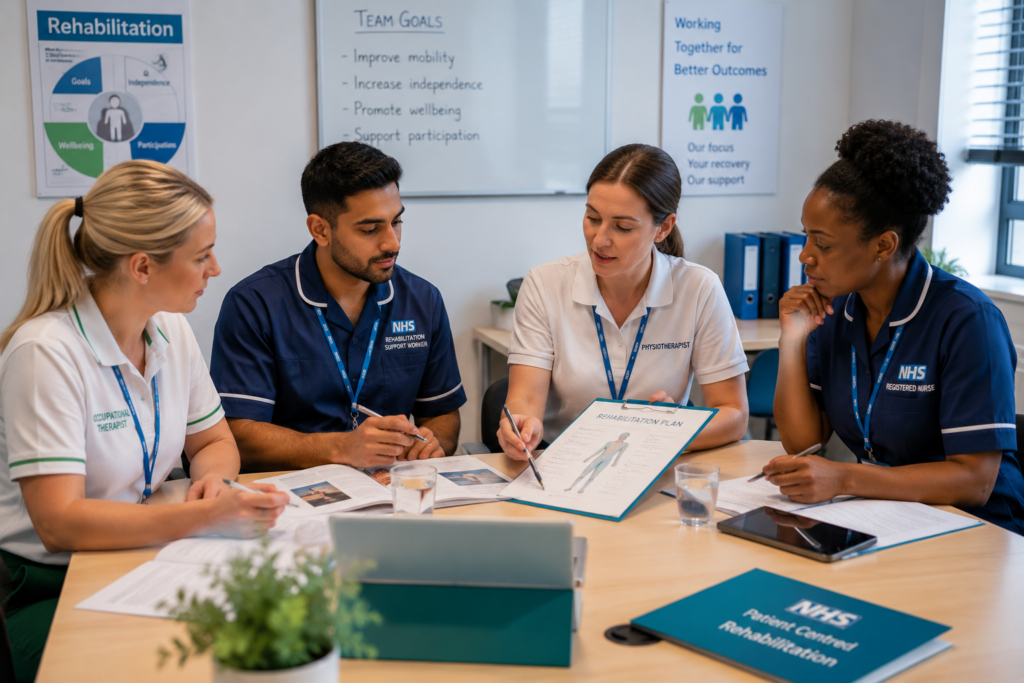
Rehabilitation support workers are often part of a wider team working towards the same goal: helping an individual achieve the best possible quality of life.
They may communicate with professionals such as:
- Physiotherapists
- Occupational therapists
- Nurses
- Social workers
- Speech and language therapists
- Care coordinators
- Rehabilitation specialists
For example, a physiotherapist may develop a rehabilitation plan following an injury, while a rehabilitation support worker may help encourage the individual to follow agreed activities safely and report progress or concerns back to the wider team.
Strong communication is essential because rehabilitation often involves multiple professionals, family members and support networks working together.
A good rehabilitation support worker understands the importance of accurate communication, professional boundaries and sharing relevant information appropriately.
Supporting Physical and Emotional Recovery
Recovery is not only physical. Many people experiencing illness, injury or disability also face emotional challenges.
A rehabilitation support worker may support individuals who are dealing with:
- Reduced confidence
- Frustration during recovery
- Anxiety about independence
- Changes to their daily routine
- Emotional effects of illness or injury
Building trust and providing encouragement can be an important part of rehabilitation support.
For example, someone recovering after a stroke may need support adjusting to changes in communication, movement or daily activities. Someone living with a long-term condition may need encouragement to remain involved in activities that support their wellbeing.
Understanding these personal experiences helps rehabilitation support workers provide compassionate, respectful and effective support.
Providing Safe and Person-Centred Support
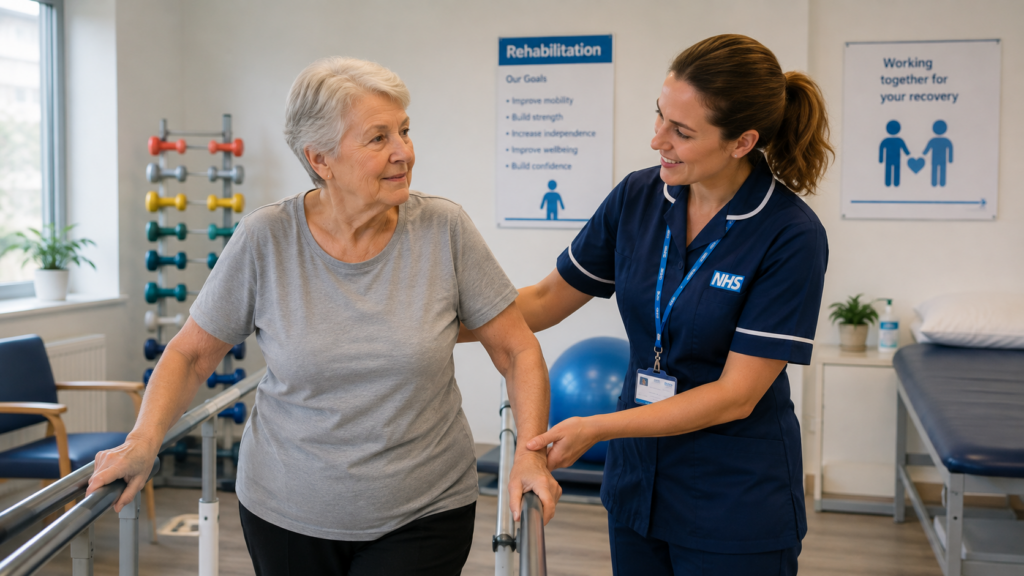
Person-centred care is at the heart of rehabilitation support.
This means understanding:
- What matters to the individual
- Their personal goals
- Their preferences and choices
- Their strengths and abilities
- The support they need to remain independent
A rehabilitation support worker should always respect dignity, privacy and confidentiality while following workplace procedures and professional responsibilities.
Key areas of safe support include:
- Maintaining professional boundaries
- Understanding safeguarding responsibilities
- Recognising when concerns need reporting
- Respecting consent and choice
- Following agreed care and support plans
These skills are essential because rehabilitation involves supporting people during some of the most challenging periods of their lives.
Where Do Rehabilitation Support Workers Work?
Rehabilitation support workers can work across a range of health and social care settings.
Common workplaces include:
Hospitals
In hospital environments, rehabilitation support workers may support individuals recovering after surgery, illness, injury or medical treatment. They often work alongside clinical teams to help patients prepare for greater independence.
Community Rehabilitation Services
Community-based rehabilitation focuses on helping people continue their recovery outside hospital settings. Support workers may visit individuals in their homes or community environments to provide ongoing assistance.
Care Homes and Supported Living Services
Some individuals require longer-term support because of disability, neurological conditions or changes in independence. Rehabilitation-focused approaches can help residents maintain skills and quality of life.
Specialist Rehabilitation Services
Some roles focus on specific areas such as:
- Brain injury rehabilitation
- Stroke recovery
- Physical disability support
- Mental health rehabilitation
- Long-term condition support
Each environment has different responsibilities, but the core purpose remains the same: helping individuals achieve greater independence and wellbeing.
How Do You Become a Rehabilitation Support Worker in the UK?
There is no single route to becoming a rehabilitation support worker in the UK. Entry requirements vary depending on the employer, workplace and level of responsibility involved.
Many people begin their journey by developing knowledge of health and social care, gaining relevant experience and completing suitable training.
A typical pathway may include:
Step 1: Understand the Rehabilitation Support Worker Role
Before applying for roles, it is important to understand what rehabilitation support work involves.
This includes learning about:
- Person-centred care
- Rehabilitation principles
- Supporting independence
- Communication
- Safeguarding
- Professional responsibilities
Understanding the role helps learners decide whether this career pathway matches their interests and strengths.
Step 2: Develop Relevant Knowledge and Skills
Training can help learners build awareness of important areas within rehabilitation support.
Relevant learning areas may include:
- Health and social care principles
- Safeguarding adults
- Communication skills
- Mental health awareness
- Disability support
- Rehabilitation approaches
- Equality and inclusion
A Rehabilitation Support Worker Job Ready Programme with Career Guidance can provide structured learning focused on the knowledge areas relevant to this type of role.
For learners who want broader healthcare knowledge, a Level 3 Health and Social Care Diploma can provide a wider foundation covering essential care responsibilities, communication and professional practice.
Step 3: Gain Experience in Care or Support Environments
Experience can help develop confidence and understanding of working with individuals who need support.
Relevant experience may come from:
- Care assistant roles
- Healthcare support roles
- Volunteering
- Community support work
- Support worker positions
Employers may look for evidence that candidates understand compassion, communication, reliability and professional responsibility.
Step 4: Apply for Suitable Rehabilitation Support Worker Roles
Once learners have developed relevant knowledge and experience, they can explore opportunities across:
- NHS services
- Private healthcare providers
- Charities
- Community care organisations
- Supported living providers
Job requirements vary, so candidates should always check the specific skills, qualifications and experience requested by each employer.
What Skills Does a Rehabilitation Support Worker Need?
Successful rehabilitation support workers combine practical awareness with strong interpersonal skills. Supporting people through recovery requires patience, communication and the ability to understand individual needs.
Important skills include:
Communication Skills
Rehabilitation support workers communicate with individuals, families and healthcare teams. Clear communication helps ensure support is consistent and person-centred.
Empathy and Patience
Recovery can take time. Support workers need to understand challenges, encourage progress and provide reassurance.
Observation Skills
Recognising changes in someone’s condition, mood or abilities can help ensure concerns are identified and shared appropriately.
Teamwork
Rehabilitation involves collaboration. Support workers need to work effectively with healthcare professionals and wider care teams.
Safeguarding Awareness
Understanding how to recognise and report concerns helps protect vulnerable individuals.
Organisation and Record Keeping
Accurate notes and communication support safe, coordinated care.
Emotional Resilience
Supporting people through difficult life changes requires professionalism, compassion and emotional awareness.
What Is Included in a Rehabilitation Support Worker Course?
A comprehensive rehabilitation support worker course usually includes learning areas that develop an understanding of how people can be supported after illness, injury, disability or changes in their physical or emotional wellbeing.
Common topics include:
- Rehabilitation principles and recovery approaches
- Person-centred care
- Communication in care settings
- Safeguarding adults
- Mental health awareness
- Disability support
- Mobility and independence
- Professional boundaries
- Equality and inclusion
- Health and safety responsibilities
- Working with multidisciplinary teams
These topics help learners understand the relationship between rehabilitation, care and independence. Rather than focusing only on individual tasks, rehabilitation support training explores how support workers can encourage people to participate in their own recovery journey.

Rehabilitation Principles and Recovery Support
Rehabilitation is focused on helping individuals achieve the highest possible level of independence after experiencing a change in their health, abilities or circumstances.
A rehabilitation support worker course introduces learners to key rehabilitation concepts, including:
- Understanding individual recovery goals
- Supporting independence
- Encouraging participation
- Recognising personal strengths
- Promoting confidence
- Understanding recovery-focused approaches
Every person’s rehabilitation journey is different. Someone recovering from an injury may have different needs from someone living with a neurological condition or adapting to a long-term disability.
Because of this, rehabilitation support workers need to understand that effective support is personalised. The aim is not simply to complete tasks for individuals but to encourage involvement, confidence and progress wherever possible.
Person-Centred Care and Support Planning
Person-centred care is one of the most important foundations of health and social care.
A rehabilitation support worker course explores how support should be built around the individual rather than only around their condition or diagnosis.
Learners develop awareness of:
- Respecting personal choices
- Understanding individual needs
- Supporting dignity and independence
- Involving people in decisions about their care
- Recognising personal goals and preferences
- Providing respectful and inclusive support
For example, two people recovering from similar injuries may have completely different rehabilitation goals. One person may want to return to work, while another may prioritise managing everyday activities independently.
Person-centred rehabilitation recognises these differences and focuses on what matters most to the individual.
Communication Skills in Rehabilitation Settings
Communication is a core skill for any rehabilitation support worker.
People receiving rehabilitation support may experience communication difficulties due to illness, injury, disability, neurological conditions or emotional challenges. Learning how to communicate effectively helps create trust and improves the quality of support provided.
A rehabilitation support worker course may cover:
Active Listening
Active listening involves paying attention to what a person says, understanding their concerns and responding appropriately.
Supporting Different Communication Needs
Some individuals may communicate differently because of:
- Speech difficulties
- Cognitive changes
- Hearing loss
- Learning disabilities
- Emotional distress
Support workers need awareness of different communication approaches and the importance of patience.
Professional Communication
Rehabilitation support workers also communicate with:
- Families
- Healthcare professionals
- Care coordinators
- Support teams
Clear communication helps ensure important information is shared appropriately and that individuals receive consistent support.
Safeguarding Adults and Duty of Care
Safeguarding is a fundamental responsibility within health and social care.
A rehabilitation support worker course should include an understanding of how to recognise concerns, respond appropriately and protect individuals who may be vulnerable.
Key safeguarding topics include:
- Recognising signs of abuse or neglect
- Understanding safeguarding responsibilities
- Reporting concerns correctly
- Maintaining professional boundaries
- Understanding consent
- Respecting individual rights
Learners should understand that safeguarding is not only about responding to serious concerns. It is also about creating environments where individuals feel respected, listened to and safe.
A rehabilitation support worker may spend significant time with individuals, meaning they can play an important role in noticing changes in behaviour, wellbeing or circumstances.
Mobility Support and Rehabilitation Awareness
Many rehabilitation support roles involve supporting individuals who experience changes in mobility, strength or physical ability.
A rehabilitation support worker course can introduce learners to the principles behind mobility support, including:
- Understanding mobility challenges
- Promoting independence
- Supporting safe movement
- Recognising environmental risks
- Understanding mobility equipment
- Following professional guidance
For example, someone recovering after surgery or illness may need support adapting to changes in their daily routine. A support worker may encourage confidence and independence while following agreed support plans.
It is important to understand that online rehabilitation training develops knowledge and awareness. Workplace procedures, supervision and practical competency assessments may be required before carrying out specific support activities.
Mental Health and Emotional Support
Physical recovery and emotional wellbeing are closely connected.
A person experiencing illness, injury or disability may also experience:
- Anxiety
- Loss of confidence
- Frustration
- Changes in identity
- Reduced independence
- Emotional stress
A rehabilitation support worker course helps learners understand how emotional support forms part of person-centred care.
Important learning areas may include:
- Recognising emotional challenges
- Providing encouragement
- Building trusting relationships
- Understanding mental wellbeing
- Promoting confidence
- Knowing when concerns should be escalated
For example, a person recovering from a stroke may experience frustration due to changes in communication or mobility. A supportive rehabilitation approach considers both physical recovery and emotional adjustment.
Brain Injury and Neurological Rehabilitation Awareness
Many rehabilitation support roles involve supporting people affected by neurological conditions.
A course may introduce learners to areas such as:
- Brain injury rehabilitation
- Stroke recovery
- Cognitive changes
- Memory difficulties
- Communication challenges
- Behavioural changes
- Supporting routines and independence
Neurological rehabilitation often requires patience and consistency because recovery can involve gradual changes over time.
Understanding how conditions may affect thinking, communication, emotions and daily activities helps support workers provide more effective and compassionate care.
Infection Prevention and Health & Safety Responsibilities
Health and safety awareness is essential in every care environment.
A rehabilitation support worker course may cover:
- Infection prevention principles
- Hygiene practices
- Reducing risks within care settings
- Workplace safety responsibilities
- Reporting hazards
- Maintaining safe environments
Infection prevention became a particularly important focus across health and social care following the challenges faced during the COVID-19 pandemic. Today, understanding safe practices remains an essential part of protecting individuals receiving care and the professionals supporting them.
Equality, Diversity and Inclusive Support
Every individual receiving rehabilitation support should be treated with dignity, respect and fairness.
A rehabilitation support worker course explores the importance of inclusive care, including:
- Respecting different backgrounds
- Understanding individual preferences
- Recognising barriers to support
- Promoting equal access
- Avoiding discrimination
- Supporting personal identity
Inclusive rehabilitation means recognising that people have different experiences, abilities and goals.
A person-centred approach considers the whole individual, not only their health condition.
Professional Boundaries and Responsibilities
Rehabilitation support workers often build close relationships with the people they support. However, maintaining professional boundaries is essential.
Training should help learners understand:
- The importance of confidentiality
- Appropriate professional relationships
- Respecting privacy
- Following workplace procedures
- Understanding role limitations
- Working within agreed responsibilities
Knowing what falls within a support worker’s role helps protect both the individual receiving support and the professional providing care.
Professional Documentation and Record Keeping
Accurate documentation supports safe and effective care.
A rehabilitation support worker course may introduce learners to:
- Recording observations
- Writing clear notes
- Sharing relevant information
- Maintaining confidentiality
- Understanding the importance of accurate records
Good record keeping helps care teams understand progress, identify concerns and provide consistent support.
What Skills Can You Develop After Completing a Rehabilitation Support Worker Course?
Completing rehabilitation support worker training can help learners develop a stronger understanding of the knowledge and behaviours needed within rehabilitation-focused care environments.
Key skills and areas of knowledge may include:
- Understanding rehabilitation principles
- Supporting person-centred approaches
- Communicating with individuals and care teams
- Recognising safeguarding responsibilities
- Understanding disability and recovery support
- Promoting independence
- Working within professional boundaries
- Recognising emotional and wellbeing needs
- Understanding multidisciplinary teamwork
- Developing confidence in healthcare discussions
These skills can support further learning, career preparation and professional development within health and social care.
What Does a CPD Certificate Mean?
A CPD certificate for a rehabilitation support worker course confirms that a learner has completed continuing professional development training.
CPD stands for Continuing Professional Development. It refers to learning activities that help individuals maintain and improve their knowledge, skills and professional awareness.
A CPD certificate can demonstrate:
- Commitment to personal development
- Completion of relevant training
- Interest in a specific career area
- Additional learning beyond basic experience
For someone exploring rehabilitation support work, CPD training can provide structured knowledge about the role and the responsibilities involved.
However, it is important to understand what a CPD certificate does and does not represent.
Does a CPD Certificate Qualify You as a Rehabilitation Support Worker?
A CPD certificate demonstrates completion of professional development training, but it does not automatically qualify someone for employment or replace workplace requirements.
A CPD rehabilitation support worker course does not automatically:
- Guarantee a job
- Replace employer induction
- Replace workplace competency assessments
- Provide a professional licence
- Replace regulated qualifications where required
Employers may also consider:
- Previous care experience
- Communication skills
- Safeguarding knowledge
- DBS requirements
- Additional qualifications
- Workplace training
Understanding this difference helps learners choose training that matches their career goals.
CPD Certificate vs Regulated Qualification: What Is the Difference?
The difference between CPD learning and regulated qualifications is important for anyone considering a healthcare career.
CPD Certificate
A CPD certificate:
- Shows completion of professional learning
- Develops knowledge and awareness
- Supports continuing development
- Can strengthen a CV
Regulated Qualification
A regulated qualification:
- Has formal recognition within qualification frameworks
- Usually follows specific assessment requirements
- May be required for certain career pathways
Workplace Training
Many healthcare roles also involve employer-led learning, supervision and practical assessments.
For example, someone starting a care role may complete workplace induction and relevant competency assessments alongside any previous learning.
A rehabilitation support worker course can therefore be a valuable learning step, but learners should always check the requirements of specific employers and job roles.
How Is an Online Rehabilitation Support Worker Course Assessed?
Online rehabilitation support worker courses are usually designed around flexible learning, allowing learners to study around existing commitments.
Assessment methods may include:
- Online quizzes
- Knowledge checks
- Written assessments
- Course activities
- Completion requirements
Before enrolling, learners should check:
- Course structure
- Assessment method
- Certificate details
- Learning support available
- Access period
A clear assessment process helps learners understand what is expected and how successful completion is achieved.
Choosing the Right Rehabilitation Support Worker Training
When comparing rehabilitation support worker courses, learners should consider:
- Whether the curriculum covers relevant rehabilitation topics
- Whether the course clearly explains CPD certification
- Whether career claims are realistic
- Whether the training matches personal goals
- Whether additional career support is included
A specialist programme such as the Rehabilitation Support Worker Job Ready Programme with Career Guidance may suit learners looking for rehabilitation-focused learning combined with career preparation.
For those wanting broader knowledge across adult care, a Level 3 Health and Social Care Diploma can provide a wider foundation covering essential health and social care principles.
Who Is a Rehabilitation Support Worker Course Suitable For?
A rehabilitation support worker course can be suitable for anyone who wants to understand how people are supported during recovery, rehabilitation and independence-focused care. It may benefit beginners exploring healthcare careers, existing care professionals developing specialist knowledge and individuals interested in rehabilitation-related roles.
The course may be suitable for:
People Starting a Career in Health and Social Care
For those entering the care sector, rehabilitation training can provide an introduction to important concepts such as:
- Person-centred care
- Safeguarding
- Communication
- Supporting independence
- Rehabilitation principles
- Professional responsibilities
It can help learners understand what rehabilitation support work involves before applying for relevant roles.
Existing Care Workers Looking to Develop Specialist Knowledge
Many care workers already support individuals with complex needs but want to understand rehabilitation approaches in more depth.
Additional training can help existing professionals strengthen their awareness of:
- Recovery-focused support
- Disability support
- Reablement principles
- Working with multidisciplinary teams
- Promoting independence
Healthcare Assistants and Support Workers
Healthcare assistants and support workers may find rehabilitation-focused learning useful when supporting people recovering from illness, injury or changes in their abilities.
The training can complement workplace experience by helping learners understand the wider purpose behind rehabilitation support.
Career Changers Interested in Healthcare
A rehabilitation support worker course can also be useful for people considering a move into health and social care.
Career changers can use training to:
- Explore whether rehabilitation support matches their interests
- Develop relevant knowledge
- Understand employer expectations
- Prepare for entry-level applications
However, individual employers may have different requirements, so learners should always review job descriptions carefully.
Do You Need Qualifications to Become a Rehabilitation Support Worker?
There is no single qualification route that applies to every rehabilitation support worker role in the UK. Requirements can vary depending on the employer, setting, level of responsibility and the people being supported.
Some employers may value:
- Previous care experience
- Relevant health and social care qualifications
- Communication skills
- Safeguarding knowledge
- Understanding of person-centred care
- Workplace training
For some entry-level positions, employers may provide training after recruitment. Other roles, particularly those involving specialist services, may request previous experience or additional qualifications.
A rehabilitation support worker course can help learners develop relevant knowledge, but completing an online course alone does not guarantee employment or replace employer-led training.
Common Employer Requirements May Include:
Understanding of Health and Social Care
Employers often look for applicants who understand:
- Respect and dignity
- Confidentiality
- Safeguarding responsibilities
- Professional behaviour
- Supporting vulnerable individuals
Communication Skills
Rehabilitation support workers need to communicate effectively with:
- Individuals receiving support
- Families
- Healthcare professionals
- Care teams
Practical Experience
Experience gained through care work, volunteering or support roles can help demonstrate an understanding of working with people.
Additional Checks and Training
Depending on the role, employers may request:
- DBS checks
- References
- Workplace induction
- Mandatory training
- Competency assessments
Rehabilitation Support Worker Salary in the UK
The salary of a rehabilitation support worker in the UK depends on factors such as location, employer, experience, sector and responsibilities.
Typical salary levels can vary across NHS, local authority, charity and private healthcare settings.
Examples of advertised roles show that rehabilitation support worker salaries commonly fall within the approximate range of £24,000 to £33,000 per year, depending on the role, location and experience level.
Factors that can influence salary include:
- NHS pay bands
- Regional differences
- Specialist rehabilitation settings
- Evening or weekend work
- Previous experience
- Additional responsibilities
For example, roles based in London and other high-cost areas may offer higher salaries compared with similar positions elsewhere in the UK.
Career progression can also influence earning potential. With experience and additional development, some professionals may progress into roles with greater responsibility within health and social care.
What Jobs Can Rehabilitation Support Worker Training Support?
A rehabilitation support worker course can support learners exploring several related healthcare and care-sector pathways.
The exact job opportunities available depend on experience, employer requirements and additional qualifications.
Rehabilitation Support Worker
A rehabilitation support worker helps individuals develop independence following illness, injury or disability.
Responsibilities may include:
- Supporting daily activities
- Encouraging independence
- Working alongside healthcare teams
- Monitoring progress
- Providing person-centred support
Average salary: £24,000 – £33,000
Healthcare Support Worker
Healthcare support workers assist individuals with their care needs across hospitals, community services and residential environments.
Responsibilities may include:
- Supporting patients
- Providing personal care
- Communicating with healthcare teams
- Maintaining dignity and wellbeing
Average salary: £23,000 – £30,000
Reablement Support Worker
Reablement support workers focus on helping individuals regain confidence and independence after illness, injury or changes in circumstances.
Responsibilities may include:
- Supporting daily living skills
- Encouraging independence
- Following personalised support plans
Average salary: £24,000 – £32,000
Therapy Support Worker
Therapy support workers assist qualified professionals such as physiotherapists or occupational therapists.
Responsibilities may include:
- Supporting rehabilitation activities
- Encouraging participation
- Communicating progress concerns
- Supporting therapy goals
Average salary: £24,000 – £31,000
Community Support Worker
Community support workers assist individuals within their own homes or local communities.
Responsibilities may include:
- Promoting independence
- Supporting wellbeing
- Encouraging community participation
- Providing practical assistance
Average salary: £23,000 – £30,000
Salary figures vary by employer, location, experience and job responsibilities. Always check current vacancies for the most accurate information.
Is a Rehabilitation Support Worker Course Worth It?
A Rehabilitation Support Worker Course with CPD Certificate can be a valuable learning opportunity for individuals who want to understand rehabilitation, person-centred care and the role of support workers in helping people maintain independence.
The course can help learners develop knowledge of rehabilitation principles, communication, safeguarding and professional responsibilities. However, it should be viewed as part of a wider career journey that may also include experience, employer training and additional qualifications depending on the role.
For learners who want specialist rehabilitation-focused development, the Rehabilitation Support Worker Job Ready Programme with Career Guidance can provide structured learning around this career area.
For those looking for broader healthcare knowledge, the Level 3 Health and Social Care Diploma can provide a strong foundation across different care settings.
Ready to Build Your Rehabilitation Support Knowledge?
Develop your understanding of rehabilitation, person-centred care and healthcare support responsibilities with structured online learning.
Explore the Rehabilitation Support Worker Job Ready Programme with Career Guidance
or
Build wider care-sector knowledge with the Level 3 Health and Social Care Diploma
Start learning today and take your next step towards developing valuable health and social care skills.
Rehabilitation Support Worker Course vs Level 3 Health and Social Care Diploma
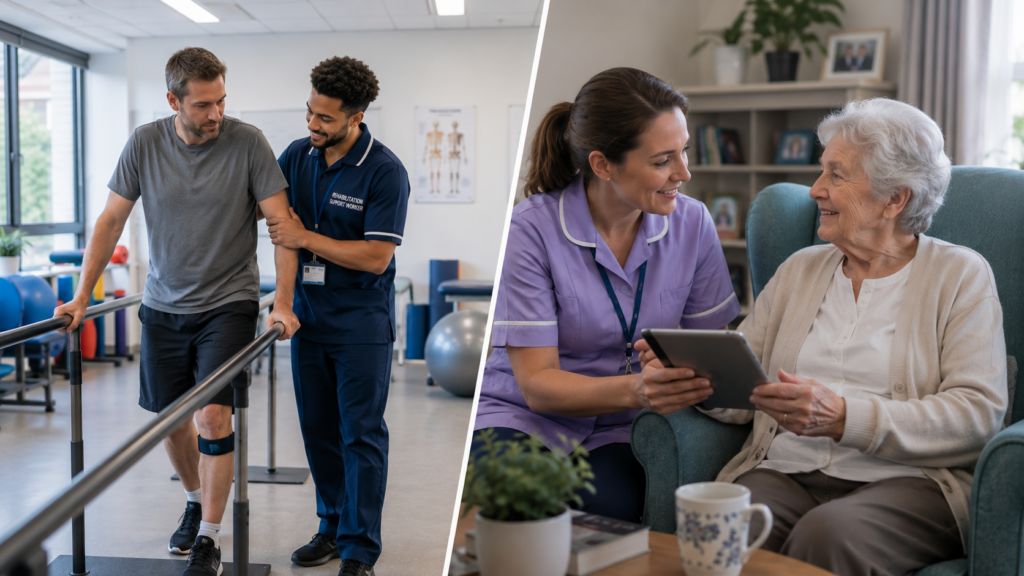
Many learners compare specialist rehabilitation training with broader health and social care courses.
Both can be valuable, but they serve different purposes.
Rehabilitation Support Worker Job Ready Programme
A specialist rehabilitation programme is designed for learners who want focused knowledge around rehabilitation support.
It may be suitable if you want to learn more about:
- Recovery-focused support
- Rehabilitation principles
- Independence-building approaches
- Disability and health conditions
- Role-specific career preparation
The Rehabilitation Support Worker Job Ready Programme with Career Guidance is designed for learners who want structured rehabilitation learning alongside career-focused guidance.
It can help learners understand the responsibilities, skills and knowledge areas connected with rehabilitation support roles.
Level 3 Health and Social Care Diploma
A Level 3 Health and Social Care Diploma provides broader knowledge across the wider care sector.
It may be suitable for learners who want to develop understanding of:
- Adult social care
- Communication
- Safeguarding
- Equality and inclusion
- Health and wellbeing
- Professional care responsibilities
This type of course can support learners who are considering a range of care-related career pathways.


Frequently Asked Questions
What is included in a rehabilitation support worker course?
A rehabilitation support worker course typically includes topics such as rehabilitation principles, person-centred care, safeguarding, communication, mobility awareness, mental health support, professional responsibilities and promoting independence.
The exact curriculum depends on the training provider.
Is a rehabilitation support worker course CPD accredited?
This depends on the individual course provider. A CPD certificate confirms completion of continuing professional development training, but learners should check the provider’s accreditation details before enrolling.
Does a CPD certificate qualify me as a rehabilitation support worker?
A CPD certificate does not automatically qualify someone for employment as a rehabilitation support worker. It demonstrates completion of learning and professional development but does not replace employer requirements, workplace training or regulated qualifications where required.
Can I become a rehabilitation support worker without experience?
Some employers offer entry-level opportunities and provide workplace training, while others may prefer previous care experience. Requirements vary between employers and job settings.
Can I study a rehabilitation support worker course online?
Yes. Many rehabilitation support worker courses are available online, allowing learners to study flexibly. However, workplace skills and practical competencies may require employer-led training and supervision.
What skills do rehabilitation support workers need?
Important skills include communication, empathy, patience, teamwork, observation, safeguarding awareness, organisation and the ability to support individuals respectfully.
What is the difference between rehabilitation and reablement?
Rehabilitation often focuses on helping individuals recover skills or adapt after illness, injury or disability. Reablement usually focuses on helping people regain independence with everyday activities, often through short-term goal-based support.
Is Level 3 Health and Social Care useful for rehabilitation roles?
Yes. A Level 3 Health and Social Care course can provide broader knowledge of care principles, communication, safeguarding and professional responsibilities, which may complement rehabilitation-focused learning.
Where can rehabilitation support workers work?
Rehabilitation support workers may work in hospitals, community services, supported living environments, care homes, charities and specialist rehabilitation settings.