

Physiotherapy Assistant Course with CPD Certificate – Modules, Skills and Career Benefits
Develop Essential Knowledge for a Rewarding Healthcare Career with an Online Physiotherapy Assistant Course
Are you interested in healthcare, rehabilitation and supporting people as they work towards improved mobility and wellbeing? A Physiotherapy Assistant Course with CPD Certificate provides an excellent introduction to the principles behind physiotherapy support, rehabilitation care and patient assistance.
Physiotherapy plays an important role in helping individuals recover from injuries, manage long-term health conditions, improve movement and maintain independence. Behind every successful rehabilitation journey is a dedicated team of healthcare professionals, including physiotherapy assistants who support physiotherapists and patients throughout the recovery process.
With growing demand for healthcare support professionals across the UK, many learners are searching for online physiotherapy assistant courses, physiotherapy assistant training, and CPD-certified healthcare courses to develop valuable knowledge and improve their career opportunities.
This comprehensive Physiotherapy Assistant Course introduces learners to key areas including human anatomy, rehabilitation principles, patient communication, mobility support, exercise awareness, healthcare safety, confidentiality, professional responsibilities and the role of physiotherapy within modern healthcare.
Whether you are beginning your healthcare journey, working in care services or exploring a new career direction, this course can help you build a stronger understanding of physiotherapy support and prepare you for future development.
What Is a Physiotherapy Assistant Course?
A Physiotherapy Assistant Course is an online training programme designed to introduce learners to the knowledge, responsibilities and healthcare principles associated with supporting physiotherapy services.
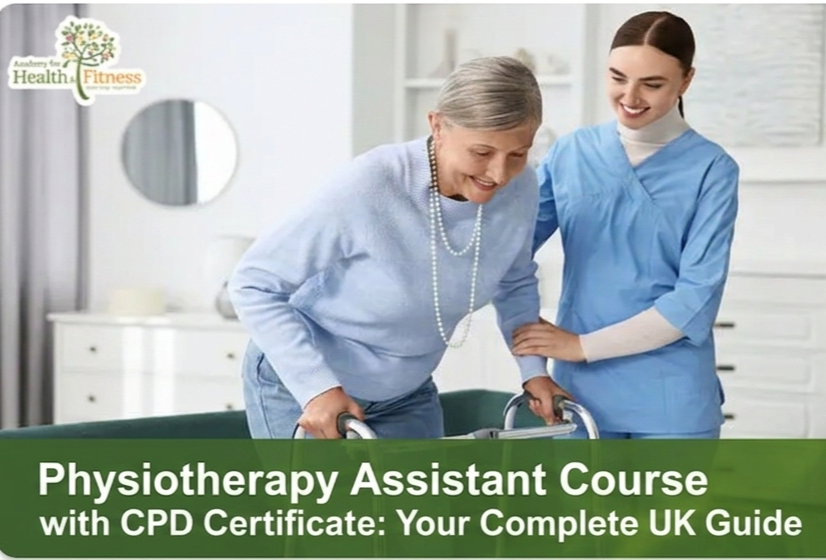
Physiotherapy assistants work alongside qualified physiotherapists and wider healthcare teams to help patients receive appropriate support during rehabilitation. Their role may involve assisting with patient mobility, encouraging rehabilitation activities, supporting treatment plans and helping maintain a positive healthcare environment.
A physiotherapy assistant does not replace a registered physiotherapist. Instead, they provide valuable support under professional guidance while helping patients feel encouraged and confident throughout their recovery journey.
An online physiotherapy assistant course helps learners understand:
- The role of physiotherapy within healthcare
- The responsibilities of a physiotherapy assistant
- The importance of rehabilitation and recovery
- Patient-centred support
- Communication within healthcare environments
- Mobility and movement awareness
- Basic anatomy and body systems
- Health and safety responsibilities
- Professional conduct and confidentiality
By developing this knowledge, learners can gain a clearer understanding of physiotherapy support roles and explore potential pathways within healthcare.
Why Study a Physiotherapy Assistant Course Online?
The healthcare sector continues to evolve, creating opportunities for individuals with relevant knowledge, compassion and a willingness to support others. An online physiotherapy assistant course offers a flexible way to develop healthcare understanding without the restrictions of traditional classroom learning.
Many learners choose online training because it allows them to balance education with employment, family responsibilities and personal commitments.
Flexible Learning Designed Around Your Schedule
An online physiotherapy assistant course allows you to study at your own pace. You can review course materials when it suits your routine and gradually develop your understanding of important healthcare topics.
This flexibility makes the course suitable for:
- Beginners entering healthcare
- Existing care workers
- Support workers
- Career changers
- Individuals interested in rehabilitation services
Develop Healthcare Knowledge from Anywhere
Online learning removes geographical barriers and allows learners to access educational resources from home or another suitable location.
With a computer, tablet or smartphone, learners can continue developing their understanding of physiotherapy assistance in a convenient way.
Gain a CPD Certificate
Completing a CPD-certified physiotherapy assistant course demonstrates your commitment to continued professional development.
A CPD certificate can support your personal learning journey and show employers that you are actively improving your healthcare knowledge.
However, it should be understood that a CPD certificate is not the same as a regulated physiotherapy qualification or professional registration.
What Will You Learn in a Physiotherapy Assistant Course?
A high-quality physiotherapy assistant training course introduces learners to the essential concepts required to understand rehabilitation support and patient care.
The modules are designed to provide a strong foundation in physiotherapy principles while developing awareness of the responsibilities involved in healthcare environments.
Table of Contents




Module 1: Introduction to Physiotherapy and Rehabilitation
The course begins by exploring the purpose of physiotherapy and its importance within healthcare.
Physiotherapy focuses on improving movement, supporting recovery and helping individuals maintain independence following injury, illness or changes in physical ability.
This module introduces:
- The role of physiotherapy in healthcare
- Different areas of physiotherapy support
- Rehabilitation principles
- The relationship between movement and wellbeing
- The role of physiotherapy assistants
- Working alongside healthcare professionals
Understanding the foundations of physiotherapy helps learners recognise how rehabilitation can improve quality of life for many individuals.
Module 2: Human Anatomy and Body Systems
A strong understanding of the human body is essential when supporting physiotherapy services.
This module introduces the basic structure and function of important body systems, helping learners understand how movement, muscles, bones and joints work together.
Topics covered include:
The Musculoskeletal System
The musculoskeletal system provides the foundation for movement and physical activity. Learners explore:
Bones and joints
Muscles and movement
Ligaments and tendons
Common movement limitations
The importance of physical function
The Nervous System
The nervous system controls communication between the brain, spinal cord and body.
Understanding this system helps learners appreciate how neurological conditions can affect movement, coordination and independence.
The Importance of Mobility
Movement affects physical health, confidence and daily activities. Learners discover why supporting mobility is an important part of rehabilitation.
Module 3: The Role and Responsibilities of a Physiotherapy Assistant
Physiotherapy assistants provide valuable support within rehabilitation teams.
This module explains the responsibilities associated with the role and how assistants contribute to positive patient experiences.
Learners explore:
- Supporting physiotherapists
- Communicating with patients
- Following healthcare instructions
- Encouraging patient confidence
- Maintaining professional boundaries
- Recording relevant information
- Supporting rehabilitation goals
Understanding professional responsibilities helps learners develop realistic expectations about physiotherapy assistant careers.
Module 4: Patient Communication and Person-Centred Care
Communication is one of the most important skills in healthcare.
Patients receiving physiotherapy support may experience pain, frustration, anxiety or uncertainty about their recovery. A compassionate approach can help individuals feel respected and understood.
This module covers:
- Effective communication methods
- Active listening
- Building patient confidence
- Respecting individual preferences
- Supporting emotional wellbeing
- Maintaining dignity
- Communicating with healthcare teams
Person-centred care ensures that every individual receives support based on their unique needs and circumstances.
Module 5: Rehabilitation Principles and Recovery Support
Rehabilitation aims to help individuals regain abilities, improve confidence and achieve greater independence.
This module introduces the principles behind rehabilitation and explains how physiotherapy assistants contribute to recovery environments.
Learners explore:
- Rehabilitation goals
- Recovery journeys
- Encouraging independence
- Supporting mobility improvement
- Understanding patient progress
- The importance of motivation
- Working with individual care plans
Every recovery journey is different, which is why patience, encouragement and understanding are essential qualities within healthcare support.
Module 6: Mobility Support and Movement Awareness
Mobility is a central part of physiotherapy.
Many individuals require support after injury, surgery, illness or changes in physical ability. This module introduces the importance of safe movement support and mobility awareness.
Topics include:
- Importance of maintaining movement
- Factors affecting mobility
- Supporting independence
- Understanding mobility challenges
- Awareness of movement limitations
- Encouraging confidence
Learners develop a greater understanding of how mobility affects overall wellbeing and daily life.
Module 7: Exercise and Rehabilitation Awareness
Exercise is often an important part of physiotherapy and rehabilitation programmes.
This module introduces the principles behind therapeutic movement and explains how structured activities can support recovery.
Learners explore:
- The purpose of rehabilitation exercises
- The relationship between movement and recovery
- Supporting exercise programmes
- Encouraging patient participation
- The importance of following professional guidance
Physiotherapy assistants support patients according to instructions provided by qualified professionals.
Module 8: Health and Safety in Physiotherapy Settings
Healthcare environments require careful attention to safety, responsibility and professional standards.
This module introduces important health and safety considerations within physiotherapy settings.
Learners explore:
- Identifying potential hazards
- Supporting safe environments
- Equipment awareness
- Professional responsibilities
- Reporting concerns appropriately
- Protecting patient wellbeing
Maintaining safety helps create a positive environment for both patients and healthcare professionals.
Module 9: Infection Prevention and Healthcare Hygiene
Infection prevention is an essential part of healthcare support.
Physiotherapy assistants must understand the importance of maintaining clean environments and following healthcare procedures.
This module covers:
- Infection prevention principles
- Hand hygiene awareness
- Personal protective equipment
- Reducing infection risks
- Maintaining healthcare cleanliness
- Protecting vulnerable individuals
Good hygiene practices contribute to safer healthcare experiences.
Module 10: Professional Ethics, Confidentiality and Healthcare Responsibilities
Healthcare professionals must protect patient privacy and maintain high standards of professional behaviour.
This module introduces:
- Patient confidentiality
- Data protection awareness
- Respect and dignity
- Professional boundaries
- Ethical healthcare behaviour
- Responsibility within healthcare teams
Trust is a fundamental part of healthcare, and maintaining confidentiality helps create stronger relationships between patients and professionals.
Skills You Can Develop Through Physiotherapy Assistant Training
A physiotherapy assistant course online can help learners develop important healthcare-related skills, including:
Communication Skills-Clear and respectful communication helps physiotherapy assistants support patients effectively and work successfully with healthcare teams.
Compassion and Empathy-Patients recovering from injury or illness may require encouragement and emotional support. Compassion helps create a more positive rehabilitation experience.
Teamwork-Physiotherapy assistants work alongside physiotherapists, nurses, doctors and other healthcare professionals. Strong teamwork contributes to better patient support.
Observation Skills-Recognising changes in patient comfort, mobility or behaviour can help healthcare teams respond appropriately.
Organisation and Professionalism-Healthcare environments require reliability, responsibility and attention to professional standards.
Who Should Study a Physiotherapy Assistant Course?
A physiotherapy assistant course with CPD certificate is suitable for a wide range of learners.
Aspiring Physiotherapy Assistants-Individuals considering a career supporting rehabilitation services can gain valuable introductory knowledge.
Healthcare Support Workers-Existing healthcare professionals can strengthen their understanding of physiotherapy-related support.
Care Workers-Those working in care settings may benefit from learning more about mobility, rehabilitation and patient support.
Career Changers-People moving into healthcare from other industries can develop relevant knowledge and confidence.
Learners Interested in Healthcare Careers-Anyone interested in physiotherapy, rehabilitation, nursing or healthcare support can use this course as a foundation for further development.
Career Benefits of Completing a Physiotherapy Assistant Course
Completing physiotherapy assistant training can provide several benefits for learners interested in healthcare careers.
The knowledge gained may help you:
- Understand physiotherapy environments
- Strengthen your healthcare CV
- Prepare for healthcare applications
- Improve confidence during interviews
- Explore rehabilitation-focused roles
- Continue further healthcare education
Potential career areas include:
- Physiotherapy Assistant
- Rehabilitation Assistant
- Therapy Assistant
- Healthcare Support Worker
- Care Assistant
- Clinical Support Worker
- Rehabilitation Support Worker
Employment requirements vary depending on the organisation, role and level of responsibility.
Physiotherapy Assistant Course and CPD Certificate: What Does It Mean?
A CPD certificate confirms that you have completed a structured learning programme designed for professional development.
It demonstrates your commitment to expanding your knowledge and improving your understanding of healthcare-related subjects.
However, a CPD certificate does not:
- Qualify you as a registered physiotherapist
- Replace university-level physiotherapy education
- Provide professional registration
- Guarantee employment
To become a registered physiotherapist in the UK, learners must complete an approved physiotherapy degree programme and meet professional registration requirements.
Why Choose This Online Physiotherapy Assistant Course?
Choosing the right healthcare course can be an important step towards your future goals.
This Physiotherapy Assistant Course with CPD Certificate provides:
- Flexible online study
- Healthcare-focused learning
- Comprehensive physiotherapy modules
- Career development support
- Understanding of rehabilitation principles
- Knowledge of patient-centred care
- Professional development opportunities
- CPD certification upon completion
Whether you want to begin exploring healthcare careers or improve your existing knowledge, this course provides a structured learning experience designed around your goals.
Start Your Physiotherapy Assistant Learning Journey Today
A career supporting recovery and rehabilitation can be incredibly rewarding. Every patient deserves compassionate support, encouragement and respect during their healthcare journey.
The Physiotherapy Assistant Course with CPD Certificate allows you to develop valuable healthcare knowledge, understand the principles behind rehabilitation and take a confident step towards your professional development.
Begin your online learning journey today and build the foundation for a future connected to physiotherapy, healthcare and patient support.
Frequently Asked Questions
What is a Physiotherapy Assistant Course?
A Physiotherapy Assistant Course introduces learners to physiotherapy principles, rehabilitation support, patient communication, mobility awareness and healthcare responsibilities.
Can I study a Physiotherapy Assistant Course online?
Yes. Online physiotherapy assistant courses allow learners to study flexibly and complete training around existing commitments.
Is this course suitable for beginners?
Yes. The course is designed for beginners, career changers and individuals interested in healthcare support roles.
Will I receive a CPD certificate?
Yes. Successful completion of the course allows learners to receive a CPD certificate confirming their professional development.
Does this course make me a qualified physiotherapist?
No. A CPD course does not qualify learners as registered physiotherapists. Professional registration requires an approved physiotherapy degree.
What will I learn in physiotherapy assistant training?
You will learn about rehabilitation, anatomy, patient communication, mobility support, healthcare safety, confidentiality and professional responsibilities.
Can this course help me get a physiotherapy assistant job?
The course can improve your knowledge and confidence when applying for healthcare roles, but employment depends on individual employer requirements.