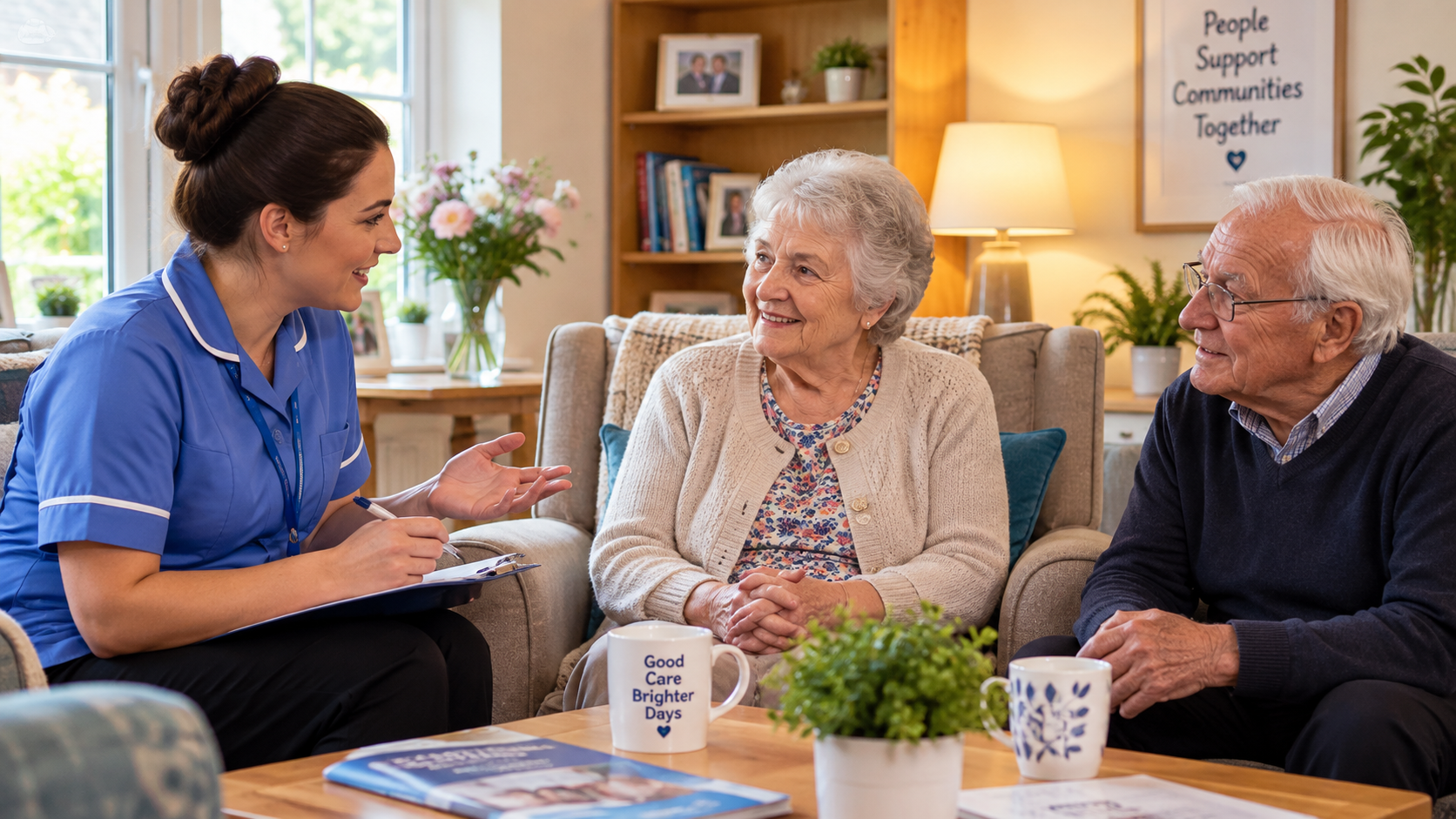
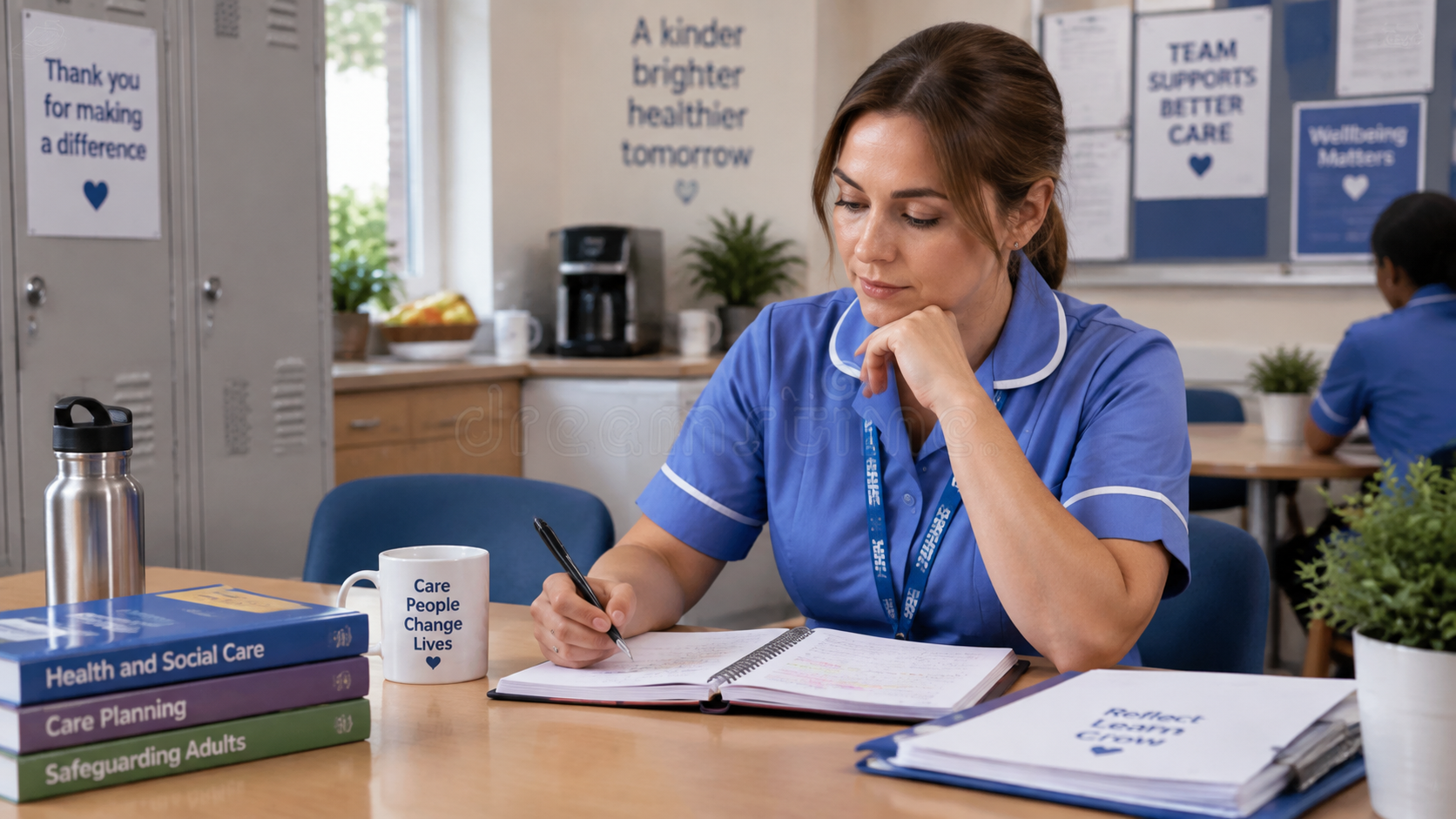
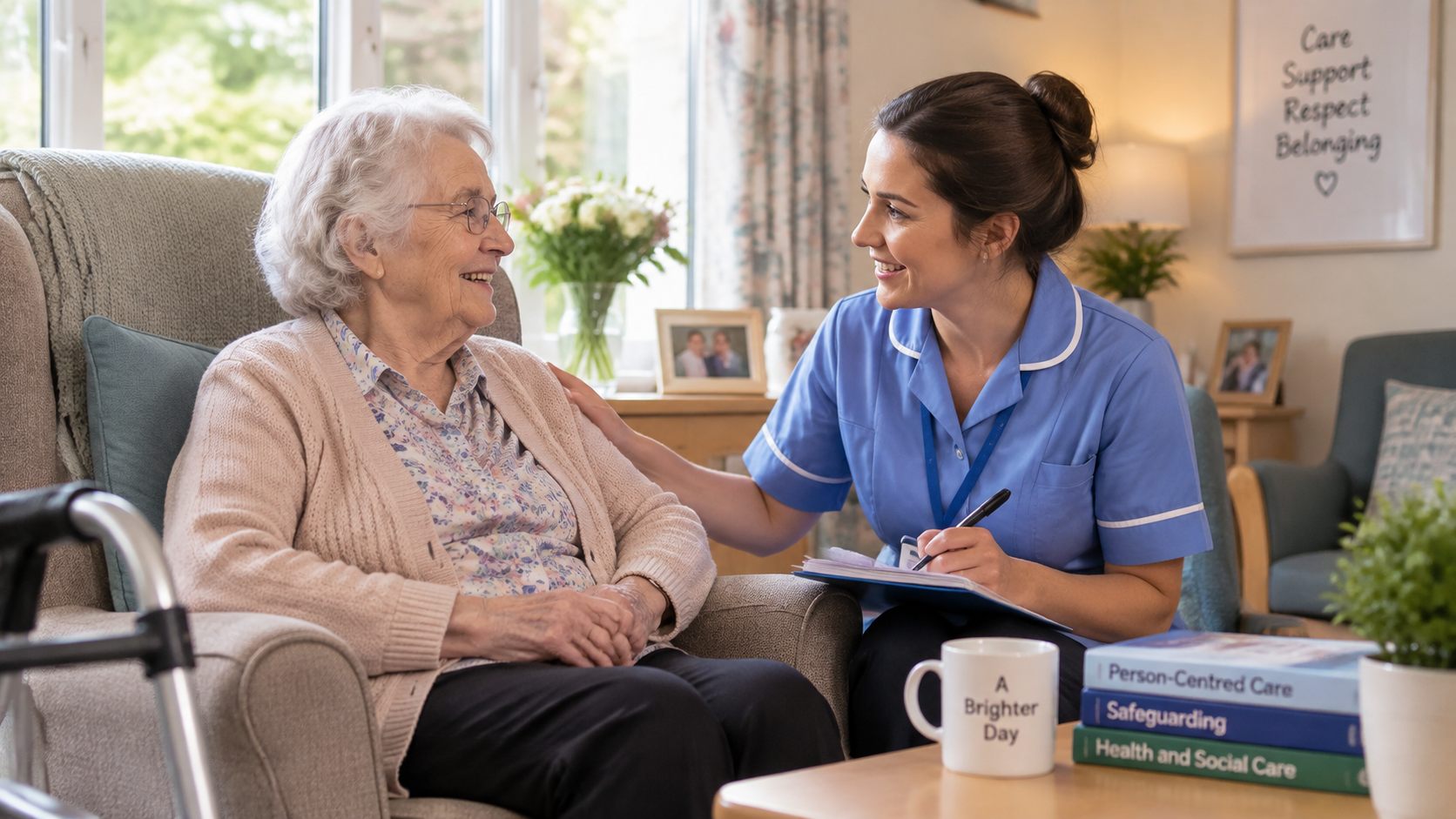
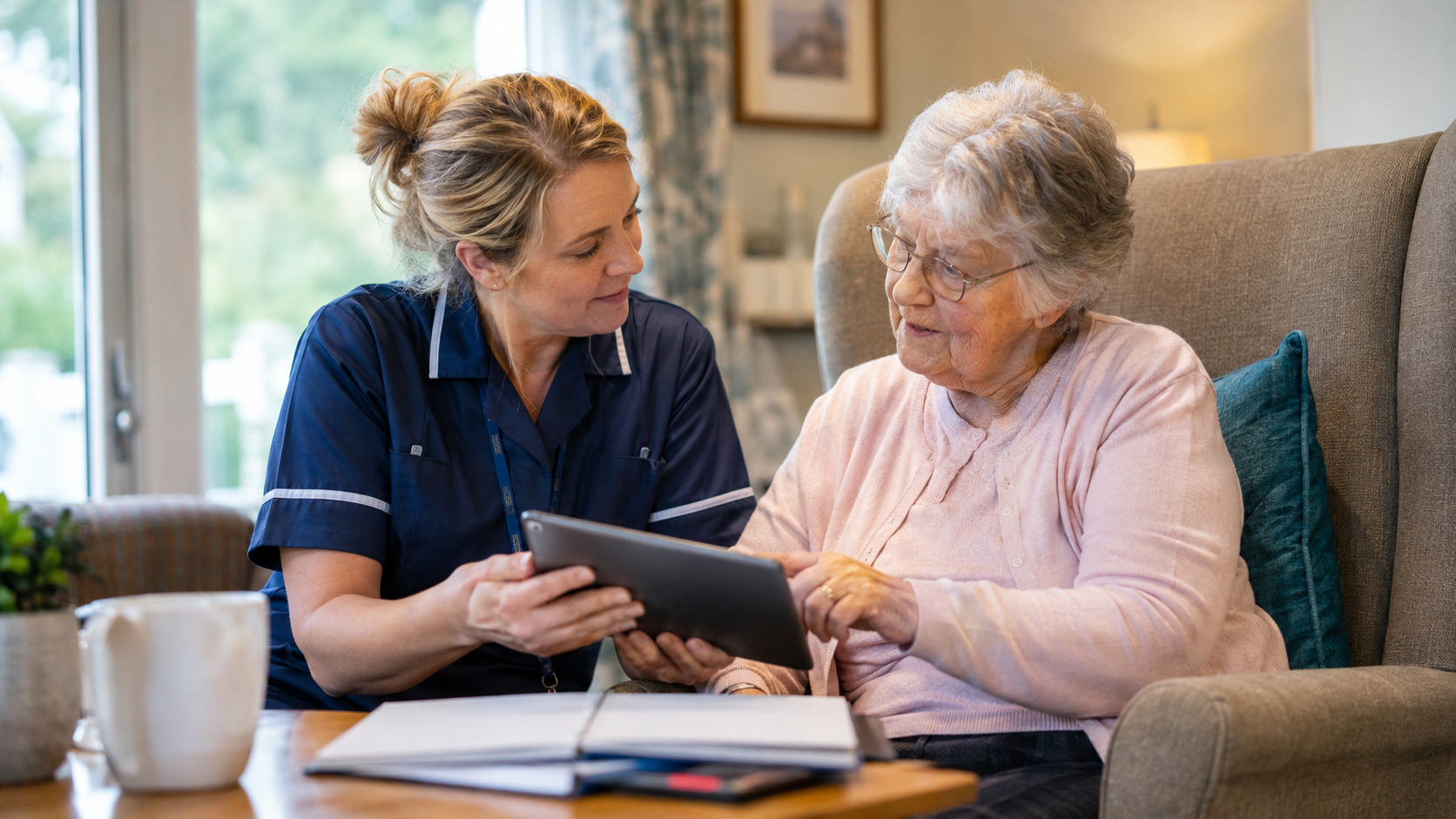
It’s no secret that the health and social care sector is constantly evolving. With new guidelines, care standards, and patient needs emerging regularly, staying updated isn’t just a bonus—it’s essential. That’s why more professionals and aspiring carers are turning to flexible online training. The Health and Social Care Level 3 Online Course is helping bridge the skills gap by offering high-quality, accessible learning that fits around busy schedules.
This course empowers learners with essential skills and knowledge to deliver safe, compassionate, and effective care—crucial for roles in residential care, home care, and healthcare support.
In this blog, you’ll discover what the Level 3 course covers, how it works online, the benefits of certification, and why it could be your next smart move in health and social care.
What is the Health and Social Care Level 3 Course?
The Health and Social Care Level 3 course is a training program for anyone who wants to work or grow in the care sector. It’s designed to build strong, practical knowledge about supporting others safely and responsibly. People often take this course to qualify for roles like care worker, support worker, or healthcare assistant.
You’ll learn about key areas such as safeguarding, communication, duty of care, and person-centred support. These are the things professionals deal with every day in real care settings. The course also helps learners understand how to handle health conditions, emergencies, and professional boundaries.
It’s ideal for those already working in care, as well as those starting fresh. And because it’s online, it works around your life.
Key Modules & Curriculum Breakdown

The Health and Social Care Level 3 course is packed with practical topics that prepare you for the real world. You don’t just learn theory—you learn how to use it in care settings. Each module builds your confidence and helps you deliver safe, respectful, and high-quality support.
Core Modules:
Here’s what you’ll cover:
- Safeguarding and Protection
Spot signs of abuse or neglect and know how to respond safely. - Duty of Care
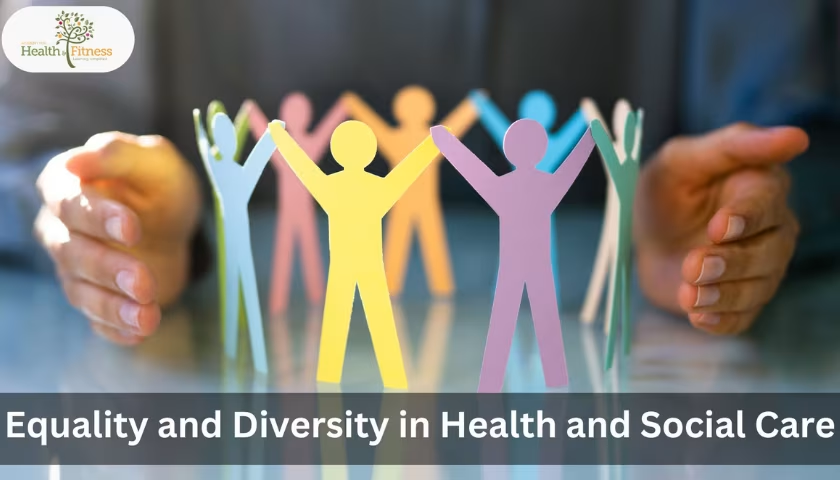
Understand your role in protecting the wellbeing of those you support. - Equality and Inclusion
Support people from all backgrounds without bias or judgment. - Health and Safety in Care Settings
Learn how to reduce risks and keep environments safe for everyone. - Person-Centred Approaches
Focus on the individual’s needs, choices, and dignity in every situation. - Communication in Care
Develop clear, caring communication with patients, families, and teams. - Handling Information in Care Settings
Know how to store, share, and protect sensitive data properly. - Promoting Health and Wellbeing
Help others live healthier lives with support plans and guidance. - Supporting Individuals with Learning Disabilities
Understand different needs and how to support independence. - Mental Health Awareness
Spot signs of mental health issues and offer appropriate support. - End of Life Care
Learn how to provide comfort and respect during difficult times. - Personal Development in Care
Reflect on your work and grow your skills over time. - Understanding Dementia
Get to know the symptoms and care techniques that help. - Infection Control
Prevent the spread of illness with proper hygiene and safety practices.
Each module is short, focused, and easy to follow. You’ll find real examples, helpful resources, and short assessments to check your progress. This structure makes learning easier—especially if you’re juggling work or family life.
Key Learning Outcomes & Competencies Gained
By completing the Health and Social Care Level 3 course, you’ll gain the practical skills and knowledge needed to work with confidence in the care sector.
What You’ll Be Able to Do:
- Support individuals with care that is safe, respectful, and person-centred
- Build trust and communicate effectively with patients, families, and colleagues
- Respond to emergencies and sensitive situations calmly and correctly
- Follow safeguarding rules and spot signs of abuse or neglect
- Apply health and safety procedures in real care environments
- Handle confidential information in line with data protection laws
- Respect equality, diversity, and personal rights of everyone in your care
- Work within the legal and ethical standards of the care profession
- Reflect on your practice and plan for ongoing personal development
These outcomes are not just for passing a test—they help you in real-life care situations. You’ll be more prepared, more professional, and more trusted in your role.
Benefits of Taking This Course Online

Taking the Health and Social Care Level 3 course online comes with real advantages. It’s not just about convenience—it’s about making learning work for your lifestyle, career goals, and pace.
Learn Anytime, Anywhere
Online learning gives you full control over your schedule. You can log in when it suits you—morning, evening, or even during lunch breaks.
Study at Your Own Pace
No pressure to keep up or slow down for others. You can move through the course at a speed that works best for you.
Fits Around Work and Family
Already have a job or childcare duties? No problem. This course is built to be flexible, so you can balance your time easily.
Instant Access to Materials
Everything you need—videos, readings, and assessments—is ready as soon as you sign up. You can revisit topics anytime you need a refresher.
No Travel or Commute
Forget about buses, parking, or long drives to class. You save time and money by learning from the comfort of your home.
Support is Still Available
Many online courses include tutor feedback, live chat help, or email support. So even though you’re learning online, you’re never on your own.
Learn in Your Comfort Zone
Some people learn better in quiet, familiar places. Studying from home can help you stay relaxed and focused.
Track Your Progress Easily
You can see how far you’ve come and what’s left to complete. Online dashboards make progress clear and keep you motivated.
Great for All Learning Styles
Whether you prefer watching videos, reading text, or taking quizzes, online learning offers options that suit different learners.
What to Expect from the Certification
Once you complete the course, you’ll receive a recognised Level 3 certificate in Health and Social Care. This shows employers that you have the right skills and training. It’s proof that you’re ready to work in the care sector with confidence.
The certificate is usually issued digitally, but many providers also offer a printed copy. You can include it in your CV, job applications, or even show it during interviews. It adds real value when applying for roles in care.
Many learners use this certificate to start a new job, apply for promotions, or move into specialist care roles. It’s also a great step if you’re planning to continue learning or go into higher qualifications later.
In short, the certification gives you proof, progress, and opportunity—all in one.
How to Enrol & Course Support

Starting your Health and Social Care Level 3 online course is quick and easy. Here’s what the process looks like:
How to Enrol
- Step 1: Visit the course provider’s website
- Step 2: Complete a short online enrolment form
- Step 3: Choose your payment option (full payment or installments).
- Step 4: Receive your login details and start learning
Most courses offer instant access after enrolment, so you can begin right away.
Support During the Course
You won’t be left on your own. Reliable support is available throughout your learning journey:
- Tutor support via email or portal messaging
- Live chat for quick help (if offered by the provider)
- Discussion forums to connect with other learners
- Tech support for login or system issues
No matter what you need help with—there’s always someone to reach out to. Taking the course online doesn’t mean doing it alone. You’ll have access to tools, people, and support every step of the way.
Career Opportunities After Completion
Completing the Health and Social Care Level 3 online course doesn’t just give you a certificate—it sets you up for real career growth. This qualification is recognised across the care sector and can lead to a variety of roles.
Entry-Level Roles You Can Step Into
These roles are great if you’re new to the field or looking to return to care work:
- Care Assistant / Care Worker
Help individuals with everyday tasks like bathing, dressing, eating, and medication. Often based in care homes or private residences. - Support Worker
Assist people with learning disabilities, autism, or mental health needs to live independently and safely—at home or in supported living. - Healthcare Assistant (HCA)
Work in hospitals or clinics, helping nurses with tasks such as checking vitals, feeding patients, and basic medical care. - Domiciliary Care Worker (Home Carer)
Visit clients in their homes to provide personal care, companionship, and support with daily routines.
Advanced & Supervisory Roles (With Experience)
After gaining some hands-on experience, you can move into roles with more responsibility:
- Senior Carer / Senior Support Worker
Oversee junior staff, handle more complex care tasks, and support care planning and assessments. - Residential Support Worker
Work in group homes supporting young people, adults with special needs, or those recovering from trauma or substance abuse. - Team Leader / Shift Supervisor
Manage small care teams, maintain records, and ensure care plans are followed correctly.
Specialist Care Pathways
With your Level 3 qualification, you can also explore more focused areas of care:
- Dementia Care Specialist
Work closely with older adults experiencing memory loss or cognitive decline. Learn how to offer calm, respectful, and structured care. - Mental Health Support Worker
Help individuals manage mental health challenges like anxiety, depression, or schizophrenia through daily support and encouragement. - End-of-Life (Palliative) Care Assistant
Provide comfort and dignity to those in the final stages of life, often in hospices or at home. - Disability Support Worker
Support children or adults with physical or learning disabilities to live fuller, more independent lives.
Conclusion
Completing the Health and Social Care Level 3 online course gives you real, recognised credentials and the ability to meet current UK care standards. According to Skills for Care, the qualification is developed in consultation with employers and aligns with real-world industry practice.
Expert Kay Fawcett OBE, who helped set care quality guidelines, notes that qualifications like this form the backbone of professional care and support workforce development. With it, you’re ready to progress into meaningful roles, specialise further, or move towards advanced study.