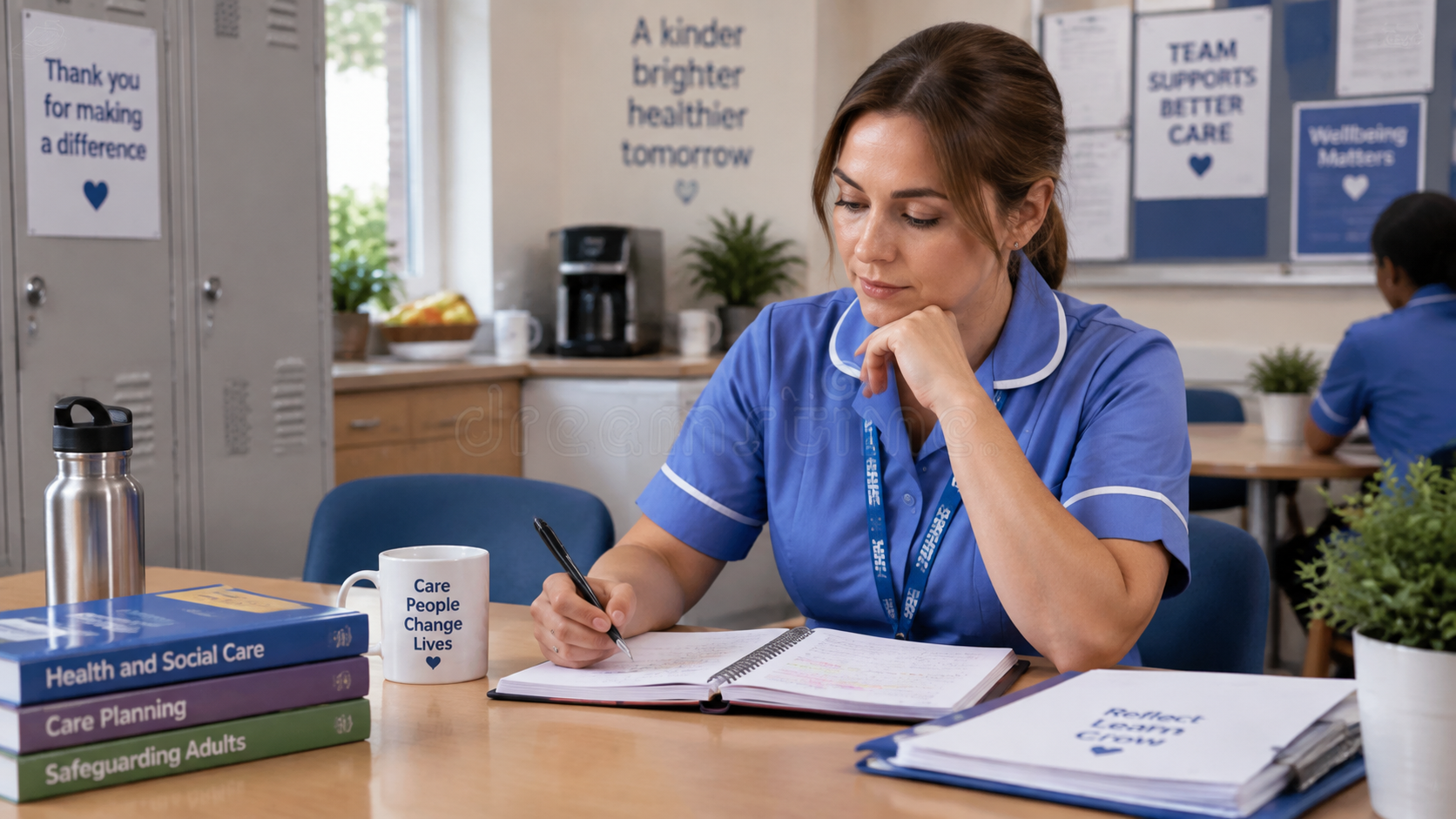
In a busy care home in Manchester, a nurse juggles medication schedules, patient records, and emotional support—while still finding time to complete her mandatory safeguarding refresher online. Health and Social Care professionals face constant change: new regulations, updated procedures, and evolving patient needs. Staying competent and compliant isn’t optional—it’s essential. According to Skills for Care, over 49,000 new care workers joined the sector in England in 2023 alone—highlighting the ongoing demand for fast, effective training. That’s where online learning is stepping in, offering a faster, more flexible way to keep up.
Online learning is transforming Health and Social Care training by making it more accessible, consistent, and cost-effective—without compromising on quality or compliance.
In this blog, you’ll learn how effective online training really is for this vital sector. We’ll explore its benefits, challenges, and how it stacks up against traditional methods.
Defining Online Learning in Health & Social Care
Online learning in Health and Social Care means using digital platforms to complete training or gain qualifications. It could be anything from short e-learning modules to full diplomas delivered remotely. Many care providers now rely on it for staff development.
You might log in to complete a course on infection control, safeguarding, or moving and handling. These are often interactive, with videos, quizzes, and real-world scenarios. Some platforms also track progress and issue certificates.
What makes online learning stand out is flexibility. You can train at your own pace, anytime, anywhere. That’s a big deal when shifts are unpredictable or time is tight.
In Health and Social Care, this method is growing fast. It’s no longer a backup—it’s becoming the norm.
Benefits of Online Learning for Health & Social Care
Training in Health and Social Care plays a vital role in keeping staff skilled and services safe. But with busy schedules and limited budgets, traditional training isn’t always practical. Online learning offers a faster, easier, and more flexible solution. Here are the key benefits:
1. Improved Compliance
Online learning helps ensure staff are always up to date with mandatory training. It supports compliance with CQC standards and makes preparing for inspections much easier.
Other compliance benefits:
- Automatic reminders to renew expiring courses
- Easy access to digital certificates
- Instant proof of training for audits and inspections
- Built-in tracking to monitor completion
2. Enhanced Resident Care
Better training directly improves the quality of care delivered. Online courses help staff understand best practices in safeguarding, communication, and daily care tasks.
Benefits to residents include:
- Fewer mistakes during care routines
- More informed, confident staff
- Safer and more respectful care
- Improved dignity and wellbeing
3. Increased Staff Skills

E-learning covers more than just the basics. It helps develop clinical skills, communication, and leadership—all without pulling staff off the floor for days.
Upskilling benefits:
- Broader clinical knowledge
- Better handling of complex care needs
- Growth in soft skills like empathy and listening
- Preparedness for advanced roles
4. Reduced Staff Turnover
When staff feel valued and supported, they stay longer. Giving them easy access to learning builds engagement and motivation.
Retention-boosting features:
- Clear career development pathways
- Increased job satisfaction
- Reduced burnout
- Lower recruitment and training costs
5. Cost-Effective Training
E-learning is significantly cheaper than in-person training. It saves money on logistics, trainer fees, and printed materials.
Ways it reduces cost:
- No travel or accommodation expenses
- No venue bookings
- Lower trainer costs
- Reusable digital content across teams
6. Huge Time Savings
Online courses are quick to access and complete. Staff can train without disrupting their full schedule.
Time-saving highlights:
- Shorter course durations
- No setup or travel time
- Learn in short bursts between shifts
- Faster onboarding for new staff
7. Consistent Training Across Teams
Every staff member gets the same quality training—no matter the location or schedule. This ensures everyone works to the same high standard.
Consistency benefits:
- Unified care practices
- Clear expectations for all staff
- Easier roll-out of updates
- Improved team communication
8. Flexibility for Learners
Staff can train when and how they want, which reduces pressure and supports better learning outcomes.
Learner-friendly features:
- Study from home, work, or mobile
- Pause and resume at any time
- Fits around family and shift work
- Rewatch modules as needed
9. Flexibility for the Business
Managers can schedule training without disrupting service delivery. It’s easier to plan, stagger, and manage.
Operational advantages:
- No need to release whole teams at once
- Fits around busy periods
- Reduces pressure on rotas
- Better cover while training is completed
10. Learn at Their Own Pace
Everyone learns differently. Online training gives people space to absorb and revisit content at their speed.
Paced learning supports:
- Stronger retention of knowledge
- Higher course completion rates
- Improved confidence in applying skills
- Reduced stress compared to live sessions
11. Expect Lower Costs Over Time
Once set up, online training keeps delivering value. It’s a scalable and sustainable solution for growing teams.
Long-term savings include:
- No repeat trainer fees
- Discounts on bulk licences
- Reuse of content across sites
- Less downtime from off-site training
If you’re looking to enhance your team’s skills and improve overall service delivery, the Health and Social Care Level 3 Diploma offered by HF Online provides the perfect foundation. The course covers key areas such as safeguarding, infection control, and leadership, and offers the flexibility to learn at your own pace—perfect for busy professionals. Start your learning journey today!
Challenges & Limitations of Online Learning

Online learning works well in many ways—but it’s not the answer to everything. Some skills still need to be learned in person, especially where hands-on practice is essential.
For example:
- First aid
- Manual handling
- Using medical equipment
These areas are hard to teach properly through a screen.
Some staff may struggle with technology. Not everyone is confident using a computer or mobile device. This can slow down progress or cause people to drop out of training altogether.
Common issues include:
- Trouble logging in
- Difficulty navigating courses
- Lack of digital support
Without help, these barriers can block learning.
It’s also easy to get distracted when learning online. At home or during shifts, people may be pulled away by other tasks. Unlike in a classroom, there’s no one there to keep learners focused.
This leads to:
- Missed information
- Rushed progress
- Poor retention of skills
Quality matters too. Some online courses are too long, outdated, or just plain boring. When content is dry or hard to follow, it doesn’t stick.
Lastly, there’s a risk of “tick-box” learning. Staff may fly through just to finish the course—without fully understanding what they’ve learned.
This can lead to:
- Gaps in real-world knowledge
- Poor application of training
- Reduced impact on care quality
Still, with the right platform, content, and support, many of these challenges can be managed. It’s about using online learning the right way—not just the easy way.
Evidence of Effectiveness: Research & Outcomes
You might wonder—does online training actually work in Health and Social Care? The short answer is yes. Multiple studies and reports back this up, especially when the training is well-designed and relevant to real-world care.
A report by evidenceaid found that digital learning can be just as effective as face-to-face training for knowledge-based topics. Many providers say it helps improve confidence, especially in areas like infection control, safeguarding, and mental health awareness.
Key findings include:
- Staff who complete online courses often retain knowledge longer
- Managers report fewer basic errors after e-learning modules
- Services using blended learning (online + practical) see better overall results
It also supports ongoing CPD (Continuing Professional Development). Staff can build skills gradually over time, without stepping away from work.
Of course, not all outcomes are the same. Courses need to be interactive, up-to-date, and aligned with current regulations. But when done right, online learning clearly helps raise standards in care settings.
Top Online Learning Platforms & Course Providers

Looking for trusted, effective online training options in Health & Social Care? Here’s a breakdown of the top platforms widely used in the UK—each offering flexible, accredited learning that fits around real-world care work.
Specialist Platforms for Health & Social Care
1. Social Care TV
- Over 70 CPD-certified courses, including Care Certificate standards, infection control, and dementia care
- Easy-to-use manager dashboards and tracking
- Affordable pricing from just £1.49 per course
- Widely used by care homes, domiciliary care providers, and training companies
2. The Access Group – Learning for Care
- Designed specifically for adult social care services
- Offers compliance training, Care Certificate content, and CPD units
- Mobile-friendly with simple learner tracking
3. Careskills Academy
- Over 95 care-focused courses available 24/7
- Designed by care experts to meet industry standards
- Supports new and experienced care workers
4. Academy for Health & Fitness
- Offers certified online courses in Health, Social Care, Mental Health, and Nutrition
- Many include free PDF certificates and tutor support
- Good for upskilling support workers, carers, and fitness-related roles in healthcare
NHS-Approved & Medical-Level Platforms
5. eLearning for Healthcare (e‑LfH)
- Developed by NHS England and HEE
- Over 500 free e-learning courses for all health and social care staff
- Covers everything from end-of-life care to safeguarding
6. eIntegrity
- NHS-backed, with modules used for GP and clinical training
- Ideal for regulated staff and those in leadership roles
7. BMJ Learning
- Peer-reviewed, expert-led clinical modules
- Great for CPD and knowledge refreshers in patient safety and ethics
Academic & Professional Development Platforms
8. The Open University (OpenLearn)
- Offers free and paid Health & Social Care courses
- Also provides full remote degrees in this field
9. FutureLearn
- Partnered with top UK universities and NHS orgs
- Includes short courses, microcredentials, and professional certificates
Innovative & Tech-Enhanced Platforms
10. Virti
- Uses virtual reality (VR) to simulate real-life care scenarios
- Great for training soft skills like communication, triage, and empathy
11. Synap
- Spaced-repetition learning to boost memory and retention
- Excellent for test prep or mandatory refresher courses
Accreditation & Quality Assurance
When it comes to online training, quality matters. You don’t just want convenience—you want learning that’s trusted, up to date, and recognised across the sector. That’s where accreditation comes in.
Why Accreditation Is Important
Accreditation means a course has been reviewed and approved by an official body. It confirms the content meets industry standards and is suitable for professional use.
In Health & Social Care, these are some key accreditors to look for:
- CPD Certification Service (CPD)
- CPD Quality Standards (CPDQS)
- Ofqual-regulated awarding bodies
- Skills for Care Endorsement
- NHS or Health Education England support
When a course is accredited by these organisations, you can trust that it’s accurate, relevant, and professionally recognised.
What Quality Assurance Looks Like
Quality training providers do more than offer a certificate. They make sure the learning is effective and up-to-date.
Here’s what to expect from a high-quality course:
- Regular content updates based on current care standards
- Created or reviewed by subject matter experts
- Interactive features like quizzes, videos, and real-world scenarios
- Clear learning outcomes and progress tracking
- Feedback options to improve future course versions
Why It Matters for You
Accredited training helps you prove your knowledge and meet compliance requirements. Whether you’re renewing your Care Certificate or working toward CPD hours, it shows you’ve completed trusted, measurable learning.
It also gives employers confidence in your skills—and boosts your professional credibility. So before you sign up, check for the badge. If you see names like CPDQS or Skills for Care, you’ll know the training is worth your time.
Conclusion
Online learning is proving highly effective for knowledge-based training in Health and Social Care. Research shows it can be just as good as traditional methods for improving healthcare professionals’ knowledge and behavior.
This approach offers significant flexibility, saves time, and reduces costs. When designed well and combined with practical experience, online training becomes a trusted, modern way to build skills, ensure compliance, and improve care quality across all teams. The future of Health and Social Care training is clearly digital, leading to a more skilled and confident workforce.