Infection Control Course with CPD Certificate – Modules, Benefits and Care Applications
Learn Essential Infection Prevention Skills to Deliver Safer, More Effective Care
Healthcare environments are constantly exposed to microorganisms that can spread rapidly if effective infection prevention measures are not followed. Whether you work in a hospital, care home, GP surgery, dental practice, nursery, domiciliary care service or any other health and social care setting, maintaining high standards of infection prevention and control is one of the most important responsibilities you have. Even a simple lapse in hand hygiene or the incorrect use of Personal Protective Equipment (PPE) can increase the risk of infection, compromise patient safety and place vulnerable individuals at unnecessary risk.
An Infection Control Course with CPD Certificate provides learners with the practical knowledge needed to understand how infections spread, how they can be prevented and how effective infection control practices contribute to safer healthcare environments. Designed for both beginners and experienced professionals, this online infection control course explores essential topics such as hand hygiene, cross-contamination, cleaning and disinfection, waste management, infection risk assessment, PPE, healthcare-associated infections (HCAIs) and current infection prevention principles used across the UK health and social care sector.
In today’s healthcare landscape, infection prevention has become more important than ever. Hospitals, residential care homes, community healthcare providers and social care organisations continue to strengthen infection control measures to protect patients, residents, staff and visitors from preventable illness. Employers increasingly value professionals who understand infection prevention and can confidently apply evidence-based infection control procedures in daily practice. Completing a CPD-certified Infection Control Course demonstrates your commitment to maintaining professional standards, improving patient safety and supporting high-quality care.
Whether you are beginning a career in healthcare, already work in health and social care, or simply want to improve your understanding of infection prevention, this course provides a strong foundation for safe practice and lifelong professional development.
What Is an Infection Control Course?
An Infection Control Course is a structured training programme that teaches learners how to minimise the spread of infectious diseases by applying recognised infection prevention principles in healthcare, social care and community settings. The course introduces the science behind infection transmission while providing practical guidance on preventing contamination, protecting vulnerable individuals and maintaining safe clinical environments.
Rather than focusing only on theory, modern infection control training combines scientific knowledge with real-world applications. Learners discover how microorganisms spread through direct contact, indirect contact, airborne transmission, droplets, contaminated equipment and environmental surfaces. Understanding these transmission routes enables healthcare professionals and care workers to make informed decisions that reduce infection risks and protect public health.
A high-quality online Infection Control Course with CPD Certificate also explains the legal, ethical and professional responsibilities associated with infection prevention. Learners explore current best practices, workplace policies, health and safety responsibilities and person-centred approaches that contribute to safer care delivery across hospitals, GP surgeries, dental clinics, nursing homes, domiciliary care services and other healthcare environments.
Why Infection Prevention and Control Matter
Infection prevention is far more than following workplace procedures—it is a fundamental part of delivering safe, effective and compassionate care. Every interaction between healthcare professionals and patients presents an opportunity to reduce or increase the risk of infection. By consistently applying infection prevention measures, healthcare workers help protect individuals whose immune systems may already be compromised because of illness, age or medical treatment.
Healthcare-associated infections (HCAIs) continue to affect healthcare systems worldwide, increasing hospital stays, treatment costs and patient complications. Effective infection prevention strategies significantly reduce these risks while improving clinical outcomes and supporting public confidence in healthcare services. Good infection control also protects healthcare workers themselves, reducing occupational exposure to harmful microorganisms and contributing to a safer working environment.
Beyond hospitals, infection control plays a vital role in residential care, childcare, education, hospitality, beauty therapy and many other industries where hygiene and public health are essential. For this reason, infection prevention knowledge is increasingly recognised as an important transferable skill across numerous professions.
What Will You Learn in an Infection Control Course?
A professionally designed Infection Control Course with CPD Certificate equips learners with practical skills that can be applied immediately in healthcare and care settings. Rather than simply memorising procedures, learners develop a clear understanding of why infection prevention measures are necessary and how they contribute to patient safety.
Throughout the course, you will explore the principles of microbiology, routes of infection transmission, standard infection control precautions, hand hygiene, personal protective equipment, environmental cleaning, decontamination, clinical waste management, outbreak prevention, risk assessment and professional responsibilities. These topics provide the foundation for maintaining safe, hygienic and legally compliant care environments.
Infection Control Course Modules
Module 1: Introduction to Infection Prevention and Control
The course begins by introducing the core principles of infection prevention and control. Learners develop an understanding of why infection control is essential within modern healthcare systems and how healthcare professionals contribute to reducing infection risks every day.
This module explains the chain of infection, demonstrating how microorganisms require specific conditions to spread between hosts. By understanding each stage of this chain, learners discover how effective infection prevention strategies can interrupt transmission and significantly reduce infection risks.
You will also examine the importance of professional accountability, workplace policies and national guidance that support infection prevention practices across the UK healthcare sector.
Module 2: Understanding Microorganisms and Infectious Diseases
Effective infection prevention begins with understanding the microorganisms responsible for causing disease. This module introduces bacteria, viruses, fungi, parasites and prions, explaining how these organisms differ and how they affect human health.
Learners explore common infectious diseases encountered within healthcare environments while examining how pathogens multiply, survive and spread. Understanding the characteristics of different microorganisms enables healthcare professionals to apply appropriate infection prevention strategies rather than relying solely on routine procedures.
The module also explains why antimicrobial resistance has become an increasingly important public health concern and highlights the importance of responsible infection prevention practices in reducing unnecessary transmission.
Module 3: Routes of Infection Transmission
Preventing infection requires a thorough understanding of how pathogens move from one individual to another. This module explores the main routes of transmission, including direct contact, indirect contact, airborne spread, droplet transmission, contaminated food and water, blood-borne transmission and environmental contamination.
Real-world healthcare scenarios help learners recognise situations where infection risks may increase and identify practical measures that reduce transmission. The module demonstrates how simple interventions, such as effective hand hygiene or correct equipment cleaning, can break the chain of infection and protect patients, colleagues and visitors.
By the end of this module, learners will understand why every stage of patient care presents opportunities for both infection prevention and infection transmission.
Module 4: Standard Infection Control Precautions (SICPs)
Standard Infection Control Precautions form the foundation of safe healthcare practice. These evidence-based precautions are designed to minimise infection risks regardless of whether an infection is known or suspected.
Learners explore the principles behind standard precautions, including hand hygiene, respiratory hygiene, safe handling of blood and body fluids, environmental cleaning, waste disposal, sharps safety and the appropriate use of personal protective equipment.
Rather than treating these precautions as routine tasks, the course explains the scientific reasoning behind each procedure, helping learners understand how consistent compliance significantly reduces healthcare-associated infections.
Module 5: Hand Hygiene – The Most Effective Infection Control Measure
Hand hygiene remains one of the simplest yet most effective methods of preventing infection transmission. Despite advances in medical technology, proper hand hygiene continues to be recognised as one of the most important infection prevention strategies available to healthcare professionals.
This module examines when and how hand hygiene should be performed, the differences between handwashing and alcohol-based hand rubs, and the situations in which each method is appropriate. Learners also explore factors that reduce hand hygiene effectiveness, including jewellery, damaged skin, artificial nails and poor technique.
Through practical guidance, you will gain the confidence to apply evidence-based hand hygiene practices that protect patients, colleagues and yourself while promoting safer healthcare environments.
Module 6: Personal Protective Equipment (PPE) and Safe Clinical Practice
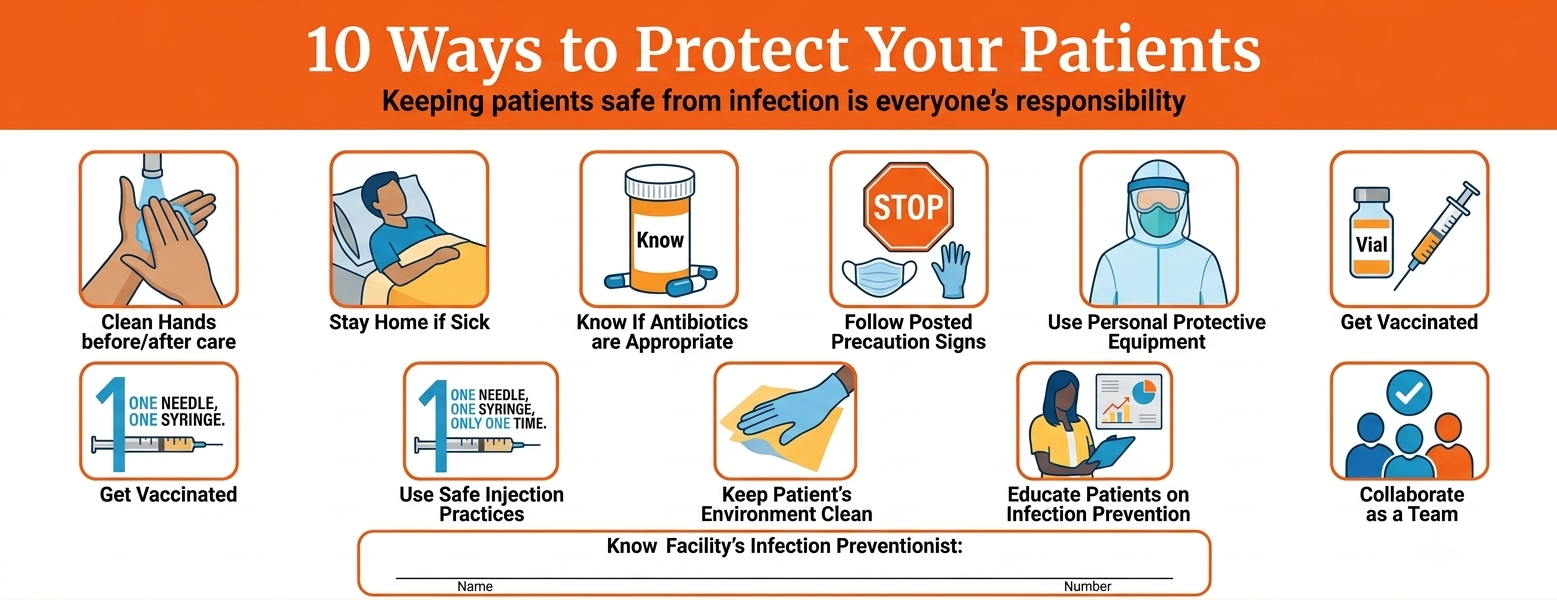
Personal Protective Equipment (PPE) plays a vital role in reducing the transmission of infectious microorganisms within healthcare and social care environments. An effective Infection Control Course explains not only what PPE is, but also why selecting the correct protective equipment for each situation is essential for maintaining patient safety and protecting healthcare professionals.
Throughout this module, learners explore the different types of PPE used across healthcare settings, including disposable gloves, aprons, gowns, surgical masks, respirators, eye protection and face shields. Understanding when each item should be worn helps minimise cross-contamination while ensuring compliance with infection prevention guidelines.
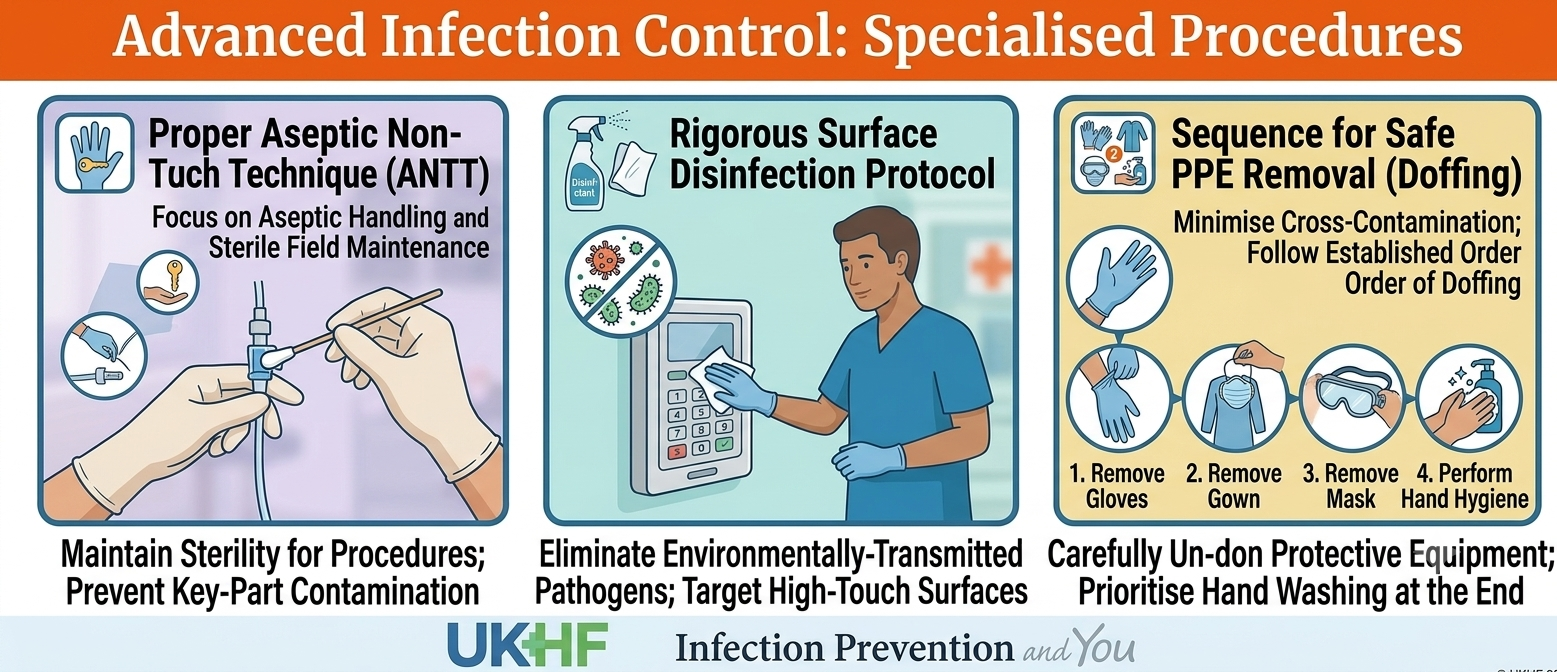
The course also explains the correct sequence for putting on (donning) and removing (doffing) PPE. Incorrect removal can transfer harmful microorganisms from contaminated equipment onto clothing or skin, significantly increasing infection risks. By following recognised infection prevention procedures, learners develop safer working practices that protect themselves, patients and colleagues.
In addition, this module highlights the importance of safely disposing of single-use PPE and maintaining reusable protective equipment according to workplace policies and manufacturer guidance.
Module 7: Cleaning, Disinfection and Sterilisation
Maintaining a clean healthcare environment is fundamental to effective infection prevention and control. However, many people mistakenly believe that cleaning, disinfection and sterilisation are identical processes. This module clearly explains the differences between each method and demonstrates how they work together to reduce infection risks.
Learners begin by understanding environmental cleaning, which removes visible dirt, dust and organic matter from surfaces. Effective cleaning provides the foundation for successful disinfection by allowing disinfectants to work properly.
The module then explores disinfection techniques that destroy or reduce harmful microorganisms on equipment and environmental surfaces. Learners examine commonly used disinfectants, safe application methods and situations where different cleaning agents are required.
Finally, the course introduces sterilisation, explaining how specialist procedures eliminate all forms of microbial life from surgical instruments and reusable medical equipment. Understanding these processes enables healthcare workers to appreciate the importance of following established decontamination procedures while maintaining patient safety.
Practical examples throughout this module demonstrate how proper environmental hygiene significantly reduces healthcare-associated infections and contributes to safer clinical environments.
Module 8: Waste Management and Safe Disposal Procedures
Healthcare environments generate a wide variety of waste materials, many of which require careful handling to prevent infection transmission. This module explores safe waste management practices that protect patients, staff, visitors and the wider community.
Learners discover how healthcare waste is classified and why different categories require different disposal methods. The course explains the handling of clinical waste, offensive waste, pharmaceutical waste, sharps waste and domestic waste while emphasising the importance of colour-coded waste segregation systems.
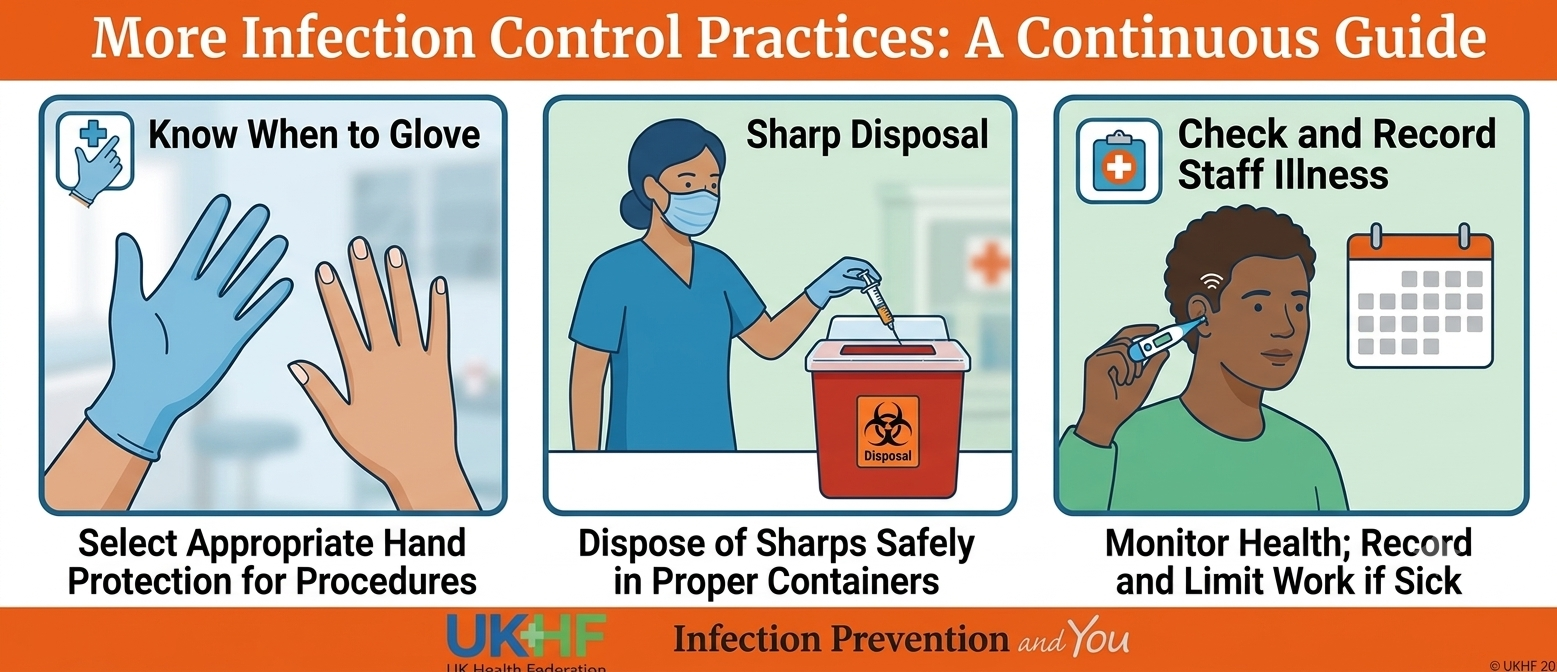
Special attention is given to sharps safety, including the correct handling and disposal of needles, scalpels and other sharp instruments that may expose healthcare workers to blood-borne viruses. Learners understand why recapping needles should be avoided and how sharps injuries should be reported and managed according to workplace procedures.
Effective waste management is not only a legal responsibility but also an essential component of infection prevention that helps reduce environmental contamination and protect public health.
Module 9: Healthcare-Associated Infections (HCAIs)
Healthcare-associated infections remain one of the most significant challenges facing modern healthcare systems. These infections develop during healthcare delivery and may affect patients receiving treatment in hospitals, residential care homes, outpatient clinics or community healthcare services.
This module introduces learners to common healthcare-associated infections while exploring how these infections develop and why vulnerable patients face greater risks. You will examine contributing factors such as invasive procedures, prolonged hospital stays, antimicrobial resistance and inadequate infection prevention practices.
Rather than focusing solely on statistics, the course encourages learners to understand the real impact of HCAIs on patient wellbeing, healthcare resources and clinical outcomes. Preventing these infections requires consistent adherence to infection prevention measures at every stage of patient care.
The module also explains how surveillance, early recognition, isolation procedures and multidisciplinary teamwork contribute to reducing infection rates and improving patient safety across healthcare organisations.
Module 10: Risk Assessment and Infection Prevention Planning
Every healthcare environment presents unique infection risks. Effective infection prevention therefore requires continuous assessment rather than relying solely on routine procedures.
This module introduces learners to infection risk assessment, helping them identify situations where additional precautions may be required. Learners examine patient vulnerability, environmental hazards, clinical procedures, exposure risks and workplace practices that influence infection transmission.
You will discover how dynamic risk assessments allow healthcare professionals to respond appropriately when caring for individuals with suspected or confirmed infectious diseases while maintaining safe working environments.
The module also explores the importance of documenting infection risks, communicating concerns within multidisciplinary teams and reviewing infection prevention strategies to ensure continuous improvement.
Module 11: Legal Responsibilities and Professional Standards
Infection prevention is supported by legislation, professional guidance and organisational policies that help protect patients and healthcare workers alike. This module provides an overview of the legal and ethical responsibilities associated with infection prevention across health and social care settings.
Learners explore employer responsibilities, employee responsibilities, workplace health and safety requirements and professional accountability. The course explains why following established infection control procedures is not only good clinical practice but also an important legal obligation.
Documentation, incident reporting, confidentiality and continuous professional development are also discussed as essential components of high-quality infection prevention practice.
Understanding these professional responsibilities helps learners appreciate the wider role infection control plays in maintaining public confidence, regulatory compliance and safe healthcare delivery.
Benefits of Completing an Infection Control Course with a CPD Certificate
Completing an Infection Control Course with a CPD Certificate offers benefits that extend far beyond meeting mandatory workplace training requirements. It provides learners with practical knowledge that improves patient safety, strengthens professional confidence and supports high standards of healthcare delivery.
One of the greatest advantages of infection control training is the ability to recognise infection risks before they become serious problems. By understanding how infections spread and how transmission can be interrupted, healthcare professionals can contribute directly to reducing avoidable illness and protecting vulnerable individuals.
The course also strengthens awareness of evidence-based infection prevention practices, enabling learners to apply consistent hygiene standards across a wide variety of healthcare environments. This confidence supports safer decision-making while improving communication within multidisciplinary teams.
For those seeking employment or career progression, a CPD certificate demonstrates commitment to continuing professional development. Employers increasingly value individuals who invest in maintaining current healthcare knowledge and who understand the importance of infection prevention within modern clinical practice.
Care Applications of Infection Control Training
The principles taught throughout this course apply across almost every area of healthcare and social care. Effective infection prevention is not limited to hospitals—it influences the quality of care delivered in countless professional settings.
Within hospitals, infection control procedures help reduce healthcare-associated infections, protect surgical patients and improve recovery outcomes. In residential care homes, strong infection prevention practices reduce outbreaks while protecting older adults and individuals with long-term health conditions.
Community healthcare professionals use infection control knowledge during home visits, ensuring safe care delivery outside traditional clinical environments. Dental practices rely on strict decontamination procedures, instrument sterilisation and cross-infection prevention to protect patients and staff.
Childcare settings also benefit from infection prevention knowledge, particularly during seasonal illness outbreaks where good hygiene practices help reduce transmission among young children.
Beyond healthcare, infection control principles support safe working practices in beauty therapy, tattoo studios, hospitality, education, emergency services and many other industries where hygiene remains a priority.

Table of Contents

Skills You Will Develop
By completing this online Infection Control Course, you will strengthen both technical knowledge and transferable professional skills that support safer healthcare practice.
You will develop a comprehensive understanding of infection transmission, standard infection control precautions, hand hygiene, PPE, environmental cleaning, decontamination procedures, waste management and infection risk assessment.
In addition to technical knowledge, the course improves critical thinking, professional accountability, attention to detail, communication and problem-solving skills. These transferable abilities are valuable across healthcare, social care, childcare, public health and numerous customer-facing professions where health, safety and wellbeing remain priorities.
Most importantly, you will gain greater confidence in applying infection prevention principles within real-world care settings while contributing to safer, higher-quality services.
Who Should Take This Infection Control Course?
This Infection Control Course with CPD Certificate is suitable for anyone who wishes to improve their understanding of infection prevention, regardless of previous experience. The flexible online learning format makes it particularly accessible for beginners while also providing valuable refresher training for experienced professionals.
The course is highly relevant for healthcare assistants, nurses, support workers, care workers, domiciliary carers, residential care staff, nursing associates, therapy assistants, dental nurses, pharmacy assistants, medical receptionists and allied healthcare professionals. It is equally valuable for childcare practitioners, nursery staff, school support workers, cleaners working within healthcare environments and individuals employed in community health services.
Employers may also use infection control training as part of staff induction or continuing professional development programmes to promote safer working practices throughout their organisations.
CPD Certificate and Professional Development
After successfully completing the course and meeting the assessment requirements, learners are eligible to receive a CPD Certificate in Infection Control.
A CPD certificate demonstrates that you have completed structured professional learning designed to enhance your knowledge and skills. It can support your continuing professional development portfolio, strengthen your CV and demonstrate your commitment to maintaining high professional standards.
Although a CPD certificate is widely valued by employers, it should be understood as evidence of continuing professional development rather than a regulated professional qualification. The course complements existing healthcare education and workplace training but does not replace mandatory professional registration or statutory qualifications where these are required.
Career Benefits of Infection Control Training
Knowledge of infection prevention and control is increasingly important across healthcare, health and social care, childcare and community services. Employers seek professionals who understand safe working practices because effective infection prevention directly influences patient safety, regulatory compliance and service quality.
Completing an Infection Control Course can strengthen applications for roles such as Healthcare Assistant, Care Worker, Support Worker, Nursing Assistant, Therapy Assistant, Dental Nurse, Residential Care Worker and Community Care Assistant. Existing healthcare professionals may also use the course to refresh their knowledge and demonstrate continued commitment to best practice.
While no training programme guarantees employment, infection control knowledge remains one of the most valuable competencies within modern healthcare and is often expected across a wide range of clinical and care settings.
Frequently Asked Questions
What is an Infection Control Course?
An Infection Control Course is a professional training programme that teaches learners how to prevent the spread of infectious diseases by applying evidence-based infection prevention and control measures. The course covers essential topics such as hand hygiene, personal protective equipment (PPE), infection transmission, decontamination, waste management, risk assessment and healthcare-associated infections (HCAIs). It is designed to help individuals maintain safe, hygienic and compliant environments across healthcare, health and social care, childcare and community settings.
Is this Infection Control Course suitable for beginners?
Yes. This online Infection Control Course with CPD Certificate is suitable for beginners as well as experienced healthcare professionals who wish to refresh their knowledge. No previous infection prevention training is usually required, making the course an excellent starting point for individuals entering healthcare, care work or related professions.
Can I study the Infection Control Course online?
Yes. The course is delivered entirely online, allowing you to study whenever and wherever it suits you. Flexible online learning enables you to balance your studies alongside work, family commitments and other responsibilities while progressing through the course at your own pace.
What will I learn in this Infection Control Course?
You will develop a comprehensive understanding of infection prevention principles, routes of infection transmission, hand hygiene techniques, PPE, environmental cleaning, sterilisation, waste management, infection risk assessment, healthcare-associated infections, legal responsibilities and safe working practices. The course provides practical knowledge that can be applied in a wide variety of healthcare and care environments.
Will I receive a CPD Certificate after completing the course?
Yes. After successfully completing the course and meeting the assessment requirements, learners are eligible to receive a CPD Certificate in Infection Control. The certificate demonstrates your commitment to continuing professional development and can be included in your CV or professional portfolio.
Is an Infection Control Course recognised by employers?
Many employers across healthcare, health and social care, childcare and community services value CPD-certified training because it demonstrates professional development and a commitment to maintaining current knowledge. However, a CPD certificate supports your professional learning and should not be considered a regulated qualification where statutory registration or licensing is required.
Why is infection prevention important in healthcare?
Effective infection prevention protects patients, healthcare professionals and visitors from avoidable infections. Strong infection control practices reduce healthcare-associated infections, improve patient outcomes, minimise healthcare costs and help organisations maintain high standards of clinical safety and regulatory compliance.
What are Standard Infection Control Precautions (SICPs)?
Standard Infection Control Precautions are evidence-based measures used to minimise infection risks during every patient interaction. They include hand hygiene, appropriate use of PPE, respiratory hygiene, environmental cleaning, safe waste disposal, sharps management and effective decontamination procedures.
Who should take an Infection Control Course?
This course is suitable for healthcare assistants, nurses, support workers, care workers, residential care staff, domiciliary carers, dental professionals, pharmacy assistants, childcare practitioners, cleaners working within healthcare settings, community healthcare staff and anyone responsible for maintaining safe hygiene standards.