

When it comes to health and social care, learning never stops. Every great carer keeps developing new skills and insights because people’s needs are always changing. That’s why Care Certificate Standard 2 is so important. It shows that personal development is about more than ticking off training modules, but about growing every day to provide better care.
Standard 2 of the Care Certificate focuses on your personal development and helps you reflect on your work, set clear goals and build the skills you need to deliver safe, effective support. By encouraging you to plan and review your learning, Standard 2 makes sure you’re ready for whatever your role brings.
In this article you’ll learn:
- What Care Certificate Standard 2 involves and why it matters
- Why personal development is vital in care
- How to plan, record and reflect on your learning
- Practical ways to keep developing in your role
- How Standard 2 supports your long‑term career growth
What Is Care Certificate Standard 2?
Standard 2 is all about your personal development. It’s designed to help care workers take ownership of their learning and growth. The standard requires you to understand how to develop yourself at work, identify learning needs and create a personal development plan. A personal development plan is an action plan to organise learning, identify areas for improvement and track progress.
When you first start in a care role, the Care Certificate forms part of your induction and is the beginning of lifelong learning. Standard 2 makes sure that the learning doesn’t stop once you’ve completed your induction. Instead, it encourages you to keep developing your knowledge and skills by setting goals and evaluating your progress.
Why was the standard introduced?
The Cavendish Review (2013) highlighted the need for consistent training and professional development across the non‑regulated health and social care workforce. To address this, Skills for Care, Skills for Health and NHS England created the Care Certificate. Standard 2 helps care workers plan their learning and ensure that they have the right skills to meet the other standards – such as understanding your role, effective communication and providing person‑centred care.
How does it link to other standards?
Standard 2 is connected to many of the other Care Certificate standards. For example, understanding your role (Standard 1) requires you to be clear about your responsibilities, which may influence the goals in your personal development plan. Standards covering communication, equality, safeguarding and person‑centred support also benefit from regular reflection and learning. By planning your development, you ensure you stay up to date with best practice across all areas.
Why Personal Development Matters in Health and Social Care

Personal development isn’t just good for you – it’s good for the people you support and the organisations you work with. Here’s why:
1. It builds confidence and competence
When you reflect on your strengths and areas for improvement, you grow more confident in your ability to provide safe and effective care. Setting goals and achieving them helps you develop the skills you need for your job. A personal development plan gives structure to your learning and makes sure you focus on the right areas.
2. It improves quality and safety
Continuing to learn and reflect means you stay up to date with best practice, policies and legislation. Workers who invest in their development are better prepared to handle complex situations, which improves outcomes and reduces risk for service users. The Care Quality Commission (CQC) and Skills for Care expect employers to support training and development as part of induction and ongoing competence.
3. It builds professionalism and accountability
Health and social care is a professional career. Keeping a personal development plan shows that you take responsibility for your actions and are committed to providing high‑quality care. It helps you meet professional standards and demonstrates your commitment to continuous improvement.
4. It supports your career growth
By reviewing your goals and achievements, you can plan for the future. Personal development helps you identify the skills you need to progress to senior roles or pursue further qualifications. It also boosts job satisfaction by showing you how much you’ve achieved.
How to Create a Personal Development Plan (PDP)
A personal development plan (PDP) is an organised action plan that identifies your learning needs, sets goals and records your progress. Here’s how to create one:
1. Identify strengths and areas for improvement
Start by reflecting on what you do well and where you could improve. Think about the knowledge, skills and behaviours listed in the Care Certificate standards and consider how you measure up. You can discuss this with your supervisor or mentor.
2. Set SMART goals
Your objectives should be Specific, Measurable, Achievable, Relevant and Time‑bound (SMART). For example, instead of saying “I want to improve communication,” you might set a goal to “complete a short course on communicating with people living with dementia by the end of next month.” SMART goals help you focus and track your progress.
3. Plan learning activities
Decide what you need to do to achieve your goals. This might include training courses, job shadowing, reading guidance, mentoring or e‑learning. Use a variety of resources – the Care Certificate, your manager, senior staff, policies and procedures, and further training. You could also plan to attend a dementia awareness workshop or practise your skills on the job.
4. Record and review progress
Keep a record of what you’ve learned and how you’ve applied it. Use a learning log, journal or digital portfolio. Regularly review your progress with your supervisor during supervision sessions. During induction, workers should meet with supervisors to agree on how long the Care Certificate and induction training will take and discuss continuing professional development. Supervision and appraisal sessions give you the opportunity to discuss concerns, review progress and update your plan.
Example: Improving communication with people living with dementia
Imagine you’re a care assistant who wants to communicate better with people living with dementia. Your personal development plan might include attending a dementia communication workshop, reading guidance on supporting memory loss, and asking a senior colleague to observe your interactions and provide feedback. You would then record what you’ve learned, reflect on what worked and plan your next steps.
The Role of Reflection in Personal Development
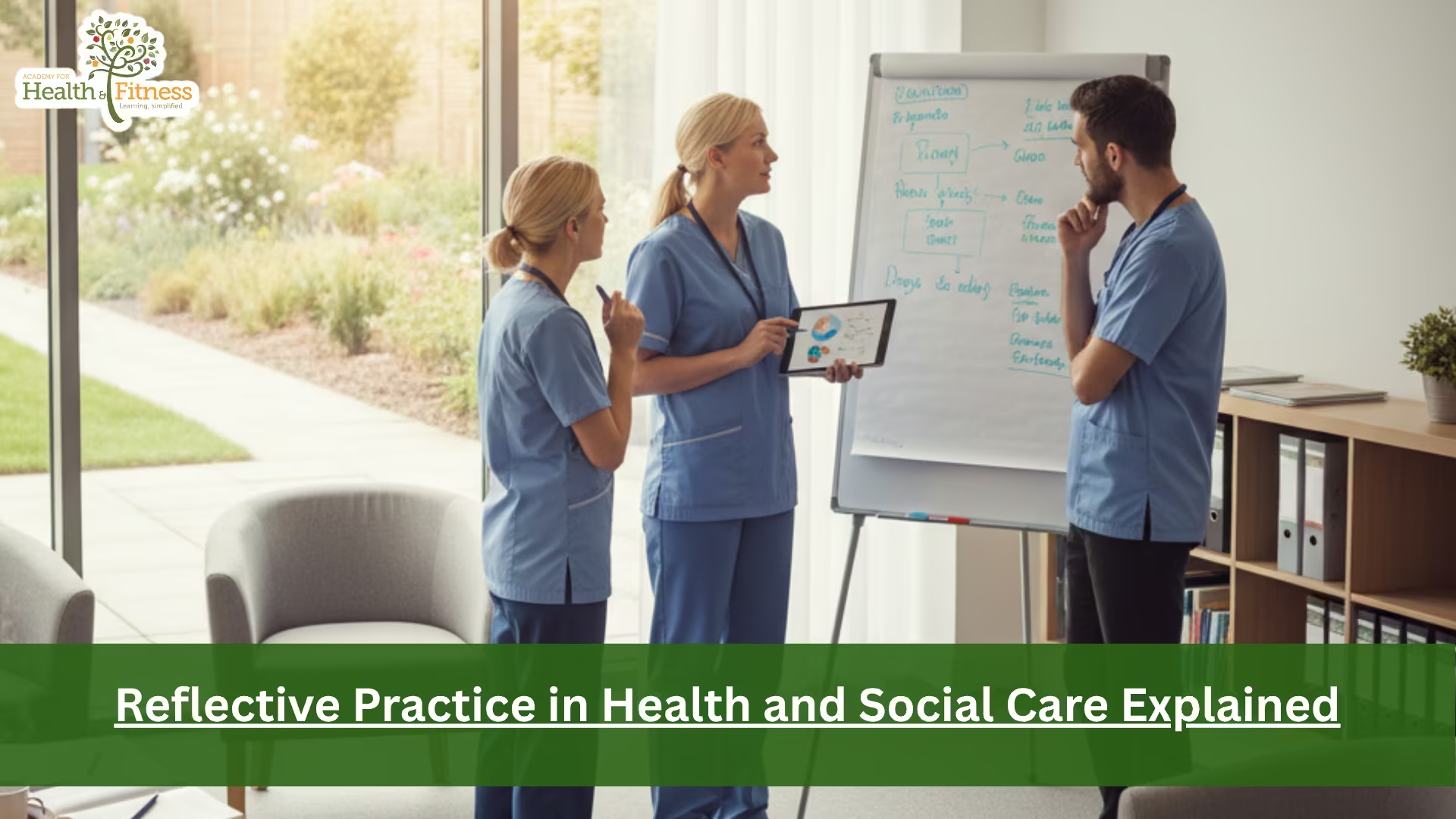
Reflection is a key part of personal development. It involves thinking about what you’ve done, what went well and what could be improved. This helps you understand how your actions affect others and identify areas for improvement.
Why reflect?
Reflecting after each shift, training session or experience allows you to learn from real situations. It encourages you to think about how you handled a situation and how you might do it differently next time. Reflection promotes self‑awareness, time management, stress management and assertiveness.
How to reflect effectively
Use simple questions to guide your reflection:
- What went well? Identify positive actions and why they were effective.
- What could I improve? Think about what didn’t work and why.
- What have I learned? Consider how the experience contributes to your personal development.
- What will I do next time? Plan how to apply what you’ve learned in future situations.
You can reflect by writing in a journal, discussing with your supervisor or using a learning log. Feedback from colleagues and service users helps you identify areas for improvement.
How to Record and Review Your Learning
Keeping a learning record or portfolio shows what you’ve learned and how you’ve applied it. Supervisors and managers use your learning record during appraisals and assessments. They look at your progress towards achieving the Care Certificate and your personal development goals. Use feedback from colleagues or service users to update your PDP and identify new goals.
This process is important because the Care Certificate cannot be completed through e‑learning alone. Workers must demonstrate their knowledge and skills in practice, and their competence must be assessed by a qualified assessor. Keeping a record helps you show evidence of your competence during assessments.
Practical Ways to Develop in Your Role
There are many ways to continue your personal development. Here are some practical suggestions:
- Attend training and refresher sessions – Keep your knowledge up to date by attending courses and workshops.
- Seek mentorship or supervision – Discuss your progress and development needs with your supervisor or a mentor during regular supervision meetings.
- Volunteer for new responsibilities – Take on new tasks or work with different client groups to broaden your experience.
- Learn from colleagues and observe best practice – Shadow experienced colleagues and see how they handle situations.
- Ask for feedback regularly – Ask colleagues and service users for feedback to identify strengths and areas for improvement.
- Read care‑related resources – Keep up with updates from the NHS, Skills for Care and other sources to stay informed about best practice and policy changes.
Personal development is empowering. It enables you to take control of your learning and grow in confidence.
How Care Certificate Standard 2 Supports Career Progression

Investing in your personal development doesn’t just improve your current practice; it lays the groundwork for future growth. By setting goals, recording progress and reflecting on your work, you build a strong foundation for further qualifications like Level 2 or Level 3 Diplomas. You also demonstrate a commitment to professional growth, which helps when applying for senior or specialist roles.
Continuous learning encourages you to pursue new opportunities and develop new skills. It shows employers that you’re committed to providing high‑quality care and improving your practice, which can lead to greater job satisfaction and career advancement.
Common Misunderstandings About Standard 2
There are a few myths about Standard 2 that can hold people back:
- “It’s just about attending training.” Personal development isn’t limited to formal courses – it includes reflection, feedback, mentoring and on‑the‑job learning. You need to apply what you’ve learned in practice and reflect on how you can improve.
- “Supervision is only for managers.” Supervision sessions are for everyone. They give you time to discuss your progress, raise concerns and plan your development with support from a supervisor.
- “Once I complete the Care Certificate, I’m done learning.” The Care Certificate is the beginning of your learning. Standards like Standard 2 encourage ongoing development throughout your career. The social care sector evolves, and continuing professional development is essential for maintaining high standards.
Conclusion
Personal development is at the heart of high‑quality care. By following Care Certificate Standard 2, you’ll build confidence, stay up to date with best practice and ensure that your care meets the needs of those you support. Reflecting on your work, setting goals and recording your progress helps you grow both personally and professionally.
Learning is a journey that never stops. When you embrace continuous development, you enhance your skills and enrich the lives of the people you care for. For structured, flexible learning that supports your growth, explore our Care Certificate Online Training Course.