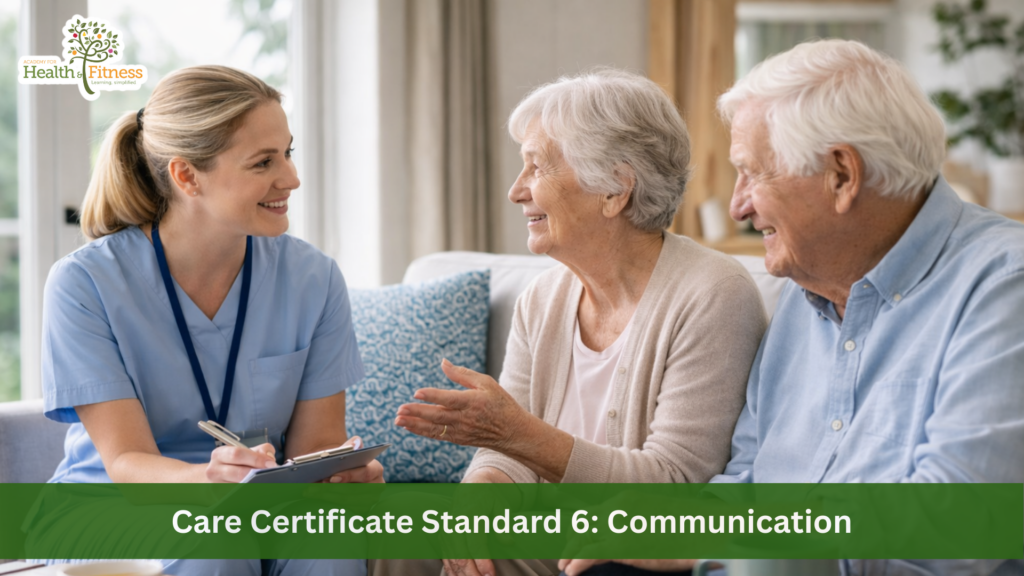


When you step into a caring role, you quickly realise that communication is everything. Whether you are providing personal care, supporting someone with a meal or simply offering reassurance, your words – and the way you use them – matter.
In simple terms, Care Certificate Standard 6 teaches you how to listen, understand and respond effectively. It reinforces that communication is essential to health and social care: without it, people cannot feel heard, safe or respected.
In this article you’ll learn:
- What Standard 6 requires – a clear definition of the communication standard and why it is important.
- Types of communication you will use in care – verbal, non‑verbal, written and digital.
- Communication barriers and how to overcome them using practical examples.
- Active listening and building trusting relationships.
- Documentation, reporting and record‑keeping – why good records protect people and support continuity of care.
- Real examples and practical techniques to make communication easier every day.
What is Care Certificate Standard 6?
Care Certificate Standard 6 is all about communication – the ability to listen, understand and respond appropriately to the people you support and the colleagues you work with. The standard exists because communication builds trust and relationships in care; it allows you to develop knowledge and understanding so that you can provide the best care and support.
Most communication is non‑verbal – gestures, tone of voice, body language and facial expressions often say more than words. By learning to read these cues, adjusting your language and choosing the right method, you can tailor communication to each individual’s needs and preferences.
The standard emphasises listening and responding. It reminds us to use plain English, avoid jargon, and adapt our communication to suit the individual. Good communication means being able to check understanding, ask open questions, summarise information and document conversations accurately. It also includes maintaining confidentiality and respecting people’s rights to privacy and dignity.
Why communication matters in health and social care
Effective communication underpins person‑centred care. When you listen carefully and adjust your communication style, you ensure that individuals have a voice in decisions that affect them. This prevents misunderstandings and errors, promotes dignity and respect, and helps build positive relationships with service users and their families.
Good communication also protects safety and continuity of care. If you accurately record information and share it with the right people, everyone is aware of an individual’s needs, preferences and any risks. This reduces harm and ensures that support remains consistent when staff change.
For example, imagine you are supporting someone with dementia who struggles to find words. By watching their facial expressions and body language, slowing your own speech and giving them time to respond, you can understand their needs and reduce frustration. This simple adaptation not only improves the person’s comfort but also helps prevent distress or unsafe situations.
Types of communication you’ll use in care

Communication in care takes many forms:
- Verbal communication – using clear language, an appropriate tone and avoiding jargon; adjusting your pitch and pace to suit the individual.
- Non‑verbal communication – body language, facial expressions, gestures and eye contact; these cues often convey emotion and intentions.
- Written communication – care notes, care plans and records; clear, factual writing is vital to ensure continuity and legal compliance.
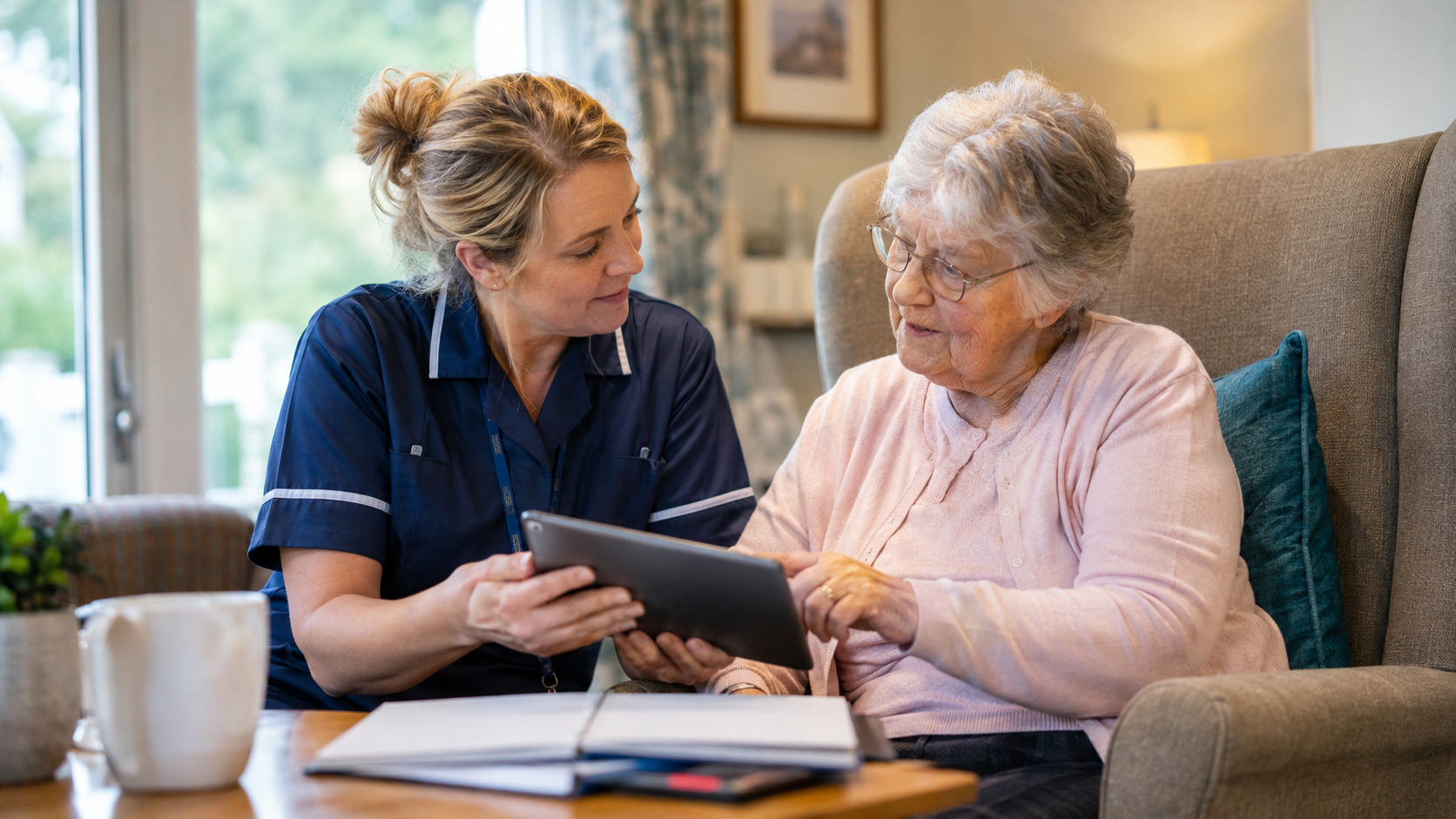
- Digital communication – emails, texts and electronic care management systems; useful for updates and alerts, but always subject to confidentiality and data‑protection rules.
- Alternative communication methods – sign language (British Sign Language), Makaton, picture cards, Braille or interpreters; these tools help you communicate with individuals who have sensory impairments or learning disabilities.
Good communication means choosing the method that suits the person you are supporting. You might use more than one method to ensure understanding and comfort.
Barriers to communication — and how to overcome them
Many factors can make communication difficult. Barriers include:
- Attitudes – being abrupt or rushing due to time pressures can cause frustration.
- Lack of aids – not providing hearing aids, communication passports or picture cards.
- Body positioning – sitting too close or too far can feel intimidating.
- Emotions – anger, fear, depression or anxiety may affect how a person communicates.
- Physical conditions – breathlessness, pain, hearing or sight loss.
- Lack of privacy – noisy environments or no private space.
- Cultural and language differences – different beliefs, customs or languages can lead to misunderstandings.
- Cognitive conditions – dementia or learning disabilities may affect understanding.
- Environmental factors – poor lighting or noise levels.
To reduce these barriers, you can:
- Learn about the person’s communication needs and preferences. Communication passports or easy‑read profiles with photos can help.
- Use open body language and allow time for responses.
- Provide aids such as hearing amplifiers, picture cards or Makaton charts.
- Ensure privacy by finding a quiet space for sensitive conversations.
- Use plain language and check understanding by asking open questions.
- Learn about cultural values and involve interpreters if needed.
- Adapt your own communication – for example, use touch gently to reassure someone who cannot see or hear well.
Remember that barriers often overlap, so you may need to combine approaches. For example, if someone is anxious and in pain, taking time, using a calm tone and ensuring a comfortable seat can make a huge difference.
Active listening — a core skill in care
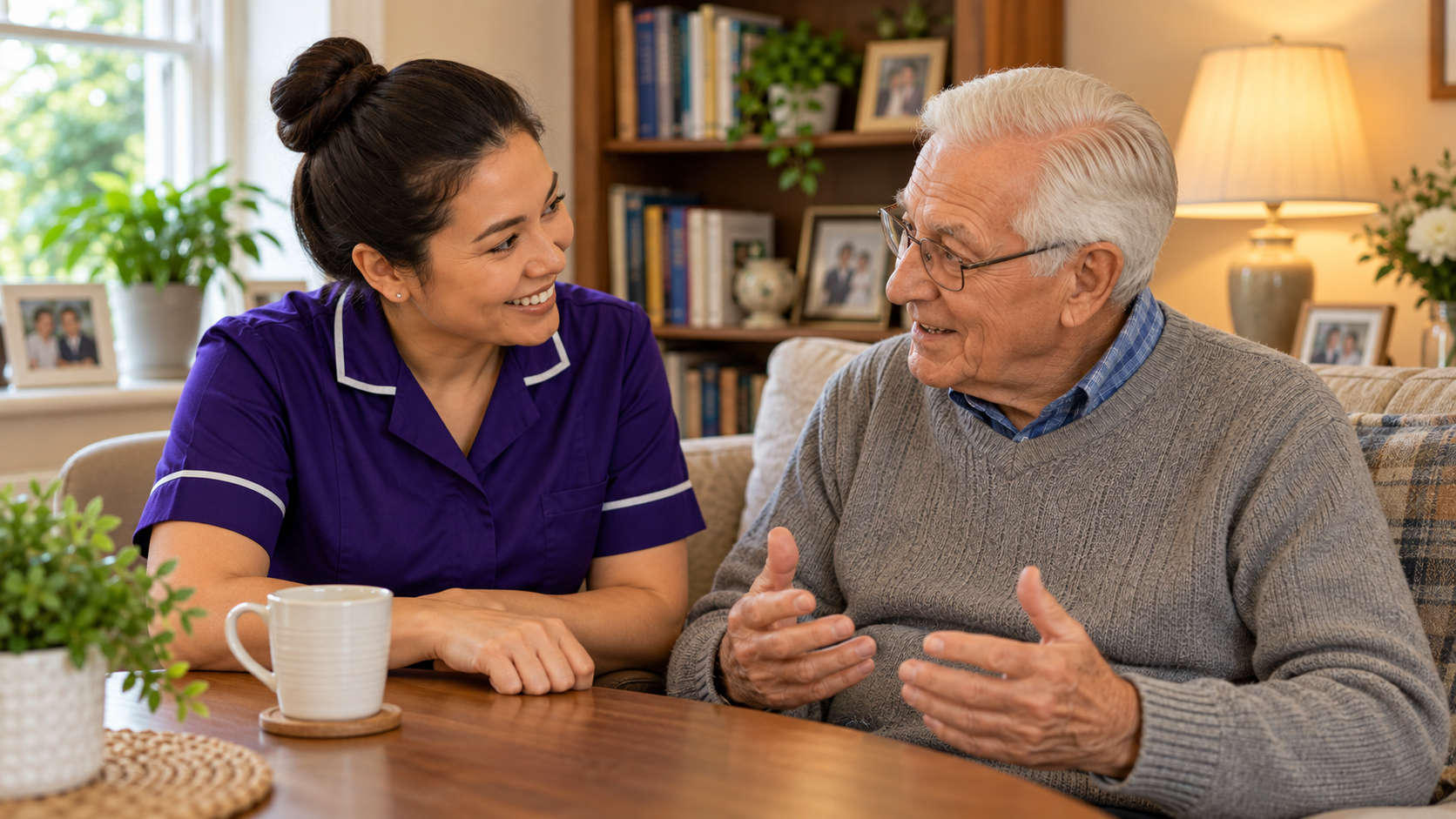
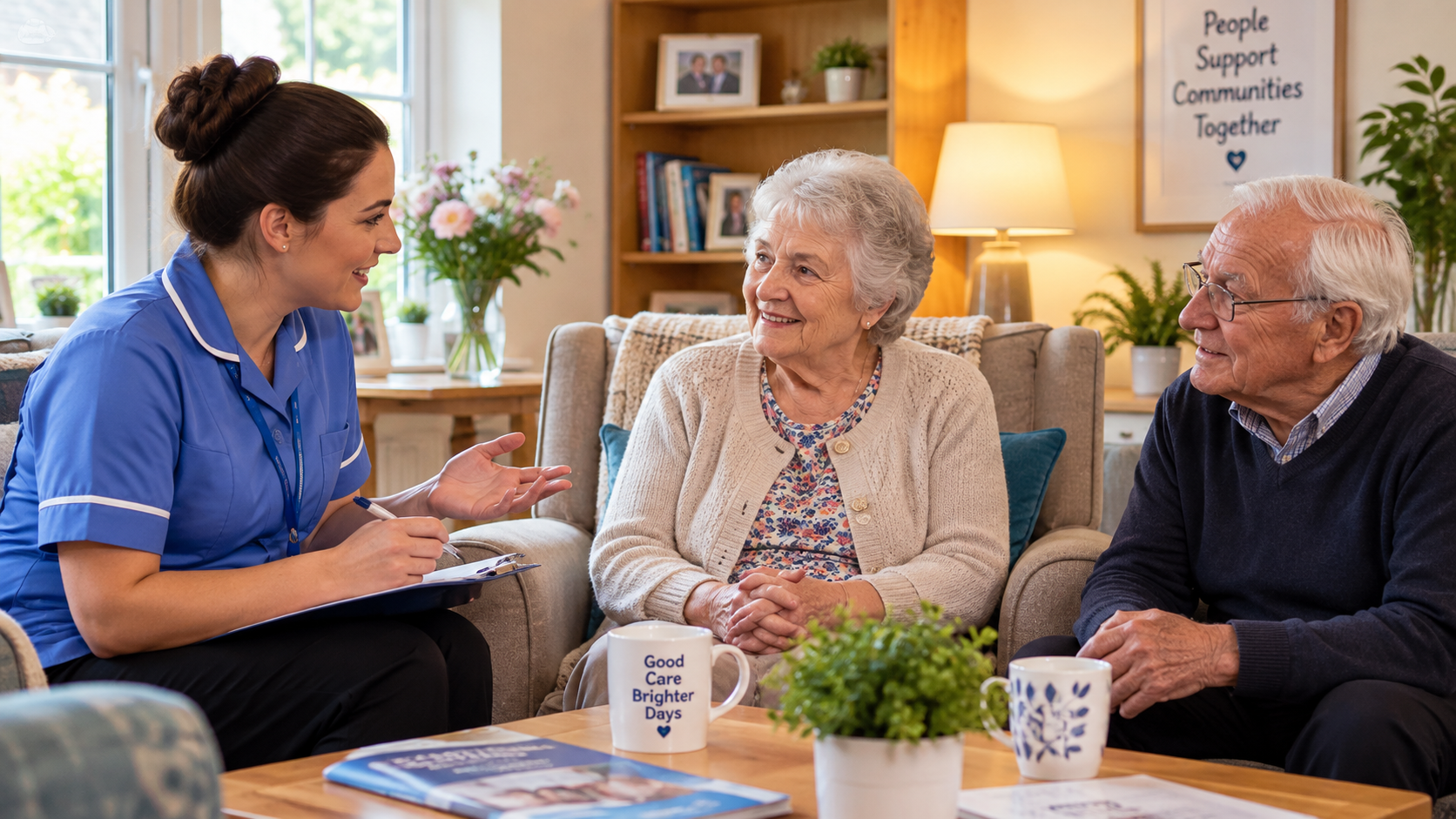
Active listening is more than hearing words; it means giving someone your full attention and demonstrating that you have understood. Good listeners show they are listening by nodding, maintaining appropriate eye contact and adopting an open posture. They summarise key points back to the person to ensure mutual understanding. They ask open questions (“How are you feeling today?”) rather than closed ones (“Are you okay?”) to encourage fuller responses.
Active listening builds trust and shows respect. For example, when a service user explains they are worried about a change in routine, you can reflect back what you heard and ask questions to clarify. This helps them feel heard and supports you to provide the right reassurance or make appropriate adjustments.
Using communication to build positive relationships

Communication is the foundation for positive relationships in health and social care. To build trust and rapport:
- Respect personal preferences – ask people how they want to be addressed and what matters to them.
- Understand cultural or religious communication needs – for example, some cultures value more personal space or certain forms of eye contact.
- Be patient and allow processing time – particularly important for individuals who find it hard to process information quickly.
- Show empathy – acknowledge feelings and emotions without judgement.
- Check understanding rather than making assumptions – summarise and ask follow‑up questions.
These simple strategies create a sense of respect and partnership. When people feel understood and involved, they are more likely to share information honestly and engage in their own care.
Record‑keeping and reporting under Standard 6
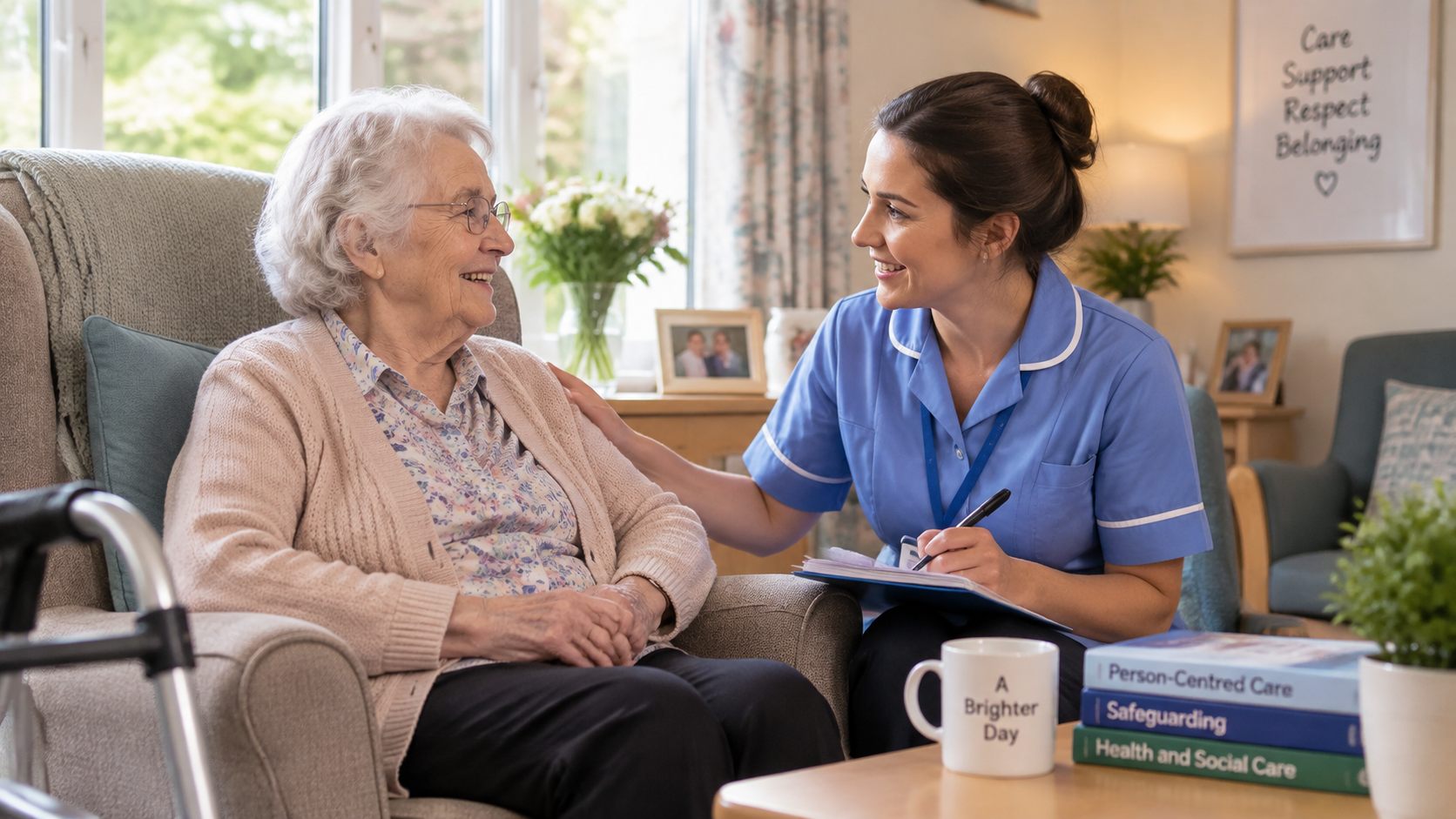
Recording and reporting are essential components of communication in care. Accurate documentation ensures continuity, supports safeguarding and protects both the worker and the person receiving care. Good records are clear, factual, timely and objective – they should describe what happened, not personal opinions.
Confidentiality is paramount. Trust depends on personal information being kept secure and only shared on a need‑to‑know basis. Legislation such as the General Data Protection Regulation (GDPR) and human rights law protect individuals’ rights to a private life. There are rare circumstances – such as risk of harm or serious crime – where you may need to share information without consent, but always follow your organisation’s procedures.
Practical communication techniques for everyday care
Effective communication is a skill you can practise every day. Here are some practical techniques:
- Use plain English and avoid jargon; explain medical terms in simple words.
- Adapt your approach – speak clearly and face someone when talking; slow down or repeat information if needed.
- Confirm understanding – ask the person to repeat or summarise what you said; summarise key points yourself.
- Offer choices clearly – present options and check which the person prefers.
- Create a calm environment – reduce noise and interruptions during conversations.
- Use visual aids or gestures – pictures, objects or hand movements can support understanding.
- Involve families or advocates when appropriate; they may know the person’s communication style and help interpret needs.
- Reflect on your interactions – think about what worked well and what you could do differently next time.
How Standard 6 links to the wider Care Certificate

Communication underpins many other Care Certificate standards:
- Standard 1 – Understanding your role: You need to communicate clearly to learn about your responsibilities and ask for guidance.
- Standard 3 – Duty of care: You must raise concerns and share information effectively to keep people safe.
- Standard 5 – Working in a person‑centred way: Person‑centred planning relies on listening to what matters to people.
- Standard 10 – Safeguarding adults: Reporting abuse or neglect requires clear communication and accurate records.
By improving your communication skills, you strengthen every aspect of care and contribute to a safer, more respectful environment.
Common misunderstandings about communication in care
It’s easy to think communication is simply talking. In fact, there are several misconceptions:
- “Communication is just talking.” Non‑verbal cues and active listening are just as important as words.
- “Everyone understands things the same way.” Cultural differences, cognitive conditions and language barriers mean people need information delivered in different ways.
- “Writing things down isn’t important.” Accurate records are essential for continuity, safeguarding and legal reasons.
- “Non‑verbal communication doesn’t matter.” Body language, facial expressions and gestures can reveal how a person feels even when they cannot speak.
Addressing these misunderstandings helps ensure all care workers take communication seriously and strive to improve.
Conclusion
Communication is at the heart of compassionate, safe care. Care Certificate Standard 6 teaches us to listen, adapt and respond so that every person we support feels heard, respected and safe. By paying attention to words, tone, body language and documentation, we build trust, prevent errors and uphold dignity.
Use Standard 6 as a guide to continually develop your communication skills. By embracing active listening, overcoming barriers and tailoring your approach, you will provide more person‑centred support and enhance the quality of life for those you care for.
For structured, flexible learning that supports your growth, explore our Care Certificate Online Training Course.