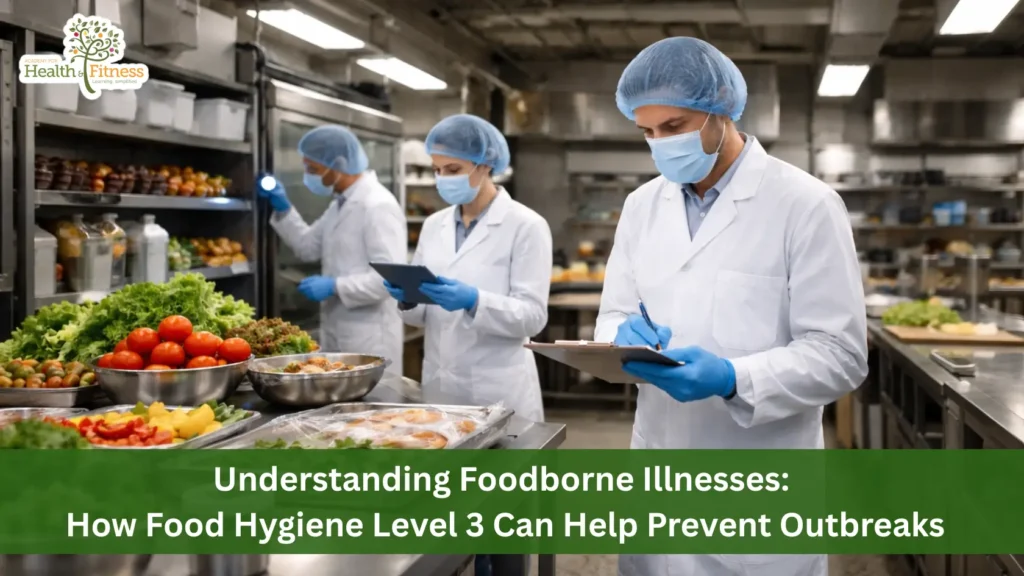


According to the Food Standards Agency, the UK sees an estimated 2.4 million cases of foodborne illness annually. These outbreaks are far more than minor “stomach bugs”; they frequently result in serious hospitalisations, crippling legal battles, and the permanent closure of once-thriving food businesses.
The solution involves a vital shift in perspective. To effectively mitigate these risks, management must transition from the basic “doing” tasks associated with Level 2 hygiene to the comprehensive “managing” approach found in Level 3.
While Level 2 is essential for frontline handlers, Level 3 training provides the strategic oversight necessary to identify system failures before an outbreak occurs. This advanced knowledge empowers supervisors to proactively protect both public health and their business’s reputation.
What Are Foodborne Illnesses?

Foodborne illnesses are illnesses you get from eating food that isn’t safe. This usually happens when harmful bacteria, viruses, or toxins get into food. Although food safety standards in the UK are high, these illnesses still affect thousands of people every year.
Most cases happen because of simple, everyday mistakes. For example, food can become unsafe if hands aren’t washed properly, food isn’t cooked through, or raw and ready-to-eat foods touch each other. As a result, bacteria can spread quickly, especially in busy kitchens.
For instance, storing raw chicken above prepared food in a fridge can cause contamination, even if everything looks clean. That’s why understanding how foodborne illnesses start is important. Once you know the risks, you can take the right steps to prevent them.
Common Foodborne Illnesses in the UK
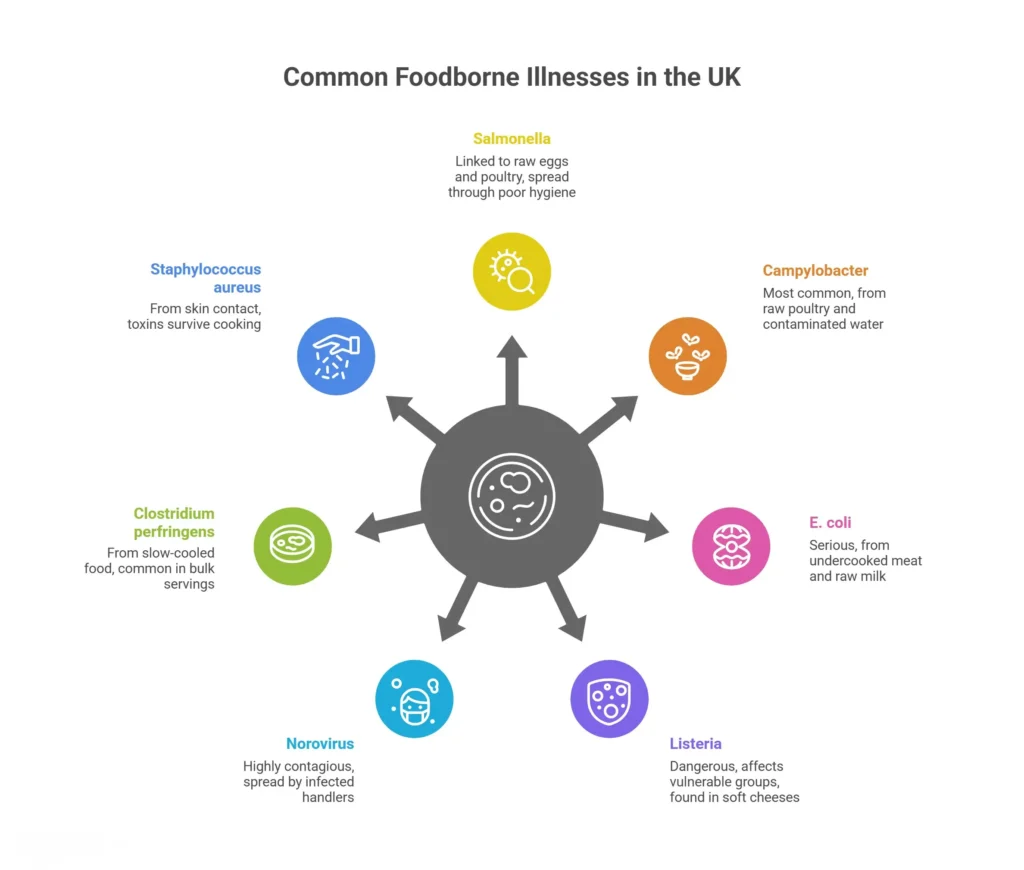
In the UK, certain foodborne illnesses appear again and again. Although symptoms can vary, they often lead to stomach pain, diarrhoea, vomiting, and fever. Because many cases start in food businesses, it’s important that we understand the most common ones and how they spread.
Salmonella
Salmonella is one of the most well-known foodborne illnesses in the UK. It usually links to raw or undercooked eggs, poultry, and meat. However, poor hand hygiene can also spread it.
For example, if someone cracks raw eggs and then touches ready-to-eat food without washing their hands, bacteria can pass on easily. As a result, several customers may fall ill from one simple mistake.
Campylobacter
Campylobacter is actually the most common cause of food poisoning in the UK. It mainly comes from raw poultry, unpasteurised milk, and contaminated water.
Because only a small amount can cause illness, even splashing raw chicken juices onto surfaces can be enough. Therefore, cleaning and separation play a huge role in prevention.
Escherichia coli (E. coli)
- coli infections can be very serious, especially for children, older adults, and vulnerable people. This bacteria often comes from undercooked minced meat, raw milk, and contaminated vegetables.
For instance, burgers that look cooked on the outside but remain pink inside can still carry E. coli. That’s why checking core temperatures matters so much.
Listeria monocytogenes
Listeria is less common, but it’s one of the most dangerous foodborne illnesses. It mainly affects pregnant women, newborns, the elderly, and those with weak immune systems.
It’s often linked to ready-to-eat foods such as soft cheeses, pâté, smoked fish, and chilled meals. Since Listeria can grow in the fridge, poor temperature control and weak stock rotation can increase risk over time.
Norovirus
Norovirus spreads easily and often causes outbreaks, especially in catering and care settings. It doesn’t always come from food itself but from infected handlers.
For example, if a staff member returns to work too soon after being ill, they can contaminate food and surfaces. As a result, many people may become sick within a short time.
Clostridium perfringens
This illness usually links to large batches of cooked food that cool too slowly. It’s common in places serving food in bulk, such as canteens and events.
Because bacteria grow quickly in warm food, poor cooling and reheating practices can trigger outbreaks.
Staphylococcus aureus
Staphylococcus bacteria live on skin and in noses. They become a problem when food handlers touch food with uncovered cuts or poor hand hygiene.
Although cooking may kill the bacteria, the toxins can survive. Therefore, good personal hygiene and wound protection are essential.
Why Do Foodborne Illness Outbreaks Occur?
Foodborne illness outbreaks rarely happen because of one big mistake. Instead, they usually start when several small issues build up over time. While most food businesses aim to do the right thing, busy environments and poor habits can easily increase risk.
Poor Personal Hygiene
First of all, poor personal hygiene plays a major role in many outbreaks. When staff don’t wash their hands properly or return to work while ill, germs spread fast.
For example, a food handler who skips handwashing after using the toilet can contaminate multiple dishes in minutes. As a result, one person’s mistake can affect dozens of customers.
Cross-Contamination
Another common cause is cross-contamination. This happens when bacteria move from raw food to ready-to-eat food.
For instance:
- Using the same chopping board for raw chicken and salad
- Storing raw meat above cooked food in a fridge
- Using dirty cloths on clean surfaces
Because these actions often feel small, they’re easy to overlook. However, they can quickly lead to outbreaks.
Poor Temperature Control
Temperature control is also a major factor. If food doesn’t get cooked, cooled, or stored at the right temperature, bacteria can multiply quickly.
For example, leaving cooked food out to cool at room temperature for too long can allow harmful bacteria to grow. Therefore, proper monitoring and record keeping really matter.
Inadequate Cleaning and Sanitising
Even when kitchens look clean, hidden risks can remain. If cleaning schedules aren’t followed, bacteria can build up on equipment and surfaces.
As a result, food can become contaminated again straight after cleaning.
Lack of Training and Supervision
Finally, many outbreaks occur because staff lack proper training or supervision. When teams don’t fully understand food safety risks, mistakes become more likely.
That’s why stronger training and clear leadership make such a difference. When you understand the causes, you can break the chain before an outbreak starts.
The Real Impact of Foodborne Illness Outbreaks

Foodborne illness outbreaks affect far more than just one bad meal. While the symptoms may pass for some people, the wider impact can be serious and long-lasting. That’s why it’s important we understand what’s really at stake.
Impact on People’s Health
First and foremost, outbreaks harm people. Customers may suffer from vomiting, diarrhoea, fever, and dehydration. However, for vulnerable groups, the effects can be much worse.
For example:
- Older adults may need hospital care
- Pregnant women face serious risks from infections like Listeria
- Young children can become ill very quickly
As a result, what starts as a hygiene slip can quickly turn into a medical emergency.
Impact on Businesses
At the same time, outbreaks can damage food businesses overnight. Even one confirmed case linked to your premises can trigger inspections and investigations by the Food Standards Agency or local authorities.
Because of this, businesses may face:
- Temporary or permanent closure
- Fines or legal action
- A lower food hygiene rating
- Loss of customer trust
For instance, a small takeaway may struggle to recover once negative reviews spread online.
Impact on Staff and Reputation
Outbreaks also affect staff morale. When people feel blamed or worried about job security, stress levels rise. Meanwhile, rebuilding a damaged reputation can take months or even years.
Ultimately, foodborne illness outbreaks don’t just hurt one person or one business. Instead, they affect customers, staff, and the wider community. That’s why prevention matters far more than damage control.
Why Basic Food Hygiene Training Is Not Always Enough
Basic food hygiene training helps staff understand the basics, like handwashing and cleaning. However, if you run a food business or supervise a team, this level of training often doesn’t go far enough.
Basic training focuses on simple tasks. While that’s useful, it doesn’t always teach you how to spot problems early. As a result, risks can build up without anyone noticing.
For example, staff may know the correct fridge temperature. However, if no one checks or records it, food can still sit in unsafe conditions. Over time, this can lead to bacteria growth and illness.
That’s why supervisors and managers need more knowledge. Basic training tells you what to do, but higher-level training helps you understand why it matters and how to keep food safe every day.
What Is Food Hygiene Level 3?
Food Hygiene Level 3 is a food safety qualification for people who manage or supervise food handling. It builds on basic training and focuses on how to control risks in real working environments. Because of this, it helps you keep food safe every day, not just follow rules.
Who Should Take Food Hygiene Level 3?
This level is aimed at people who make food safety decisions. For example, it suits:
- Food business owners
- Kitchen managers and head chefs
- Supervisors in catering, hospitality, care homes, retail, and food manufacturing
If staff come to you with food safety questions, Level 3 is the right level.
What Does Food Hygiene Level 3 Teach You?
Food Hygiene Level 3 explains how problems start and how to stop them early. As a result, you gain confidence in managing food safety, even during busy periods.
The training covers:
- Common food safety hazards and how they cause illness
- Safe cooking, cooling, and storage temperatures
- How to check and record temperatures correctly
- Cleaning routines that actually work
- How to prevent cross-contamination
- Basic HACCP principles in simple, practical terms
Many professionals now complete Food Hygiene Level 3 online, as it allows them to balance training with work. Providers such as HF Online offer UK-focused Level 3 courses that cover legal duties, HACCP principles, and real-life decision-making.
How Food Hygiene Level 3 Helps Prevent Outbreaks
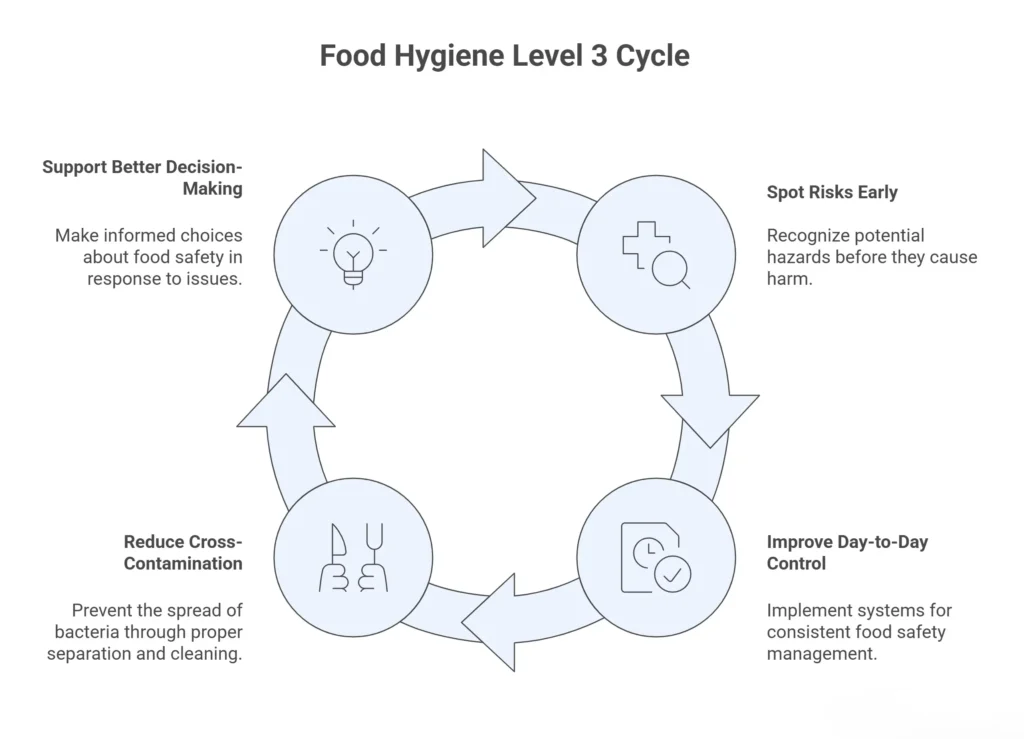
Food Hygiene Level 3 doesn’t just explain food safety rules. Instead, it helps you stop problems before they turn into outbreaks. When you understand how risks develop, you can take action early and keep control, even on busy days.
Helps You Spot Risks Early
First of all, Level 3 training teaches you how to recognise hazards before they cause harm. You learn where bacteria grow and how everyday tasks can increase risk.
For example, you may notice food cooling too slowly after service. Because of this awareness, you can change the process straight away instead of waiting for an issue to appear.
Improves Day-to-Day Control
Level 3 also helps you manage food safety consistently. Rather than relying on memory, you learn how to put simple systems in place.
This includes:
- Checking and recording temperatures
- Managing deliveries and storage correctly
- Rotating stock to reduce waste and risk
As a result, food safety becomes part of daily routine, not an afterthought.
Reduces Cross-Contamination
Another key benefit is better control of cross-contamination. Level 3 explains how bacteria move and why separation matters.
For instance, you’ll know when equipment needs deep cleaning and when colour-coded tools must be used. Therefore, raw and ready-to-eat foods stay safely apart.
Supports Better Decision-Making
When problems happen, Level 3 training helps you respond calmly and correctly. Instead of guessing, you understand what food is safe and what must be thrown away.
Ultimately, Food Hygiene Level 3 gives you confidence. More importantly, it helps protect customers, staff, and your business from preventable outbreaks.
Legal Responsibilities of Supervisors and Managers in the UK
If you manage or supervise food handling, the law places clear responsibility on you. While staff must follow procedures, you must make sure those procedures exist and work properly. Because of this, enforcement officers focus on management when they investigate problems.
What the Law Expects From You
UK food safety law requires you to protect customers from harm. This means you must actively manage food safety, not just react when issues appear. Although you can delegate tasks, responsibility stays with you.
In practice, this means you must:
- Make sure staff receive suitable food hygiene training
- Keep food stored, cooked, and cooled at safe temperatures
- Prevent cross-contamination at all times
- Follow effective cleaning routines
- Keep clear and up-to-date food safety records
As a result, lack of awareness is not a valid excuse.
What Inspectors Look For
Environmental Health Officers, working under the Food Standards Agency, look beyond surface cleanliness. Instead, they assess how well you control food safety every day.
For example, they may ask staff questions, check records, and observe working practices. Therefore, strong management systems matter just as much as a clean kitchen.
Consequences of Not Meeting Legal Duties
When controls fail, the impact can be serious. Depending on the situation, enforcement action may include:
- Improvement notices
- Fines or legal action
- Temporary closure of the business
- Damage to your food hygiene rating and reputation
For instance, a low hygiene score can quickly reduce customer trust.
Why Management-Level Training Matters
Because the law focuses on control and supervision, higher-level training plays a key role. Food Hygiene Level 3 helps you understand your duties and show due diligence. More importantly, it helps you stay compliant and prevent problems before they escalate.
Real-World Examples of How Level 3 Training Makes a Difference

Food Hygiene Level 3 really shows its value in everyday situations. While policies matter, it’s how you respond in real time that prevents outbreaks. Because Level 3 focuses on decision-making, it helps you act quickly and confidently.
A Busy Café During the Lunch Rush
For example, imagine a café during a lunchtime rush. A fridge door gets left open, and the temperature rises. Without proper training, this might get ignored. However, with Level 3 knowledge, you know the risk straight away.
As a result, you:
- Check and record the temperature
- Remove high-risk food if needed
- Adjust storage and remind staff of checks
Because of this quick action, unsafe food never reaches customers.
A Care Home Protecting Vulnerable Residents
In care settings, the risks are higher. For instance, Level 3 training helps supervisors understand why strict temperature control and stock rotation matter so much.
Therefore, when a delivery arrives late, you know how to assess the food safely instead of guessing. As a result, residents stay protected.
A Catering Team Improving Everyday Habits
Level 3 training also improves daily routines. For example, a supervisor may notice staff using the same cloth on different surfaces. Instead of ignoring it, you step in and correct the habit.
Because you understand how bacteria spread, you explain the reason clearly. Over time, standards improve across the team.
Small Actions, Big Results
In real life, outbreaks often start with small mistakes. However, Level 3 training helps you spot those mistakes early. More importantly, it gives you the confidence to stop problems before they grow into serious issues.
Who Should Take Food Hygiene Level 3?
Food Hygiene Level 3 is for people who have responsibility for food safety, not just those who handle food. While basic training helps staff follow rules, Level 3 helps you manage risk. Because of this, it’s ideal if you make decisions that affect others.
You should consider Level 3 if you are a food business owner, manager, supervisor, or team leader. This includes people working in cafés, restaurants, takeaways, care homes, schools, nurseries, retail, and food manufacturing. If staff come to you with food safety questions, this level gives you clear answers.
For example, if a fridge breaks or a delivery arrives late, Level 3 training helps you decide what food is safe and what needs to be thrown away. As a result, you act quickly and confidently. In short, Food Hygiene Level 3 suits anyone responsible for keeping customers and staff safe.
Choosing the Right Food Hygiene Level 3 Course

Choosing the right Food Hygiene Level 3 course matters just as much as taking the training itself. While many courses look similar, not all of them meet the needs of UK food businesses. Because of this, it’s important to know what to look for before you sign up.
Look for UK-Focused Content
First of all, make sure the course focuses on UK food safety law and standards. Since inspections follow UK regulations, your training should prepare you for what Environmental Health Officers expect.
Therefore, a good course should cover:
- UK food safety legislation
- Food hygiene ratings and inspections
- Practical examples from UK food settings
Check the Course Format
Next, think about how you learn best. Some people prefer classroom training, while others choose online learning. Both options can work well if the content is clear and practical.
For example, online courses suit busy managers because you can learn at your own pace. However, classroom courses allow discussion and real-time questions. As a result, the best choice depends on your schedule and learning style.
Make Sure It’s Recognised
Before enrolling, always check that the course comes from a recognised training provider. This helps ensure the qualification is accepted during inspections and audits.
Think About Real-Life Use
Finally, choose a course that focuses on real situations, not just theory. For instance, good training explains what to do during equipment failures, staff shortages, or busy services.
Because food safety doesn’t stop after the course ends, the right Food Hygiene Level 3 training should help you apply what you learn every day.
Conclusion
Foodborne illness remains a real risk for UK food businesses. However, most outbreaks happen because of avoidable mistakes. When you understand how risks develop, you can stop problems early and protect both customers and staff.
Food Hygiene Level 3 gives you that control. Instead of reacting after something goes wrong, you act with confidence every day. As a result, you build safer habits, stronger teams, and a food business people can trust.