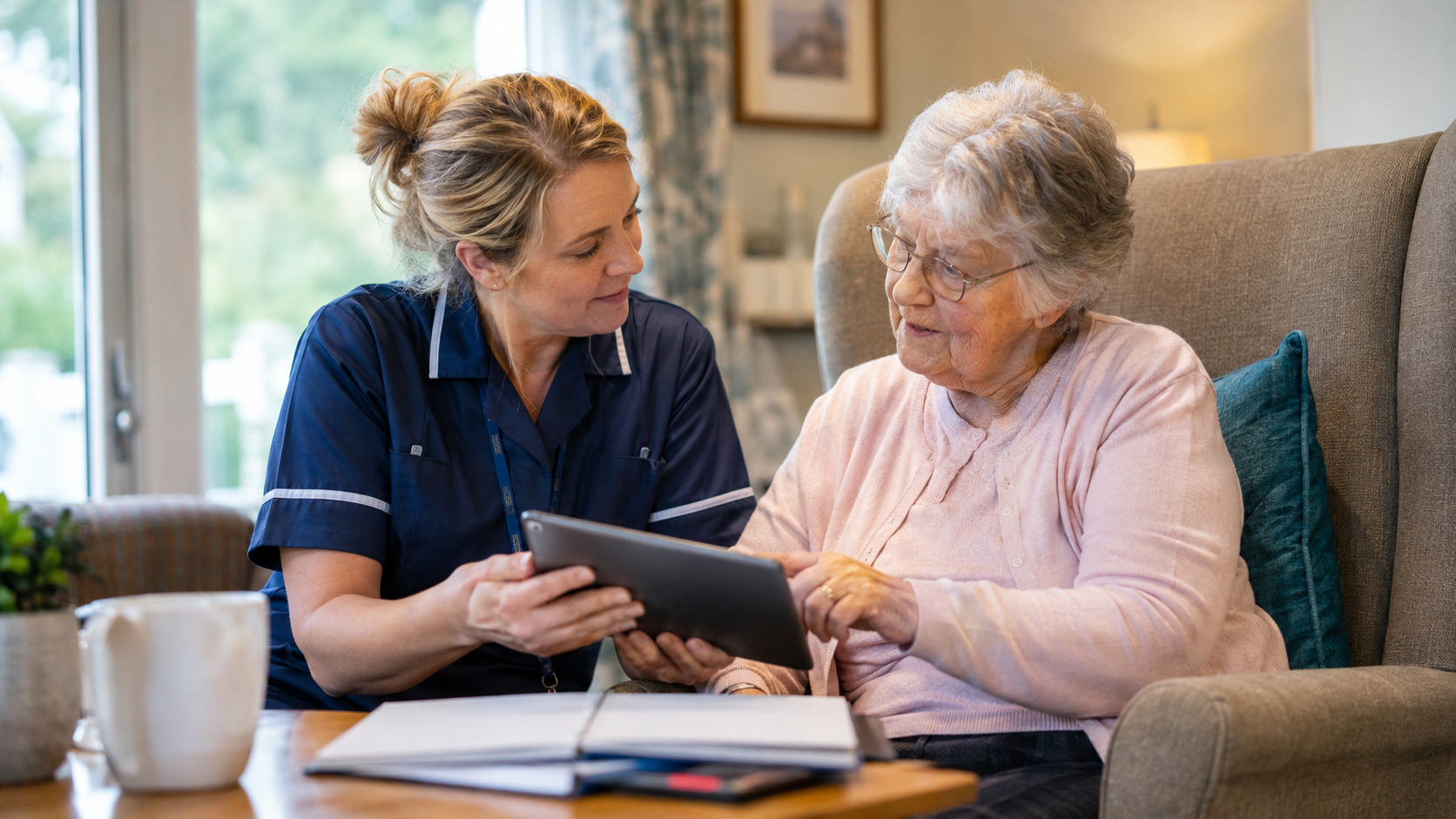


Nursing Assistant job description searches often begin with a simple question: “What does a nursing assistant actually do?” Maybe you’ve wondered the same. Maybe you’re picturing yourself in scrubs, helping people every day, but you’re not quite sure what the role really involves. If that’s you, you’re in the right place.
To answer it directly: the top elements of a nursing assistant job description include providing personal care, supporting nurses with basic clinical tasks, ensuring patient comfort and maintaining safe, organised care environments.
By the end of this guide, you’ll understand:
- What nursing assistants really do day to day
- The skills and qualities employers expect
- The training and qualifications you’ll need
- Where nursing assistants work and how duties differ by setting
- Salary, progression routes and future opportunities
Let’s break it all down so you know exactly what to expect from this career.
What Is a Nursing Assistant?

A nursing assistant is a frontline care professional who supports nurses and helps patients with day-to-day needs across hospitals, care homes and community settings in the UK. They provide personal care, assist with mobility, take basic observations and act as a reassuring presence for people who may be unwell, anxious or recovering from illness. Think of them as the steady pair of hands that keep patient care moving smoothly.
Although the terms get mixed up online, a nursing assistant isn’t exactly the same as a few related roles:
- Healthcare assistant (HCA):
HCAs and nursing assistants often overlap, but HCAs usually focus more on personal care and general support. Nursing assistants tend to take on slightly more clinical tasks, such as routine observations, depending on the workplace. - Support worker:
Support workers may work in hospitals, but many work in social care, mental health or community roles. Their work can include practical, emotional and social support rather than clinical care. - CNA (Certified Nursing Assistant):
This term is used mainly in the US. CNAs follow a specific certification route required by American states. In the UK, the role is similar but follows different training pathways and isn’t tied to US-style licensure.
Why is the role so essential today?
Both the NHS and the private sector are facing rising demand. An ageing population, increasing long-term conditions, and workforce shortages mean nursing assistants are more needed than ever. They not only reduce pressure on nurses — they improve patient experience by being the person patients see most.
In many ways, they’re the quiet backbone of daily care.
Core Responsibilities of a Nursing Assistant

A nursing assistant’s role is hands-on, practical and people-focused. While every setting is a little different, the core responsibilities stay consistent — and they shape the rhythm of almost every shift. Below are the key duties, broken into clear sections with real-life context to help you picture the work.
Personal Care Support
Nursing assistants help patients with everyday activities that many people take for granted.
This includes:
- Washing and grooming
- Toileting and continence care
- Assisting with dressing
- Helping patients move safely
Maintaining dignity is at the heart of this. You may support someone who feels embarrassed, confused or vulnerable — so you learn to work gently, respectfully and with cultural sensitivity.
Example: Helping an older patient wash in the morning while explaining each step so they feel in control.
Basic Clinical Duties
You’re not expected to perform advanced medical procedures, but you do handle essential clinical tasks that keep nurses informed.
These often include:
- Taking vital signs (pulse, temperature, blood pressure, oxygen levels)
- Monitoring food and fluid intake
- Recording observations accurately
- Assisting nurses during simple procedures
Example: A nurse prepares for a wound dressing change. You gather equipment, support the patient’s comfort and note any changes in their condition.
Patient Comfort & Emotional Support
Nursing assistants spend the most time with patients, so emotional care matters just as much as physical care.
This looks like:
- Offering reassurance during anxious moments
- Providing companionship for lonely patients
- Building trust through calm, steady communication
Example: Sitting with a frightened patient before a procedure and helping them breathe through their nerves.
Reporting & Communication
You’re the eyes and ears of the care team. Good communication can prevent small issues from becoming big problems.
Responsibilities include:
- Noticing changes in mobility, appetite, mood or skin condition
- Reporting concerns quickly to a nurse
- Writing clear notes
- Contributing to handovers
Example: While helping a patient stand, you notice they seem more unsteady than usual and report it promptly, allowing early intervention.
Infection Control & Safety

Safe care starts with routine habits that protect everyone.
You will follow procedures such as:
- Wearing appropriate PPE
- Washing hands correctly
- Keeping equipment and spaces clean
- Reducing risks (falls, spills, clutter)
Example: Spotting a wet patch on the floor and cleaning it immediately to prevent falls.
Environmental Support
Nursing assistants also help create a clean, organised environment where care can happen smoothly.
This may include:
- Making beds or changing linen
- Restocking supplies
- Keeping patient areas tidy
- Preparing rooms for new admissions
Example: A patient is discharged; you clean the area, restock it, and prepare equipment so the team is ready for the next arrival without delay.
Where do Nursing Assistants Work

Nursing assistants are needed across almost every corner of the UK care system. While the core responsibilities stay the same, the pace, environment and type of patient contact can change depending on where you work. Here’s a clear look at the main settings — and how your duties shift in each one.
NHS Hospitals
Common areas:
- General wards (medical, surgical)
- Outpatient departments
- A&E and assessment units
- Day surgery and recovery units
What changes here:
Hospital work is usually faster-paced. You might support several patients at once, assist with frequent observations, or help prepare people for procedures. Expect more teamwork, more movement and more quick decisions.
Example: On a surgical ward, you may help patients mobilise after operations, monitor pain levels and assist nurses during dressing changes.
Care Homes & Residential Facilities
Typical duties:
- Daily personal care (washing, dressing, toileting)
- Supporting residents with meals and mobility
- Building long-term relationships
What changes here:
The pace is steadier, and you often care for the same people every day. You get to know residents well, notice subtle changes and become part of their routine.
Example: Helping a resident with dementia feel calm and grounded during morning care.
Community Teams & Home Care
Typical duties:
- Visiting patients in their homes
- Supporting mobility, meals and hygiene
- Monitoring changes and reporting back to nurses or managers
What changes here:
You work more independently, often travelling between homes. You see patients in their own environments, which can make care more personal — but you also need strong judgement and problem-solving.
Example: Noticing a patient’s fridge is empty and reporting the concern to ensure safeguarding support is arranged.
GP Surgeries & Rehabilitation Units
Typical duties:
- Preparing patients for assessments
- Basic observations
- Supporting therapy teams (physio, OT)
- Helping with mobility and rehabilitation routines
What changes here:
Work is structured and often appointment-based. Rehab units focus heavily on mobility, exercise routines and recovery goals. GP settings are calmer but require good communication and organisation.
Example: Assisting a physiotherapist with a patient’s walking exercises and recording their progress.
Essential Skills & Qualities Employers Expect in a Nursing Assistant

To stand out as a nursing assistant — especially in a fast-changing care landscape — employers look for more than basic competence. They want people who can communicate, think clearly under pressure and adapt to busy environments. These are the qualities that make you reliable, safe and effective on the job.
Interpersonal Skills
Great nursing assistants connect with people, not just tasks.
Core interpersonal skills include:
- Communication: explaining things clearly, speaking calmly and making patients feel heard.
- Empathy: understanding how someone feels, especially when they’re scared or in pain.
- Active listening: noticing not only what patients say, but how they say it — tone, body language, hesitation.
A patient who feels understood is more cooperative, more confident and more comfortable. Good communication also reduces errors and improves handovers.
Practical Care & Clinical Awareness
Employers want assistants who are confident with practical, hands-on skills such as:
- Supporting mobility safely
- Taking accurate observations
- Applying correct moving-and-handling techniques
- Recognising early signs of deterioration
Nurses rely on nursing assistants to spot problems early. Accuracy and awareness directly support patient safety and make the whole shift run smoother.
Digital Literacy
By 2026, digital skills won’t be optional — they’ll be essential. Nursing assistants often use:
- EPR systems (electronic patient records)
- Handheld devices for bedside documentation
- Digital observation tools for vital signs and monitoring
Accurate digital record-keeping helps nurses make informed decisions and ensures every part of the team stays aligned. Employers want assistants who can adapt to tech quickly and confidently.
Teamwork & Collaboration
Nursing assistants work closely with:
- Nurses
- Doctors
- Physiotherapists
- Occupational therapists
- Social workers
- Families and carers
Good teamwork keeps patients safe. When a ward is busy, a reliable assistant who communicates well and steps in without hesitation is invaluable.
Reliability, Adaptability & Resilience
Healthcare is unpredictable. One shift may feel calm, the next chaotic. Employers value assistants who can:
- Adjust to changing priorities
- Stay calm during emergencies
- Manage rapid decisions
- Keep going when things become stressfu
Resilient assistants help stabilise the team. They don’t crumble under pressure; they stay focused and keep patients safe, even on challenging days.
Training, Qualifications & Requirements for a Nursing Assistant

Becoming a nursing assistant in the UK is accessible, but employers still expect a strong foundation of training, safety awareness and practical capability. Here’s what you need to know.
Entry Requirements
Most employers look for:
- GCSEs (English & Maths preferred) – not always mandatory, but helpful.
- A clear DBS check – essential for working with vulnerable adults.
- Good written and spoken English – for communication and documentation.
- A caring, reliable attitude – often prioritised over academic achievements.
Some roles accept applicants with no formal qualifications as long as they complete the required training.
Mandatory Care Certificates / Induction Standards
Almost all UK health and social care employers require:
- The Care Certificate (15 standards) for new carers in England
- Induction programmes that cover safe working, safeguarding, and basic care
- Manual handling and basic life support training
These ensure that every nursing assistant meets minimum safety and care standards before working independently.
What Good Nursing Assistant Training Should Cover
A reputable nursing assistant programme should teach you both theory and hands-on skills such as:
Core Theory Areas
- Communication & interpersonal skills
- Infection prevention and control
- Anatomy & physiology essentials
- Safeguarding adults and children
- Understanding care planning
- Professional boundaries & ethics
Practical Skill Areas
- Moving & handling techniques
- Basic clinical observations (vital signs, fluid charts)
- Personal care routines
- Mobility assistance and fall prevention
- Digital documentation & EPR systems
- Positioning, comfort and pressure-area awareness
Training routes like the Nursing Assistant Diploma Online can help you build these skills in a structured, flexible way, especially if you’re balancing work or family commitments.
How to Choose a Reputable Course
Competitors rarely guide readers through this, but it’s crucial. Look for training that is:
1. Accredited or recognised
Check that the programme aligns with national care standards and is accepted by UK employers.
2. Offers real skills practice
Avoid purely theoretical courses—hands-on learning is essential.
3. Transparent about assessments
Look for clear information on exams, practical evaluations, and support.
4. Provides tutor or mentor support
Beginners especially benefit from guided feedback and structured learning.
5. Flexible but credible
Online study is fine, but quality matters more than convenience. Ensure the programme includes real-world scenarios, demonstrations and practice opportunities.
6. Includes digital literacy and modern care tools
Many older training programmes have not been updated for the digital shift happening across the NHS.
A Day in the Life of a Nursing Assistant

A nursing assistant’s day is fast-paced, hands-on and deeply meaningful. While every workplace differs, here’s what a typical day often looks like across UK care settings.
Morning Care Routines
Most shifts start early. Nursing assistants begin by:
- Greeting patients and checking how they’ve rested
- Assisting with washing, dressing and grooming
- Helping patients move safely from bed to chair
- Making beds and preparing the environment for the day
This is when rapport is built — a calm, caring start helps patients feel safe and supported.
Observations & Clinical Support
Next are essential clinical tasks, including:
- Taking and recording vital signs (temperature, pulse, respiration, oxygen levels)
- Monitoring fluid intake/output
- Reporting any changes to the nurse in charge
- Preparing patients for tests or procedures
These observations are often the first sign something is wrong — nursing assistants play a crucial role in early detection.
Supporting Meals, Mobility & Appointments

Late morning and lunchtime involve:
- Helping patients eat, especially those with swallowing or mobility difficulties
- Supporting mobility: walks, physio assistance, repositioning
- Escorting patients to X-rays, therapies or appointments
- Encouraging hydration and checking comfort levels
This part of the day is extremely active and requires patience, encouragement and good time-management.
Afternoon Documentation, Companionship & Discharge Support
Afternoons typically involve a blend of tasks:
- Updating charts and electronic records
- Offering companionship, reassurance or conversation
- Helping with afternoon personal care routines
- Preparing patients for discharge or transfers
- Tidying rooms, restocking supplies and maintaining safety
This is where communication and empathy truly shine — many patients feel most anxious or tired later in the day.
Key Interactions with Nurses & Patients
Throughout the entire shift, nursing assistants work closely with:
- Registered nurses, reporting concerns, participating in handovers and supporting clinical tasks
- Patients, offering emotional support and practical help
- Families, providing updates or reassurance
- Multidisciplinary teams, including physios, OTs and doctors
These interactions make the role collaborative, fast-paced and deeply impactful.
Salary, Hours & Career Progression of a Nursing Assistant

Understanding pay, working hours and long-term growth is essential before stepping into the role. Here’s what nursing assistants in the UK can realistically expect — and how your career can evolve far beyond the entry level.
UK Salary Ranges
Nursing assistant (or HCA/NA) pay varies depending on setting, experience and region.
NHS Pay Bands:
Most nursing assistants start in Band 2 or Band 3:
- Band 2: £22,383 – £24,336
- Band 3: £23,575 – £26,282
London Weighting or high-cost area supplements can increase this by £2,000–£4,000.
Private Care Settings:
Pay can range widely, typically:
- £10.50 – £14 per hour
- Higher-paying roles in specialist care or private hospitals may reach £15–£18 per hour.
Experience Boosts Pay:
Nursing assistants with 2+ years of experience, strong clinical skills, or additional certificates (e.g., dementia care, venepuncture, ECG) often earn toward the top of their band or secure more specialised roles.
Typical Working Hours & Shifts
Nursing assistants often work 37.5 hours per week in the NHS, but hours can vary.
Common shift patterns:
- Early: 7am–3pm
- Late: 1pm–9pm
- Long days: 7am–7pm
- Nights: 8pm–8am
Expect weekends and bank holidays, especially in hospitals.
However, care homes, private clinics and community teams often offer:
- More regular hours
- Part-time shifts
- Zero-hour bank contracts for flexibility
- Opportunities to pick up overtime
If you value variety or need flexibility, this role can adapt to different lifestyles.
Career Progression Routes
This is where your blog will outperform competitors — most mention salaries but don’t explain long-term career growth. Becoming a nursing assistant is only the beginning.
1. Senior Nursing Assistant / Senior HCA

With experience + short courses, you can progress to:
- Supervising junior HCAs
- Supporting training of new staff
- Taking on extended duties like ECGs, venepuncture or catheter support
Pay can rise to the top of Band 3 or into Band 4 roles.
2. Nursing Associate (Band 4)
A formal bridge role between NA/HCA and Nurse.
Training: 2-year foundation degree (paid while working).
Duties include more clinical responsibilities and independent tasks.
3. Registered Nurse (Band 5+)
Many people use the NA role as a stepping stone into nursing.
Paths include:
- Nursing degree (3 years)
- RN Degree Apprenticeship (earn while you learn over ~4 years)
Once registered, you can progress to senior nurse, specialist nurse, or management roles.
4. Clinical Specialisms
After experience, nursing assistants can work in:
- A&E / Emergency care
- Mental health
- Paediatrics
- ICU / Critical care
- Operating theatres
- Community nursing
- Oncology
These settings offer richer experience and often higher pay.
5. Non-clinical Career Growth
Some NAs move into:
- Care coordination
- Training & education roles
- Administrative/leadership positions
- Safeguarding support
- Assistant practitioner roles
This flexibility means the role can grow with you.
The nursing assistant role isn’t just a job — it’s a launchpad.
A way to enter healthcare fast, earn while you learn, and build a long-term professional future.
Conclusion
Understanding the full nursing assistant job description gives you a strong foundation before you step into the role. When you know what the work truly involves—its responsibilities, skills and daily expectations—you’re far better prepared to thrive.
Take a moment to reflect on your strengths, the environments you enjoy and the kind of care you want to provide. With clarity and confidence, you can move forward knowing this path is not only achievable but genuinely meaningful.
As demand grows across the UK healthcare sector, skilled and compassionate nursing assistants have more opportunities than ever. If you’re ready to make a difference, the future of care has a place for you.