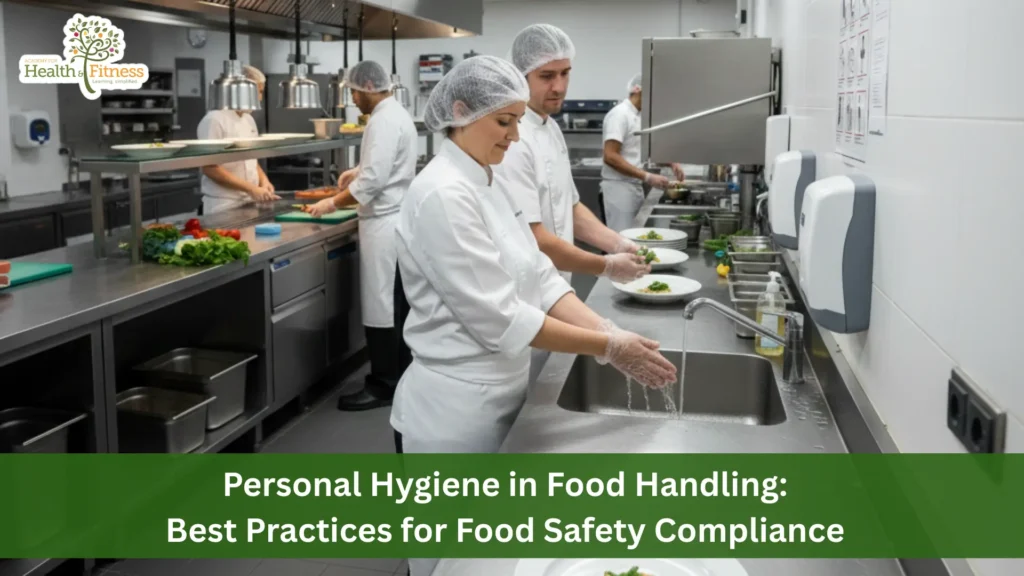




Why Personal Hygiene Is Critical in Healthcare Food Handling

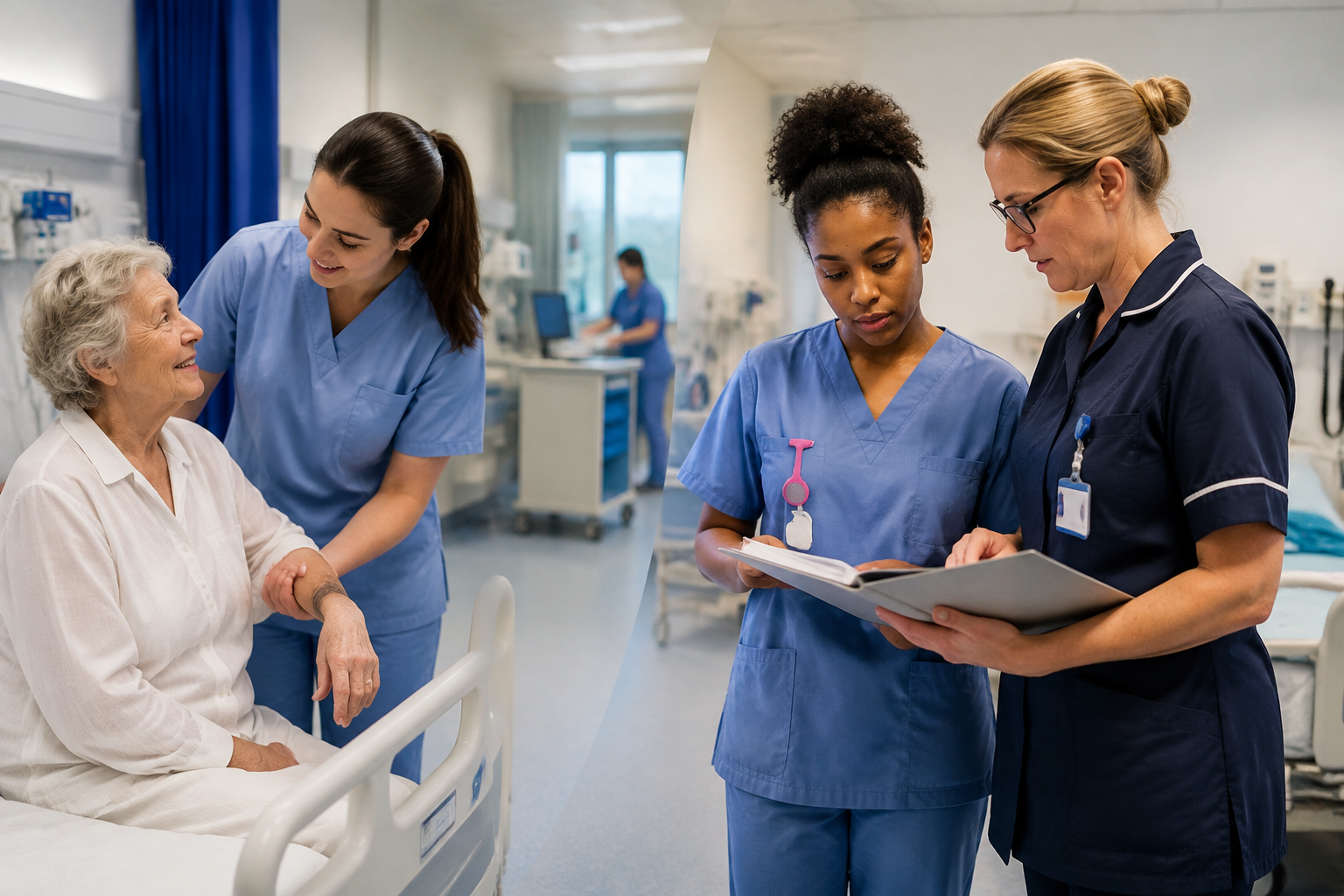
In healthcare settings, food hygiene carries far greater weight than it does in cafés or restaurants. Patients are not just customers. They are often unwell, recovering, or living with conditions that weaken their immune systems. Because of this, even a small hygiene failure can have serious consequences. What might cause mild illness elsewhere can quickly become life-threatening in a hospital or care environment.
Vulnerable Patients Face Higher Risks
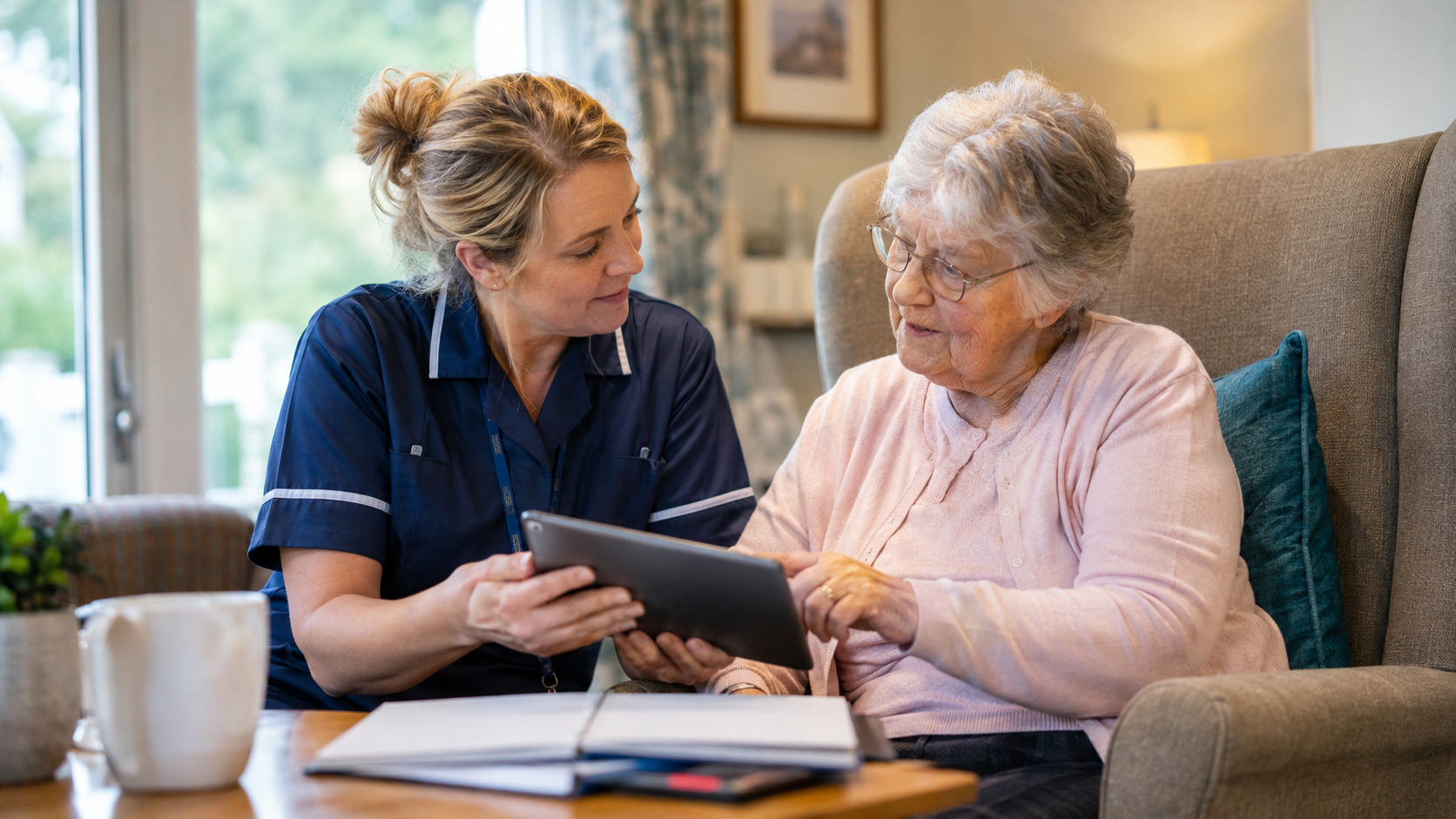
Many people receiving care cannot fight infection effectively. Therefore, bacteria that would normally cause minor symptoms can lead to severe illness. For example, an elderly patient with poor immunity may not recover easily from food poisoning. As a result, personal hygiene becomes a clinical safety issue, not just a food safety rule.
This risk is especially high in:
- Hospitals and NHS trusts
- Care homes and nursing homes
- Mental health and rehabilitation units
Because food often forms part of treatment and recovery, hygiene failures can directly affect patient outcomes.
Small Lapses Can Lead to Major Harm
Personal hygiene issues often look harmless at first. However, they rarely stay that way. For instance, a staff member who does not wash their hands properly after using the toilet may contaminate ready-to-eat food. Then, bacteria can spread to multiple patients in one meal service.
In real terms, this has happened. UK healthcare investigations have linked outbreaks of norovirus and salmonella to poor hand hygiene and unreported staff illness. Consequently, services faced ward closures, delayed discharges, and serious reputational damage.
Food Hygiene and Infection Control Are Linked
In healthcare, food hygiene does not sit alone. Instead, it overlaps with infection prevention and control. When staff move between clinical areas and food preparation spaces, hygiene standards must remain high at all times. Otherwise, pathogens can travel with them.
Therefore, good personal hygiene supports:
- Infection control policies
- Patient safety frameworks
- Clinical risk management
It also shows inspectors that hygiene is embedded into daily practice, not treated as an afterthought.
Why Regulators Take This So Seriously
Because of these risks, regulators expect higher standards in healthcare food handling. The Care Quality Commission looks closely at how services manage food hygiene. Poor personal hygiene can affect both the Safe and Well-led domains. In contrast, strong hygiene practices demonstrate leadership, accountability, and a culture of safety.
Ultimately, personal hygiene protects patients first. At the same time, it protects staff, services, and organisations from avoidable harm.
UK Food Safety and Hygiene Regulations You Must Comply With
In healthcare food settings, good intentions are not enough. You must follow clear legal rules, and inspectors expect you to know them. Therefore, understanding the UK food hygiene framework is essential for anyone involved in preparing or serving food to patients.
The Food Safety Act 1990: Your Legal Foundation
First and foremost, the Food Safety Act 1990 sets the overall duty of care. It requires you to make sure that food is safe to eat and not harmful to health. In practice, this means personal hygiene is not optional. If a food handler causes contamination through poor hygiene, the organisation can face enforcement action.
For example, if a care home allows staff to work while unwell and a patient becomes ill, the service may be found in breach of this law. As a result, managers and providers remain legally accountable, not just frontline staff.
Food Hygiene (England) Regulations 2013: Day-to-Day Rules
Alongside the Act, the Food Hygiene (England) Regulations 2013 focus on daily operations. These regulations require food handlers to:
- Maintain good personal cleanliness
- Wear suitable protective clothing
- Avoid handling food when ill
- Follow hygienic working practices
Because of this, inspectors often look closely at handwashing, uniforms, illness reporting, and staff facilities. Even small gaps, such as no soap at a handwash basin, can raise concerns.
HACCP: Turning Law Into Practical Control
However, compliance is not just about knowing the rules. You must also apply HACCP principles in your setting. This means you identify risks, put controls in place, and monitor them consistently. Personal hygiene sits at the heart of this process.
For instance, you may list hand hygiene as a control point. Then, you support it with training, signage, and supervision. As a result, hygiene becomes part of a system, not just a reminder on the wall.
Inspections, Evidence, and Accountability
Local Environmental Health Officers assess food hygiene compliance, but healthcare services face wider scrutiny. The Care Quality Commission also expects providers to meet food safety laws. Therefore, inspectors often ask for evidence, not promises.
This may include:
- Staff training records
- Illness reporting procedures
- Cleaning and hygiene audits
- Clear management oversight
Ultimately, when you understand and apply these regulations, you protect patients and your service. At the same time, you show regulators that food safety is taken seriously at every level.
Core Principles of Personal Hygiene in Food Handling
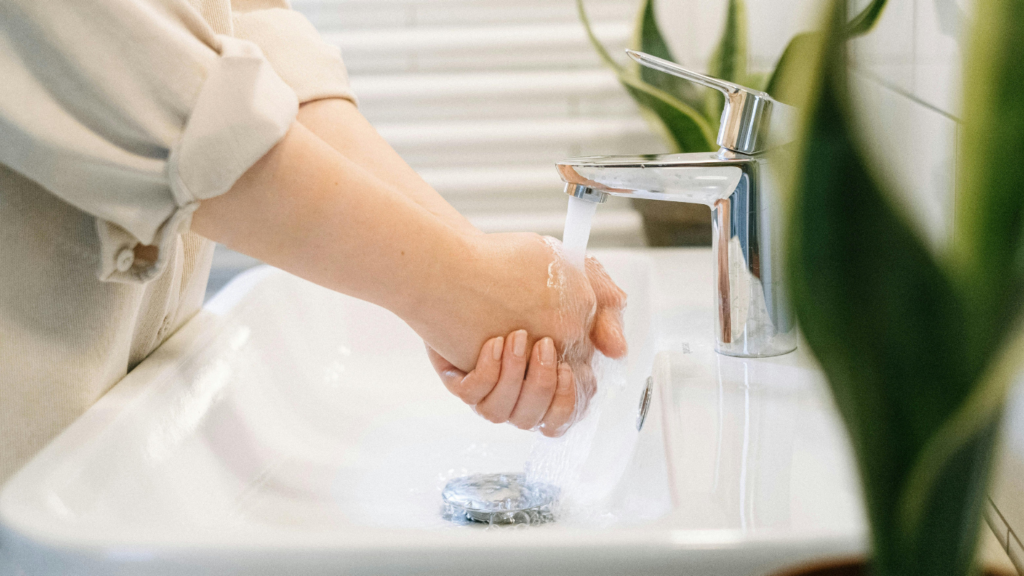
When we talk about personal hygiene in food handling, we are not talking about a long list of rules to memorise. Instead, we are talking about a simple mindset. If we keep ourselves clean, healthy, and aware, we reduce the risk of contamination. Because of this, strong hygiene habits protect patients every single day.
These principles apply to everyone, whether you prepare meals, serve food, or supervise teams.
Clean Hands: The First Line of Defence
First and foremost, clean hands matter more than anything else. Hands touch food, equipment, doors, and surfaces throughout the day. Therefore, they can easily spread germs if we do not wash them properly.
You should always wash your hands:
- Before starting food work
- After using the toilet
- After touching raw food or waste
- After coughing, sneezing, or blowing your nose
For example, a healthcare assistant moving from a ward to a food service area must wash their hands thoroughly. Otherwise, bacteria from clinical areas can enter the food chain.
Clean Clothing and Protective Wear
Next, clean clothing plays a key role in food safety. Uniforms, aprons, and protective clothing must stay clean and fit for purpose. As a result, they help stop bacteria from transferring onto food.
You should:
- Wear clean uniforms at the start of each shift
- Change aprons when they become dirty
- Keep food clothing separate from clinical clothing
Because uniforms can carry germs, wearing the same apron across different tasks increases risk.
Clean Behaviour in Food Areas
However, hygiene is not just about appearance. Behaviour matters just as much. Therefore, how you act in food areas can either protect or endanger patients.
Good hygiene behaviour includes:
- Not eating or drinking in food areas
- Avoiding touching your face or hair
- Using tissues correctly and washing hands afterwards
- Keeping mobile phones out of food spaces
Even small habits, such as checking a phone while plating food, can lead to contamination.
Clean Health Status: Knowing When to Step Back
Importantly, personal hygiene also includes your health. If you feel unwell, you must report it. Although this can feel inconvenient, it protects patients from serious harm.
Symptoms that require reporting include:
- Vomiting or diarrhoea
- Skin infections or open wounds
- Cold or flu symptoms affecting hygiene
For instance, a care home outbreak has often started with one staff member working while ill. Therefore, early reporting can stop wider illness.
Clean Work Environment Starts With You
Finally, personal hygiene supports a clean work environment. When staff follow good hygiene habits, cleaning routines become more effective. As a result, food areas stay safer for everyone.
In short, these core principles are simple but powerful. When we follow them consistently, we protect patients, support compliance, and build trust in healthcare food services.
The 8 Critical Personal Hygiene Practices
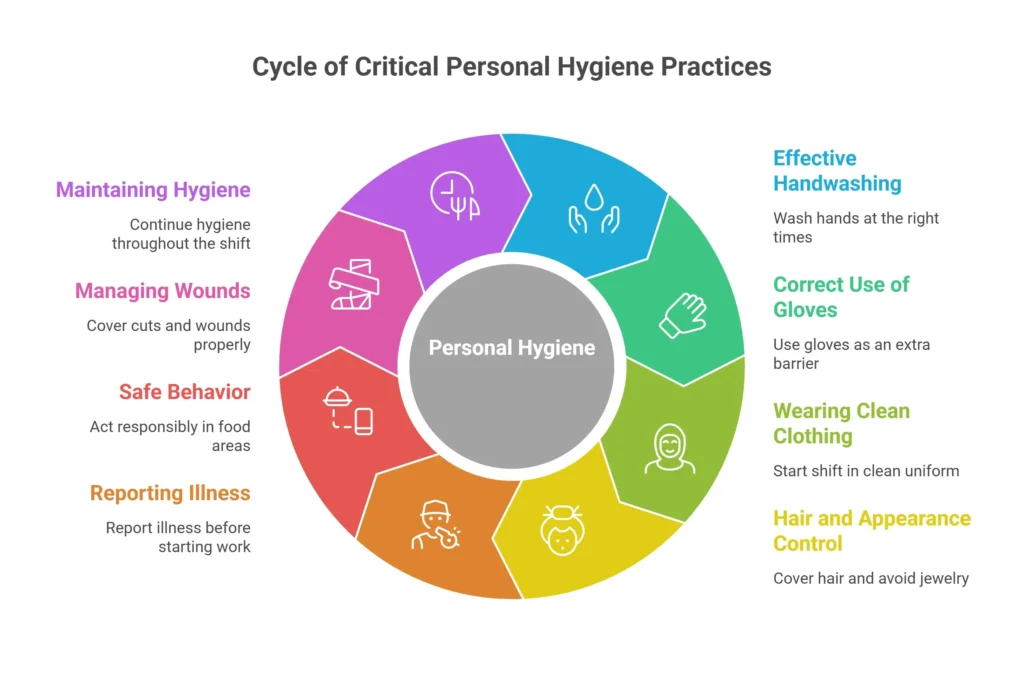
When we break personal hygiene down into clear actions, it becomes easier to follow and easier to manage. Therefore, these eight practices form the backbone of safe food handling in healthcare settings. If we follow them consistently, we reduce risk and protect patients every day.
1. Effective Handwashing at the Right Times
First and most importantly, we must wash our hands properly and often. However, timing matters just as much as technique. You should wash your hands before food work, after handling waste, and after any task that could cause contamination.
For example, if you clear a patient tray and then move to food service, you must wash your hands before touching clean items. Otherwise, germs can transfer quickly.
2. Correct Use of Gloves
Next, gloves help only when used correctly. You should never treat gloves as a replacement for handwashing. Instead, gloves act as an extra barrier.
Always remember:
- Wash hands before putting gloves on
- Change gloves between tasks
- Remove gloves immediately after use
Otherwise, gloves can spread bacteria just as easily as bare hands.
3. Wearing Clean and Suitable Clothing
At the same time, clean clothing plays a vital role. You should start each shift in clean uniform and change it if it becomes contaminated. Because clothing can carry bacteria, dirty uniforms increase risk.
In healthcare food settings, you should also keep food clothing separate from clinical wear.
4. Hair and Personal Appearance Control
Although it may seem minor, hair control prevents physical contamination. Therefore, you should cover hair fully and avoid touching it during food work.
You should also:
- Avoid jewellery and watches
- Keep nails short and clean
- Never wear false nails or nail varnish
These steps reduce places where germs can hide.
5. Reporting Illness Immediately
Importantly, personal hygiene includes honesty about your health. If you feel unwell, you must report it before starting work. Although this can feel uncomfortable, it protects vulnerable patients.
For instance, one unreported stomach illness can lead to multiple patients becoming ill. Therefore, early reporting prevents outbreaks.
6. Safe Behaviour in Food Areas
Behaviour matters as much as cleanliness. Therefore, you must act responsibly in food preparation and service areas.
Good practice includes:
- No eating or drinking in food areas
- No mobile phone use during food handling
- Proper coughing and sneezing etiquette
Even small actions can make a big difference.
7. Managing Cuts, Wounds, and Skin Conditions
If you have a cut or wound, you must cover it properly. Use waterproof dressings and gloves where required. Otherwise, bacteria from skin can enter food.
For example, uncovered cuts have caused contamination during meal preparation in care settings.
8. Maintaining Hygiene Throughout the Shift
Finally, hygiene does not stop once the shift begins. Instead, you must maintain it throughout the day. As tasks change, risks change too.
Therefore, regular handwashing, changing protective clothing, and staying alert keep standards high until the end of service.
Together, these eight practices form a strong defence against foodborne illness. When we apply them daily, we protect patients, support compliance, and build safer healthcare food services.
Hand Hygiene: The Single Most Important Control Measure
Hand hygiene is not a single action. Instead, it involves different techniques, each used at the right time and in the right way. Therefore, understanding when and how to apply each method helps us reduce risk and meet healthcare food safety standards.
Handwashing With Soap and Water (Gold Standard)
First and foremost, handwashing with soap and water remains the most effective technique for food handling. It physically removes dirt, grease, and harmful bacteria. Because of this, it is always the preferred method in food preparation and service areas.
You should use this method:
- Before starting food work
- After using the toilet
- After handling raw food or waste
- When hands are visibly dirty
- After returning from clinical areas
How to apply it correctly:
- Wet hands with warm running water
- Apply liquid soap
- Rub hands together for at least 20 seconds
- Clean between fingers, thumbs, backs of hands, and nails
- Rinse thoroughly
- Dry with disposable paper towels
For example, if you clear patient trays and then plate meals, this method must come first. Otherwise, contamination can transfer easily.
Alcohol-Based Hand Rubs (When and When Not)
Alcohol hand rubs work well in clinical care. However, their role in food handling is limited. They kill many germs but do not remove dirt or food residue. Therefore, they should never replace proper handwashing in food areas.
You can use alcohol gel:
- When hands are visibly clean
- Between short tasks where handwashing is not immediately available
- As an extra step after handwashing in clinical settings
However, you should not rely on gels before handling food. For instance, using gel after handling waste does not make hands food-safe.
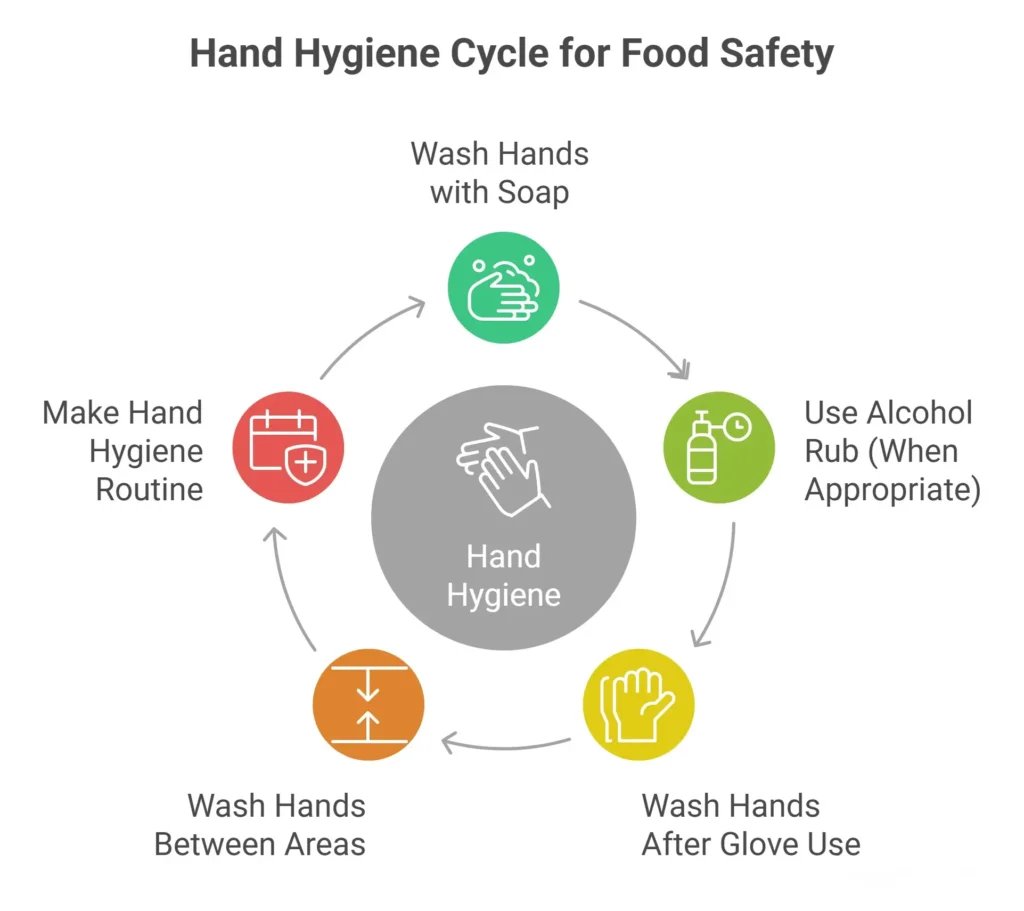
Handwashing After Glove Use
Some people think gloves remove the need for hand hygiene. However, this creates risk. Gloves can tear, leak, or become contaminated just like hands. Therefore, handwashing must always support glove use.
Correct practice includes:
- Washing hands before putting gloves on
- Changing gloves between tasks
- Washing hands immediately after removing gloves
For example, if you wear gloves to handle raw food and then move to ready-to-eat food, you must change gloves and wash your hands in between.
Hand Hygiene When Moving Between Areas
In healthcare, staff often move between clinical spaces and food areas. Because of this, hand hygiene becomes even more important.
You should always wash your hands:
- When entering food preparation areas
- After leaving wards or patient areas
- Before serving meals
This step helps prevent healthcare-associated infections from entering the food chain.
Making Hand Hygiene Part of Routine
Finally, technique only works when applied consistently. Therefore, hand hygiene must become routine, not reactive. Clear signage, accessible sinks, and regular reminders help staff apply the right method at the right time.
In short, using the correct hand hygiene technique protects patients and supports compliance. When we apply these methods properly, we turn simple actions into powerful safety controls.
Personal Appearance Standards for Food Handlers
In healthcare food settings, how we look directly affects food safety. Personal appearance is not about image or style. Instead, it is about preventing contamination. Therefore, clear appearance standards help protect patients and support compliance.
Why Personal Appearance Matters in Healthcare Food Handling
In healthcare, patients often have low immunity. Because of this, even physical contamination, such as hair or jewellery, can cause harm. Also, bacteria easily collect on clothing, hands, and personal items. Therefore, strict appearance standards reduce avoidable risk.
For example, inspectors often notice appearance issues quickly. As a result, poor standards can raise wider concerns about hygiene culture.
Uniforms and Protective Clothing
First, uniforms must stay clean and suitable for food work. You should start each shift in a clean uniform. If it becomes dirty, you must change it. Otherwise, bacteria can transfer to food.
Good practice includes:
- Wearing clean uniforms daily
- Using aprons for food tasks
- Changing aprons between tasks
- Keeping food clothing separate from clinical clothing
For instance, wearing a ward uniform into a kitchen increases contamination risk.
Hair Control and Head Coverings
Next, hair control prevents physical and bacterial contamination. Therefore, you should fully cover hair when handling food.
You should:
- Wear suitable hair nets or hats
- Tie back long hair securely
- Avoid touching hair during food work
Even a quick adjustment of hair can contaminate hands. Because of this, handwashing must follow any contact.
Jewellery, Watches, and Nails
Although jewellery may seem harmless, it creates hygiene risks. Rings and watches trap dirt and bacteria. As a result, they interfere with proper handwashing.
You should:
- Remove rings, bracelets, and watches
- Avoid false nails and nail varnish
- Keep natural nails short and clean
For example, inspectors often cite false nails during healthcare food inspections.
Makeup, Perfume, and Personal Products
Moderation matters here. Heavy makeup can flake, while strong perfumes can affect food safety and patient comfort. Therefore, you should keep personal products minimal.
In healthcare food areas:
- Avoid heavy makeup
- Do not wear strong perfumes or aftershaves
This helps protect both food quality and vulnerable patients.
Footwear and Movement Between Areas
Finally, footwear plays a role in hygiene. Shoes can carry contamination between areas. Therefore, you should wear suitable, clean footwear for food work and avoid moving between high-risk areas without controls.
For example, moving directly from outdoor areas into food service without cleaning footwear increases risk.
In short, personal appearance standards support food safety and patient protection. When we follow them consistently, we show professionalism and care in every meal we serve.
Common Personal Hygiene Failures Found During Inspections
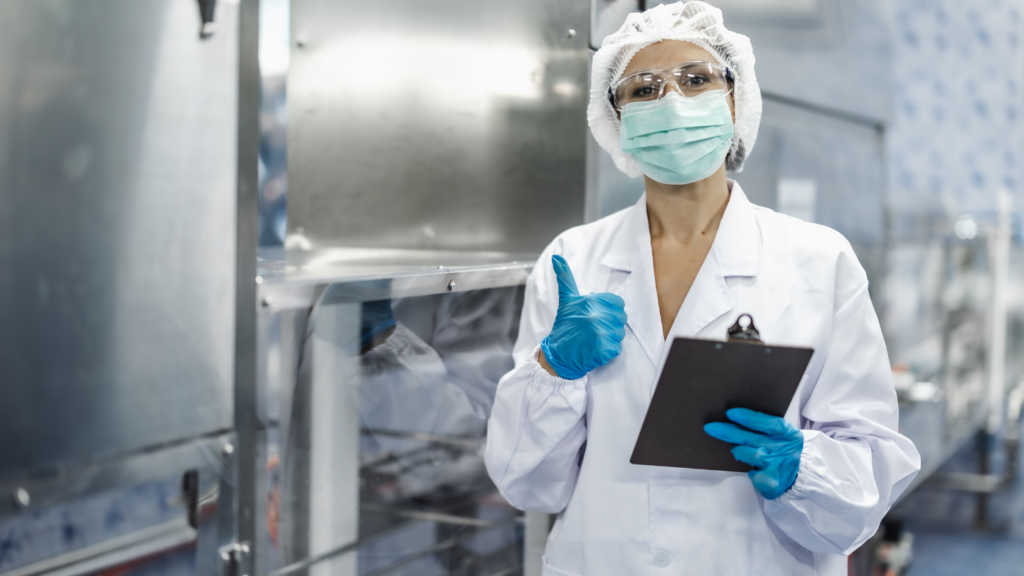
Inspections often reveal the same personal hygiene problems again and again. Although most teams mean well, small lapses can quickly turn into compliance issues. Therefore, understanding these common failures helps you fix gaps before inspectors find them.
Poor Handwashing Compliance
First and most frequently, inspectors see poor handwashing. Staff may wash hands too quickly or miss key moments. As a result, bacteria can spread easily.
Common issues include:
- Not washing hands between tasks
- Skipping handwashing after glove removal
- No soap or paper towels at sinks
For example, inspectors often note that handwash basins exist but are not used properly. Because of this, the control measure fails.
Incorrect Use of Gloves
Next, glove misuse appears in many inspection reports. Some staff rely on gloves instead of washing hands. However, gloves do not remove germs.
Inspectors often observe:
- Wearing the same gloves for multiple tasks
- Touching phones or doors while gloved
- Not changing gloves between raw and ready-to-eat food
Therefore, poor glove practice increases contamination risk rather than reducing it.
Staff Working While Unwell
Another serious failure involves illness reporting. Staff sometimes work through symptoms because they feel pressure to attend work. However, this creates high risk in healthcare settings.
Inspectors commonly find:
- No clear illness reporting procedure
- Staff unsure when to report symptoms
- No return-to-work rules after illness
For instance, norovirus outbreaks have started when one unwell staff member continued food duties.
Inadequate Personal Appearance Controls
Appearance standards also cause problems during inspections. Although rules exist, staff do not always follow them.
Common findings include:
- Jewellery worn during food handling
- Long or false nails
- Hair not fully covered
Because these issues appear visible, inspectors often see them as signs of weak supervision.
Poor Facilities Supporting Hygiene
Sometimes, staff want to follow good hygiene but lack proper facilities. Therefore, inspectors check whether the environment supports correct behaviour.
Issues often include:
- Handwash basins blocked or used for storage
- Lack of hot water
- Missing signage
As a result, even trained staff may struggle to comply.
Weak Supervision and Monitoring
Finally, inspectors notice when hygiene relies on trust alone. Without supervision, standards slip over time.
Common concerns include:
- No daily hygiene checks
- No corrective action for repeat issues
- Poor record keeping
Therefore, inspectors expect managers to lead and monitor hygiene practices actively.
In short, most inspection failures link back to everyday habits. When we address these issues early, we protect patients and avoid unnecessary enforcement action. Courses designed for supervisory roles, such as Level 3 food hygiene training, can support this shift from task-based compliance to proactive control.
Practical Hygiene Checklists for Healthcare Food Settings

Policies and training matter. However, checklists turn good intentions into daily action. In healthcare food settings, clear hygiene checklists help staff stay consistent and help managers spot problems early. Therefore, they play a key role in maintaining safe standards.
Daily Personal Hygiene Checklist for Food Handlers
First, a simple daily checklist helps staff check themselves before starting work. Because routines can slip under pressure, this step sets the right tone for the shift.
You should confirm:
- You feel well and have no sickness symptoms
- Your uniform is clean and suitable for food work
- Hair is fully covered and secure
- No jewellery, watches, or false nails
- Hands are clean and nails short
For example, some care homes use a short sign-off at the start of each shift. As a result, staff pause and think about hygiene before entering food areas.
Pre-Shift Hand Hygiene Check
Next, hand hygiene deserves its own focus. Therefore, a quick pre-shift check ensures sinks and supplies support good practice.
Check that:
- Handwash basins are clear and accessible
- Soap and paper towels are available
- Hand hygiene signage is visible
- Waste bins work and are lined
When supplies run out, hand hygiene fails. Because of this, early checks prevent problems later in the day.
Staff Health and Illness Declaration
Illness reporting often causes confusion. Therefore, a clear checklist removes doubt and supports safe decisions.
Before food work, staff should confirm:
- No vomiting or diarrhoea in the last 48 hours
- No infected cuts or skin conditions
- No symptoms that affect safe food handling
For instance, services that use written health declarations often prevent outbreaks by catching issues early.
During-Shift Hygiene Monitoring
Hygiene does not stop once the shift starts. Instead, it needs regular attention. Therefore, managers should use simple monitoring checks during service.
These include:
- Handwashing at the right times
- Correct glove use
- Clean aprons and protective wear
- Safe behaviour in food areas
Short checks work better than long audits. As a result, staff accept them more easily.
End-of-Shift Hygiene Review
Finally, end-of-shift reviews help close the loop. They also support learning and improvement.
You should review:
- Any hygiene issues noted during the shift
- Corrective actions taken
- Supplies that need restocking
- Training or support needs
For example, noting repeated hand hygiene issues may highlight a need for refresher training.
Conclusion
Personal hygiene in healthcare food handling is not a box-ticking exercise. Instead, it protects patients who may not survive a foodborne illness. Therefore, when we follow clear hygiene practices every day, we reduce risk and support safer care.
Ultimately, strong hygiene comes from consistent habits, clear leadership, and shared responsibility. When we get the basics right, we protect patients, meet legal duties, and build trust in our food services.