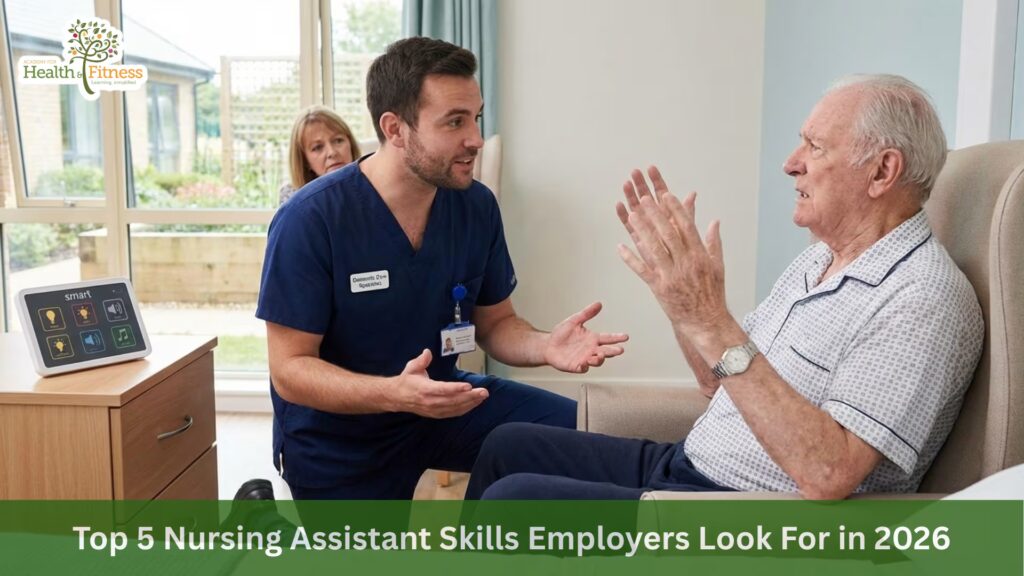


Top 5 Nursing Assistant Skills Employers Look For in 2026 isn’t just another career topic — it’s the kind of information that decides who stands out and who gets left behind. Healthcare is changing fast, and the people who keep up will be the ones employers chase, not the other way around.
The top 5 Nursing Assistant skills employers look for in 2026 are communication, practical care competence, digital literacy, teamwork and adaptability — the core abilities that employers rely on when choosing the strongest candidates.
By the end of this guide, you’ll understand:
- The five skills employers value most — and why they matter
- How workplace expectations are evolving
- Real-world examples of what these skills look like in practice
- How to start developing them now, even if you’re a complete beginner
- The training routes that help you build a strong foundation
Let’s break down what employers really want — and how you can stay ahead of the competition in 2026.
Top 5 Nursing Assistant Skills Employers Look For in 2026

Skill #1: Advanced Patient Communication
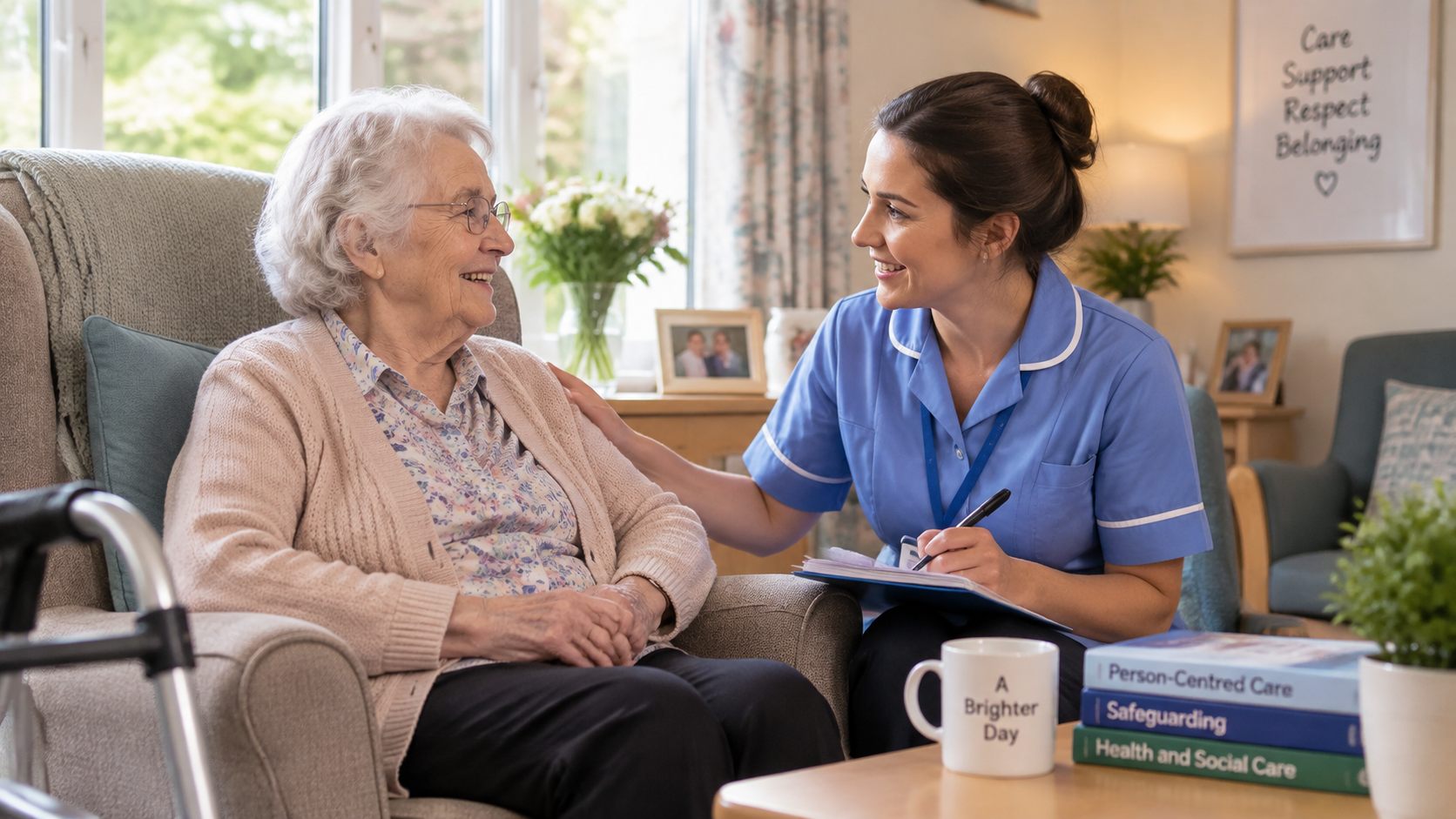
Communication has always mattered in care, but by 2026, it will become essential. As patient needs grow more complex and healthcare settings get busier, employers want nursing assistants who can communicate clearly, calmly and with genuine empathy. Good communication doesn’t just make a shift easier — it directly affects safety, comfort and trust.
Strong communicators do more than talk. They listen, observe and respond in ways that reassure patients who may be frightened, confused or in pain. The best nursing assistants know how to explain what’s happening without overwhelming someone, and how to stay patient even when emotions run high.
Key micro-skills include:
- Empathy: recognising fear, frustration or discomfort — and responding with calm understanding.
- Reassurance: using tone and body language that helps patients relax.
- Clear instructions: giving simple, step-by-step guidance patients can follow.
- Active listening: focusing fully on what the patient says (and what they don’t).
Real-world example:
Imagine supporting a patient who refuses a mobility aid because they’re embarrassed. A rushed explanation could make things worse. But taking a moment to acknowledge their feelings, explaining why the aid matters and offering encouragement can prevent injuries, build trust and keep their dignity intact.
Another example: During handover, clearly communicating what you observed — even something small — can stop medication errors or help nurses catch early signs of decline. This is why employers increasingly prioritise nursing assistants who communicate with confidence and clarity.
If you want the next skill written in the same tone, just tell me — I can continue seamlessly.
Skill #2: Clinical Competence & Practical Care Skills

Clinical competence is the backbone of the nursing assistant role. By 2026, employers will expect assistants who can step into a shift and carry out essential care tasks confidently, safely and without constant supervision. It’s the kind of skill set that makes you dependable — the person teams trust when things get busy.
Core hands-on skills employers prioritise include:
- Vital signs: taking accurate temperature, pulse, respiration and blood pressure.
- Personal care: supporting bathing, dressing, toileting and hygiene with dignity.
- Mobility assistance: helping patients move safely, using hoists, guiding transfers.
- Infection control: proper hand hygiene, PPE use and maintaining safe environments.
These may sound basic, but confidence and consistency are what set great nursing assistants apart. A rushed blood pressure reading or incorrect use of equipment can create small errors that snowball into bigger problems. Employers notice the assistants who do the fundamentals well, every single time.
Clinical competence also reduces the pressure on nurses. When nursing assistants complete tasks accurately and independently, nurses can focus on higher-level clinical decisions. This collaboration not only protects patient safety but keeps the whole environment running smoothly — especially during peak hours or staffing shortages.
In short: the better your practical skills, the more valuable you are to any team.
Skill #3: Digital Literacy & Record-Keeping Accuracy

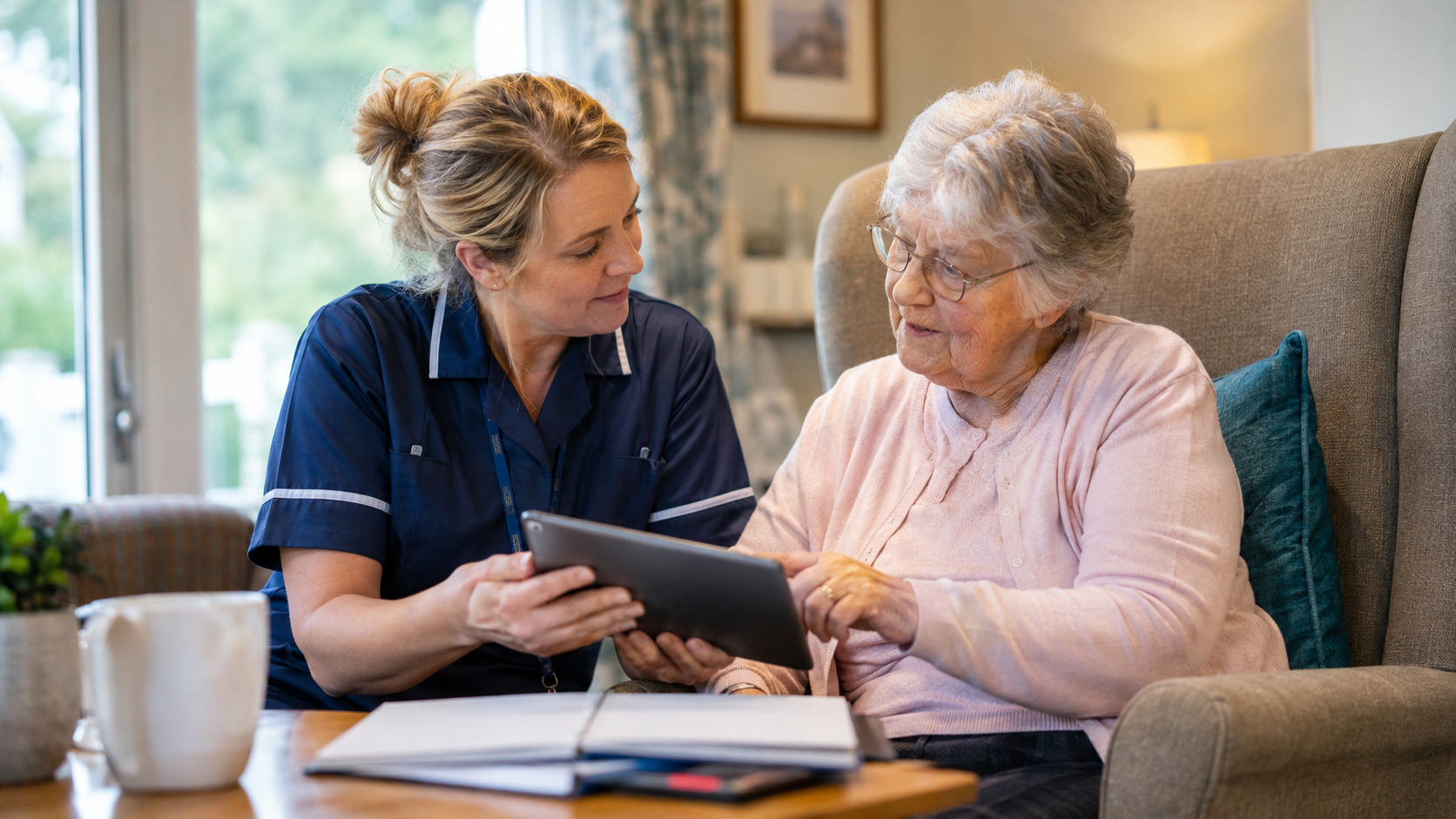
Digital care is no longer “the future” — it’s the present. By 2026, almost every healthcare setting in the UK will rely heavily on electronic systems, and employers want nursing assistants who can keep up. Accurate record-keeping is more than a box-ticking task; it’s essential for safe care. One missed detail can affect treatment decisions, medication timing or even safeguarding concerns.
To stay competent, nursing assistants will need basic IT skills, confidence navigating electronic documentation and an understanding of how digital care software works. You don’t need to be a tech expert, but you do need to feel comfortable using digital tools during a busy shift.
The skills employers will expect include:
- Navigating electronic patient records (EPR)
- Entering observations accurately
- Using handheld devices for bedside documentation
- Following digital care plans
- Understanding alerts, prompts and task lists
- Updating notes clearly and professionally
In many workplaces, paper charts are disappearing. Instead, nursing assistants may use:
- EPR systems (e.g., EMIS, SystmOne, Epic)
- Handheld devices for digital observations
- Barcode scanning for patient ID and medication workflows
- Task-tracking apps used on wards or in community services
Being digitally confident makes your work smoother, supports the entire team and ensures that every patient receives safe, consistent care. It’s one of the skills that can truly set you apart in 2026.
Skill #4: Teamwork & Collaboration

Teamwork is the glue that holds every care setting together. By 2026, employers won’t just look for nursing assistants who can “work well with others” — they’ll expect you to slot smoothly into a busy, multidisciplinary team from day one. That means collaborating with nurses, doctors, physiotherapists, occupational therapists, social workers and, of course, patients’ families.
What employers value most isn’t complicated: reliability, clear communication and a genuine willingness to help. When the ward is busy or a patient needs urgent support, they look for the assistant who shows up, stays calm and gets stuck in without waiting to be asked. Consistency matters just as much as skill.
So what does great teamwork look like in real life?
Picture a morning shift on a bustling ward. A nurse begins medication rounds but is pulled into an emergency. Without hesitation, the nursing assistant steps in — helping a patient wash, updating the nurse on changes in mobility, and communicating with physio staff about a new transfer plan. They keep the flow going, check in with colleagues and make sure nothing slips through the cracks.
That’s teamwork: small acts that keep patients safe and make the entire shift run smoother. It’s the kind of quality employers remember long after the interview ends.
Skill #5: Adaptability, Resilience & Problem-Solving
Care environments rarely follow a predictable script. One moment you’re helping a patient wash; the next, a new admission arrives, someone’s unwell, or the team is suddenly short-staffed. By 2026, employers are placing huge value on nursing assistants who can adjust quickly, stay steady under pressure and keep thinking clearly when things get a little chaotic.
The core skills here include:
- Staying calm: patients rely on your tone and presence, especially during stressful moments.
- Taking initiative: stepping in to help, solving small problems on your own and knowing when to escalate.
- Adjusting to demand: switching tasks, reorganising priorities and managing your time when the pace shifts.
Resilience has become one of the most in-demand traits because healthcare itself is becoming more unpredictable. With rising patient numbers, rapid turnover and evolving care needs, employers need people who don’t crumble under stress — people who bend without breaking.
Imagine a shift where two discharges are delayed, a patient falls unexpectedly and a new resident arrives all at once. A resilient nursing assistant doesn’t panic. They breathe, assess, ask for help when needed and keep moving. They’re the steady point in the room — and that’s exactly the kind of person managers want on their team.
Bonus Skills Employers Increasingly Value
Beyond the core five, employers in 2026 are keeping an eye out for a few extra qualities — the kind that don’t always show up on a CV but make a huge difference on the job.
Cultural sensitivity
Patients come from all backgrounds, and understanding different beliefs, behaviours and communication styles helps you deliver respectful, person-centred care. It also prevents misunderstandings and builds trust.
Time management
Care work moves quickly. Prioritising tasks, staying organised and managing competing demands mean you can support more patients without feeling overwhelmed.
Ethical awareness & professionalism
Whether it’s patient confidentiality, dignity or safeguarding concerns, employers value nursing assistants who act responsibly, follow guidelines and make the right call when something feels “off.”
Commitment to learning
Healthcare evolves constantly. Being open to new techniques, updated protocols and additional training shows employers that you’re growing with the role, not standing still.
Patience and emotional intelligence
Some patients are anxious, confused or in pain. Staying patient, reading emotions and responding with empathy make challenging situations easier for everyone — including you.
These bonus skills don’t just make you employable — they make you someone teams genuinely want to work with.
How to Develop These Skills Even If You’re a Beginner

You don’t need years of experience to start building the skills employers want — you just need the right habits. With small, consistent steps, you can strengthen your confidence long before you step into your first role. And if you prefer learning with more structure, a foundation course such as the Nursing Assistant Diploma Online can offer guided practice alongside your own self-development.
Practical self-development strategies
Start with the basics: practise good communication, stay organised and get comfortable with simple care tasks at home (like safe moving techniques or preparing supportive environments). Reading patient scenarios and watching care demonstrations can also build early familiarity.
Role-play communication practice
Grab a friend or family member and run through common situations — explaining a procedure, reassuring an anxious patient or reporting a concern to a nurse. It feels simple, but this kind of practice sharpens clarity, tone and empathy.
Shadowing opportunities
If possible, try shadowing in a care home, clinic or community setting. Watching experienced staff communicate, prioritise tasks and handle pressure gives you real insight into what excellent care looks like. Many organisations welcome beginners for observational experience.
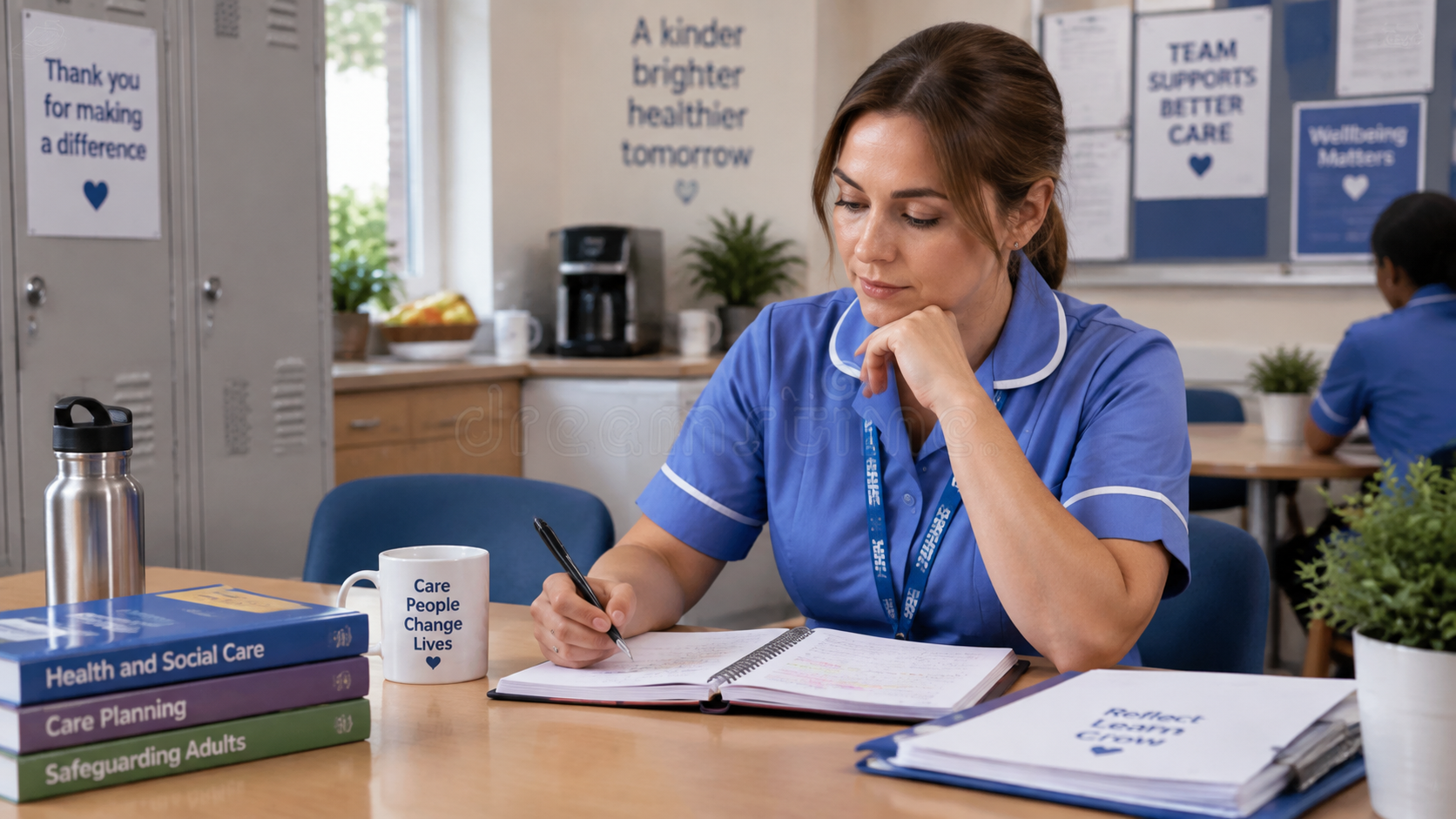
Reflective practice
After any hands-on task or learning moment, take a few minutes to reflect:
- What went well?
- What felt challenging?
- What would I do differently next time?
Reflection builds self-awareness — a core trait employers notice quickly.
What Employers Will Expect in 2026

Hiring standards for nursing assistants are shifting, and by 2026 employers will be far more focused on practical ability, digital confidence and your attitude toward teamwork. Qualifications still matter, of course — but they’re no longer the whole picture. Employers want people who can adapt, communicate and stay steady in busy environments.
Updated hiring trends
Expect more emphasis on real-world skills, not just course completion. Many organisations now prioritise candidates who can demonstrate hands-on competence, emotional intelligence and safe working practices. Digital literacy is becoming a basic requirement rather than an advantage.
Skill-based interviews
Instead of generic questions, you’ll be asked about specific skills: how you take vital signs, how you reduce infection risks, how you support mobility, how you communicate with anxious patients. Employers want to see that you understand not only what to do, but why.
Behavioural questions
You’ll likely hear prompts such as:
- “Tell me about a time you dealt with a difficult situation.”
- “How do you react when a shift becomes overwhelming?”
- “Can you describe a moment when you supported someone who was distressed?”
These help employers assess your resilience, patience and ability to think clearly under pressure.
What stands out in applications
Managers notice candidates who:
- Highlight specific care skills
- Show understanding of digital record-keeping
- Provide examples of teamwork or communication
- Demonstrate a commitment to learning
- Present a CV that’s clear, structured and relevant
Even small details — like mentioning shadowing experience or reflective practice — can set you apart from applicants who rely solely on formal training.