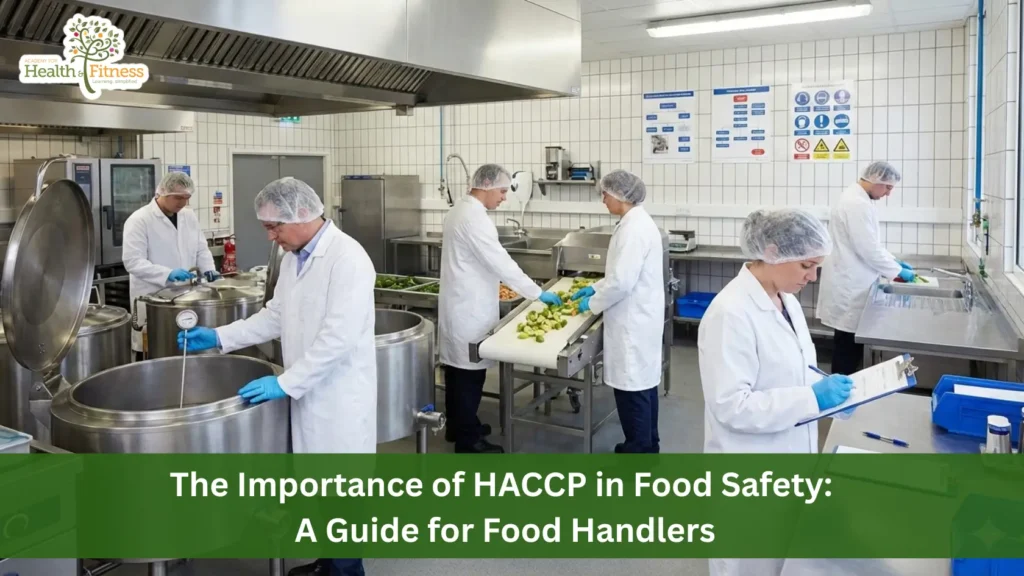


Foodborne illness outbreaks can shut down kitchens overnight. A single mistake can lead to costly recalls, legal action, and long-term damage to a brand’s reputation. For food handlers, even small lapses in temperature control or hygiene can have serious consequences for both customers and businesses. In the UK alone, the Food Standards Agency estimates around 2.4 million cases of foodborne illness every year, costing society billions and damaging business reputations.
HACCP stands for Hazard Analysis and Critical Control Points. It is a systematic food safety approach originally developed for NASA to ensure astronauts had safe food during space missions. The system was designed to eliminate risks before food was ever consumed.
HACCP represents a shift from testing finished food to preventing hazards during preparation and production. This blog provides food handlers with a clear, practical roadmap to compliance, consistency, and higher food safety standards.
What Is HACCP?
HACCP stands for Hazard Analysis and Critical Control Points. It is a preventive food safety system designed to identify and control potential hazards before food becomes unsafe. Rather than relying on end-product testing, HACCP focuses on managing risk throughout the food handling process.
The system was developed in the 1960s for NASA to ensure astronauts received safe food during space missions. Because testing finished meals was not practical, a method was needed to prevent hazards at every stage of production.
HACCP represents a shift from reacting to problems to preventing them. By identifying where biological, chemical, and physical hazards may occur, food handlers can apply controls at critical points and reduce the chance of foodborne illness.
What is a HACCP Plan?

A HACCP plan is a written guide that shows how you control food safety risks in your daily work. In simple terms, it explains what could go wrong, where it could happen, and what you do to stop it. More importantly, it turns food safety from guesswork into a clear routine that everyone can follow.
What a HACCP Plan Includes
A good HACCP plan breaks the food process into clear steps. Then, it sets rules for each one. For example, it usually includes:
- A description of the food you handle
- A step-by-step flow of the process, from delivery to service
- The hazards linked to each step
- Critical control points, such as cooking or cooling
- Safe limits, like time and temperature
- Monitoring checks and what to do if something goes wrong
Because everything is written down, staff know exactly what is expected. While a HACCP plan explains what to do, proper training helps you understand why each step matters. This is where higher-level food safety training, such as a Level 3 food hygiene course, helps food handlers apply HACCP correctly in real kitchen settings.
How a HACCP Plan Works in Real Life
For example, if you cook chicken in a restaurant, your HACCP plan will clearly state the minimum cooking temperature. Then, you or your team check and record it every time. If the chicken does not reach that temperature, you act straight away and fix the issue before serving it.
So, instead of reacting to problems later, a HACCP plan helps you stay in control every day. It gives you confidence, protects customers, and keeps your business compliant.
Why HACCP Is Important for Food Safety
HACCP matters because food safety does not fail all at once. Instead, it fails through small gaps that build up over time. So, when we use HACCP properly, we close those gaps before they turn into serious problems.
It Protects Customers From Foodborne Illness
First of all, HACCP helps us stop foodborne illness before it starts. Rather than hoping food is safe at the end, we control risks during storage, preparation, cooking, and serving. For example, when you check and record cooking temperatures, you make sure harmful bacteria do not survive. As a result, customers stay safe and trust your food.
It Protects Your Business and Reputation
At the same time, HACCP protects your business. One food safety incident can lead to complaints, inspections, or even closure. However, when you follow a HACCP plan, you can show that you took the right steps to prevent risks. Because everything is monitored and recorded, you can prove that you work responsibly.
It Creates Consistent, Safer Habits
Most importantly, HACCP builds good habits. When everyone follows the same controls, mistakes happen less often. So, instead of guessing or rushing, you work with clear rules. In the long run, this makes food safety part of everyday work, not just something you worry about during inspections.
Types of Food Safety Hazards Identified in HACCP
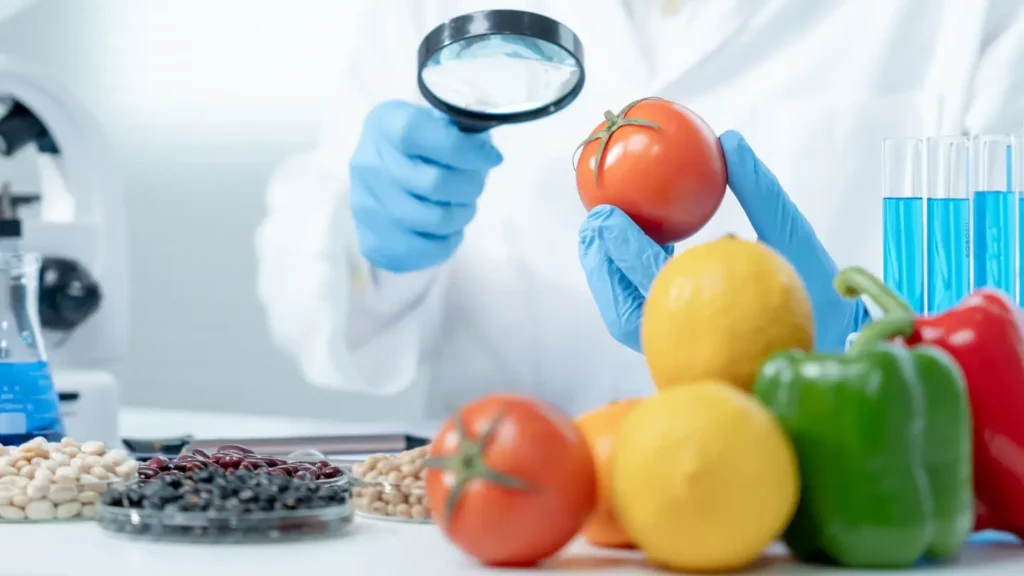
When we talk about HACCP, we always start with hazards. That is because, before you can control a risk, you need to understand it. So, HACCP groups food safety risks into three clear types. Once you know them, it becomes much easier to spot problems during your daily work.
Biological Hazards
First of all, biological hazards are the most common cause of foodborne illness. These include bacteria, viruses, and parasites that grow in food when conditions are right.
For example, if cooked rice cools too slowly, bacteria can multiply quickly. As a result, anyone who eats it later could become ill. So, controlling time and temperature really matters here.
Chemical Hazards
Next, chemical hazards come from substances that should never end up in food. These can enter food through poor handling or storage.
Common examples include:
- Cleaning chemicals used near food
- Sanitiser residue on surfaces
- Allergens caused by cross-contact
Because allergens can cause serious reactions, you must keep them clearly separated and labelled.
Physical Hazards
Finally, physical hazards involve foreign objects in food. These do not make food unsafe through germs, but they can still cause injury.
For instance, broken glass, metal fragments, or bits of packaging can fall into food during preparation. Therefore, good housekeeping and equipment checks help prevent these risks before food reaches the customer.
HACCP Framework: From Planning to Control
HACCP does not start with forms or checklists. Instead, it starts with planning. When we plan properly, we make food safety easier to manage during busy shifts. So, this framework helps you move from thinking about risks to controlling them every day.
Planning Before You Control Risks
First, you need to understand what food you handle and how it moves through your kitchen. For example, food usually goes through steps such as delivery, storage, preparation, cooking, and service. Because each step carries risk, you must look at them one by one.
During planning, you:
- Describe the food and how customers will eat it
- Map out the full process from start to finish
- Identify where hazards could appear
As a result, nothing gets missed.
Turning Plans Into Controls
Next, you decide where control matters most. These points become your critical control points. Then, you set clear limits, such as safe temperatures or time rules.
For example, when you cook mince, you check the core temperature before serving. If it does not meet the limit, you act straight away and continue cooking. Therefore, unsafe food never leaves the kitchen.
Keeping the System Working
Finally, you monitor, record, and review what you do. Because food safety can slip during busy times, regular checks keep standards steady. Over time, this framework turns safe practice into a daily habit, not just a rule on paper.
What are the 7 principles of HACCP?
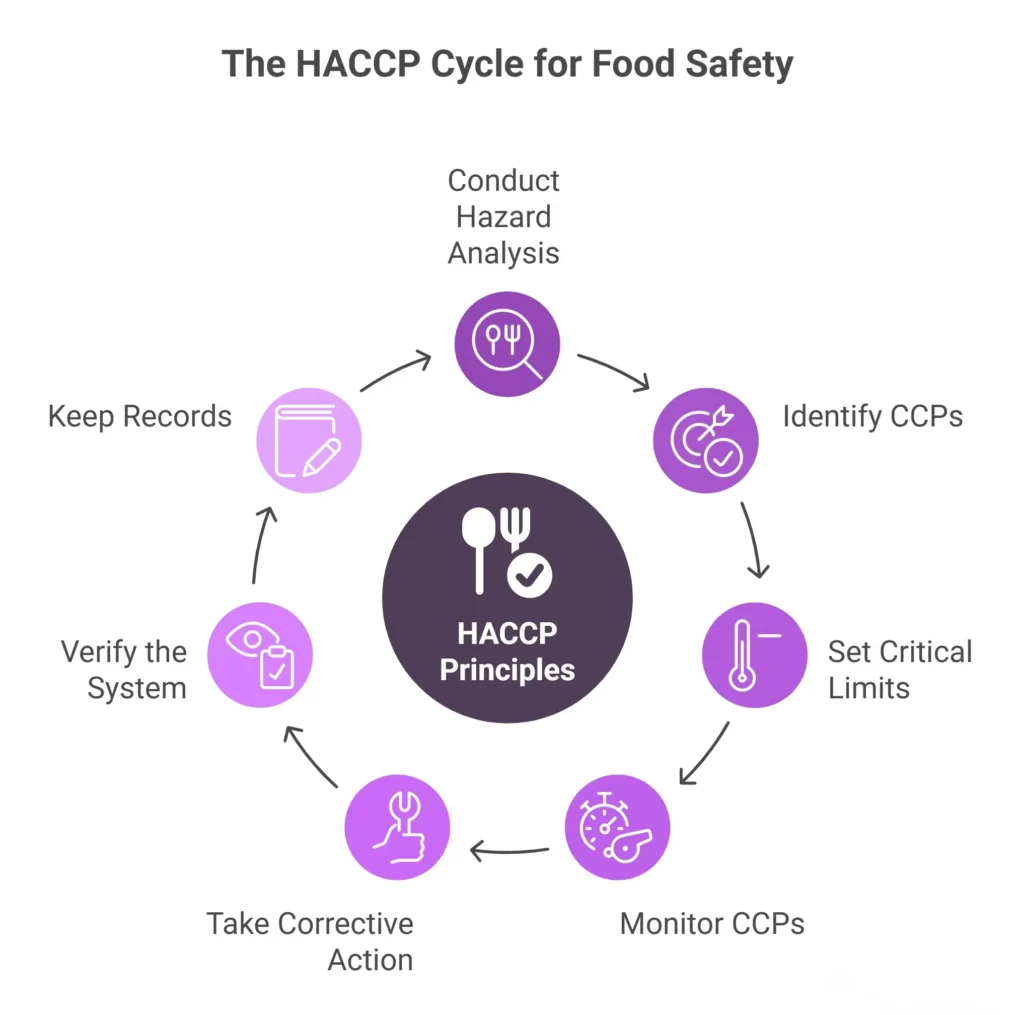
The seven principles of HACCP give us a clear structure for managing food safety. Together, they help you spot risks early and deal with them before food reaches the customer. So, instead of guessing, you work with a system that makes sense.
1. Conduct a Hazard Analysis
First, you look at each step of food handling and ask, “What could go wrong here?” For example, raw chicken can carry bacteria, while cleaning spray near food can cause chemical risk. Because of this, you identify biological, chemical, and physical hazards early.
2. Identify Critical Control Points (CCPs)
Next, you decide where control is essential. These steps are your CCPs. For instance, cooking chicken fully is a CCP because it kills harmful bacteria. If you lose control here, food safety fails.
3. Set Critical Limits
Then, you set clear safety limits. These are usually time or temperature rules. For example, cooked food must reach a safe core temperature. So, you know exactly what “safe” looks like.
4. Monitor the CCPs
After that, you check that limits are met. You might use a thermometer or visual check. Because monitoring happens during work, problems get caught straight away.
5. Take Corrective Action
If something goes wrong, you act immediately. For example, if food does not reach the right temperature, you keep cooking it or discard it. As a result, unsafe food never gets served.
6. Verify the System
Then, you check that HACCP works over time. This might include reviewing records or checking thermometer accuracy. So, you confirm that controls stay reliable.
7. Keep Records
Finally, you write things down. Records show what you checked and what you did. Because of this, you can prove good practice during inspections and spot patterns early.
Together, these principles turn food safety into a clear, repeatable routine you can trust every day.
HACCP Responsibilities of Food Handlers
HACCP only works when food handlers follow it consistently. While managers may design the system, you are the one who applies it during every shift. So, your daily actions directly affect food safety, customer health, and business compliance.
Your Role Within the HACCP System
First of all, you must understand the parts of the HACCP plan that apply to your role. This includes knowing which steps you control and what limits you must follow. Because HACCP focuses on prevention, you should never guess or rely on memory alone.
For example, if you handle cooking or reheating, you are responsible for checking core temperatures at the correct time. Then, you record the result clearly. If the food does not meet the limit, you act straight away rather than serving it.
Key Daily HACCP Duties
Every shift, food handlers help keep hazards under control through routine actions. In practice, these responsibilities include:
- Checking delivery temperatures and food condition on arrival
- Storing raw and ready-to-eat food separately
- Washing hands before and after high-risk tasks
- Using clean, calibrated thermometers
- Monitoring cooking, cooling, and holding temperatures
- Following allergen controls and using separate equipment
Because these tasks happen daily, consistency matters more than speed.
Monitoring and Record-Keeping
In addition, food handlers must complete records accurately. These logs show that checks were done and limits were met. So, you should write readings clearly and at the right time, not at the end of the shift.
Reporting Problems and Taking Action
Finally, HACCP depends on speaking up. If you spot unsafe food, damaged packaging, or a missed temperature check, you must report it immediately. Therefore, quick action helps prevent foodborne illness and keeps standards high for everyone.
As food handlers move into senior or supervisory roles, they often need a stronger understanding of supervision, record-keeping, and staff training. Food Hygiene and Safety Level 3 courses support this by covering supervision of food safety, staff hygiene, and training responsibilities.
Common Critical Control Points in Food Operations
Critical Control Points, or CCPs, are the steps where food safety matters most. If you lose control at these points, food can quickly become unsafe. So, by knowing where CCPs usually sit, you can focus your attention on the checks that really protect customers.
CCPs During Receiving and Storage
First of all, food safety starts the moment deliveries arrive. If chilled or frozen food comes in at the wrong temperature, problems begin straight away.
At this stage, common CCPs include:
- Checking delivery temperatures
- Inspecting packaging for damage or leaks
Rejecting food that does not meet safety standards
Then, during storage, you must keep food at the correct temperature. Because fridges and freezers work constantly, regular checks help prevent hidden risks.
CCPs During Preparation and Cooking
Next, preparation and cooking create some of the highest risks. Raw food can easily contaminate ready-to-eat items if controls slip.
For example, cooking is often a CCP because heat kills harmful bacteria. So, you must check core temperatures before serving. If food does not reach the safe limit, you continue cooking rather than taking chances.
CCPs During Cooling, Holding, and Reheating
After cooking, food still needs careful control. Cooling too slowly allows bacteria to grow. Therefore, you must cool food quickly and store it correctly.
Common CCPs here include:
- Cooling food within safe time limits
- Keeping hot food hot and cold food cold
- Reheating food thoroughly before service
CCPs During Service and Delivery
Finally, service and delivery also matter. Food left out too long can become unsafe. So, by controlling time and temperature right up to the point of service, you keep food safe from start to finish.
HACCP Training and Its Importance
HACCP training gives food handlers the knowledge to do things right, even during busy shifts. Without training, rules feel confusing or easy to ignore. So, when we understand why controls matter, we follow them more consistently.
Why HACCP Training Matters
First of all, training helps you recognise risks before they cause harm. When you know where hazards appear, you can act quickly. For example, trained staff understand why cooling food fast matters, not just that it is a rule.
At the same time, training builds confidence. Because you know what to check and when, you feel more in control of your work. As a result, mistakes happen less often.
What Good HACCP Training Covers
Effective training focuses on practical, everyday tasks. It usually includes:
- Personal hygiene and handwashing rules
- Temperature control and thermometer use
- Preventing cross-contamination
- Allergen awareness and controls
- What to do when limits are not met
Because these topics link directly to daily work, they are easier to remember.
Training Is Not a One-Off Task
Finally, HACCP training must stay ongoing. Staff change, and habits slip over time. Therefore, short refreshers and on-the-job reminders keep food safety strong and consistent across every shift.
Common HACCP Mistakes to Avoid
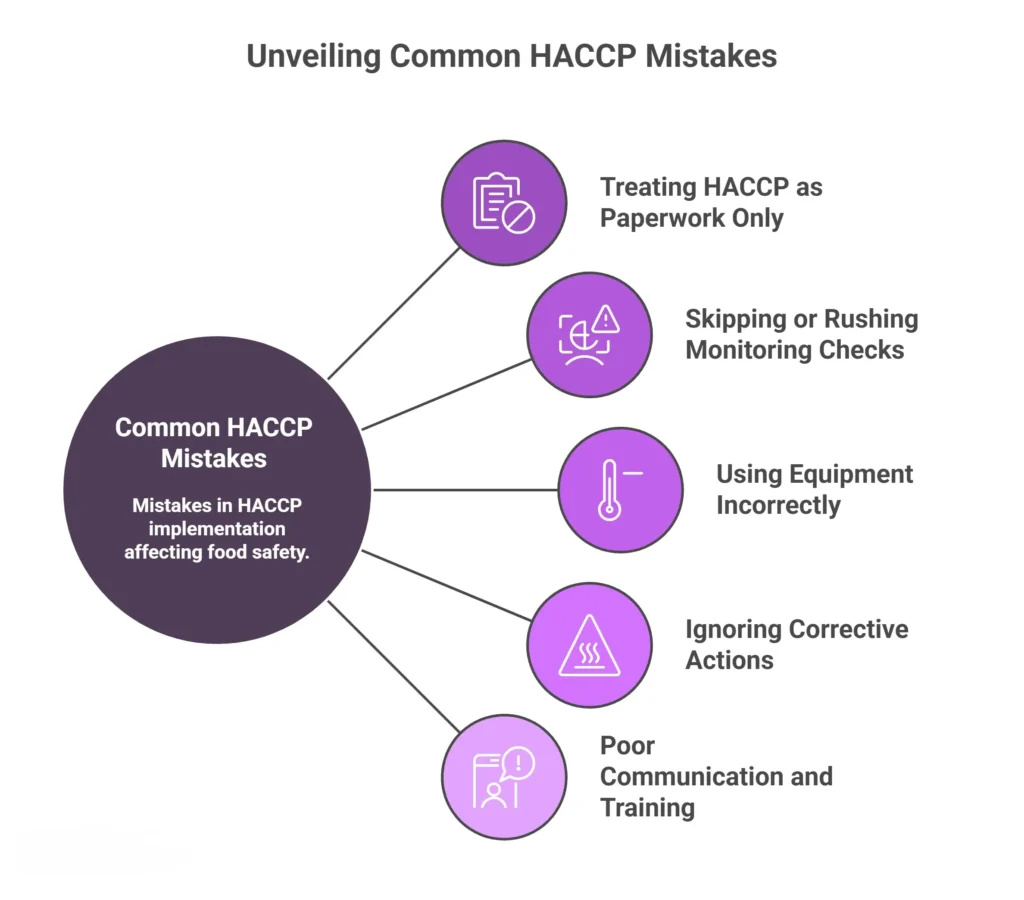
Even with a HACCP plan in place, mistakes can still happen. However, most problems come from small habits that slip over time. So, by knowing the common errors, we can avoid them before they affect food safety.
Treating HACCP as Paperwork Only
First of all, many teams see HACCP as forms to fill in. Because of this, checks get rushed or written down later. Instead, HACCP should guide what you do during the job, not just what you record at the end of a shift.
Skipping or Rushing Monitoring Checks
Next, missed checks cause serious gaps. For example, if fridge temperatures are not checked during busy periods, food can sit in danger zones without anyone noticing. So, regular monitoring must stay a priority, even when time feels tight.
Using Equipment Incorrectly
Another common mistake involves tools. Thermometers that are not cleaned, calibrated, or used properly give false results. As a result, food may look safe on paper but stay unsafe in reality.
Ignoring Corrective Actions
Sometimes staff notice a problem but fail to act. For example, food does not reach the right temperature, yet it still gets served. Therefore, corrective actions must happen immediately, not later.
Poor Communication and Training
Finally, HACCP fails when staff do not understand it. Without clear training and communication, people guess. So, regular refreshers and open discussion help keep everyone on the same page and food safe.
HACCP Tools and Documentation Used in Daily Operations
HACCP works best when you use the right tools and keep simple records. These tools help you stay organised, while the paperwork shows that checks actually happen. So, instead of slowing you down, good documentation supports your daily work.
Key HACCP Tools You Use Every Day
First of all, food handlers rely on a few basic tools to control risks. When you use them correctly, they make food safety easier.
Common tools include:
- Probe thermometers to check cooking, cooling, and holding temperatures
- Fridge and freezer thermometers for storage checks
- Colour-coded boards and utensils to prevent cross-contamination
- Cleaning and sanitising equipment used at the right strength
Because these tools give clear results, they help you act quickly.
Essential HACCP Records
Next, documentation shows what you checked and when. These records do not need to be complex, but they must be accurate.
Typical HACCP documents include:
- Temperature logs for cooking, cooling, and storage
- Corrective action records when limits are missed
- Calibration records for thermometers
- Cleaning schedules and checklists
For example, if a fridge runs too warm, your record shows the reading and the action taken. As a result, you can prove safe handling during inspections.
Keeping Records Simple and Useful
Finally, good records fit into your routine. So, write them at the time of checking, not later. When documentation stays simple and consistent, HACCP becomes part of the job, not an extra task.
Implementing HACCP: Challenges and solutions

Putting HACCP into practice can feel difficult at first. However, most challenges come from habits, not from the system itself. So, when we understand the common problems, we can deal with them in simple and practical ways.
Challenge: Lack of Understanding
First of all, many food handlers struggle because they do not fully understand HACCP. When rules feel unclear, people guess or skip steps.
Solution:
Because training makes a big difference, regular short sessions help. For example, a quick team talk before service can explain one control, such as cooling food safely. As a result, staff feel more confident and follow procedures correctly.
Challenge: Time Pressure During Busy Shifts
Next, busy periods often lead to missed checks. When service speeds up, temperature checks or records can feel easy to delay.
Solution:
So, you should build checks into the routine. For instance, link temperature checks to set times or tasks. This way, safety stays part of the workflow, not an extra job.
Challenge: Inconsistent Record-Keeping
Sometimes records get filled in late or not at all. Because of this, HACCP loses its value.
Solution:
Keep forms simple and easy to reach. Then, record results immediately after checks. Over time, this habit saves effort and prevents problems.
Challenge: Staff Turnover
Finally, new staff may not know the system. Therefore, clear induction and ongoing support help maintain standards, even when teams change.
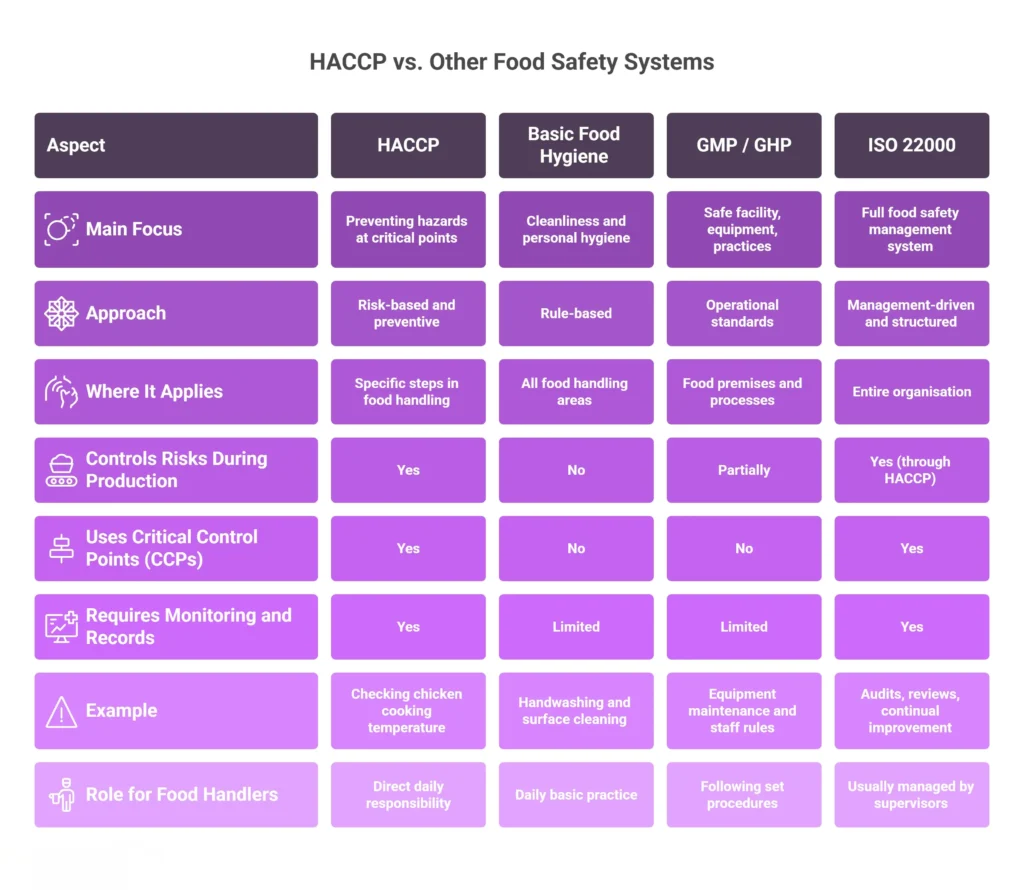
HACCP vs. Other Food Safety Systems
Conclusion
HACCP helps us take control of food safety, rather than leaving it to chance. By focusing on risks at each step, you protect customers, support your team, and keep standards consistent. So, good habits and clear checks make a real difference every day.
In the end, HACCP only works when we all follow it. When you understand your role and act with care, food safety becomes part of the routine, not a last-minute concern.