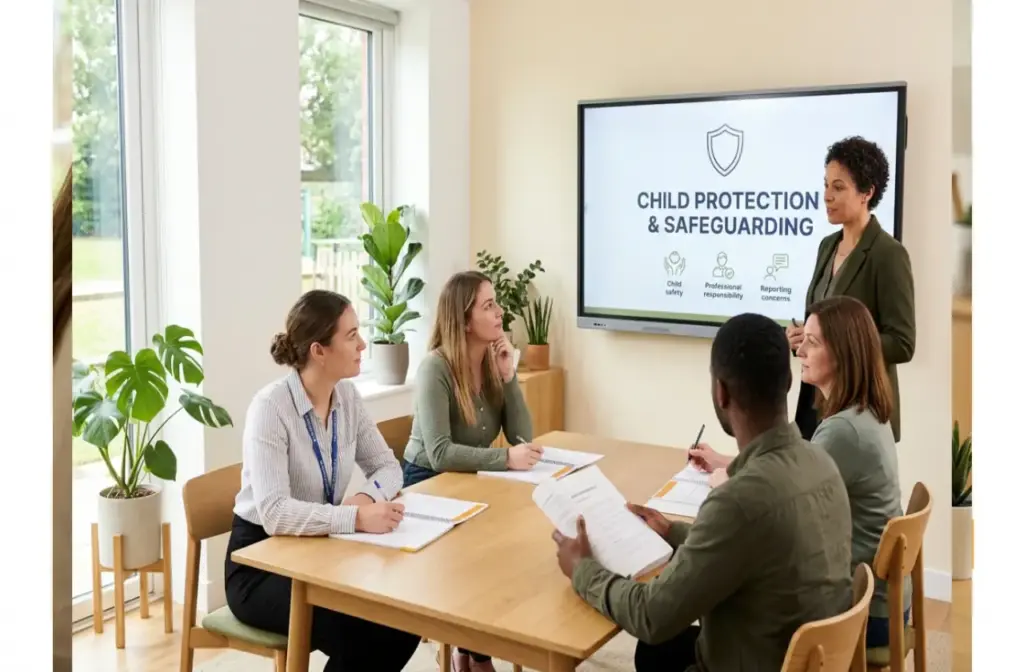


Planning to work with children or build a career in safeguarding? Choosing the right child protection and safeguarding course can help you develop essential knowledge of child safety, abuse prevention and professional responsibilities. However, not every course offers the same training or certification.
A suitable course should cover recognising abuse, responding to safeguarding concerns and following reporting procedures. Whether you work in education, childcare or social care, your training should match your responsibilities and relevant UK requirements. If you’re considering a specialist career, our guide to becoming a child protection officer covers the professional pathway in the UK.
Before enrolling, it’s important to check the course content, learning format, assessment and certificate recognition. This guide explains what safeguarding training covers, who it’s suitable for and how to choose the right course for your needs.
Child Protection and Safeguarding
What Is a Child Protection and Safeguarding Course?
A child protection and safeguarding course provides training in recognising potential harm, protecting children’s welfare and responding appropriately to safeguarding concerns.
Although closely connected, safeguarding and child protection have slightly different meanings.
- Safeguarding covers the wider responsibility of promoting children’s welfare and protecting them from harm.
- Child protection focuses on protecting individual children who are suffering, or are likely to suffer, significant harm.
Courses typically introduce safeguarding principles, types of abuse, professional responsibilities and reporting procedures. Some provide basic awareness, while others address more specialised responsibilities.
The most suitable training depends on your experience, workplace and the children you support.
What Will You Learn in a Child Protection and Safeguarding Course?
A good safeguarding course should combine essential knowledge with practical workplace responsibilities. Here are the main subjects worth looking for when comparing training.
Recognising Abuse, Neglect and Safeguarding Risks
Safeguarding training introduces different forms of child abuse, including physical, emotional and sexual abuse, alongside neglect and exploitation.
You may also cover online risks, behavioural changes and situations where children could be particularly vulnerable.
The aim is to recognise possible concerns and respond appropriately, not to diagnose abuse or conduct investigations independently.
Responding to Concerns and Reporting Safely
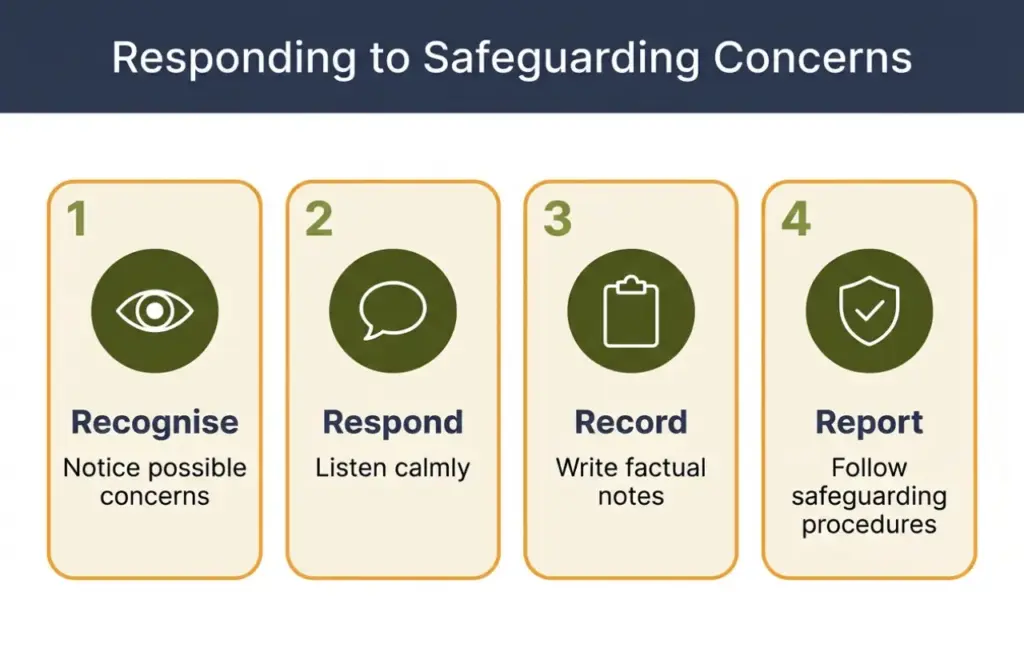
Knowing what to do when a child raises a concern is an important safeguarding skill.
Training should address listening appropriately, avoiding leading questions, recording relevant information and following workplace reporting procedures.
For example, if a child shares something concerning with a teaching assistant, the assistant should understand how to respond calmly and pass the information to the appropriate safeguarding professional.
For additional guidance, Reporting Child Abuse explains how safeguarding concerns should be raised through appropriate channels in the UK.
Understanding Safeguarding Duties and UK Guidance
Courses should also introduce relevant safeguarding policies, professional responsibilities and information-sharing practices.
In England, Working Together to Safeguard Children 2026 provides statutory guidance on multi-agency safeguarding arrangements.
| Learning Area | Practical Outcome |
|---|---|
| Recognising concerns | Identify possible warning signs of abuse or neglect. |
| Responding appropriately | Follow reporting and referral procedures. |
| Professional responsibilities | Apply safeguarding policies and record information appropriately. |
Remember that safeguarding arrangements differ across England, Scotland, Wales and Northern Ireland.
Who Should Take a Child Protection and Safeguarding Course?
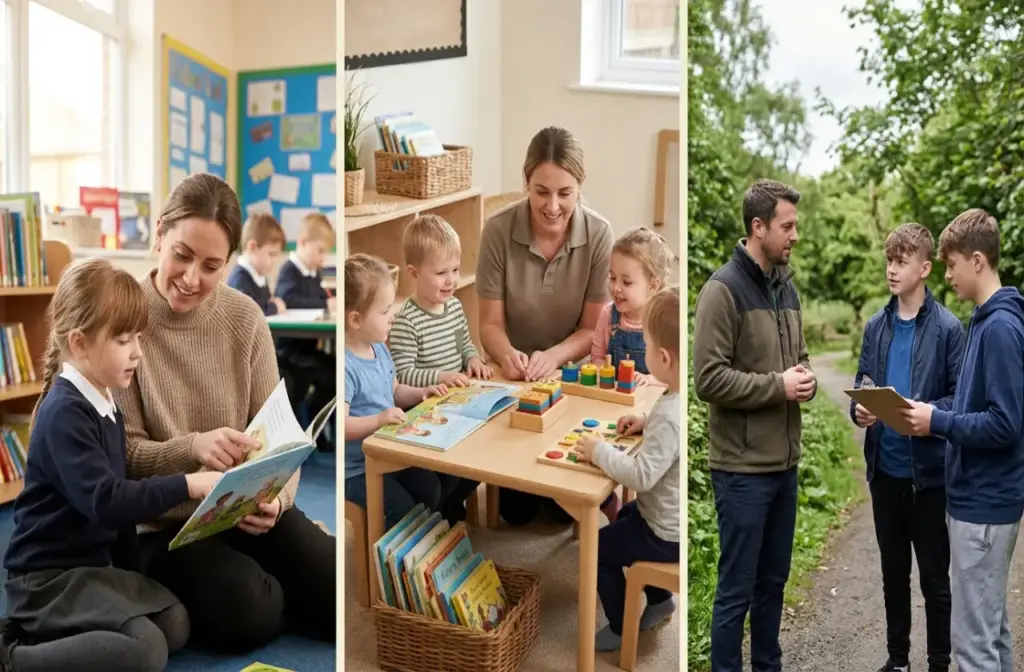
Safeguarding training is relevant to professionals and volunteers whose responsibilities involve children and young people.
It may be particularly useful for:
- Teachers and teaching assistants: Supporting children’s safety and following school safeguarding procedures.
- Nursery and childcare workers: Recognising risks and safeguarding young children.
- Youth workers and sports coaches: Responding to concerns during activities involving children.
- Volunteers: Developing safeguarding awareness appropriate to their responsibilities.
- Social care and family support workers: Supporting children and families within professional safeguarding arrangements.
- Career starters: Building foundational knowledge before entering child-facing roles.
For schools and colleges in England, Keeping Children Safe in Education 2026 sets out statutory safeguarding guidance and staff responsibilities.
General awareness training does not automatically replace specialist designated safeguarding lead (DSL) training or workplace-specific requirements.
Teachers and support staff may also find guidance on School Safeguarding Responsibilities useful when considering training appropriate to their roles.
How to Choose the Right Child Protection and Safeguarding Course
Before enrolling, compare courses against your responsibilities, experience and preferred learning format. A familiar course title or certificate alone does not guarantee suitability.
1. Match the Course to Your Role and Experience
Begin by identifying what training you actually need.
Beginners may benefit from safeguarding awareness training, while professionals with additional responsibilities may require specialist instruction.
If you’re already employed, ask your manager which training is accepted or required for your role.
2. Check the Curriculum and UK Relevance
Look for clear coverage of abuse, neglect, safeguarding responsibilities, reporting concerns and practical decision-making.
Course content should also reflect relevant UK guidance.
For example, early years providers in England must follow the applicable EYFS statutory framework, which includes safeguarding and welfare requirements.
Check whether the training addresses your particular workplace and UK nation.
3. Review the Format, Assessment and Support
Consider how you’ll complete the training.
Check whether the course offers self-paced access, realistic scenarios, assessment activities and suitable support.
A clear assessment process can help you demonstrate what you’ve gained from the training.
4. Verify the Certificate and Total Cost
Before purchasing a CPD safeguarding course, check its certificate arrangements carefully.
CPD accreditation supports continuing professional development, but it does not automatically make a course a regulated qualification.
You can check formally regulated qualifications through the Register of Regulated Qualifications.
Our guide on CPD vs Qualifications can help you assess the difference between professional development certificates and regulated qualifications.
Also confirm whether certificate fees are included in the advertised course price.
5. Check Training Currency and Employer Requirements
Safeguarding guidance changes, so check when the course was last updated.
Confirm whether your employer requires additional induction, supervised learning, specialist training or refresher sessions.
The right course should match your actual responsibilities, not simply offer the highest advertised level.
Can You Complete Child Protection and Safeguarding Training Online?
Yes. Many providers offer online child protection courses that learners can complete remotely.
Self-paced training can suit working professionals, volunteers and career changers who need flexibility around existing commitments.
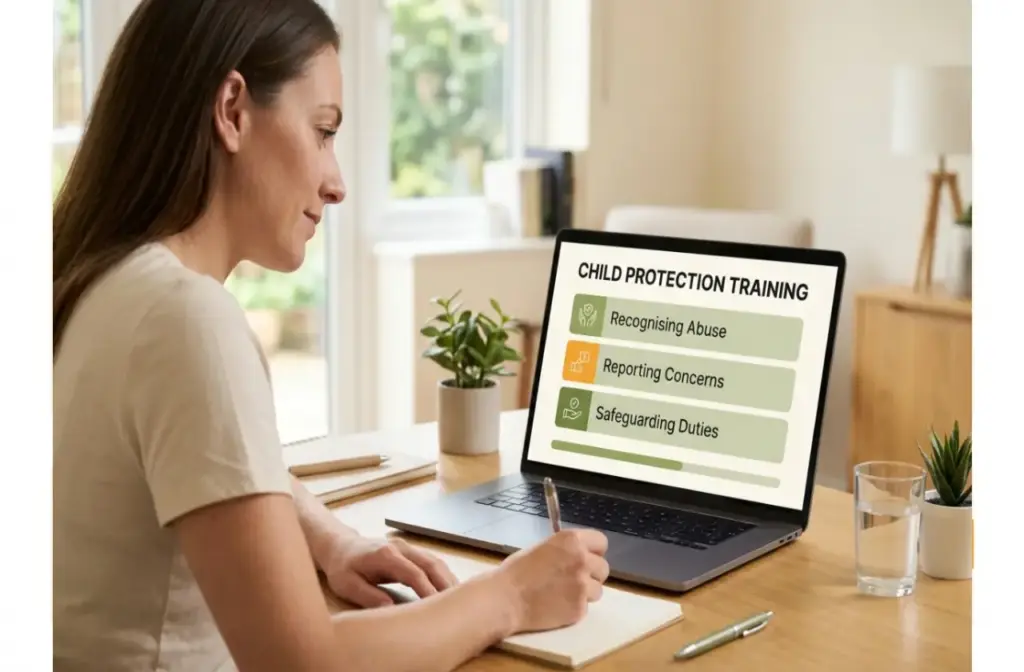
Depending on the provider, online courses may include video lessons, reading materials, practical scenarios, quizzes and assessments.
Before enrolling, check the course duration, access period, assessment requirements and certificate arrangements.
Online learning can support professional development, but it may not replace workplace induction, practical training or other requirements set by employers and relevant organisations.
For roles involving additional safeguarding responsibilities, instructor-led or specialist training may also be necessary.
HF Online's Child Protection and Safeguarding Course
For learners considering flexible online training, HF Online offers a Child Protection and Safeguarding course covering important safeguarding principles and professional responsibilities.
The course includes topics such as child abuse, sexual exploitation, responding to disclosures, risk assessment, referrals and record keeping.
Key features include:
- Online, self-paced learning with one year of access.
- No formal entry prerequisites.
- CPD-accredited training carrying 10 CPD points.
- Automated multiple-choice assessment with a 60% pass requirement.
- An optional CPD certificate available for an additional fee.
The course page displays a Level 4 skill level. This should not be confused with an Ofqual-regulated Level 4 qualification.
Before enrolling, check the complete curriculum, current fees, assessment details and whether the training meets your employer’s expectations.
Conclusion: Choose Training That Fits Your Responsibilities
Choosing a suitable child protection and safeguarding course starts with checking its content, delivery format, certification and relevance to your role.
Prioritise training that supports practical safeguarding responsibilities and meets applicable employer expectations.
HF Online provides a flexible online option for learners developing safeguarding knowledge. Review its course details carefully before deciding whether it suits your professional development needs.
Frequently Asked Questions About Safeguarding Courses
Not always. Some safeguarding courses welcome beginners without previous professional experience. HF Online's course lists no entry prerequisites, although specialist roles may require additional training.
A CPD certificate provides evidence of professional development, but it is not automatically a regulated qualification. Check the provider's accreditation details and your employer's requirements.
Duration varies by provider, course content and assessment requirements. Introductory training may be shorter than specialist programmes. Always check the advertised duration and access period before purchasing.
There is no single expiry rule covering every safeguarding certificate in the UK. Employers and professional organisations may require regular refresher training to keep knowledge current.
Yes, many UK training providers offer online child protection and safeguarding courses with flexible, self-paced learning. You can complete lessons and assessments remotely, although some employers may require additional workplace-specific training.
Not necessarily. Level 2 and Level 3 safeguarding courses may cover different responsibilities and levels of knowledge, depending on the provider. Check the curriculum, certificate status and your employer's requirements rather than choosing based on the level number alone.
A safeguarding course can help demonstrate your knowledge of child protection responsibilities when applying for childcare roles. However, employers may also require relevant qualifications, background checks, experience and role-specific safeguarding training. A course certificate alone does not guarantee employment.
Table of Contents