

Workplace safety for nursing assistants shapes every part of daily care, from the way you move patients to how you manage fast-changing situations. When safety becomes second nature, your work feels more controlled, more confident, and far less stressful.
Key safety practices for nursing assistants to follow are safe patient handling, strong infection control, clear reporting, effective communication, and early action to prevent workplace violence. These habits create safer conditions for both staff and patients.
Understanding why these practices matter helps you build a steady foundation for safer care.
By reading this guide, you will learn:
- What safety in nursing means and why it matters
- Common hazards and how to avoid them
- Safe patient movement and manual handling techniques
- How to control infection and maintain safe environments
- Ways to respond to challenging behaviour and report concerns
- How to build safer habits that support long-term growth
What Safety in Nursing Means and Why It Matters

Safety in nursing refers to the consistent actions, decisions, and behaviours that protect patients, staff, and care environments from avoidable harm. When we ask what is safety in nursing, we are looking at everything that keeps care steady, predictable, and free from unnecessary risk.
Nursing assistants play a central role in maintaining this safety because they spend the most time with patients. You are often the first to notice changes, spot hazards, or identify early signs of discomfort. This places you at the heart of the daily work that upholds the importance of patient safety in nursing.
Safe practice protects everyone involved in care. It prevents injuries, reduces infection risks, supports patient comfort, and helps teams work with clarity and confidence. These habits also safeguard staff, lowering the likelihood of strain, accidents, or incidents linked to challenging behaviour.
Safety is tied to broader expectations in health and social care. Standards focus on quality and safety in nursing, encouraging consistent training, thoughtful communication, and responsible reporting. Understanding these principles helps nursing assistants deliver care that meets professional expectations and supports a healthier, safer workplace.
Common Workplace Hazards for Nursing Assistants
Understanding why safety matters also means recognising the risks that appear in everyday care. These safety in nursing examples show how easily harm can occur when hazards go unnoticed. By identifying these issues early, nursing assistants can prevent incidents and create safer conditions for both patients and staff.
Physical Hazards
Physical risks are among the most common workplace hazards for CNAs, and they often occur during routine tasks. Examples include:
- Slips, trips, and falls: Wet floors, uneven surfaces, and clutter can lead to sudden injuries.
- Unsafe equipment and manual handling risks: Incorrect lifting or repositioning places strain on your back, shoulders, and joints.
- Exposure to bodily fluids: Contact with blood or waste increases the risk of infection without proper protection.
Environmental Hazards
Some hazards come from the surroundings rather than the task itself. These include:
- Poor lighting or cluttered spaces: Reduced visibility and blocked walkways increase the chance of accidents.
- Noise and temperature issues: High noise levels disrupt communication, while uncomfortable temperatures affect patient comfort and staff wellbeing.
Behavioural and Emotional Hazards
Other risks arise through interactions with patients or the pressures of the work environment. These issues, linked to nurse safety workplace violence, can include:
- Aggression or confusion from patients: Cognitive conditions, pain, or distress can lead to unpredictable behaviour.
- Stress and burnout risk: Emotional strain, busy shifts, and ongoing pressure can affect decision-making and increase the chance of mistakes.
- Strain and limited rest can affect judgment and increase the chance of mistakes.
9 Key Workplace Safety Practices for Nursing Assistants

Understanding workplace hazards is important, but the real foundation of safety lies in the daily habits that nursing assistants rely on. These behaviours shape the core of safe nursing practice and influence how well risks are managed, how patients experience care, and how consistently teams work together. Strong, steady habits reduce errors, prevent injuries, and help maintain a calm, controlled environment even on the busiest days.
1. Staying Alert and Aware of Your Surroundings
Environmental awareness is one of the most essential safety guidelines for nursing assistants because hazards often appear gradually or without warning. Nursing assistants should make awareness a continuous habit by:
- scanning the room before and after each task
- checking floors for spills, cords, and clutter
- noticing when equipment is damaged or placed incorrectly
- observing patient behaviour for early signs of distress or confusion
- being alert to unusual sounds, alarms, or silence that feels out of place
Awareness also means recognising when you need help. If a patient looks unstable or confused, asking for assistance early can prevent falls, injuries, or tense situations.
2. Using Proper Communication
Communication is a safety tool. Even simple exchanges influence how confidently and safely care is delivered. Key practices include:
- confirming patient identity before any intervention
- using calm, clear language that patients can follow
- explaining each step before starting care
- giving patients time to respond and express discomfort
- using active listening to understand concerns or hesitation
- reporting changes—no matter how small—to the supervising nurse
- handing over information clearly at shift changes
Good communication prevents misunderstanding, builds trust, and reduces the risk of mistakes caused by unclear instructions or assumptions. It also supports teamwork, helping staff coordinate care smoothly.
3. Following Care Plans Precisely

Care plans are designed to protect patients and guide staff. When followed correctly, they help avoid avoidable harm. Good practice includes:
- checking the care plan at the start of each shift
- noting updates from nurses or therapists
- following mobility instructions exactly as written
- using the correct level of assistance for transfers
- respecting dietary needs and safety precautions
- knowing when the patient requires supervision
Ignoring or altering care plans, even unintentionally, can lead to medication errors, missed risks, or unsafe activity levels. Precision keeps care predictable and protects everyone involved.
4. Maintaining Clear Documentation
Reliable documentation supports patient safety more than many realise. It ensures that:
- all team members understand what has happened and what needs to happen next
- trends such as reduced appetite, increased confusion, or pain patterns are recognised early
- care decisions are based on accurate, up-to-date information
- incidents, hazards, and changes are recorded clearly
Best practice includes documenting immediately after tasks whenever possible, using factual language, and avoiding assumptions or vague descriptions. Clear notes help staff deliver consistent care and support patient safety.
5. Using Correct Body Mechanics and Safe Posture

A major part of safe nursing practice involves protecting your own body. This prevents long-term injury and reduces sudden strain. Key habits include:
- bending at the knees, not the waist
- keeping loads close to the body
- avoiding twisting when lifting
- adjusting bed height before providing personal care
- using ergonomic aids such as slide sheets or transfer belts
- seeking help for heavy or unpredictable loads
These behaviours reduce musculoskeletal injuries and support safe patient movement.
6. Escalating Concerns Early
Safety improves when issues are addressed quickly. Nursing assistants should feel confident raising concerns such as:
- sudden changes in patient condition
- worsening mobility or unstable walking
- signs of infection or dehydration
- missing equipment
- unsafe staffing levels
- any indication of workplace violence
Early escalation prevents small problems from developing into serious incidents.
7. Following Infection Prevention Measures
Infection control is a key part of patient safety and staff protection. Nursing assistants should:
- perform hand hygiene before and after every patient interaction
- use PPE correctly and dispose of it safely
- clean equipment between uses
- avoid cross-contamination by separating clean and dirty items
- monitor patients for early signs of infection
- maintain tidy, uncluttered spaces to reduce contamination risk
These measures protect vulnerable patients and reduce outbreaks in care settings.
8. Protecting Patient Dignity and Comfort
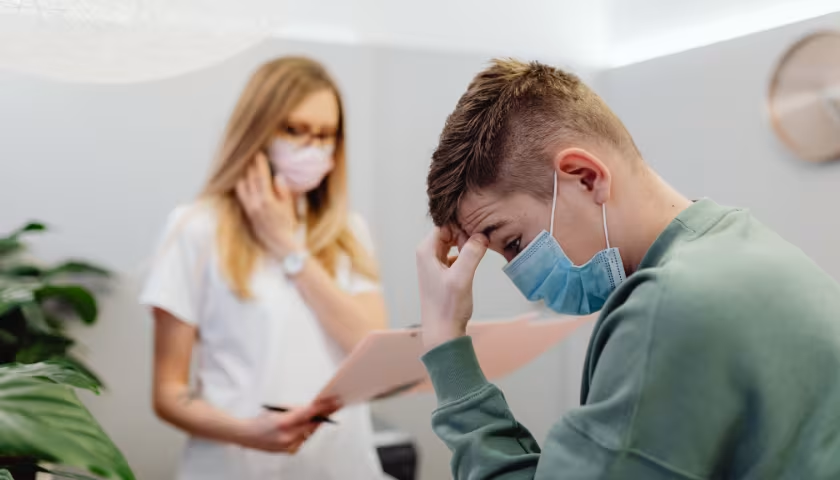
Safety also includes emotional wellbeing. Nursing assistants support this by:
- preserving privacy during care
- ensuring proper positioning for comfort and breathing
- checking water temperature before washing
- encouraging independence where safe
- noticing signs of fear, embarrassment, or discomfort
Comfort and dignity reduce anxiety, improve communication, and create safer interactions.
9. Managing Stress and Emotional Pressure
A safe workplace depends on staff who feel supported. Nursing assistants can improve safety by:
- pacing themselves during busy shifts
- taking breaks when allocated
- recognising signs of burnout or emotional fatigue
- asking for support during overwhelming tasks
- practising grounding or calming techniques during difficult moments
Emotional safety supports clearer thinking, better judgment, and higher-quality care.
Safe Patient Handling and Movement Techniques
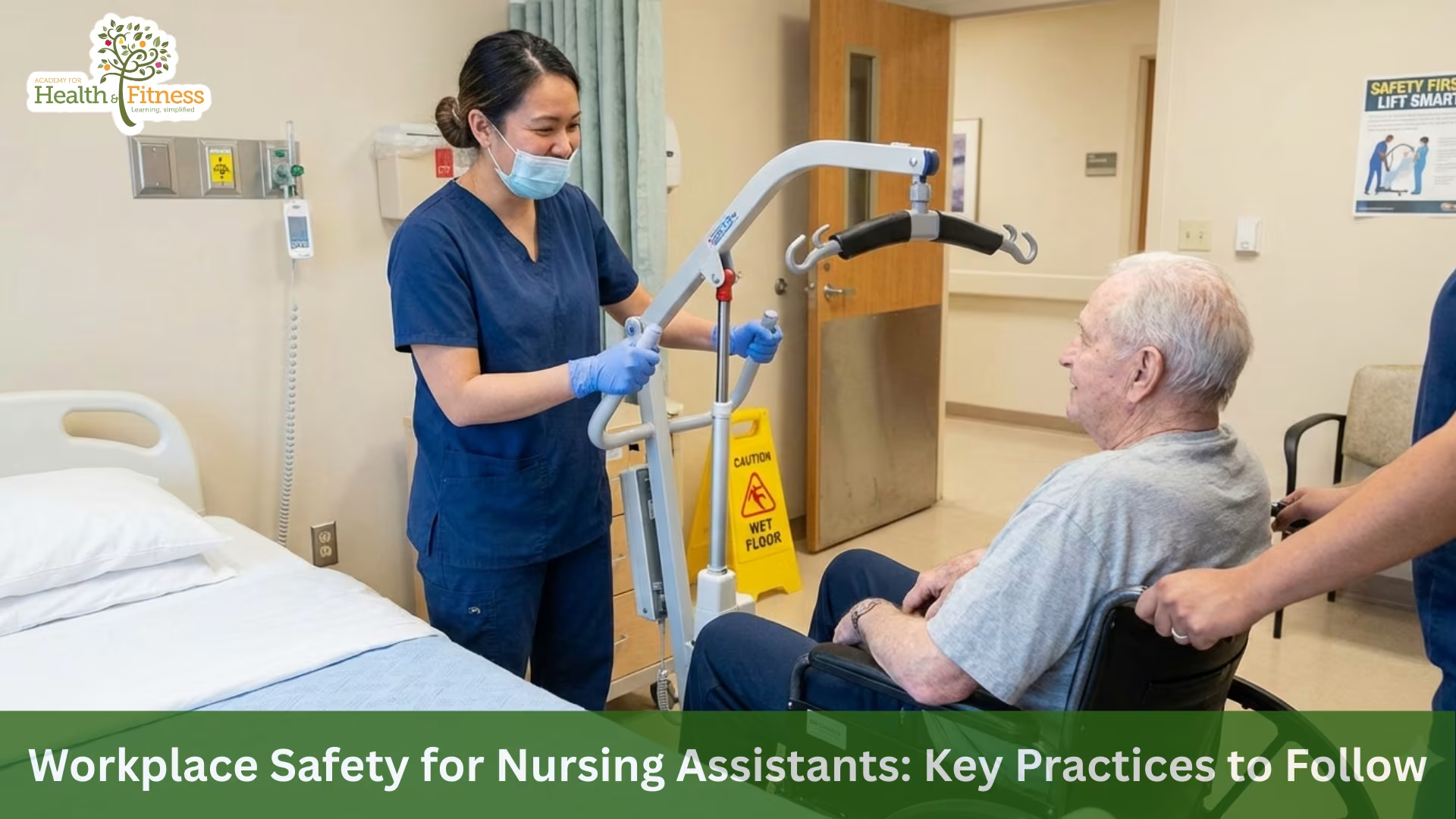
Safe movement is a vital part of safe nursing practice because improper handling places both patients and staff at risk. Nursing assistants carry much of the physical workload in care settings, so developing steady skills in safe patient handling for nursing assistants is essential for preventing injury and maintaining dignity.
Manual Handling Basics
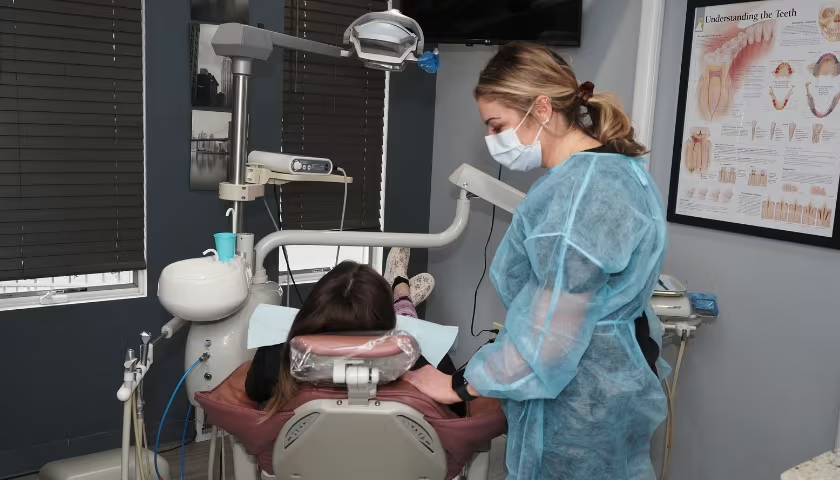
Manual handling in healthcare requires careful body mechanics to avoid strain during daily tasks. Nursing assistants should:
- bend the knees instead of the waist to protect the lower back
- keep loads close to the body for better control
- avoid twisting when lifting or repositioning
- raise or lower the bed to a safe working height before beginning care
- use their legs to support movement rather than relying on the back or shoulders
These habits help prevent acute injuries such as sprains, as well as long-term musculoskeletal problems. They also improve comfort and safety for patients who depend on stable, controlled support.
Use of Equipment
Safe handling often includes equipment designed to reduce physical strain and protect patient wellbeing. Common tools include:
- hoists for lifting patients who cannot bear weight
- slide sheets for repositioning with minimal friction
- wheelchairs and transfer belts to support mobility with better balance and stability
Knowing when to use equipment is as important as knowing how to use it. Nursing assistants should always:
- assess the patient’s mobility before each movement
- check equipment for damage or malfunction
- ask for help when a task feels unsafe or requires more than one person
Using equipment correctly prevents falls, reduces discomfort, and protects the spine and joints of both caregivers and patients.
Preventing Falls and Mobility Incidents
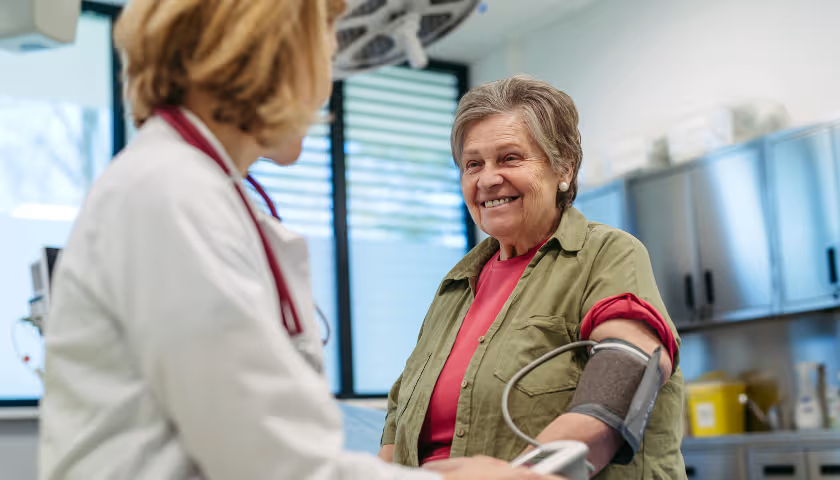
Falls are a leading patient safety example of avoidable harm, so preventing them must be a daily priority. Key practices include:
- positioning patients securely before transfers
- ensuring call bells and personal items are within reach
- completing mobility checks to see whether the patient feels weak, dizzy, or unsteady
- keeping floors clear of spills, clutter, and loose wires
- adjusting lighting so patients can see clearly
- monitoring footwear and ensuring patients use supportive, non-slip shoes
Small actions can significantly reduce the chance of mobility incidents and support safer, more comfortable movement throughout the day.
Infection Control for Nursing Assistants
After safe movement, infection prevention is the next essential pillar of safety. Effective infection control for CNAs protects vulnerable patients and reduces the spread of illness in high-risk environments. These practices also support comfort and safety measures in nursing, ensuring patients feel cared for in clean, organised surroundings.
Standard Precautions
Standard precautions are the foundation of preventing infection. They include:
- PPE use: wearing gloves, aprons, and masks correctly and disposing of them safely
- Hand hygiene: washing hands before and after each patient interaction, and using sanitiser when appropriate
- Clean handling of equipment: wiping down aids and tools between uses, storing items correctly, and preventing cross-contamination
These routines reduce avoidable risks and reflect national expectations for patient safety examples in healthcare.
Reducing the Spread of Infection
Strong infection prevention also relies on broader actions that support risk management in care settings. Nursing assistants should:
- follow correct waste disposal procedures for clinical and non-clinical waste
- support isolation procedures when patients are infectious
- keep clean and dirty laundry separate
- avoid touching their face during care tasks
- follow clear protocols for handling spills, bodily fluids, or contaminated items
These practices help stop infections spreading within the care environment and protect both patients and staff.
Supporting Patient Comfort and Safety
Infection control also links directly to comfort and safety measures in nursing, helping patients feel secure and respected. Nursing assistants can support comfort by:
- keeping rooms clean, calm, and well-ventilated
- organising equipment so patients are not exposed to clutter
- using gentle, sensitive personal care techniques
- offering reassurance during procedures
- respecting privacy and dignity, especially when patients feel unwell
Combining infection control with thoughtful care helps maintain safety while improving the overall experience for patients who rely on steady, compassionate support.
Ergonomic and Self-Protection Techniques

After understanding infection control, it is just as important to consider your own physical wellbeing. Strong habits in ergonomic safety in nursing help prevent long-term strain and reduce the risk of sudden injury during busy shifts. Nursing assistants complete repetitive tasks daily, so protecting your body must be part of your routine.
Reducing strain begins with recognising movements that place unnecessary pressure on your back, shoulders, and joints. Nursing assistants can prevent injuries by:
- adjusting bed height before providing care
- keeping loads close to the body
- avoiding twisting or bending awkwardly
- using two-person techniques when needed
- alternating tasks to prevent repetitive stress
Correct footwear, posture, and movement also support safety. Shoes with firm grip and cushioning reduce the chance of slips and fatigue. Standing tall, engaging core muscles, and planting your feet steadily before lifting help maintain balance during movement.
Managing fatigue and mental pressure is another part of preventing injuries for nursing assistants. Tiredness affects judgement and increases the chance of mistakes. Taking scheduled breaks, staying hydrated, and recognising early signs of stress all contribute to safer and more controlled practice.
Responding to Workplace Violence and Challenging Behaviour

Even with strong physical safety measures, nursing assistants may face emotionally difficult moments. Some patients become distressed, confused, or aggressive, making nurse safety workplace violence a real concern in many settings. Understanding how to respond can prevent harm and support calmer interactions.
Early signs of escalation may include raised voices, pacing, refusal of care, or sudden changes in body language. Recognising these early allows you to act before a situation becomes unsafe.
De-escalation techniques focus on reducing tension through simple, steady actions:
- speaking slowly and calmly
- giving the person space
- using non-threatening body language
- acknowledging feelings without argument
- offering choices when possible
If an incident occurs, reporting it promptly is essential. This helps managers address risks, support staff, and review care plans to prevent recurrence.
Protecting yourself and others without risk means knowing when to step back. If you feel unsafe, do not continue alone—seek help, use emergency call systems, and follow your workplace procedures. Safety comes before completing the task.
Reporting Safety Incidents and Building a Safer Workplace
A safe workplace relies on clear communication and shared responsibility. Knowing how to report incidents and support structured learning helps reinforce safety guidelines for nursing assistants and ensures teams respond to risks consistently.
When and How to Report Concerns
Every care setting has reporting systems, and understanding them is vital. Nursing assistants should report:
- hazards such as equipment faults or unsafe areas
- accidents, falls, or near misses
- concerning behaviour from patients or visitors
- changes in a patient’s condition
Clear reporting channels ensure issues reach the right people quickly. Accurate documentation strengthens this process by providing details that help managers understand what happened and what action is needed.
The Role of Risk Assessments
Risk assessments in healthcare guide safe practice by identifying potential dangers and outlining ways to reduce them. They influence everything from moving patients to handling chemicals or waste.
Nursing assistants contribute to safer environments by:
- following the measures outlined in assessments
- reporting new or changing risks
- suggesting improvements based on day-to-day experience
Your observations help shape safer routines and prevent incidents.
Creating a Culture of Quality and Safety in Nursing
Strong teams build a shared approach to quality and safety in nursing. This includes:
- raising concerns without fear
- sharing information openly
- encouraging safe habits in colleagues
- supporting new staff as they learn procedures
When safety becomes part of daily conversation, it supports a more confident, capable workforce and better care outcomes for patients.
Training and Professional Development for Safer Practice

Ongoing learning strengthens nursing assistant safety practices and supports a safer, more informed working environment. Regular training helps maintain confidence, update essential skills, and reinforce expectations for CNA workplace safety.
Safety Courses Nursing Assistants Should Consider
Useful training options include:
- Manual handling updates to reduce strain and prevent injury
- Infection control certification to support safe, hygienic care
- Dementia and behaviour support training to manage confusion or distress safely
For flexible study, many choose online programmes. The Nursing Assistant Diploma Online offers structured learning for core safety skills.
Learning from Workplace Examples and Case Studies
Reviewing safety in nursing examples and patient safety examples helps teams understand patterns, improve communication, and prevent incidents.
Building Confidence Through Continuous Development
Skill-building reduces risk by improving decision-making in busy settings. Reflective practice encourages steady growth and helps nursing assistants strengthen their professional approach.
Conclusion
Safe practice relies on steady awareness, clear communication, and a strong understanding of the risks nursing assistants face each day. These habits protect both patients and staff while supporting smoother, more confident care.
By building reliable safety skills and staying committed to ongoing learning, you strengthen your professional growth and help create a workplace where quality and safety remain at the centre of daily routines.