

Introduction
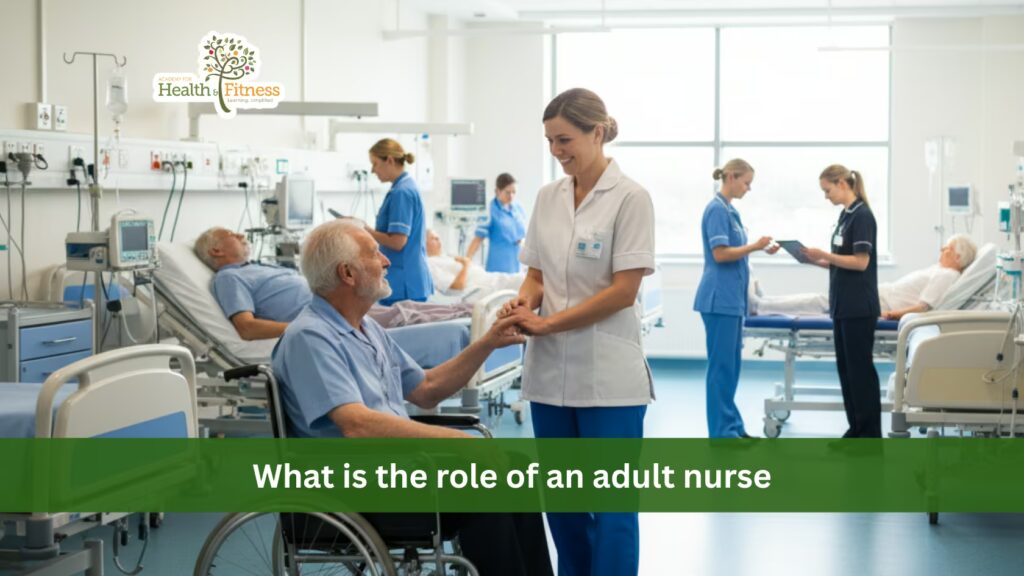
In modern healthcare, adult nurses are vital contributors to patient care, with over 3 million nurses working globally to improve the quality of life for individuals. Across all NHS hospital, community, and general practice settings, approximately 423,000 nurses and midwives are currently working. Adult nurses, also known as Registered General Nurses (RGNs), specialise in caring for adult patients across various settings, including hospitals, clinics, and community healthcare environments. They are often the first point of contact for patients, making them essential in providing personalised care and support.
The role of an adult nurse goes beyond simply administering medication; it involves monitoring patient health, offering emotional support, and collaborating with healthcare teams to develop treatment plans. Adult nurses make a significant difference in managing chronic conditions, recovery from surgery, and general health maintenance.
In this blog, we’ll explore the diverse responsibilities of adult nurses, the qualifications required, their work environments, and the challenges they face. You’ll gain a deeper understanding of how adult nurses impact healthcare and what it takes to pursue this rewarding career.
WHAT IS ADULT NURSING?

Adult nursing is a branch of nursing focused on caring for people aged 18 and over. Whether it’s supporting recovery after surgery or helping manage long-term conditions like diabetes, adult nurses play a vital role in keeping patients healthy and informed.
You’ll find adult nurses working in hospitals, GP surgeries, community clinics, care homes, and even patients’ homes. They’re often the first point of contact — offering physical care, emotional support, and expert advice.
Also known as Registered General Nurses (RGNs), they’re fully trained and registered professionals who work across a wide range of health settings. Simply put, adult nursing combines clinical skills with compassion to make a real difference in people’s lives.
Although adult nurses are often based in hospital wards, they also work in many other places such as:
- GP practices
- Community health centres
- Nursing homes
- Patients’ own homes
Wherever they work, they play a key role in keeping patients comfortable, safe, and informed about their care.
What are the responsibilities of an adult nurse?
Adult nurses wear many hats — and every one of them matters. While their core focus is patient care, the job goes far beyond checking vitals and giving medication. Whether you’re in hospital for a few days or living with a long-term condition, an adult nurse is often the person keeping everything on track.
Let’s break down what adult nurses actually do.
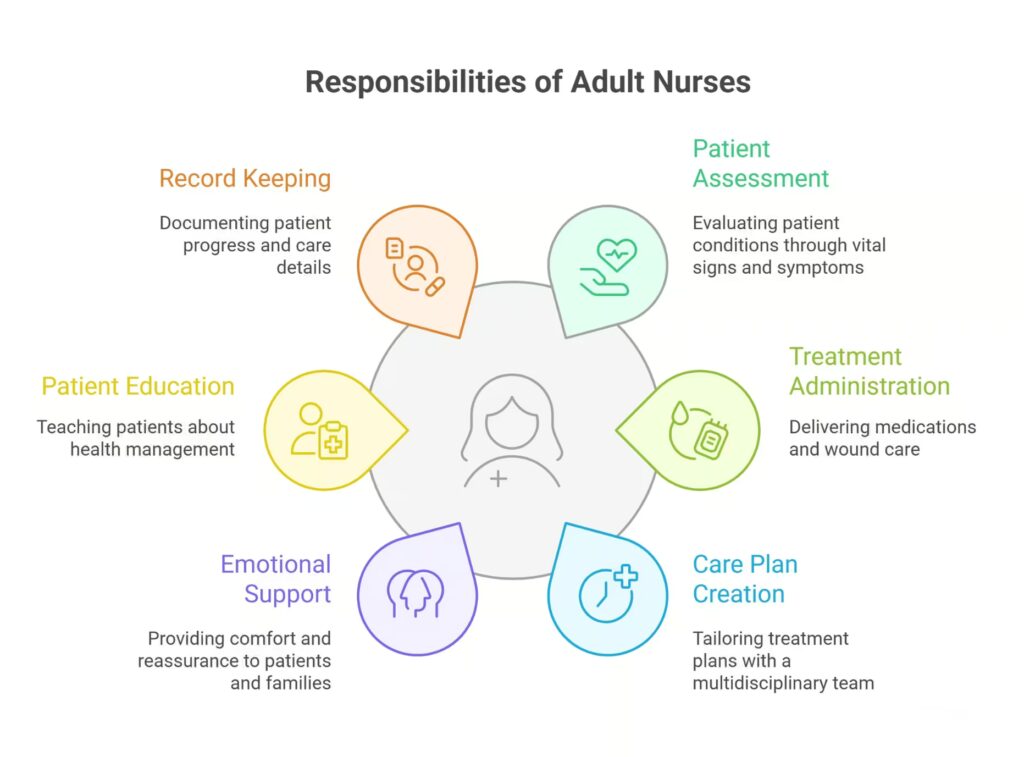
1. Assessing Patients
Before any treatment can begin, nurses need to understand the patient’s condition. That’s why assessment is often the first step in care.
- Nurses check vital signs — like temperature, pulse, blood pressure, and oxygen levels — to monitor how a patient is doing.
- They ask about symptoms, medical history, pain levels, and changes in condition.
- These assessments help spot warning signs early and guide decisions about care.
- For example, a sudden drop in blood pressure could alert the team to internal bleeding or infection.
2. Administering Treatments
Once a patient has been assessed, treatment begins — and nurses are on the front line of delivering it.
- This includes giving medications, whether it’s pills, injections, or IV drips.
- They also handle wound care: cleaning, dressing, and monitoring healing.
- Some nurses may assist with or perform minor procedures like catheter insertions or setting up oxygen therapy.
- Nurses must also watch for side effects or reactions and report any concerns immediately.
3. Creating Care Plans
Care isn’t one-size-fits-all — and adult nurses play a big role in making sure it’s tailored to each patient.
- They work closely with doctors, physiotherapists, dietitians, and others to build a custom plan.
- This plan outlines what treatments are needed, what risks to watch for, and what support the patient requires.
- Care plans are reviewed and adjusted regularly based on the patient’s progress.
4. Offering Emotional Support
Being unwell is more than just a physical challenge — it’s often an emotional one too.
- Nurses listen, reassure, and simply be there for patients who are scared, lonely, or stressed.
- They also support families — explaining what’s happening, what to expect, and how they can help.
- In some cases, they may comfort people at the end of life and support relatives through grief.
5. Educating Patients
A big part of nursing is making sure patients understand their health and how to look after it.
- Nurses teach patients how to manage conditions like asthma, high blood pressure, or diabetes.
- They explain how and when to take medications properly.
- They may also advise on diet, exercise, smoking cessation, or mental wellbeing.
- After discharge, they make sure patients know what to do next and who to contact for help.
6. Keeping Records
Documentation might not sound exciting — but in nursing, it’s critical.
- Every action, treatment, observation, and conversation must be clearly recorded.
- Records help track progress, flag concerns, and communicate with the rest of the care team.
- Accurate notes also protect patients and staff from errors or misunderstandings.
Together, these responsibilities form the foundation of adult nursing. While no two shifts are the same, these six areas are at the heart of the job — and each one contributes to helping patients heal, cope, and move forward.
Key skills and qualities of adult nurses
To be an effective adult nurse, it takes more than clinical training. You need a blend of soft skills, quick thinking, and emotional strength to care for patients and support their families — often under pressure. Let’s go through the key qualities that really define a successful adult nurse.
Communication
Strong communication is at the heart of good nursing. You’ll constantly be speaking with patients, their families, and your healthcare team. But it’s not just about talking — it’s about listening too. Often, patients can’t explain exactly how they feel, so you need to pick up on tone, body language, and what’s left unsaid. On top of that, you’ll be translating complex medical terms into simple, reassuring language that people can understand. That’s not always easy, but it’s essential.
Teamwork
Adult nurses are part of a bigger team, and working well with others is a big part of the job. You’ll often be collaborating with doctors, specialists, healthcare assistants, and social workers. Whether you’re updating a colleague on a patient’s condition or jumping in during an emergency, trust and coordination matter. The better the teamwork, the better the care your patients receive.
Problem Solving
No two patients are exactly the same, and situations can change quickly. That’s why you need to think critically and make smart decisions on the go. For example, if a patient suddenly shows signs of distress, you’ll need to assess what’s happening and respond immediately — sometimes before a doctor is available. Being able to stay calm, think clearly, and take action can make all the difference.
Emotional Resilience
Let’s be real: nursing can be emotionally tough. You’ll work with people who are anxious, angry, or facing life-changing illnesses. Sometimes, despite your best efforts, outcomes aren’t what you hoped for. That’s why emotional resilience is so important. It helps you stay grounded, process difficult moments, and come back the next day ready to keep going. At the same time, it’s about knowing when to ask for support and take care of your own wellbeing.
Attention to Detail
In nursing, there’s no such thing as “close enough.” Giving the wrong dose, skipping a step, or missing a symptom can have serious consequences. That’s why attention to detail is one of the most valuable skills you can develop. Whether you’re checking medications, updating records, or tracking a patient’s progress, being accurate and thorough keeps patients safe and care consistent.
Adaptability
Healthcare is unpredictable. One minute you’re following your usual routine, and the next, you’re dealing with an emergency or an unexpected situation. Being adaptable means staying calm and focused even when plans change — which they often do. You might have to take on extra tasks, swap shifts, or manage more patients than usual. The more flexible you are, the better you can respond to whatever the day throws at you.
Compassion
Lastly, compassion is what ties all these skills together. It’s about treating every patient with respect and empathy, no matter their background or condition. It means being patient, even when someone is upset or uncooperative. And it means showing kindness — not just through your words, but in how you listen, help, and care. Compassion is what turns good nursing into great nursing.
While many of these skills grow over time, a well-structured course can give you a strong foundation. The Adult Nursing Diploma includes modules that help build not only knowledge but also confidence in core nursing principles, communication, and patient support.
WHAT ARE THE 6 C’S OF NURSING?
You might be wondering what values truly lie at the heart of modern nursing. Essentially, they are beautifully summarised by a framework known as the “6 C’s.” Developed to capture the essence of compassionate care, these principles are a daily guide for every nurse. So, let’s explore what they are and why they matter so much to you and your patients.
The Core Values in Action
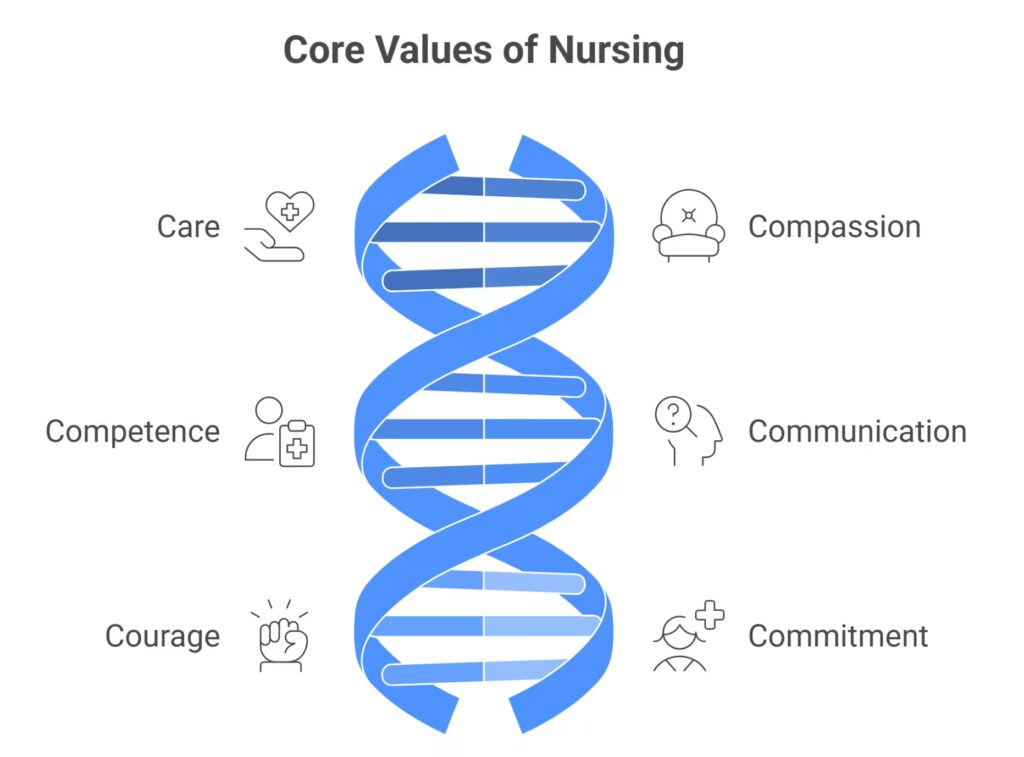
The 6 C’s are interconnected; in other words, they work together to create a complete picture of excellent care. Here is a breakdown of each one:
- Care: This is your fundamental reason for being a nurse. It means delivering care that puts the person at the center, respecting their dignity and individuality at all times.
- Compassion: How you deliver care is just as important as the care itself. Compassion is about empathy and understanding, allowing you to connect with patients on a human level, not just a clinical one.
- Competence: You need the right knowledge and skills to provide effective care. Consequently, this means understanding the “why” behind your actions and being able to make sound clinical decisions.
- Communication: Good communication is absolutely vital. This involves listening carefully to patients and their families, and also explaining complex information in a clear, kind way.
- Courage: This isn’t just about physical bravery. It also means having the courage to do the right thing for your patients, to speak up if you have concerns, and to embrace new ways of working.
- Commitment: Finally, a strong dedication to the profession and your patients is essential. Commitment drives you to provide high-quality care through every shift and throughout your entire career.
Where Do Adult Nurses Work? Diverse Career Environments
Adult nurses don’t just work in hospitals — their skills are needed in many different places. One of the biggest advantages of this career is the flexibility to work across various settings, each offering a different pace and focus.
Hospitals
This is where most adult nurses start. You could work in surgery, A&E, or intensive care. It’s fast-paced, hands-on, and ideal for building clinical skills.
Community and Home Care
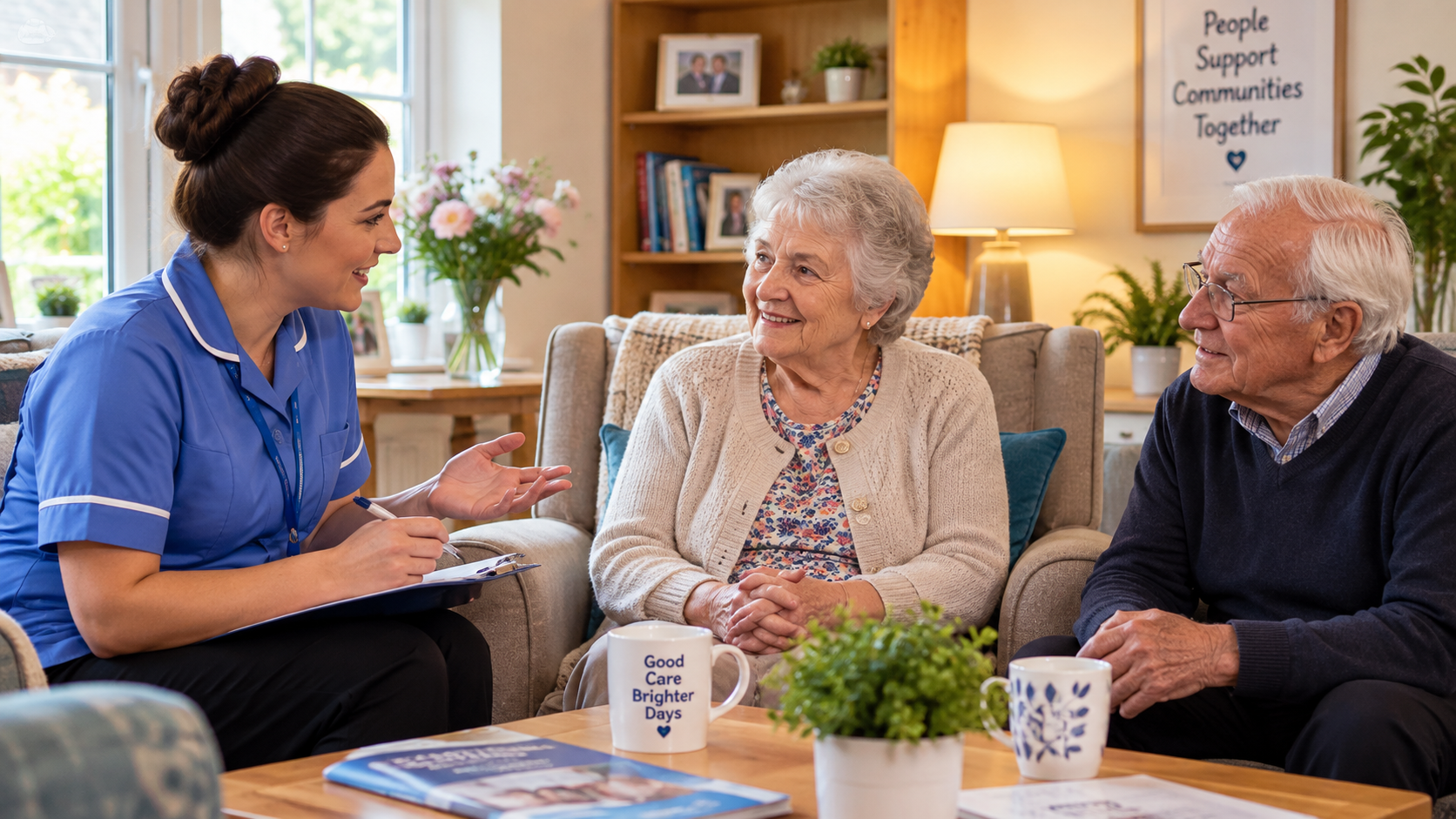
Many nurses care for patients in their homes or at local clinics. The focus is on recovery, long-term care, and health advice. You often build stronger relationships with patients over time.
GP Surgeries and Clinics
Working in GP practices involves tasks like health checks, wound care, and managing chronic illnesses. It’s more routine and often comes with regular hours.
Care Homes
In care homes, nurses support older adults and people with complex needs. The pace is slower, but the care is constant and deeply personal.
Specialist Roles
Some adult nurses work in hospices, mental health services, or with health charities. These roles may need extra training but offer highly meaningful work.
Conclusion
So, as you can see, the role of an adult nurse is both vast and deeply human. It’s a career that uniquely blends scientific skill with profound compassion.
Ultimately, if you have a passion for helping others and the resilience to make a real difference, this challenging yet incredibly fulfilling path could be your perfect calling. You will not just have a job—you will have a purpose. If this career path sounds like the right fit for you, consider taking the first step with an accessible online course. The Adult Nursing Diploma is one option designed to help you get started at your own pace.