9 Core Competencies You’ll Gain in Health and Social Care Level 5

1. Leadership and Management Skills
Leadership is about more than job titles. In health and social care, it means inspiring your team, creating a positive culture, and ensuring high‑quality care. On the Level 5 Diploma you’ll focus on:
- Understanding team dynamics – recognising how people work together and what motivates them.
- Motivating staff – learning how to encourage colleagues, especially during challenging times.
- Managing resources – making sure staff, equipment and time are used effectively.
This isn’t just about being in charge; it’s about guiding others to do their best work. According to Skills for Care, the Leadership Qualities Framework stresses values like empathy, integrity and fairness. These values are vital for fostering an open and supportive environment. You’ll also develop skills to handle conflicts calmly and fairly, creating a team where people feel trusted and supported.
2. Communication Skills
Communication is at the heart of care. The Level 5 Diploma emphasises clear, compassionate, and appropriate communication. You’ll learn how to:
- Listen actively – understanding what people are really saying, not just the words.
- Use plain language – avoiding jargon and complex terms, so everyone can understand..
- Pick up non‑verbal cues – recognising body language and tone of voice.
The Care Certificate emphasises that most communication is non‑verbal and that poor communication can cause distress. By practising these skills, you’ll build trust with residents and staff. Think about a time when someone explained something clearly to you. It probably made you feel valued and understood. That’s the kind of communication you’ll strive for.
Safeguarding and Protection
Safeguarding is about protecting people’s health, wellbeing and human rights. In the Level 5 Diploma, you’ll explore:
- Recognising signs of abuse or neglect – identifying physical, emotional, and financial abuse.
- Understanding legal duties – knowing when and how to report concerns, and who to involve.
- Creating safe environments – ensuring policies and procedures protect residents and staff.

The Care Quality Commission explains that safeguarding requires organisations to work together to prevent and stop abuse while promoting individuals’ wellbeing. In practice, this means always acting in someone’s best interest and respecting their wishes. You might be asking, “What happens if I miss something?” That’s why training is so important—it helps you recognise early signs and take appropriate action.
3. Risk Management
Risk is part of everyday life, but in health and social care it needs careful assessment. On the Level 5 Diploma you’ll learn to:
- Assess risks – identifying potential hazards in the care setting.
- Develop management plans – balancing risk and independence.
- Respond to emergencies – knowing what to do if something goes wrong.
The Social Care Institute for Excellence (SCIE) outlines a risk assessment process that begins with understanding a person’s circumstances and goes on to plan risk management. Rather than avoiding risks altogether, you’ll learn to enable safe choices, ensuring service users can live as independently as possible.
4. Legal and Ethical Knowledge
Legal frameworks underpin everything in social care. In this section of the Diploma, you’ll explore:
- Care Quality Commission (CQC) standards – understanding what inspectors look for in services.
- Data protection laws – keeping personal information secure and confidential.
- Rights of individuals – respecting human rights and equality legislation.
For instance, you’ll learn how the Care Quality Commission regulates care services, with standards covering safety, effectiveness, and leadership. Legal knowledge helps you avoid pitfalls and ensure services meet the regulatory expectations. Ethical decision‑making becomes easier when you understand the legal context. It also helps you stand up for your team and the people you support.
5. Financial Management and Resource Allocation

Managing finances might seem daunting, especially when you’re more experienced with care than accounts. However, the Level 5 Diploma breaks this down into practical steps:
- Budgeting – planning and monitoring income and expenses.
- Allocating resources – deciding where to invest funds for the biggest impact.
- Analysing costs – understanding financial reports and how to make informed decisions.
The adult social care sector contributes around £68.1 billion to the economy each year, with a wage bill of nearly £27.9 billion. With tight budgets, managers need to be strategic. You’ll learn how to stretch resources without compromising care.
6. Person‑Centred Care Approach
Person‑centred care means focusing on the individual. In this competency you’ll explore:
- Knowing your residents – understanding their history, preferences, and needs.
- Tailoring care plans – designing support around each person’s goals and culture.
- Promoting independence – encouraging people to do as much as they can for themselves.
The charity National Voices stresses that person‑centred care focuses on people’s personal circumstances, strengths, hopes and ambitions. It also highlights that involving individuals in decisions improves outcomes and fairness. Person‑centred care means asking what people want and tailoring services to their wishes rather than making decisions for them.
7. Staff Supervision and Development
Supporting and developing your team is a big part of senior roles. In the Level 5 Diploma, you’ll learn to:
- Provide constructive feedback – helping staff understand their strengths and areas for improvement.
- Plan and deliver training – ensuring staff have the skills they need.
- Set clear expectations – outlining roles and responsibilities.

Effective supervision creates a supportive culture where people feel valued. Staff retention is a major issue in social care; the sector had around 131,000 vacancies in 2023/24, an 8.3% vacancy rate. By investing in staff development, you can improve recruitment and retention. Your role is not just to manage but to mentor.
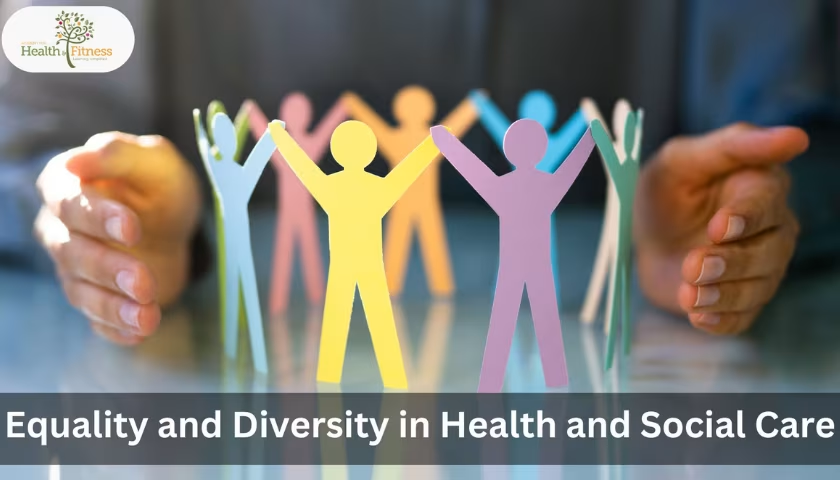
8. Cultural Competence and Diversity Awareness
Health and social care is delivered in diverse communities. Cultural competence ensures that care is appropriate and respectful. On the Level 5 Diploma you’ll learn to:
- Promote equality – making sure everyone is treated fairly and without discrimination.
- Respect cultural differences – recognising different beliefs, languages and traditions.
- Encourage inclusivity – creating an environment where staff and residents feel safe to be themselves.
The Care Quality Commission notes that culturally appropriate care is sensitive to people’s identity or heritage and responsive to beliefs based on ethnicity, religion, sexuality or gender identity. It also states that a well‑led service is open, inclusive and empowering. This means challenging stereotypes and championing diversity. Making small adjustments – like providing translated materials or recognising different customs – helps everyone feel included.
3 Practical Tips for Success

As you consider your next step, here are some practical tips:
- Reflect on your strengths – identify areas where you excel and where you need development.
- Engage with mentors – seek advice from experienced managers who can share insights.
- Practice self‑care – leadership can be demanding; make sure you look after your own wellbeing.
Remember, learning doesn’t stop when the course ends. Good managers continue to grow and adapt. The Level 5 Diploma gives you a solid foundation, but your experiences will teach you even more.
Ready to take the next step? Explore our Health and Social Care Level 5 Diploma and see how it can help you advance your career. By enrolling, you’ll gain the skills to lead with confidence, support your team and improve the lives of those you care for.
Conclusion
Effective leadership in health and social care is essential for delivering high-quality, compassionate services. Professor Michael West, a leading expert in healthcare leadership, emphasises that compassionate leadership—characterised by empathy, integrity, and fairness—is crucial for fostering a positive workplace culture and improving patient outcomes.
Investing in leadership development, such as the Health and Social Care Level 5 Diploma, equips professionals with the skills needed to navigate complex challenges and drive meaningful change in the sector. As West notes, “A well-led, motivated, valued, collaborative, inclusive, resilient workforce is ‘the’ key to better patient and health and care outcomes”