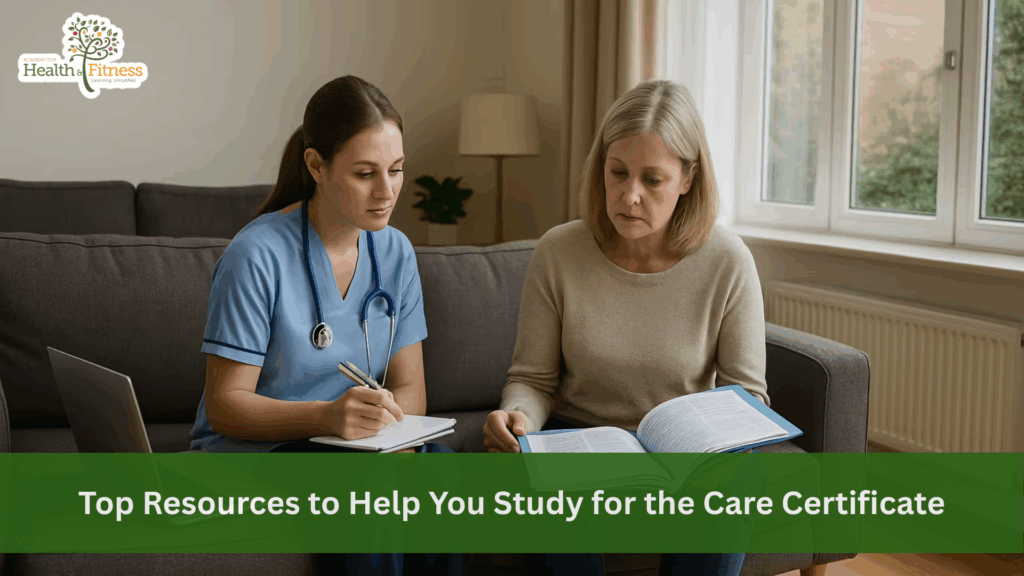


Top Resources to Help you Study for the Care Certificate

If you’re just getting started, these official sources provide the most reliable foundation:
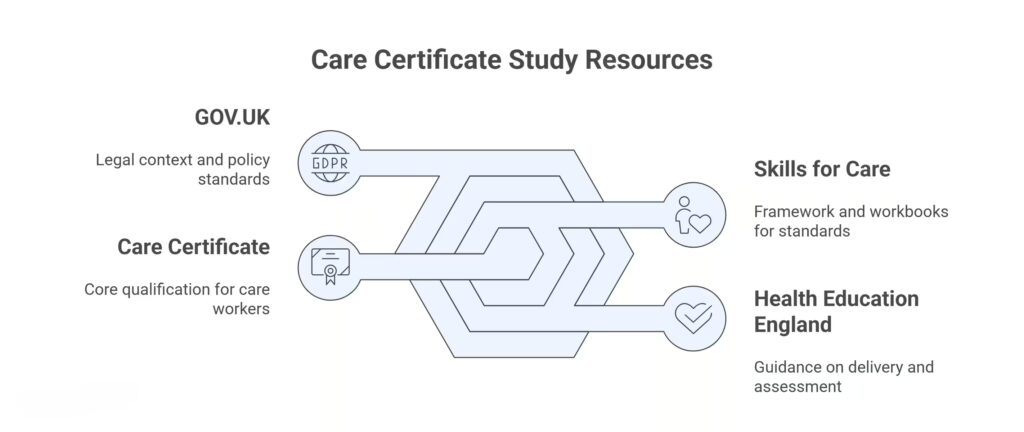
- Skills for Care – This organisation publishes the Care Certificate framework and workbooks for each of the 16 standards. The workbooks offer guided questions, scenarios and space for reflection, supporting a robust induction programme. The site also links to assessment guidance for employers and updates about the standards.
- Health Education England – Their guidance documents outline how to deliver and assess the Care Certificate. You’ll find best practice tips for mentors and suggestions for combining theory with practical observation.
- GOV.UK – While not dedicated to the Care Certificate, government guidance on adult social care policy and standards can help you understand the legal context and links to the Care Act and other relevant legislation.
Using these resources ensures your learning aligns with national standards and prepares you for the workplace.
Why the Right Resources Matter
It’s tempting to think you can breeze through the Care Certificate by reading the standards once and ticking off the tasks. But this qualification isn’t just about passing an assessment — it’s about developing the skills and behaviours that underpin safe, person‑centred care. Using trusted, up‑to‑date resources ensures you learn the right things in the right way and feel confident applying them in practice. It also helps meet Care Quality Commission (CQC) expectations for induction and ongoing development.
Learners who use a mix of official guidance, interactive e‑learning and practical study aids tend to retain information better. Combining videos and quizzes with hands‑on practice on shift makes the theory real. And sharing experiences with peers – whether in person or online – can turn abstract standards into stories that stick. In short, the right resources turn “something I have to do” into “something I can do well.”
Online Learning with HF Learning
If you’re looking for a flexible and reliable way to complete your Care Certificate, HF Learning offers a comprehensive online course built around all 16 standards. The programme blends video tutorials, real-life scenarios, and interactive assessments to make learning practical and engaging — not just theory on a screen.
Each module includes downloadable resources, self-check quizzes, and reflection points to help you track your progress. The course is CPD-accredited and designed for anyone starting or developing a career in health and social care — including care assistants, healthcare support workers, and community carers.
Learners can study at their own pace, revisit materials anytime, and build real confidence before putting their training into practice. On completion, you’ll receive a digital certificate recognised across the UK care sector, confirming your understanding of the 16 Care Certificate standards and your commitment to delivering safe, high-quality care.
Study Aids and Printable Tools

Sometimes you need something tangible to keep you on track. These tools can make revision more visual and less stressful:
- Printable checklists – Use the Skills for Care workbook checklist to track your progress through each standard. Crossing off tasks as you go gives a sense of achievement.
- Flashcards – Create cards with key terms like “duty of care”, “safeguarding” or “infection control”. Review them on the bus or during breaks.
- Reflection journals – Keeping a small notebook or digital journal helps you capture learning moments. Write down what went well in a shift and what you’d like to improve. Reflection is a core part of the Care Certificate standards.
- Manager sign‑off templates – Many employers have forms for assessors to record observations. Make sure you have copies ready, or download templates from official sites so nothing gets lost.
These aids turn abstract concepts into practical steps and help you stay organised.
Videos, Podcasts and Support Communities
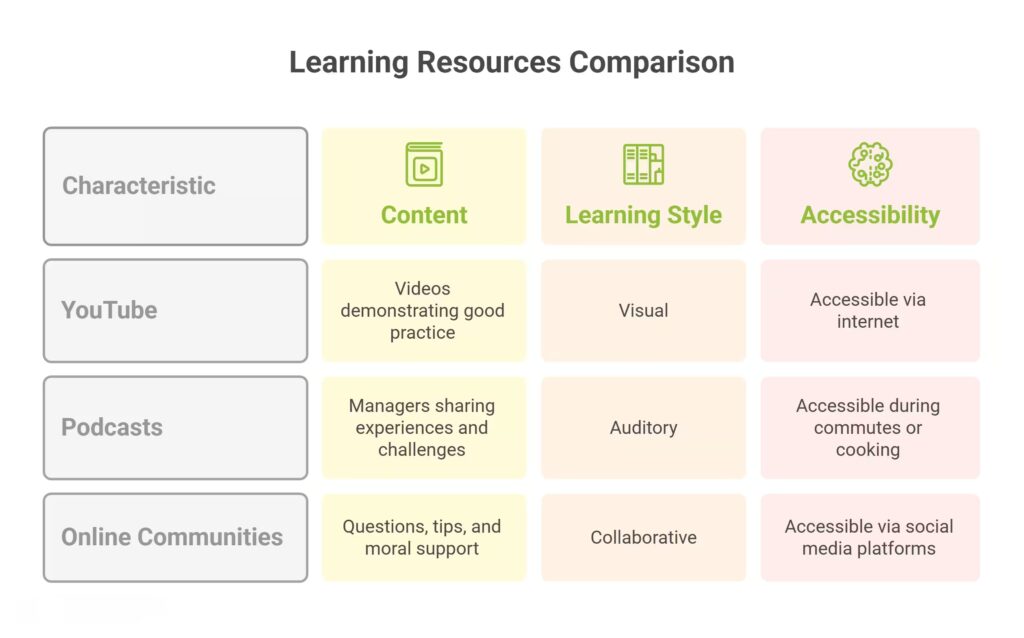
Some learners prefer watching and listening. Fortunately there are plenty of engaging options:
- YouTube – Channels from Skills for Care, Health Education England and NHS England offer videos that demonstrate good practice, from moving and handling techniques to communication skills. Seeing real carers in action can make the theory come alive.
- Podcasts – Shows like The Care Exchange feature managers sharing their experiences, challenges and success stories. These real‑world discussions can give you insight into how standards are applied day to day. Podcasts are perfect for commuting or cooking dinner.
- Online communities – Facebook groups, Reddit forums and LinkedIn communities bring together people studying or working in care. You can ask questions, share tips and find moral support. Just remember to respect confidentiality and your employer’s social media policy.
Tips for Effective Study

Even with great resources, it’s important to develop habits that make learning stick:
- Break it into chunks – Focus on one or two standards at a time rather than trying to memorise everything at once. Short, regular study sessions are more effective than marathon days.
- Mix theory with practice – Read a section of the workbook, then look for opportunities on shift to apply it. If you’ve been learning about infection control, consciously review your handwashing technique during the day.
- Ask for feedback – Use your mentor or senior colleagues as sounding boards. They can watch you undertake tasks, give pointers and share their own tips.
- Reflect daily – After each shift, jot down one thing you did well and one thing you’d like to improve. This reflection helps you see progress and build confidence.
- Connect with peers – Studying with colleagues or joining online groups lets you share stories and keep each other motivated. Care is a team effort, and learning together makes it less daunting.
Conclusion
Studying for the Care Certificate doesn’t have to feel overwhelming. With the right support — from trusted learning platforms like HF Learning to practical resources and real-world examples — you can grow your skills and confidence at your own pace. It’s not just about passing assessments; it’s about understanding what good care truly looks like.
Take it one step at a time, stay curious, and keep learning from experience. Every quiz, reflection, and module builds the foundation for compassionate, person-centred care — and for a career that makes a real difference.