When health and social care teams work well together, outcomes improve. Poor communication and a lack of coordination among healthcare professionals are significant factors contributing to serious failings in care within the UK. The Patients Association has consistently reported that poor communication is one of the public’s biggest issues with the NHS. Their 2023 polling indicated that over half (55%) of people had experienced poor communication from the NHS in the past five years, and 11% reported their care or treatment was affected by administrative or IT errors.
Imagine a patient discharged from the hospital without a proper care plan—no home support arranged, no follow-up from a social worker. The result? Delayed recovery or worse. This shows how crucial teamwork is in delivering safe, effective support.
Teamwork in health and social care means professionals from different backgrounds working in sync—sharing updates, making joint decisions, and keeping the person at the centre of care. It reduces errors, ensures continuity, and strengthens the quality of service.
In this blog, you’ll find out why teamwork is more than a buzzword, what roles and responsibilities look like in real settings, and how solid collaboration can transform both patient care and staff well-being.
What is Teamwork in Health and Social Care?
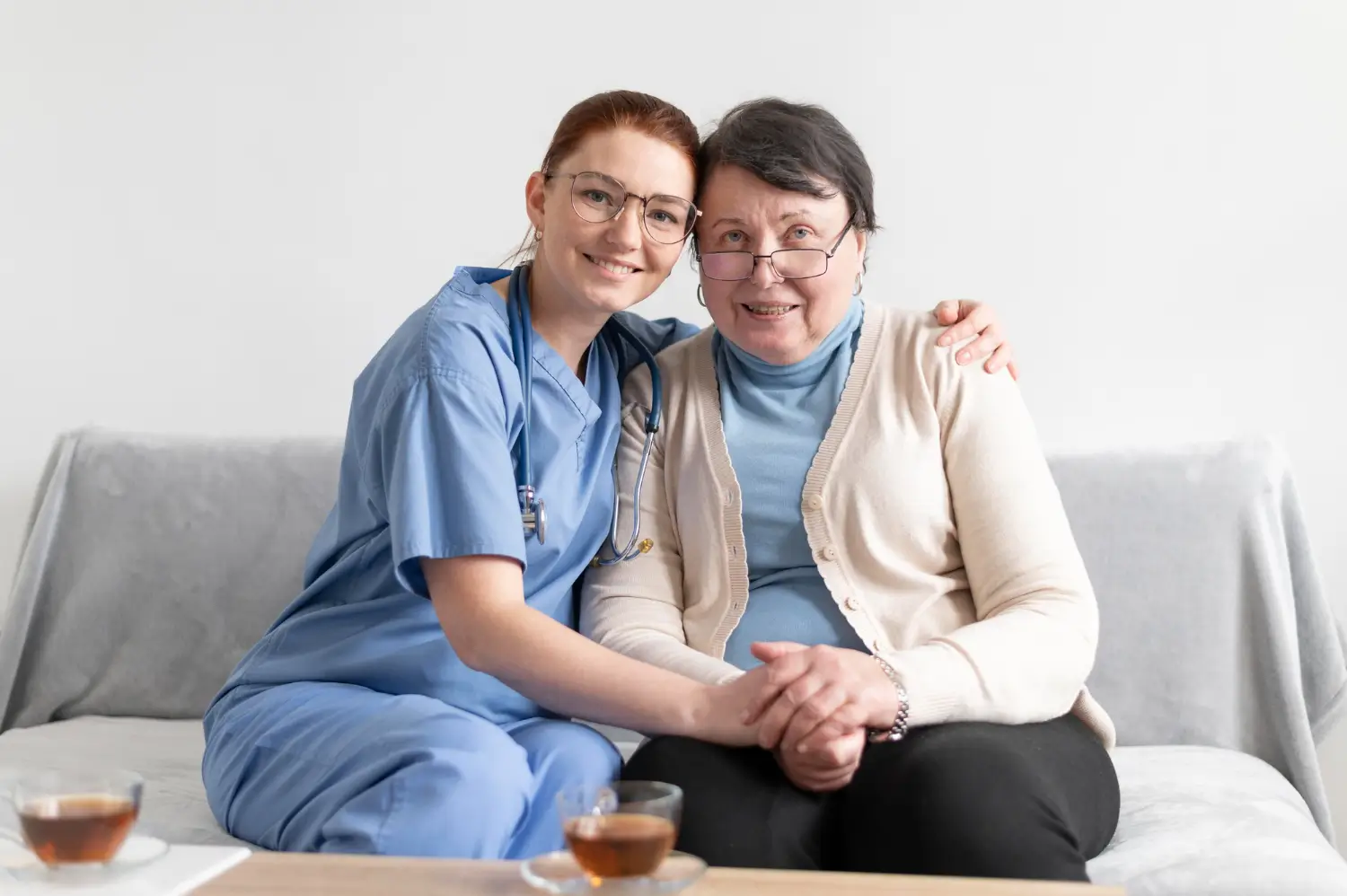
Teamwork in healthcare is about people working together to support someone’s health and well-being. It includes doctors, nurses, carers, therapists, and social workers. Everyone plays a different role, but they all aim for the same goal—better care.
You might see this when a nurse spots a change in a patient and tells the doctor. Or when a carer updates a social worker about home support needs. These small actions keep care connected and consistent.
In short, teamwork means sharing tasks, listening to each other, and planning together. When we work as a team, no one gets left behind.
It helps reduce mistakes, saves time, and makes sure people get the support they need when they need it.
What is the Importance of Teamwork in Healthcare?
There are many reasons why teamwork matters in healthcare. When we work well together, care becomes safer, services run better, and people feel more supported—both patients and staff. Here’s how teamwork creates real, measurable impact.
1. Improves Patient Outcomes
The most important goal in health and social care is keeping patients safe and helping them recover. When a team works together, it becomes easier to notice changes in a patient’s condition, respond quickly, and plan care in a joined-up way. A nurse might spot early warning signs, a doctor may adjust medication, and a support worker ensures follow-up care at home. This joined-up approach improves recovery and reduces hospital readmissions.
According to the NHS Long Term Plan, integrated care systems help reduce avoidable admissions by 30% in some areas. That’s the power of teamwork. If you want to play an active role in improving care, the Health and Social Care Level 3 Diploma gives you the tools to do so.
2. Increases Efficiency
A strong team uses time wisely. Tasks are divided fairly, staff avoid duplication, and care runs on schedule. For example, if a physiotherapist is aware of a patient’s care plan from a nurse, they can tailor sessions better and avoid delays. Everyone knows what to do and when.
This level of coordination cuts down on waiting times and improves the patient journey. In busy NHS services, efficiency helps manage resources without lowering standards. You can learn how to plan, communicate, and delegate effectively through the Health and Social Care Level 5 Diploma, making you more confident and capable in team-based settings.
3. Reduces Medication Errors
Medication errors are a major risk in healthcare. The World Health Organisation states that up to 50% of these errors are preventable. That’s where good teamwork comes in. A second pair of eyes can catch a mistake before it reaches the patient. Clear communication about dosages, allergies, and timing also helps avoid harm.
When everyone is on the same page—from doctor to pharmacist to nurse—the risk drops sharply. It’s not about blame, it’s about shared responsibility. Working as a team helps ensure that the right checks are in place and that every step in the process is handled with care.
4. Creates a Better Work Environment
Working in healthcare can be stressful. But when you’re part of a supportive team, that pressure becomes easier to manage. Teammates look out for each other, share the workload, and step in when someone needs help. This support builds morale and reduces burnout.
Happy staff are more likely to stay in their roles and provide better care. In fact, NHS England reports that positive staff experience directly links to improved patient experience. Building strong team relationships leads to a more stable, motivated workforce and a better environment for everyone involved.
5. Improves Communication
Poor communication is one of the top causes of mistakes in care. Whether it’s a missed handover or an unclear care plan, gaps in communication can lead to harm. A good team keeps information flowing, asks questions, and shares updates in real-time.
For example, a care worker might spot signs of a patient’s mental health decline and quickly inform the nurse, who then adjusts the support plan. This only works when there’s trust and openness. Strong communication supports safer care and better decision-making.
6. Increases Effectiveness
You might be trained in one area, but care often overlaps. Knowing what others do helps you step in when needed or pass on important details without confusion. A support worker might not give medicine, but they’ll know when to alert someone who can. That’s teamwork.
The more you understand the bigger picture, the more effective your role becomes. Team members who are aware of each other’s responsibilities work more smoothly and provide better, more responsive care.
7. Encourages Learning and Growth
Teamwork exposes you to different approaches and ways of thinking. You learn from others just by working with them. A colleague might show you a new method, or offer advice you hadn’t thought of before.
This kind of on-the-job learning keeps your skills fresh. It also opens the door to personal and professional development. Being part of a team that shares knowledge helps everyone improve together.
8. Improves Staff Satisfaction
When staff feel part of a team, they’re more engaged. They know their voice matters and that their work has meaning. This builds pride in what they do and creates a sense of belonging.
A study by the Health Foundation found that teamwork and staff wellbeing go hand in hand. Supporting others, receiving support, and achieving shared goals make work more rewarding and sustainable.
9. Boosts Patient and Team Satisfaction
When everyone knows their role, care is more focused. There’s less confusion and fewer delays. This creates a better experience for patients and makes the team feel more in control.
Clear roles, good planning, and open discussion lead to a calmer, more professional environment. Patients notice when care is well coordinated—and that helps build trust in the service.
10. Makes Better Use of Resources
Every healthcare service has limited time, staff, and tools. Teamwork helps use those resources wisely. For example, if one staff member finishes early, they can help someone else, keeping the whole system moving.
Teams also spot where time or supplies are being wasted and fix it together. This is how care stays both affordable and effective.
Health and Social Care Level 3 Diploma
Benefits of Teamwork in Health and Social Care
Working as a team brings many clear benefits to healthcare. It helps both staff and patients feel more supported, safe, and confident.
When we work together, we:
Share Knowledge and Skills
Every team member brings something different to the table. You might be great with care planning, while someone else is confident in handling emergencies. Working together means we all learn from each other and improve every day. This also helps staff feel more capable and valued.
Make Quicker and Better Decisions
In healthcare, timing matters. A quick chat between team members can lead to faster action, especially during emergencies. You don’t need to wait or guess—you ask, confirm, and act. This saves time and avoids mistakes.
Spot Problems Early
Sometimes, it’s the second set of eyes that notice a small but serious issue. In a team, everyone stays alert and looks out for patients and each other. That extra awareness helps catch problems before they grow. It’s one of the simplest ways to improve safety.
Support Each Other
Healthcare work is demanding—physically and emotionally. But when you’re part of a team, you’re not facing it alone. A good team shares the load, checks in with each other, and steps in when needed. This makes daily work less stressful and more manageable.
Build Trust With Patients
When patients see a team working well together, they feel reassured. It shows them that their care is organised and that people are paying attention. This trust leads to better relationships and more open communication between staff and patients.
How to Improve Your Teamwork Skills as a Healthcare Professional
Strong teamwork doesn’t just happen—it’s something you build with time and effort. The good news is, anyone can improve. Whether you’re new to care or have years of experience, small changes can make a big difference.
Listen Actively
Start by listening more. Pay attention when others speak, and don’t rush to respond. Listening shows respect and helps you understand the full picture before acting.
Communicate Clearly
Speak clearly and calmly, especially during busy times. Share updates, ask questions, and make sure everyone knows what’s going on. Good communication keeps the whole team on track.
Accept Feedback
Be open to feedback. Sometimes a teammate may offer advice or a different way to handle a task. Take it as a chance to learn, not a personal comment.
Support Your Team
Support others when you can. If a colleague is struggling, offer help. It builds trust and shows you care about the whole team—not just your own job.
Keep Learning
Join team meetings, take part in training, or reflect on what worked well during a shift. Each step helps you grow and become a stronger part of the team.
Conclusion
Teamwork is more than just working side by side—it’s about shared goals, trust, and clear communication. In health and social care, it helps reduce errors, ease pressure, and improve patient experiences.
Experts in healthcare stress that strong teamwork leads to safer care and better staff wellbeing. If you’re ready to build your skills and become a confident team player, the Health and Social Care Level 3 Diploma is a great place to start.
Frequently Asked Questions
Several factors support effective teamwork. These include clear communication, understanding each team member’s role, shared goals, mutual respect, trust, and strong leadership. Regular training and support also help build a team that works well together.
Good communication helps everyone stay informed and avoid mistakes. It ensures that patient care is consistent and that staff can respond quickly to changes. Clear, open communication also builds trust within the team.
When everyone works towards the same goal, care becomes more focused and effective. Shared goals keep the team aligned, reduce confusion, and help make decisions that truly benefit the patient.
Teamwork in healthcare can:
- Improve patient outcomes
- Increase staff efficiency
- Reduce errors
- Support mental wellbeing
- Strengthen communication
- Encourage learning
- Build job satisfaction
Barriers include:
- High workload and service pressure
- Poor communication
- Lack of support for new team members
- Power imbalances or hierarchy issues
- Weak leadership and unclear roles
Conflicts should be addressed early and respectfully. Teams should focus on facts, listen to each other, and aim for solutions. A team culture based on trust and open dialogue can help prevent conflicts from escalating.
Strong leadership gives teams direction, sets expectations, and supports open communication. A good leader helps staff feel heard, valued, and motivated. This leads to better collaboration and stronger team performance.
Start by listening actively, communicating clearly, and respecting others’ roles. Be open to feedback and support your colleagues. You can also build your skills through training such as the Health and Social Care Level 3 Diploma, which covers teamwork and collaboration in real care environments.