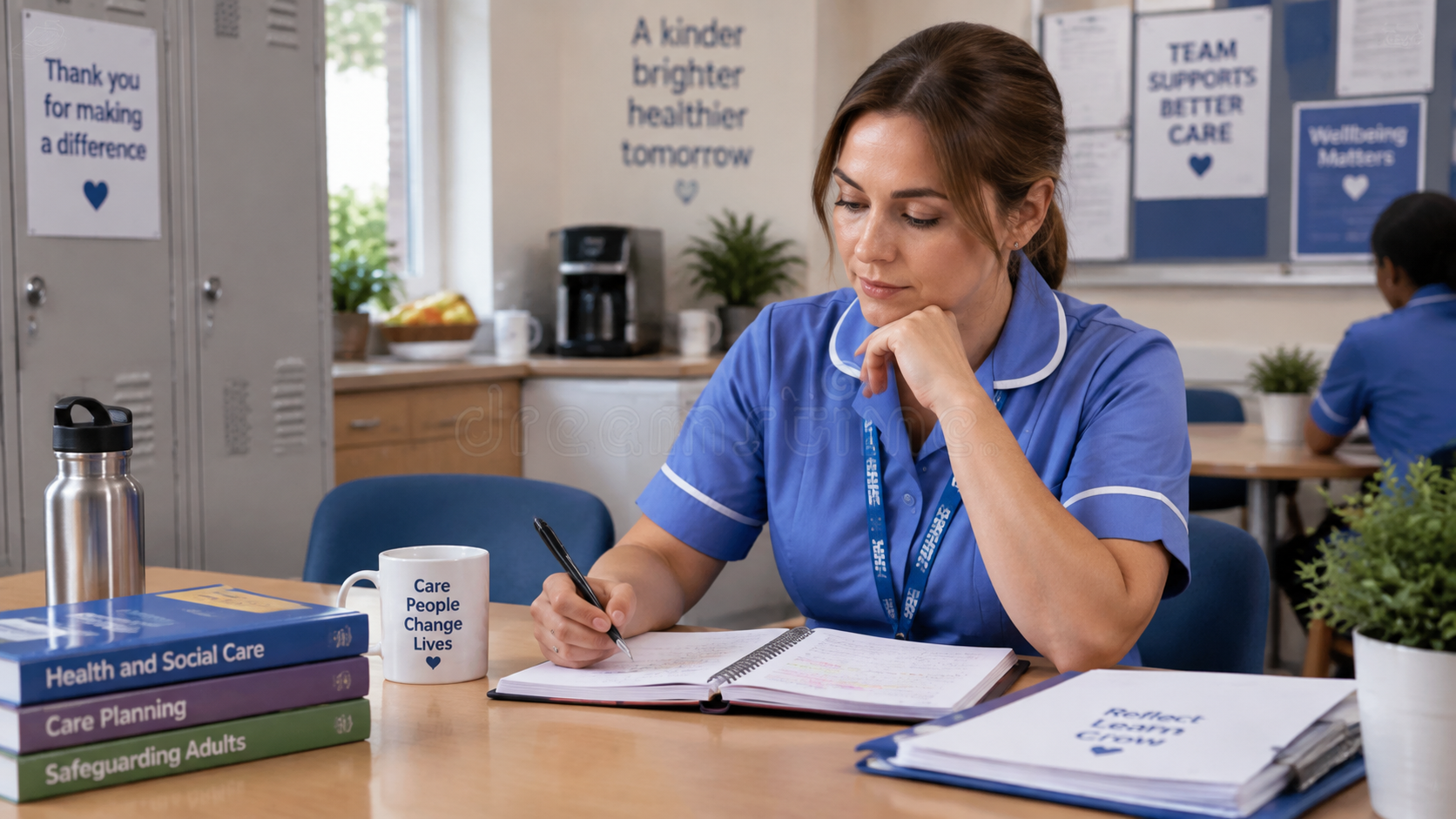
Imagine a seasoned nurse who, after years of experience, encounters a new digital health system. Without upskilling, she struggles, while her peers who embraced continuous learning adapt seamlessly. In any sector, 80% of professionals agree that ongoing education is critical to staying effective and compassionate in their roles. The fast-evolving nature of this field demands a commitment to lifelong learning—not just to keep up, but to excel.
Continuous learning is more than just keeping up with the latest trends; it’s a vital tool for career advancement. It enhances your ability to adapt, grow professionally, and improve patient outcomes. In an industry where new challenges emerge daily, investing in ongoing education helps you maintain a competitive edge.
In this blog we will explore how embracing continuous learning can boost your career, tackle common barriers to education, and highlight strategies to stay motivated. You’ll learn how to integrate learning into your career path effectively.
Why Continuous Learning Is Crucial for Healthcare Professionals
In health and social care, change is constant. New treatments, technologies, and policies emerge constantly. If we stop learning, we risk falling behind. Staying updated ensures we provide the best care possible.
Patients trust us with their well-being. Outdated knowledge can lead to mistakes or missed opportunities. Continuous learning keeps our skills sharp and confidence high. It also helps us adapt to unexpected challenges.
By investing in your education, you demonstrate commitment to your profession. It opens up new career opportunities and keeps you competitive in the job market. Ultimately, continuous learning is essential for long-term success in health and social care.
One practical way to stay ahead is by enrolling in a recognised course. The Health and Social Care Level 3 Diploma is a great step for those looking to deepen their skills, build confidence, and progress in their career. It’s designed to support professional growth while fitting around your work schedule.
Key Benefits of Continuous Learning for Health and Social Care Professionals
Continuous learning brings many benefits for professionals like you. It allows you to stay on top of new treatments and care techniques, improving the quality of care you provide.
Through continuous education, you also open doors to new career opportunities. Gaining additional qualifications or skills can lead to better job roles and increased job security.
Learning doesn’t just help your career; it boosts your confidence. The more knowledge you gain, the more prepared you are to face challenges in the workplace. This sense of growth can make your job more fulfilling and rewarding.
Types of Learning Opportunities in Health and Social Care
There are several ways to keep learning while working in health and social care. These can be grouped into formal, informal, and on-the-job learning.
Formal Learning
- Includes diplomas, degrees, and accredited qualifications.
- Courses like the Health and Social Care Level 3 Diploma offer structured learning and recognised outcomes.
- These help with career progression and meeting professional standards.
Informal Learning
- Includes short courses, webinars, podcasts, and reading articles.
- Often self-paced and flexible, ideal for busy schedules.
- Good for refreshing knowledge or exploring new topics without long-term commitment.
On-the-Job Learning
- Learning through daily tasks, shadowing, or mentorship.
- You gain skills by observing experienced colleagues and receiving feedback.
- Regular team discussions or reflective practice sessions also support this type of learning.
Combining these types helps you build a well-rounded skill set. Stay open to different methods and make learning a natural part of your role.
How to Embrace Continuous Learning in Health and Social Care
Embracing continuous learning in health and social care means staying curious, setting clear goals, and making learning part of your routine. Here’s a structured way to get started:
- Set Clear Learning Goals
Think about the areas you want to grow in — whether it’s communication, clinical practice, or leadership. Set small, realistic goals that match your current role and career path. - Use Trusted Learning Platforms
Explore courses from platforms like FutureLearn, NHS e-Learning for Healthcare, and Skills for Care. These offer flexible options designed for health and social care professionals. - Take Part in Workshops and Training
Join local training sessions, care-focused conferences, or virtual seminars. These events help you learn from experts and connect with others in the field. - Learn Through Feedback and Mentoring
Ask for regular feedback from supervisors or colleagues. A mentor can guide you, share their experience, and help you stay on track with your learning. - Apply What You Learn in Practice
Put your new knowledge into action. Use real-life situations at work to test new skills and build confidence through practice.
With steady effort and the right support, you can make learning part of your everyday role — and keep growing in your health and social care career.
Health and Social Care Level 3 Diploma
How Continuous Learning Helps You Stay Competitive in the Job Market
The job market in health and social care is always changing. New roles often need updated skills or extra training. By learning regularly, you show that you’re ready for these roles.
Employers look for people who grow with the job. When you stay current, you stand out from others applying for the same role. It shows you’re committed and willing to improve.
Learning also helps you build a strong network. Courses and training often connect you with other professionals. These connections can lead to future job opportunities.
In short, continuous learning keeps your skills sharp and your CV strong. It helps you stay one step ahead in a busy field.
Overcoming Challenges to Continuous Learning in Health and Social Care
Balancing learning with daily demands can be difficult. However, breaking down the barriers can make continuous learning more manageable. Here’s how you can tackle common challenges:
Lack of Time
- Long shifts and personal responsibilities often leave little room for study.
- Solution: Schedule short learning sessions — even 15 minutes a day can make a difference.
- Use commute time or breaks to read, watch a short video, or listen to a podcast.
Cost of Courses
- Many quality courses come with a price tag.
- Solution: Look for free or low-cost resources on platforms like FutureLearn, Skills for Care, or NHS e-Learning.
Staying Motivated
- After work, it’s hard to focus on study.
- Solution: Set small, clear goals and track your progress.
- Celebrate small wins to stay encouraged.
Lack of Structure
- Without a plan, learning feels scattered.
- Solution: Create a simple weekly plan with topics, time slots, and targets.
- Stick to it like a work task — routine builds habit.
With small changes and the right approach, you can make learning part of your life — even with a busy health and social care schedule.
The Role of Technology in Continuous Learning
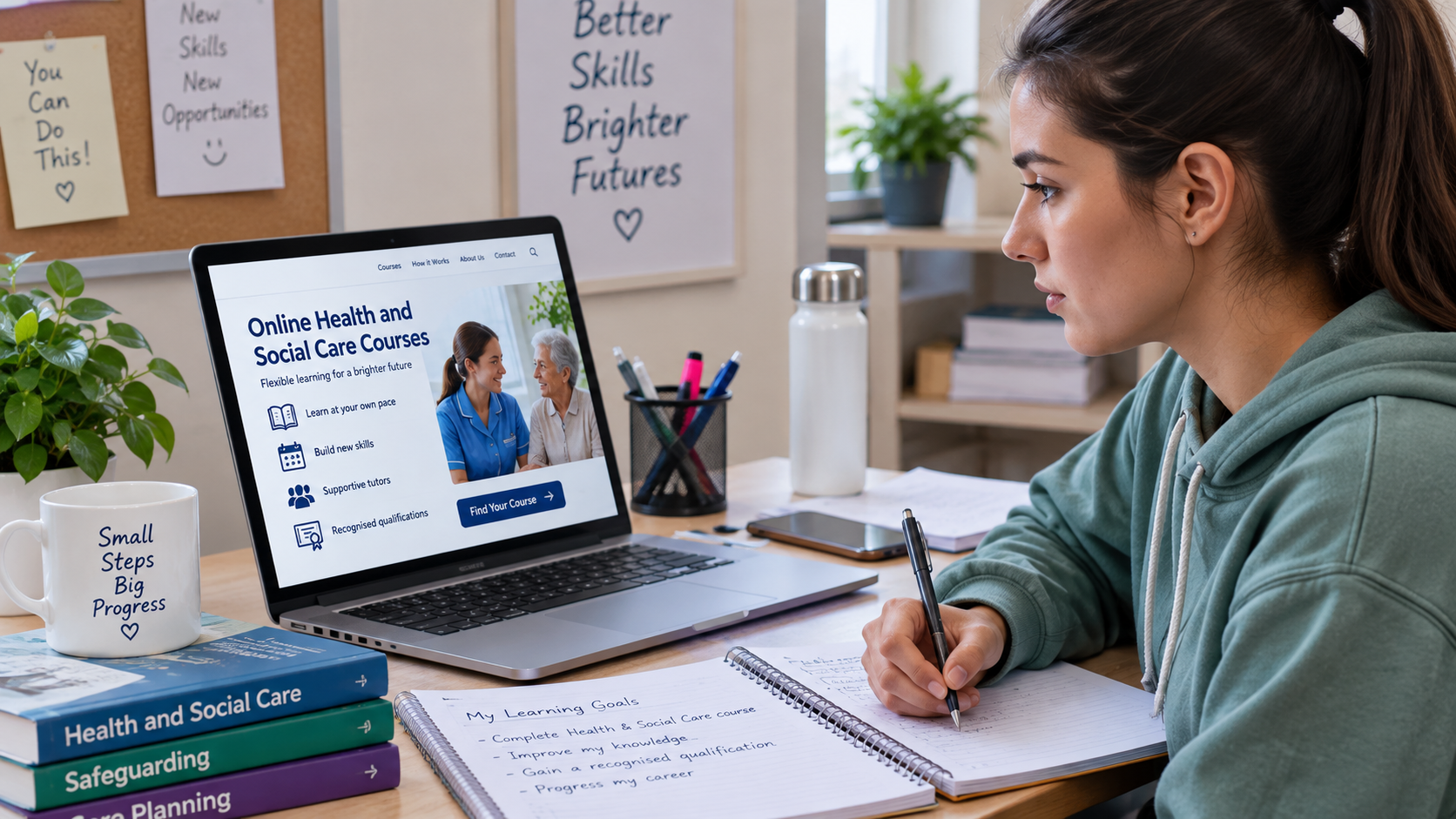
Technology has made learning easier than ever. You can now access courses, videos, and guides from your phone or laptop. This means you can learn anytime, even during short breaks.
Online platforms offer a wide range of topics. From care techniques to leadership skills, there’s something for every role. Many of these tools are free or low-cost.
Some courses use simulations or interactive tools. These help you practice skills in a safe, digital space. It’s a good way to build confidence before applying them at work.
With so many options online, staying updated is now more flexible. You can choose when, where, and how you want to learn.
If you’re looking for a flexible and recognised qualification, the Health and Social Care Level 3 Diploma is a great option. It’s fully online and designed to fit around your work life, helping you stay up to date while building your career.
Continuous vs. Lifelong Learning in Health and Social Care
In health and social care, the terms continuous learning and lifelong learning are often used as if they mean the same — but there’s a clear difference.
Continuous learning usually happens through structured programmes offered by employers or training bodies. These courses focus on improving your ability to perform specific tasks or meet industry standards. For example, you might take mandatory training on safeguarding, medication handling, or care planning as part of your role. These are designed to enhance your job-related skills and ensure quality care.
Lifelong learning, on the other hand, is more personal. It’s driven by your own curiosity or desire to grow, even if the topic isn’t directly linked to your job. You might explore areas like mindfulness, digital literacy, or nutrition — not because your role demands it, but because you want to broaden your knowledge or improve how you support others.
Both types of learning are valuable. While continuous learning keeps you competent and compliant, lifelong learning helps you grow as a person and deepen your understanding beyond daily duties.
Building a Continuous Learning Mindset: How to Stay Committed
Staying committed to learning starts with the right mindset. It helps to see learning as part of your daily routine, not a separate task. Even small steps matter over time.
Set clear and simple goals. This could be reading one article a week or joining a short course each month. Tracking progress keeps you motivated.
Make learning personal. Choose topics that interest you or help with your current role. When learning feels useful, it’s easier to stick with it.
Finally, find support. Talk to colleagues or join online groups. Sharing your journey can keep you encouraged and on track.
Conclusion
Continuous learning isn’t just a career boost — it’s a key part of delivering safe, high-quality care. It helps you grow, stay confident, and adapt in a fast-moving field.
Experts agree that professionals who keep learning are more prepared for future roles and changes. By taking small, steady steps, you can build a career that’s not only successful but also deeply rewarding.
Frequently Asked Questions
The premise of continuous learning in the workplace is for employees to retain knowledge and skills over time. They attain higher levels of knowledge and retain that knowledge longer with reinforcement activities. Some key elements are required to create a continuous learning environment.
Developing your skills, by using reflection, is an example of how a learning activity can change how you work. This can improve your skills, knowledge and understanding of your role. You can speak to your manager and colleagues regarding their recommendations for further learning.
Continuous learning ensures that healthcare professionals stay updated with the latest medical advancements, enhancing patient care and safety.
Effective CPD methods include attending workshops, enrolling in online courses, participating in webinars, and engaging in peer discussions.
Healthcare professionals can utilise flexible learning options such as online courses and podcasts, allowing them to learn at their own pace and convenience.
Yes, many regulatory bodies require healthcare professionals to complete a certain number of CPD hours annually to maintain their registration and ensure ongoing competence.
Technology provides access to a wide range of learning resources, including online courses, virtual simulations, and digital libraries, making continuous learning more accessible and engaging.