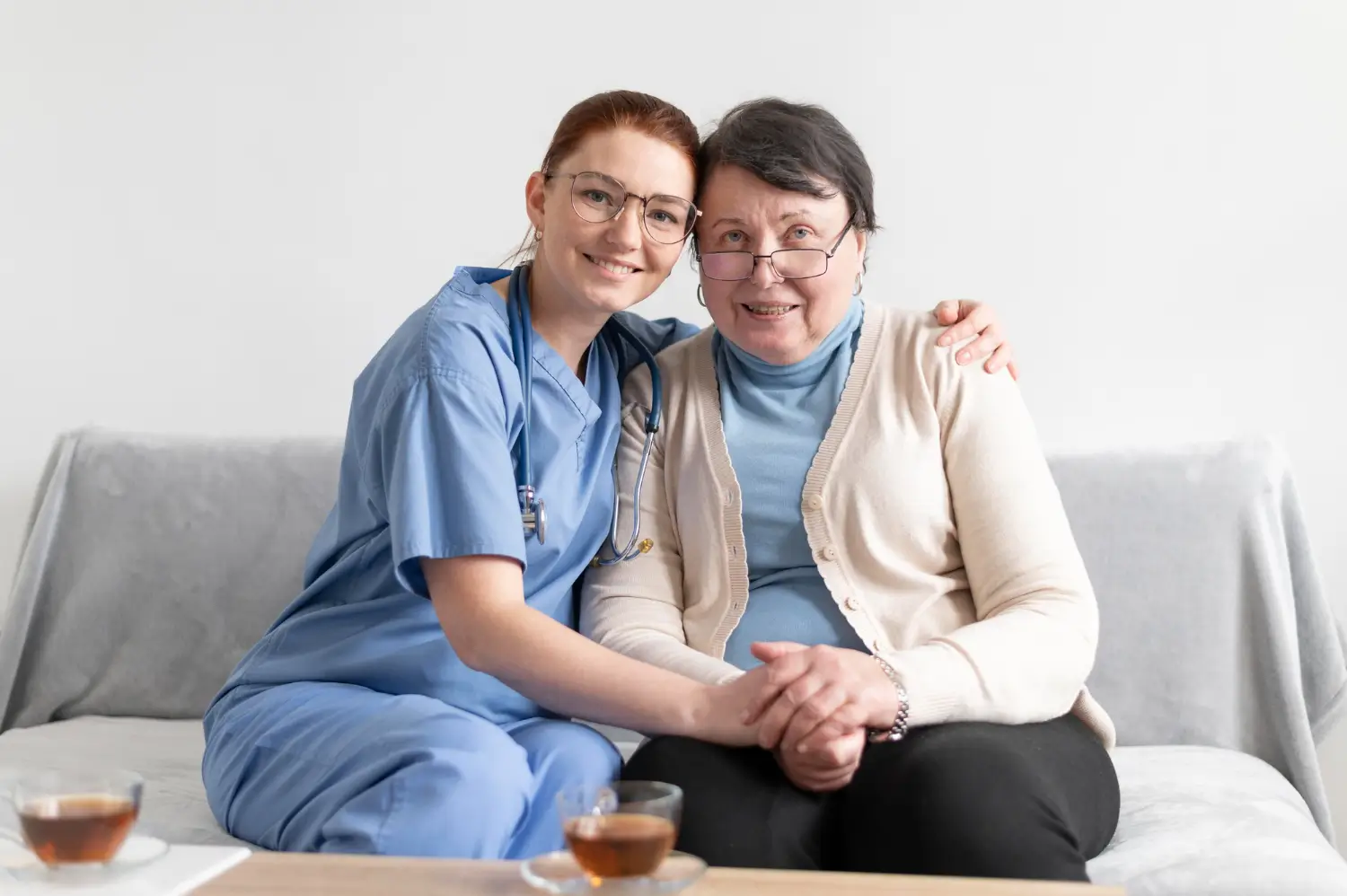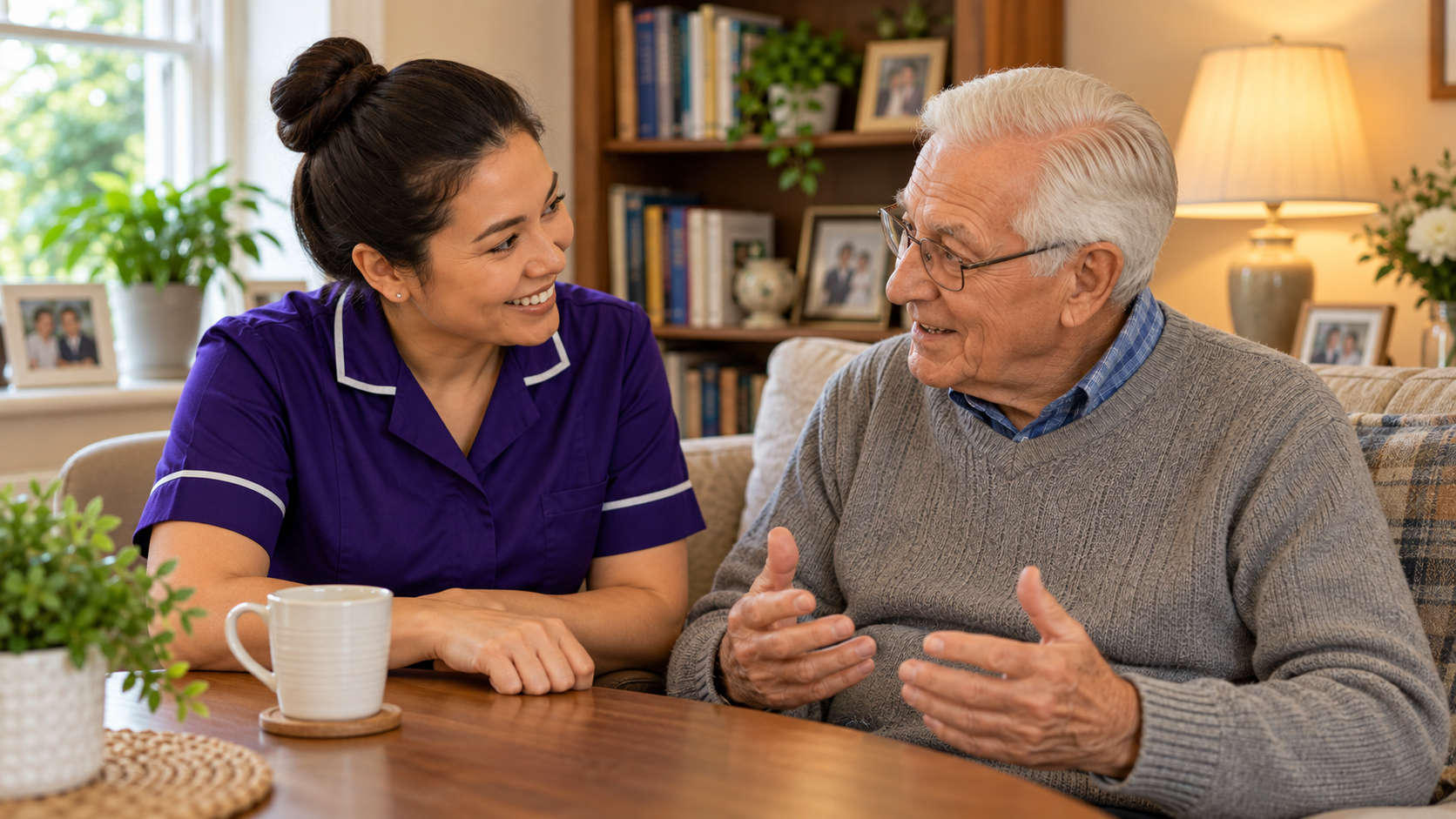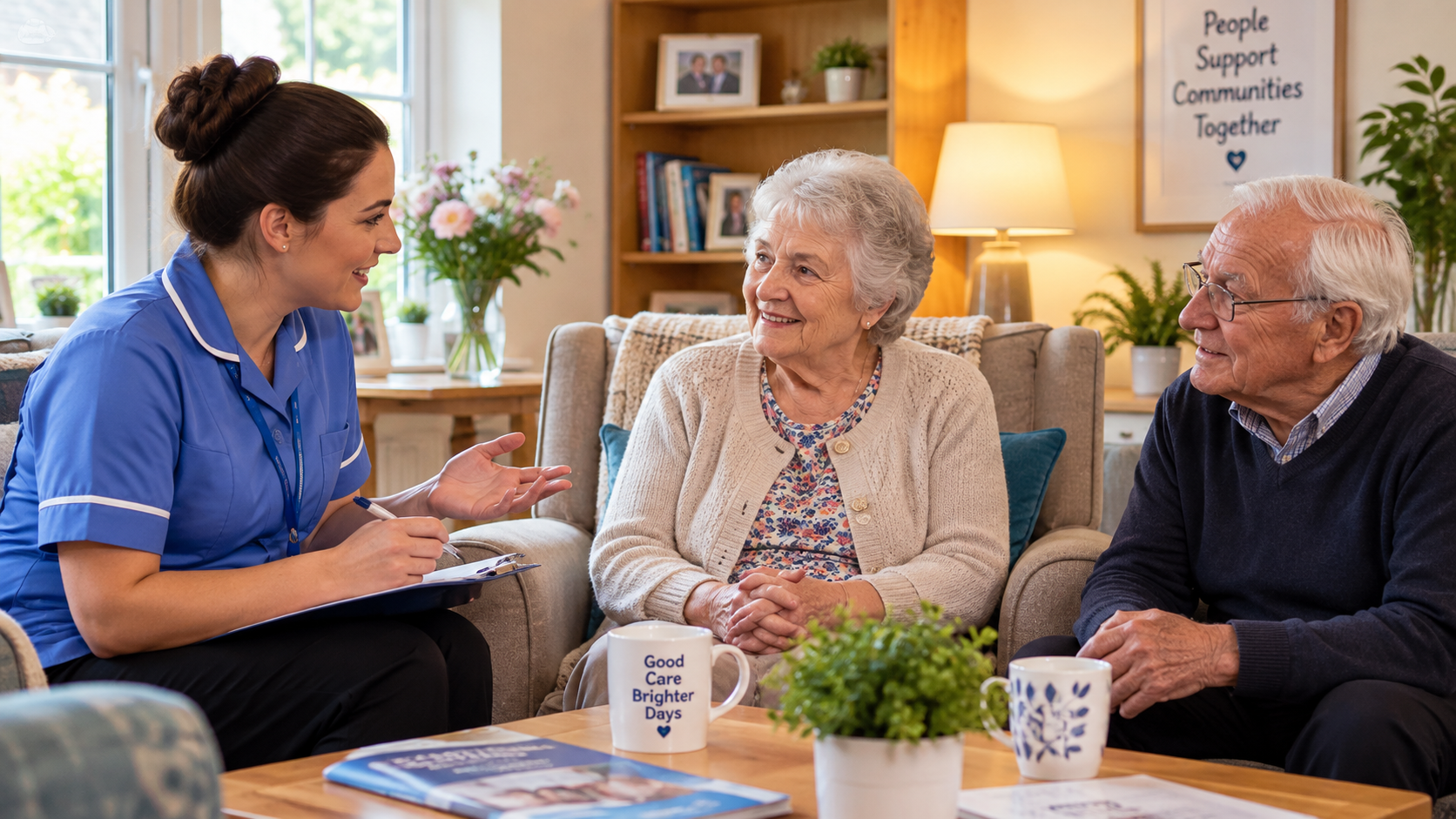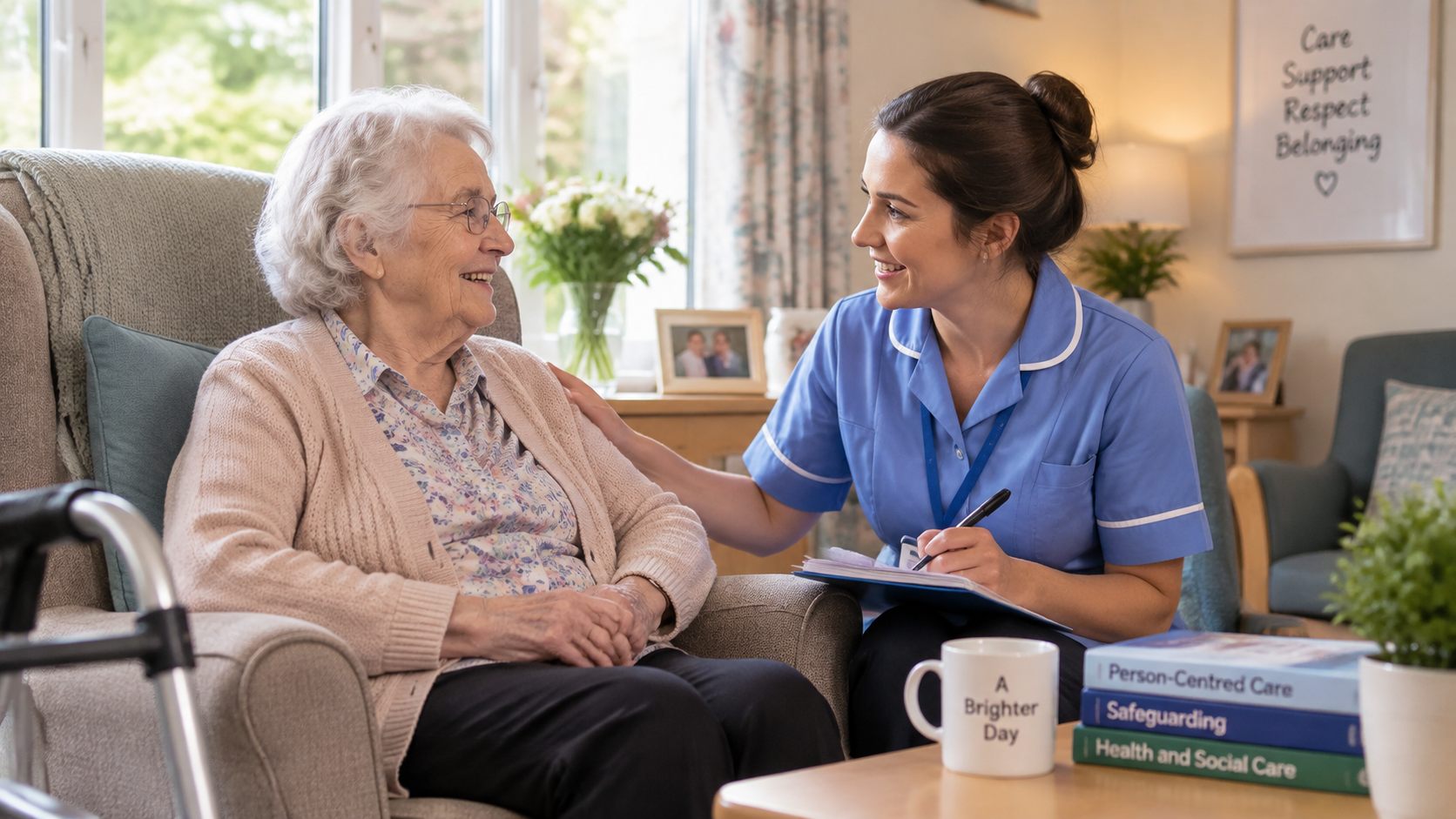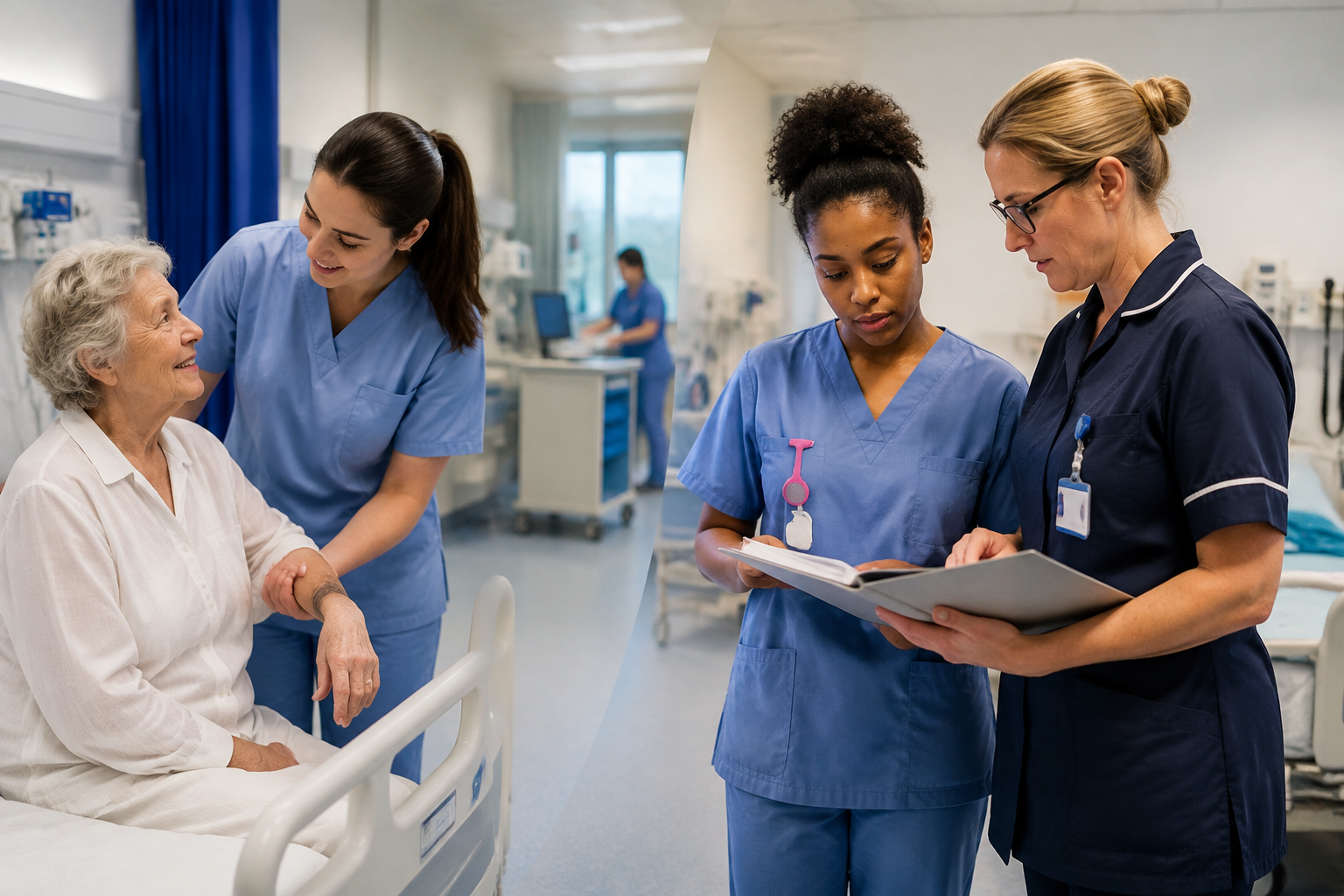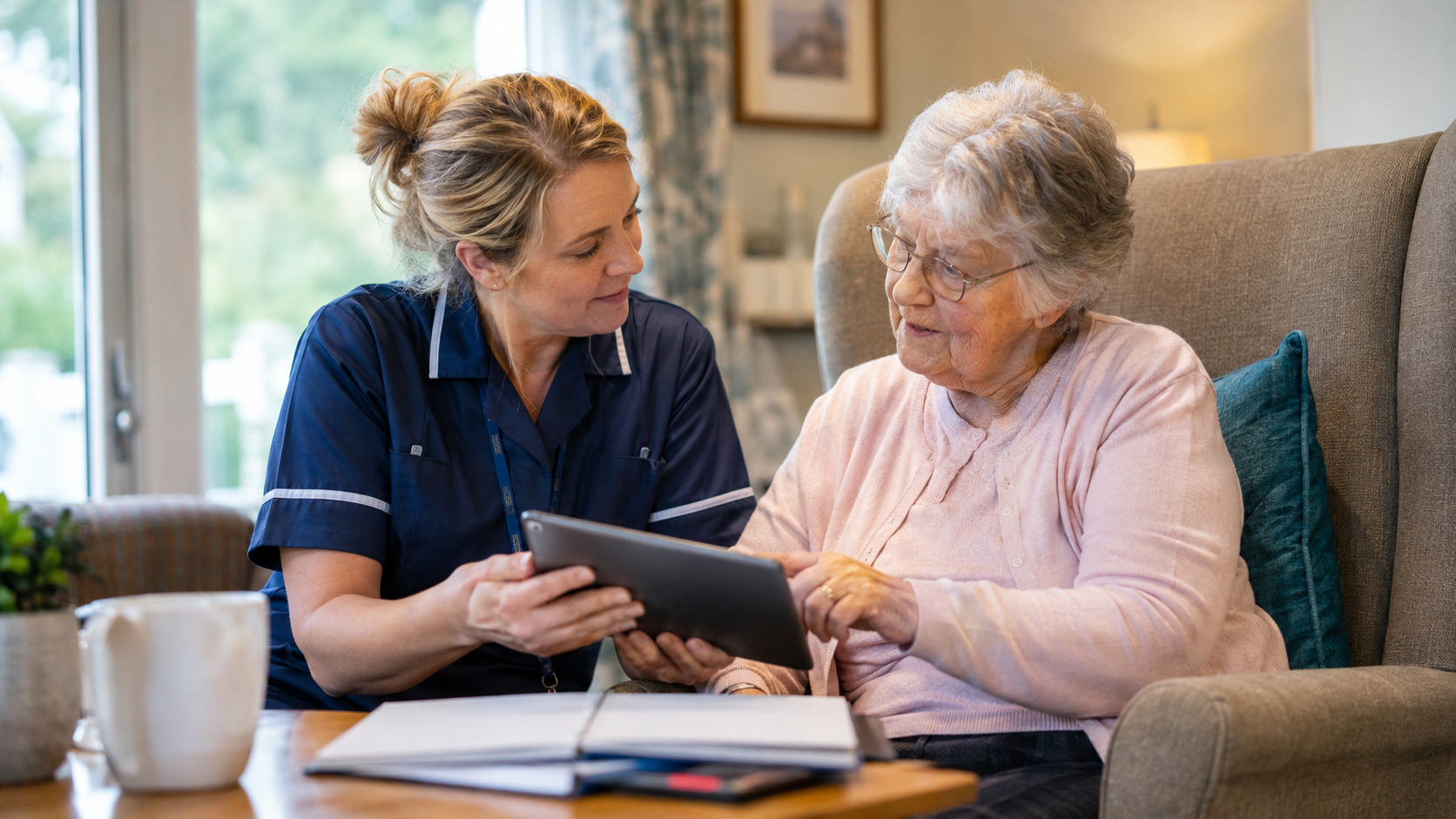


What truly separates a good caregiver from a great one? Beyond technical competence, it’s the less tangible “soft skills” that define the quality of care. Research by the NHS and Health Education England highlights that around 90% of patient satisfaction is influenced by healthcare workers’ communication and interpersonal skills, emphasizing how crucial soft skills are in providing high-quality care. These interpersonal abilities are the foundation for building trust, providing comfort, and ensuring a positive, compassionate experience for patients and their families.
Soft skills like communication, empathy, and emotional intelligence enable healthcare professionals to connect with patients on a deeper level, addressing both their physical and emotional needs. These skills ensure that care is not only delivered efficiently but also compassionately, creating a positive environment for both patients and service providers.
By the end of this article, you’ll understand why soft skills are just as crucial as medical knowledge—and how mastering them can make you a more effective, empathetic, and resilient care professional. Ready to learn how small changes in communication and attitude can lead to big improvements in care? Let’s dive in!
What Are Soft Skills in Health and Social Care? m
Soft skills in health and social care refer to personal qualities that help us interact well with others. These include communication, empathy, and emotional intelligence. While technical skills are necessary, soft skills ensure care is delivered with compassion and understanding.
For instance, good communication helps in understanding a patient’s needs, while empathy allows caregivers to connect emotionally. These skills create a positive environment for both patients and professionals.
Teamwork and adaptability are also key soft skills in this field. Working well with others and adjusting to changing situations are essential for providing the best care possible.
Why Soft Skills are Important in Health and Social Care
In health and social care, it’s not just about technical knowledge and medical expertise. The ability to connect with patients, work well with colleagues, and manage challenging situations is equally important. Soft skills play a vital role in creating an environment where patients feel safe, supported, and respected. Let’s take a closer look at why these skills are essential in providing the best care possible.
Improved Communication
Soft skills like effective communication are essential for building trust with patients. When you communicate clearly, patients feel heard and more at ease. This ensures they understand their care plans, leading to better compliance and overall satisfaction.
Empathy and Emotional Support
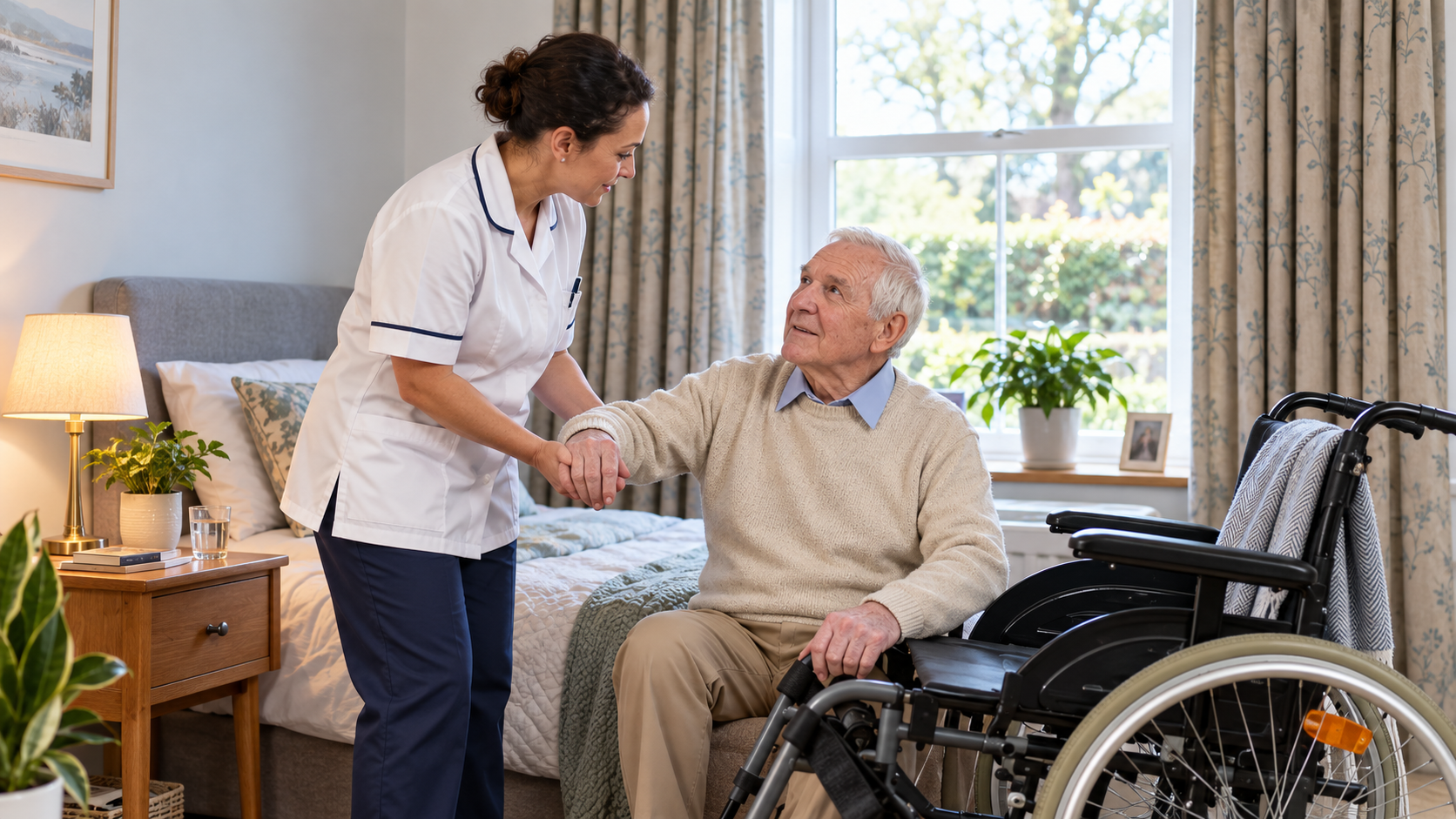
Empathy allows healthcare professionals to connect with patients on a deeper level. By understanding their emotional and psychological needs, you can offer support that goes beyond physical care. This helps patients feel valued and cared for, which is crucial for their recovery.
Effective Teamwork
Health and social care often require collaboration among various professionals. Teamwork is vital in ensuring that all aspects of a patient’s care are addressed. Good interpersonal skills make it easier to coordinate with colleagues and provide a unified approach to care.
Adaptability and Stress Management
In a fast-paced environment, being adaptable and managing stress effectively is key. Soft skills help you stay calm and focused when things change unexpectedly, ensuring the patient’s needs are still met, even in challenging situations.
Key Soft Skills for Health and Social Care Professionals
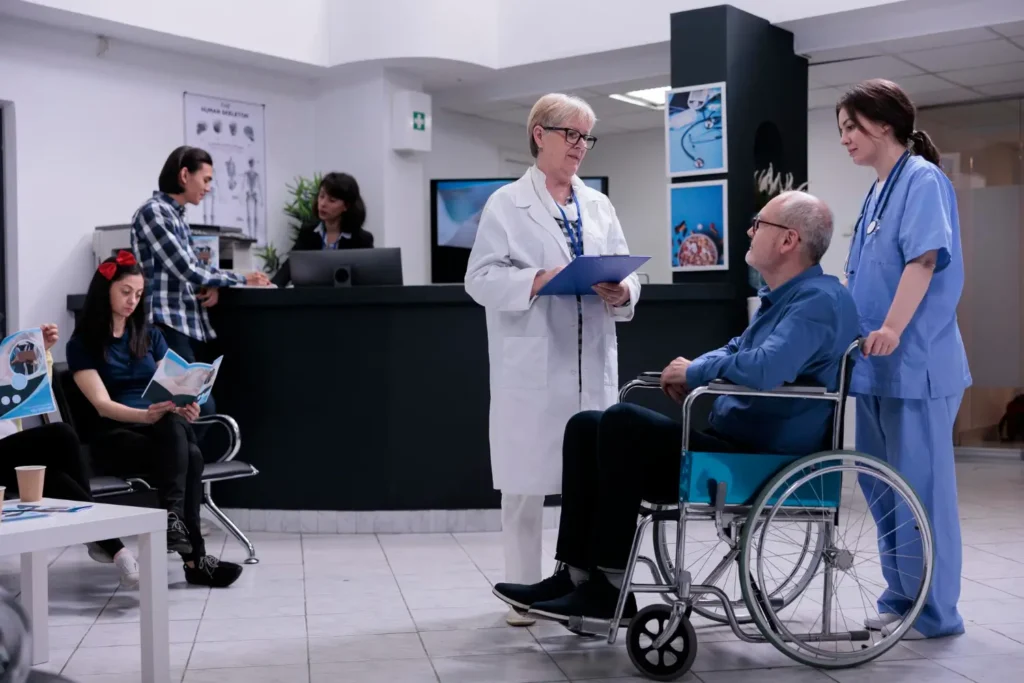
In health and social care, there are several key soft skills that can make a significant difference in the quality of care you provide. Let’s look at some of the most important ones.
Communication Skills
Clear communication is crucial when interacting with patients, families, and colleagues. It helps you explain medical conditions and treatments in a way that’s easy to understand. Additionally, good communication ensures you can listen to and address any concerns patients may have.
Empathy and Compassion
Empathy allows you to understand the emotions and needs of your patients. It helps you provide care that is not only physical but also emotional. Compassion ensures that patients feel respected and supported, especially during difficult times.
Teamwork and Collaboration
In health and social care, you’ll often work with other professionals. Being able to collaborate effectively is essential to providing the best care. Teamwork means listening to others, sharing knowledge, and working toward a common goal for the benefit of the patient.
Problem-Solving and Critical Thinking
Care situations can sometimes be unpredictable. The ability to think critically and make decisions quickly is essential. Problem-solving helps you adapt to new challenges, ensuring the best possible outcome for your patients.
Adaptability and Flexibility
Health and social care environments are constantly changing. Being adaptable allows you to stay calm and effective in unexpected situations. Flexibility ensures that you can respond to the ever-changing needs of patients.
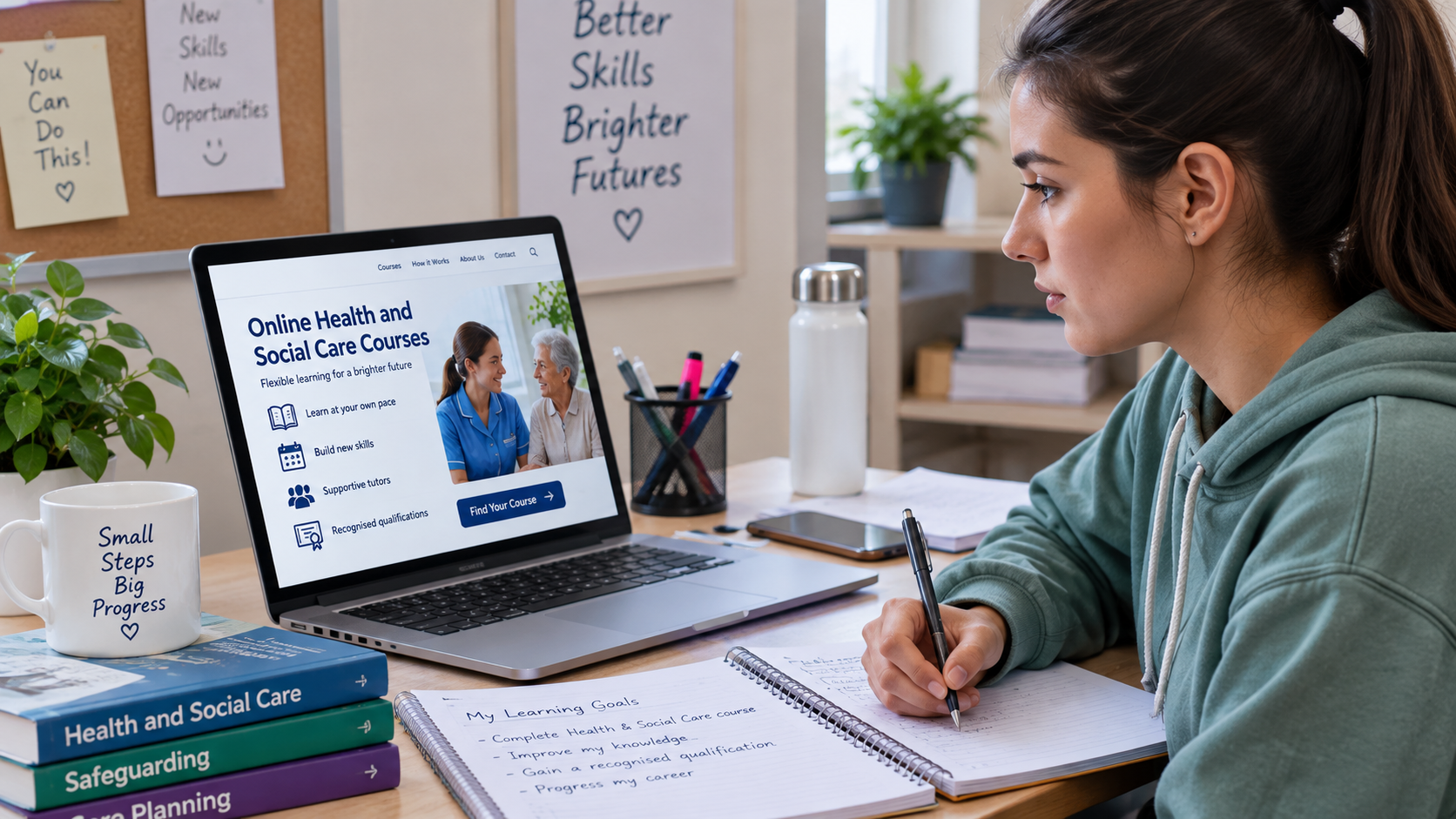
To develop these essential soft skills professionally, the Health and Social Care Level 3 Diploma provides training while strengthening communication, problem-solving, and interpersonal abilities for modern care settings.
Benefits of a Soft Skills-Focused Training Program
Ever noticed how some healthcare teams just work better together? That doesn’t happen by accident. When training focuses on soft skills as much as technical ones, magic happens. Let’s explore why these programmes make such a big difference.
1. Better Patient Experiences
Patients remember how you made them feel, not just the treatment they received. Training in soft skills helps staff communicate with warmth and understanding. This leads to higher satisfaction scores and stronger trust. Happy patients often heal faster too!
2. Stronger Team Dynamics
When everyone learns clear communication and teamwork skills, departments run smoother. Fewer misunderstandings mean less workplace tension. Colleagues who support each other create a positive environment where everyone thrives.
3. Reduced Burnout Rates
Healthcare is stressful, but soft skills training gives staff tools to cope. Learning emotional resilience and stress management helps prevent exhaustion. When teams communicate well, they share burdens instead of carrying them alone.
4. Fewer Mistakes & Complaints
Many errors happen because of communication breakdowns, not lack of medical knowledge. Training in active listening and clear explanation prevents dangerous mix-ups. Patients are also less likely to complain when they feel heard and respected.
5. Career Growth Opportunities
Staff with great soft skills often get promoted faster. They become the go-to people for difficult cases or leadership roles. These skills make you valuable in any healthcare setting, from hospitals to home care.
The best part? These benefits ripple outward. Better-trained staff create happier patients, which leads to stronger reputations for healthcare organisations. Everyone wins when soft skills get the attention they deserve.
How to Develop Soft Skills in Health and Social Care Training
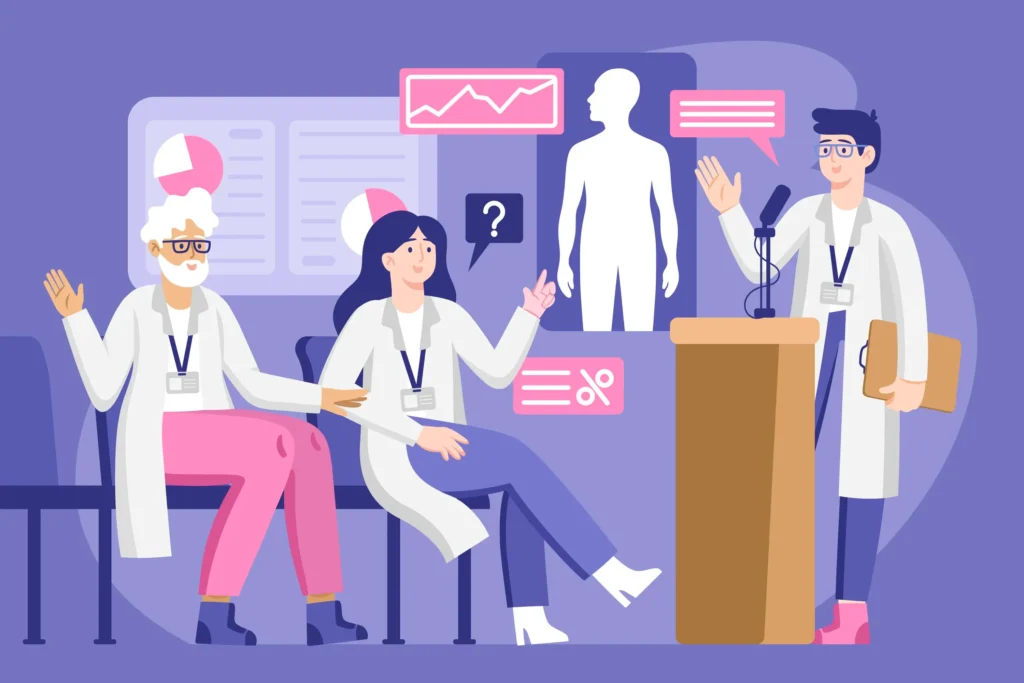
Developing soft skills in health and social care training is essential for enhancing both your personal and professional growth. Here are a few practical ways you can develop these skills.
1. Participate in Workshops and Role-Playing
Workshops are a great way to practice your soft skills in a safe, supportive environment. Role-playing exercises allow you to simulate real-life situations. This helps you build confidence in dealing with patients and colleagues.
2. Seek Feedback and Self-Reflection
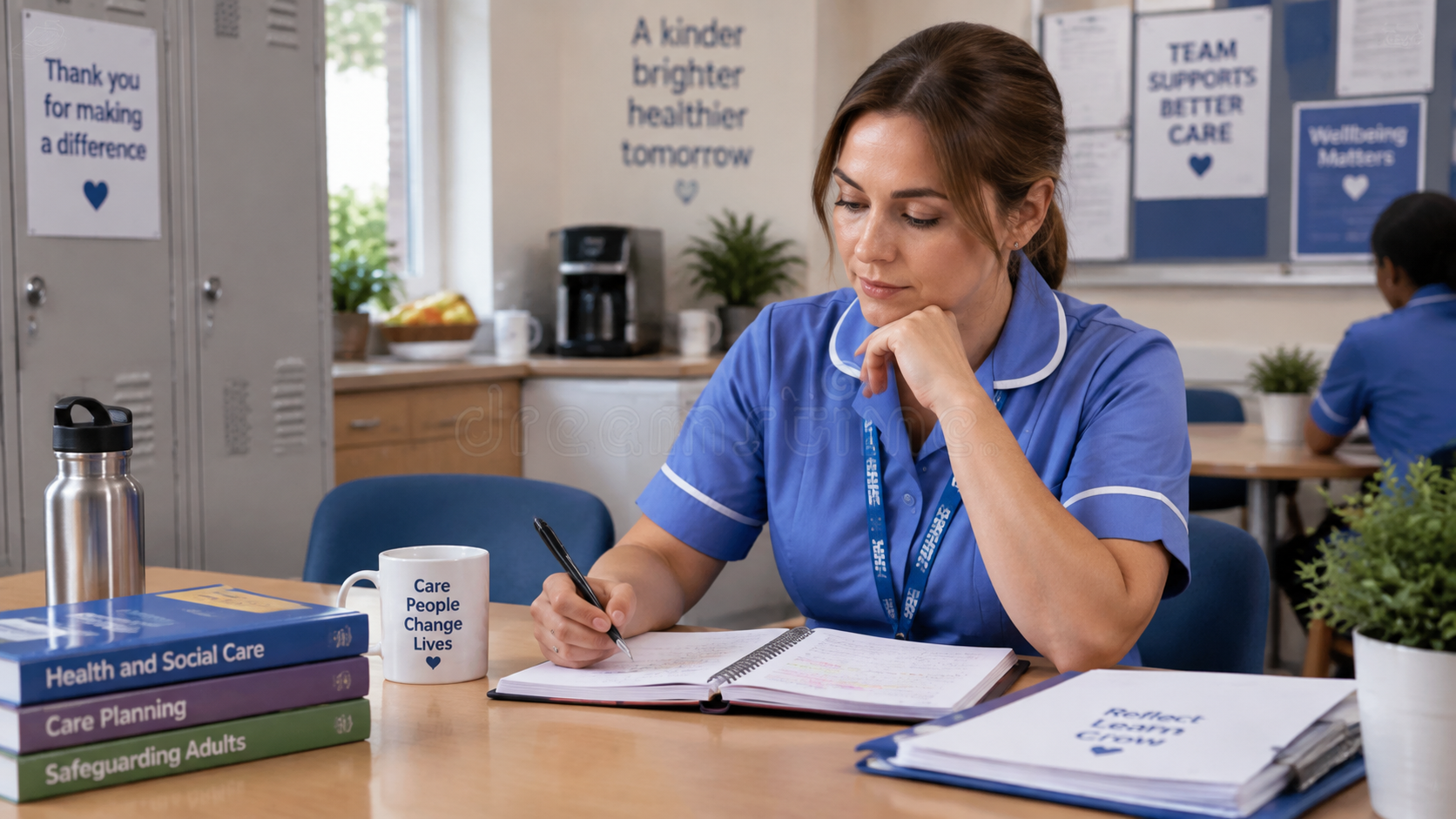
Ask for feedback from supervisors or colleagues about your communication and interaction style. Reflecting on this feedback will help you identify areas for improvement. Regular self-reflection can also help you understand how you handle different situations and how to adapt your approach.
3. Engage in Active Listening
Active listening is a key soft skill in health and social care. It means fully focusing on what the other person is saying without interrupting. Practicing active listening improves your communication and helps you respond more effectively.
4. Learn from Mentorship and Peer Learning
Having a mentor or learning from peers can help you develop key soft skills. Mentors provide guidance on how to improve your emotional intelligence, communication, and problem-solving abilities. Peer learning also creates opportunities for sharing experiences and tips for handling difficult situations.
5. Practice Empathy and Patience
Empathy and patience are essential in health and social care. To develop these skills, make an effort to put yourself in the patient’s shoes. This can help you respond with understanding and kindness, especially during challenging times.
Challenges in Teaching and Assessing Soft Skills
Teaching and assessing soft skills in health and social care can be challenging. Unlike technical skills, soft skills are harder to measure and teach. Let’s look at some of the main challenges.
1. Subjectivity in Soft Skills
Soft skills like empathy, communication, and emotional intelligence are difficult to define and measure. What one person considers empathetic behaviour may be different from someone else’s view. This subjectivity makes it hard to assess these skills in a consistent way.
2. Lack of Standardized Assessment Tools
Unlike technical skills, there are fewer standardised tools to assess soft skills. Most assessments rely on observation or self-reporting, which can vary depending on the situation. This lack of clear metrics makes it harder to evaluate progress.
3. Resistance to Soft Skills Training
Some professionals may view soft skills training as less important than technical skills training. They may feel that their technical expertise should be enough, making them resistant to learning soft skills. Overcoming this mindset can be challenging but is essential for improving patient care.
4. Limited Time and Resources
In busy healthcare settings, there may be limited time to focus on developing soft skills. Training programmes often prioritise technical knowledge over soft skills due to time constraints. Finding a balance and ensuring enough time is dedicated to soft skills training can be a challenge.
Conclusion
Soft skills are crucial in health and social care training because they enhance patient care and improve professional relationships. Skills like communication, empathy, and teamwork are essential for creating a supportive and effective environment.
By focusing on developing these skills, we can ensure that healthcare professionals are equipped to meet both the emotional and physical needs of their patients. Investing in soft skills ultimately leads to better outcomes for everyone involved.