



What is Person-Centred Care in the Updated Care Certificate?

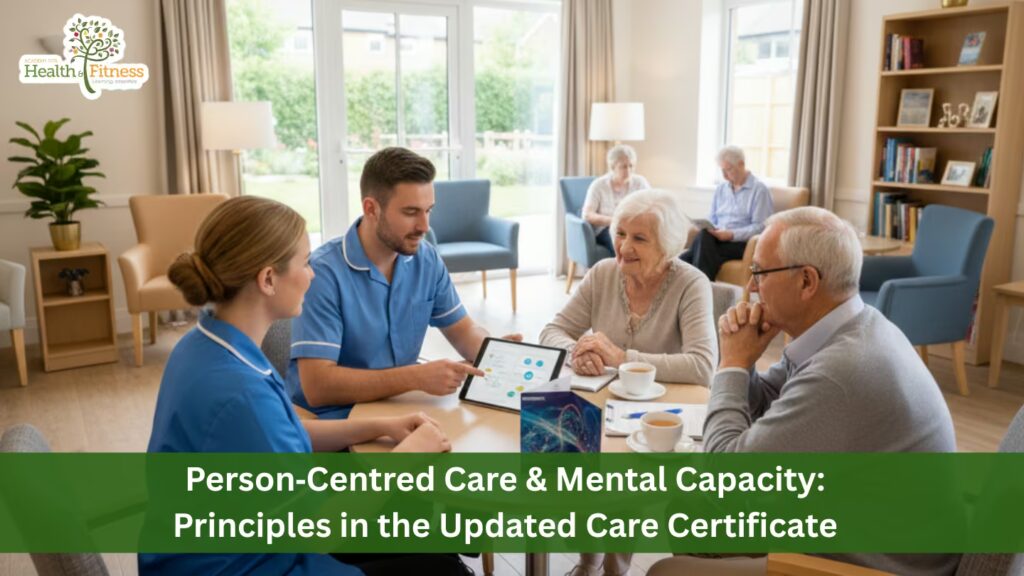
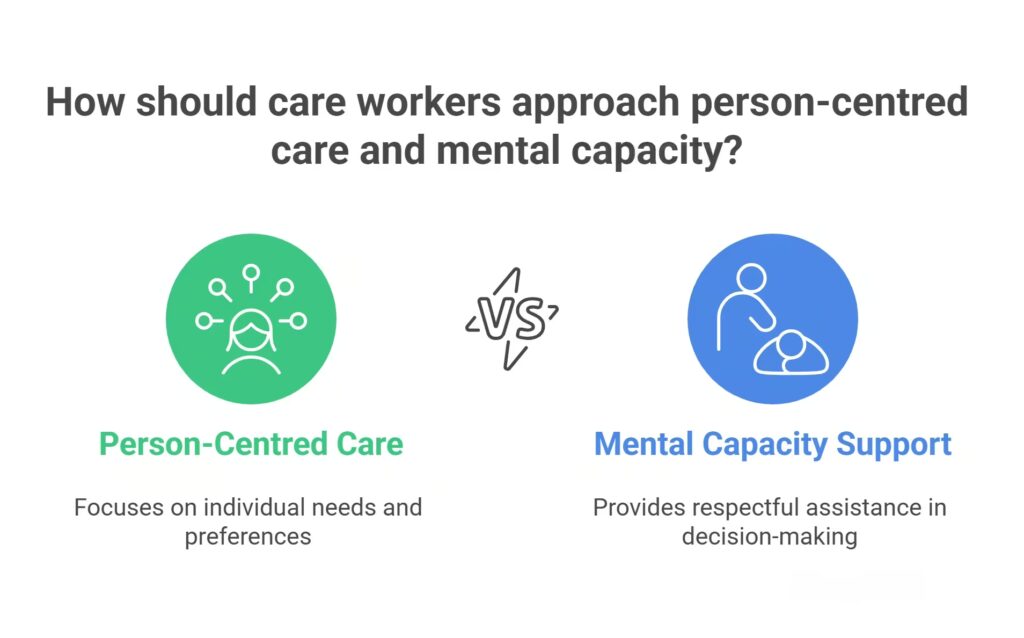
Person-centred care is an approach that places the individual at the heart of the care process. It goes beyond just addressing a person’s medical or physical needs, recognizing their preferences, values, and choices. In essence, it’s about treating each person as a unique individual, not just as a patient or service user. This model empowers individuals to be active participants in decisions about their care, ensuring their voices are heard and respected.
In person-centred care, the focus shifts from simply delivering a service to understanding what the person values most in life—whether that’s their daily routine, cultural practices, or personal preferences. For example, if a resident in a care home loves gardening, a person-centred approach might involve finding ways to incorporate gardening activities into their day. This not only enhances their experience but also fosters a sense of autonomy and fulfilment.
Real-life examples show how this approach improves the care experience. For instance, in care homes, when staff understand and cater to a resident’s preferences for food, socialising, or privacy, they can provide more tailored support. A resident who prefers solitude in the morning but enjoys group activities in the afternoon will feel more respected and valued when care workers follow these preferences. By prioritising these individual choices, person-centred care leads to happier, healthier individuals who feel in control of their lives.
Understanding Mental Capacity in the Updated Care Certificate

Mental capacity is all about a person’s ability to make their own decisions — big or small. It’s one of the cornerstones of good care, shaping how support is planned, delivered, and respected. In simple terms, having mental capacity means someone can:
- Understand the information relevant to a decision,
- Retain that information long enough to make a choice,
- Weigh up the possible outcomes, and
- Communicate their decision in any way they can.
According to the UK Government’s Mental Capacity Act 2005, every adult is presumed to have mental capacity unless proven otherwise. The Act sets out how care workers should support individuals to make choices as independently as possible — not to make decisions for them, but with them. When someone genuinely lacks capacity, decisions must always be made in their best interests, while respecting their dignity, rights, and preferences.
In practice, this means care workers must stay alert to signs that someone might be struggling with understanding or communication. They may need to involve family members, advocates, or health professionals when making complex decisions. By following the principles of the Mental Capacity Act and the updated Care Certificate standards, care workers ensure that every decision — from daily routines to medical choices — is guided by empathy, respect, and the person’s own voice.
How the Updated Care Certificate Addresses Person-Centred Care & Mental Capacity
The updated Care Certificate puts a stronger focus on person-centred care and mental capacity, ensuring care workers can meet each person’s unique needs with respect and compassion. These updates aren’t just about ticking boxes — they’re about helping carers deliver truly individualised, high-quality care.
Here’s what the update means in practice:
- Clearer guidance on how to respect each person’s dignity, preferences, and values.
- Stronger emphasis on involving individuals in decisions about their care, wherever possible.
- Better understanding of how to assess and support people who may lack mental capacity.
Training in these areas helps care workers:
- Listen actively and understand each person’s wishes.
- Empower service users to make informed decisions about their own care.
- Recognise when someone may struggle to make decisions — and know how to support them safely and respectfully.
The updated standards make one thing clear: care should never be one-size-fits-all. By embedding person-centred care and mental capacity into training, workers learn how to provide empathetic, rights-based support that keeps individuals at the heart of every decision. This not only improves the quality of care but also builds trust, independence, and dignity for those receiving it.
The Role of Care Workers in Person-Centred Care and Mental Capacity
Care workers play a vital part in putting person-centred care and mental capacity principles into action. Their daily interactions shape how individuals experience support, independence, and dignity.
What Care Workers Do in Person-Centred Care
Person-centred care begins with truly understanding the person behind the care plan. Care workers help make this possible by focusing on what matters most to the individual.
- Focus on the person’s dignity, autonomy, and choices
- Act as an advocate for the individual’s wishes
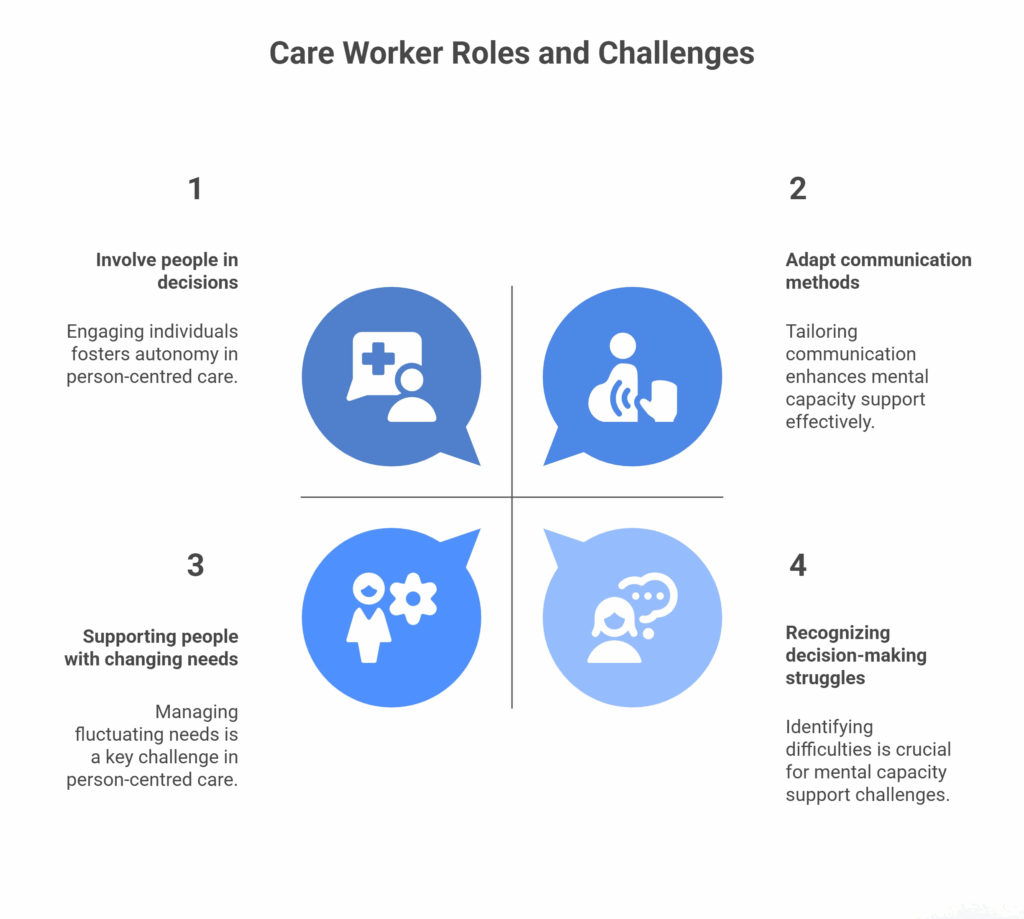
- Involve people in decisions about their own care
- Adjust care plans so they reflect personal expectations and needs
What Care Workers Do in Mental Capacity Support
Supporting mental capacity requires patience, awareness, and thoughtful communication. Care workers play a key role in recognising when decisions are difficult and offering the right level of help.
- Understand the responsibilities set out in the Mental Capacity Act 2005
- Notice when someone may struggle to make specific decisions
- Offer support such as simple language, visual aids, or extra time
- Work with family members, advocates, or other professionals when needed
Challenges Care Workers May Face
In practice, care workers often support individuals whose needs shift from day to day. These situations can make communication and decision-making more complex.
- Supporting people whose mental capacity changes over time
- Working with individuals who find it difficult to express their needs or preferences
Ways to Overcome These Challenges
Many challenges can be eased with strong communication, self-awareness, and a willingness to adapt. These skills help care workers respond more effectively to each person’s unique needs.
- Build strong communication skills: active listening, clear language, and helpful non-verbal cues
- Adapt communication methods to suit the individual
- Reflect on your own practice and seek feedback to improve how care is delivered
By embracing person-centred care and understanding mental capacity, care workers can deliver compassionate and respectful support that meets the individual’s needs while promoting their autonomy.
Benefits of Person-Centred Care & Mental Capacity Understanding for Service Users

Person-centred care and mental capacity awareness offer significant benefits for service users, enhancing their well-being and ensuring they are treated with dignity. Here’s how:
Improved Well-Being and Dignity
- Person-centred care puts the individual’s preferences, needs, and values at the heart of their care, fostering respect and making them feel valued.
- Service users are more likely to experience improved mental and emotional health because their autonomy and dignity are respected.
Support for Mental Capacity Decisions
- By understanding mental capacity, care workers can help service users make informed decisions about their care.
- This approach ensures individuals’ autonomy is maintained, while providing the necessary support when they can’t make decisions independently.
Better Outcomes in Real-Life Care
- For example, a service user with dementia may have fluctuating mental capacity. By providing tailored care, such as using simple language or visual aids, they can still be involved in their care decisions, improving their sense of control.
- Service users with learning disabilities benefit when care workers respect their choices, helping them make decisions at their own pace and in a manner that suits their needs.
Incorporating these principles into care practices helps ensure service users feel respected, empowered, and well cared for.
Training & Resources for Meeting the Updated Care Certificate Standard

To meet the updated Care Certificate standard, particularly around person-centred care and mental capacity, care workers have access to a variety of training and resources. Here’s how you can prepare:
Online Learning Platforms
- Many e-learning platforms, such as HF Online’s Care Certificate Training Course, offer flexible, interactive courses. These platforms include modules on person-centred care, mental capacity, and other essential care standards.
- These resources are ideal for care workers who need to learn at their own pace, providing a blend of theory, practical knowledge, and quizzes to reinforce learning.
In-Person Training
- In-person training can provide direct interaction and hands-on experience, with opportunities to ask questions and discuss real-life situations. Many care organisations offer workshops or classroom-based sessions as part of their induction programs.
- These sessions typically cover person-centred care and mental capacity, with assessments and group activities that help reinforce learning in a supportive environment.
Ongoing Support from Employers
- Employers play a crucial role in ensuring that care workers have the tools they need to succeed. This includes providing access to updated resources, offering supervision and feedback, and encouraging ongoing development.
- Employers should also foster a culture of continuous learning by supporting care workers with access to professional development programs and mentorship opportunities.
By combining online courses, in-person training, and employer support, care workers can effectively meet the updated Care Certificate standards, ensuring they are well-equipped to provide person-centred care and support to service users with their mental capacity.
Conclusion
The updated Care Certificate, with its focus on person-centred care and mental capacity, ensures that care workers are better prepared to meet the diverse needs of service users. These principles are essential for creating a compassionate, respectful care environment where every individual’s dignity and autonomy are prioritised.
With the right training, resources, and support, care workers can confidently apply these standards in their daily practice. By embracing these values, both care workers and service users can experience improved outcomes, fostering a more inclusive and supportive care sector.