

Nursing Assistant vs. Healthcare Assistant: Key Differences and Similarities is a topic many people search for, often because the roles look almost identical at first glance. But they aren’t. And if you’re considering a future in care, understanding the distinction now can save you time, confusion, and a few wrong turns later. It’s the sort of detail people only learn after working in the field—so you’re already ahead by being here.
The key differences and similarities between a nursing assistant and a healthcare assistant come down to training depth, clinical responsibilities, patient contact, and how closely each role works under nursing supervision. Both support patient care, yet their duties, skills, and career pathways aren’t the same.
In this guide, you’ll learn:
- The core responsibilities of each role
- How training and qualifications compare
- The workplaces where each role usually operates
- The similarities that often cause confusion
- How to choose the role that aligns with your goals
- Where you can start training if you want to pursue the nursing assistant path
Understanding the Role of a Nursing Assistant
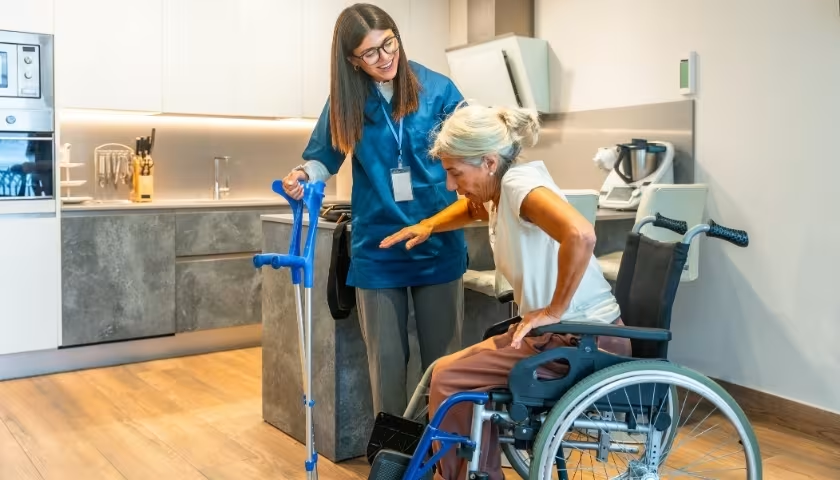
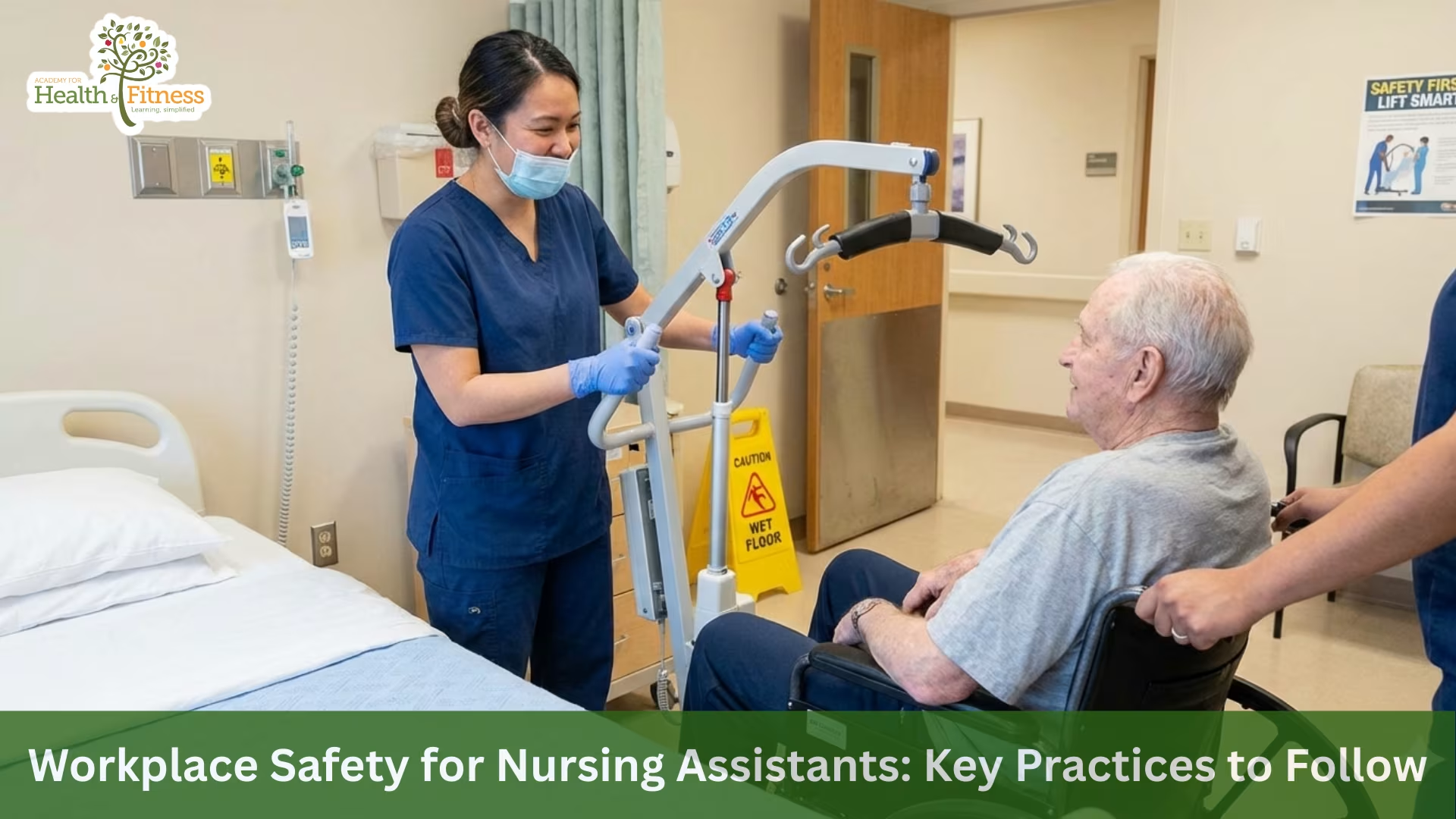
A nursing assistant works closely with nurses and is part of a clinical team. Their duties often include helping patients with daily activities such as bathing, dressing and moving between bed and chair. They may also take vital signs, record observations and support nurses with simple medical tasks.
On a typical day, a nursing assistant interacts with patients, families and the wider care team. You may see them feeding someone who’s too weak to hold a spoon or making sure a patient’s bed is clean and comfortable. These tasks, though routine, are crucial to patient wellbeing.
People in this role need compassion, patience and good communication skills. A calm manner helps when dealing with anxious patients. A practical attitude is essential, too; you’re the pair of hands keeping things running smoothly.
Many begin with structured study, such as the Nursing Assistant Diploma available online through HF Online, which provides a strong foundation in patient care and professional ethics. An online course can be a flexible start for those juggling other commitments.
Understanding the Role of a Healthcare Assistant
A healthcare assistant (HCA) provides support across a variety of settings, from hospitals to GP practices and community clinics. Their responsibilities span direct patient care and general support functions. They may assist with washing, dressing, serving meals or accompanying patients to appointments. In some settings, HCAs help with clerical work or stock management.
Healthcare assistants often work where hands-on support is needed most. You could find them in a busy hospital ward, a residential care home or a community clinic. Their day is varied: one moment they might be comforting a frightened child, and the next they’re updating records.
This role suits people who are adaptable and enjoy variety. Empathy, discretion and a willingness to learn are valuable traits. HCAs don’t usually perform clinical procedures, but they bridge the gap between medical professionals and patients.
Nursing Assistant vs Healthcare Assistant: At-a-Glance Summary
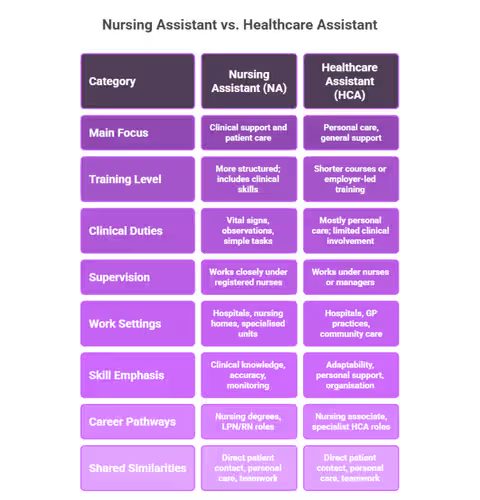
Key Differences Between Nursing Assistants and Healthcare Assistants
- Training: Nursing assistants generally receive more structured training that includes clinical skills and basic nursing theory. Healthcare assistants typically undertake shorter, on-the-job training programmes or vocational courses.
- Clinical duties: A nursing assistant may carry out basic medical tasks such as taking blood pressure, assisting with catheter care or monitoring vital signs. Healthcare assistants focus more on personal care and support rather than clinical procedures.
- Level of supervision: Nursing assistants often work under the direct supervision of a registered nurse. Healthcare assistants may have more autonomy in daily tasks but usually answer to a nurse or manager for overall coordination.
- Interaction with nurses and medical staff: Nursing assistants are part of the nursing team and have a closer working relationship with registered nurses. HCAs collaborate with a wider range of staff, including administrative and support teams.
- Workplace variety: Nursing assistants are most common in hospitals, nursing homes and specialised care settings. Healthcare assistants can be found in hospitals, clinics, GP practices, community health centres and sometimes in non-clinical roles.
Important Similarities Between Nursing Assistants and Healthcare Assistants

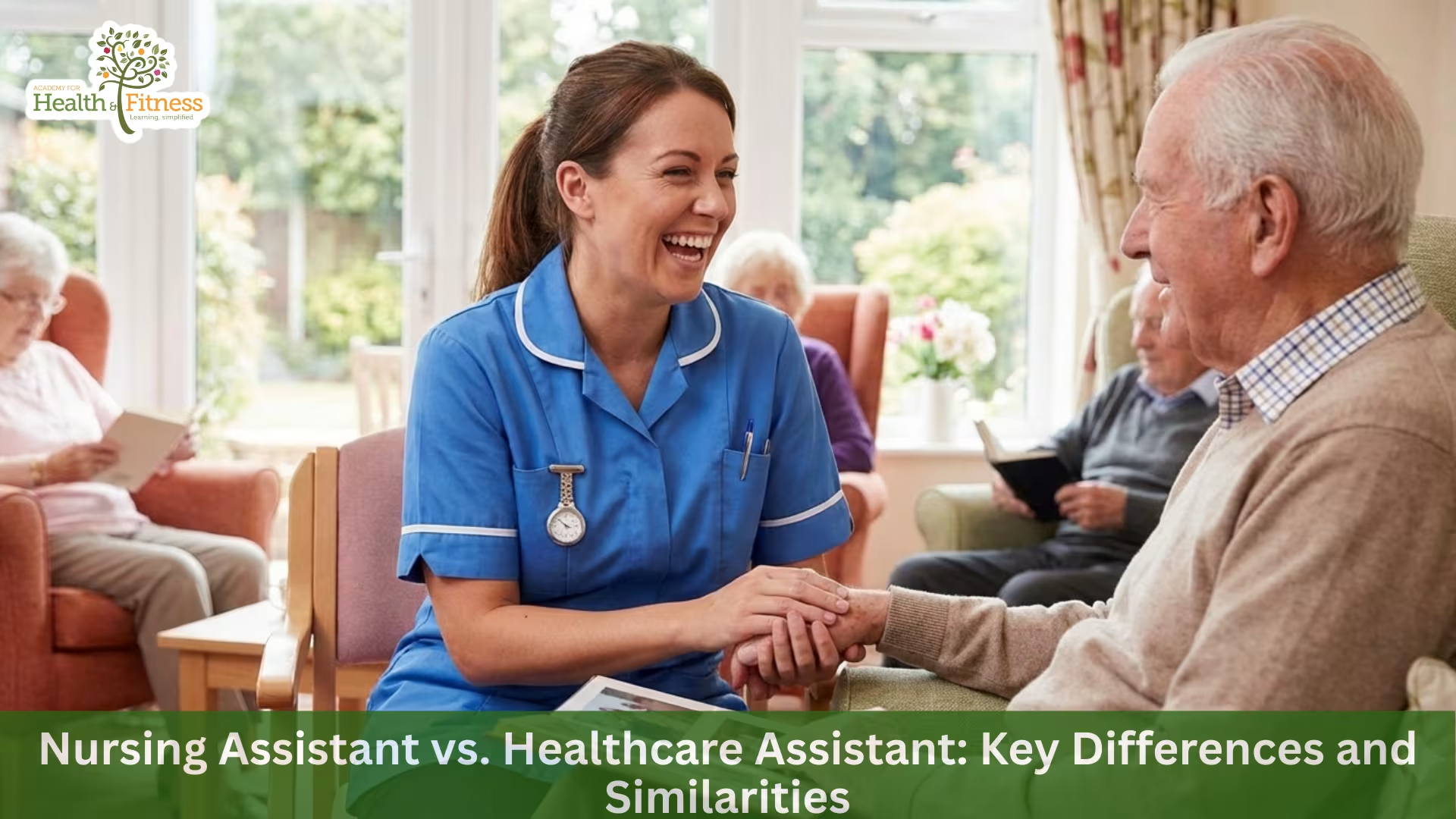
- Patient contact: Both roles involve direct interaction with patients, providing comfort, assistance and reassurance. People in these positions often become a friendly face for those in care.
- Supportive care duties: Whether you’re a nursing assistant or a healthcare assistant, you’ll help with personal care, movement, nutrition and general wellbeing. It’s hands-on work that makes a difference.
- Contribution to smooth patient experience: Both roles ensure that the care environment runs smoothly, from keeping areas clean to ensuring that supplies are ready. This behind‑the‑scenes work is vital.
- Teamwork with nurses and doctors: Collaboration is central to both jobs. You’ll work alongside nurses, doctors and other professionals, making communication and reliability essential qualities.
Training, Qualifications and Career Pathways
For nursing assistants, qualifications often include a formal certificate or diploma. In the UK, this can involve taking an accredited course and completing practical placements. These programmes cover anatomy, infection control, patient rights and communication. An option like the Nursing Assistant Diploma provides structured learning with a balance of theory and practical skills. Because it’s online, you can study at your own pace while gaining a recognised qualification.
Healthcare assistants generally need fewer formal qualifications to start. Many employers provide on‑the‑job training, and some may require basic certificates in care or health. Short courses in moving and handling or first aid can be beneficial.
Both roles offer opportunities for progression. Nursing assistants can move on to become licensed practical nurses or pursue nursing degrees. Healthcare assistants might specialise in areas like mental health or maternity care, or they might train as nursing associates. Experience gained in either role provides a strong foundation for further study.
Which Role Should You Choose?

Choosing between a nursing assistant and a healthcare assistant position depends on your interests and circumstances. If you’re passionate about clinical care and want to take on more medical responsibilities, the nursing assistant route may suit you. It often leads to further nursing qualifications and a clear clinical career path. Training programmes, such as the online Nursing Assistant Diploma, can set you up for success.
On the other hand, if you prefer a more varied role that mixes personal care with support duties across different settings, a healthcare assistant position might be ideal. HCAs often enjoy flexibility in workplace choice and may explore various areas before specialising.
Consider where you see yourself in five years. Do you want to progress to registered nursing or stay within supportive care? Are you ready to commit to more intense training, or would you prefer to learn on the job? Answering these questions will guide you.
Conclusion
Both nursing assistants and healthcare assistants hold essential places in care settings. Their differences—training, clinical tasks, and workplace focus—shape how they support patients each day, yet their shared purpose remains compassion and steady teamwork.
If you’re exploring a role in health care, this guide gives you a clear starting point. Whether you prefer the clinical path or broader support work, there’s room for you. And if structured training feels right, a Nursing Assistant Diploma could open that first door.