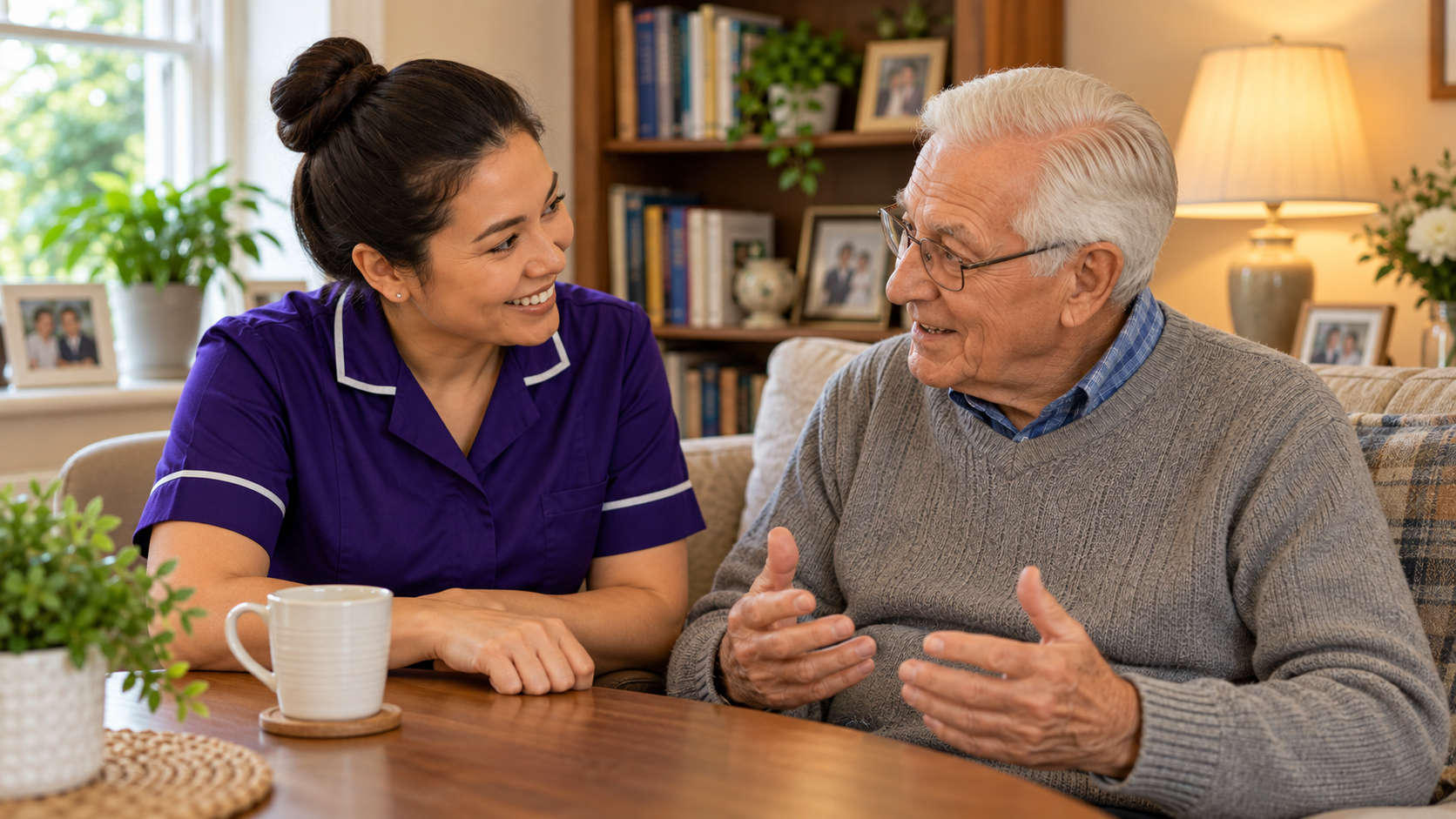
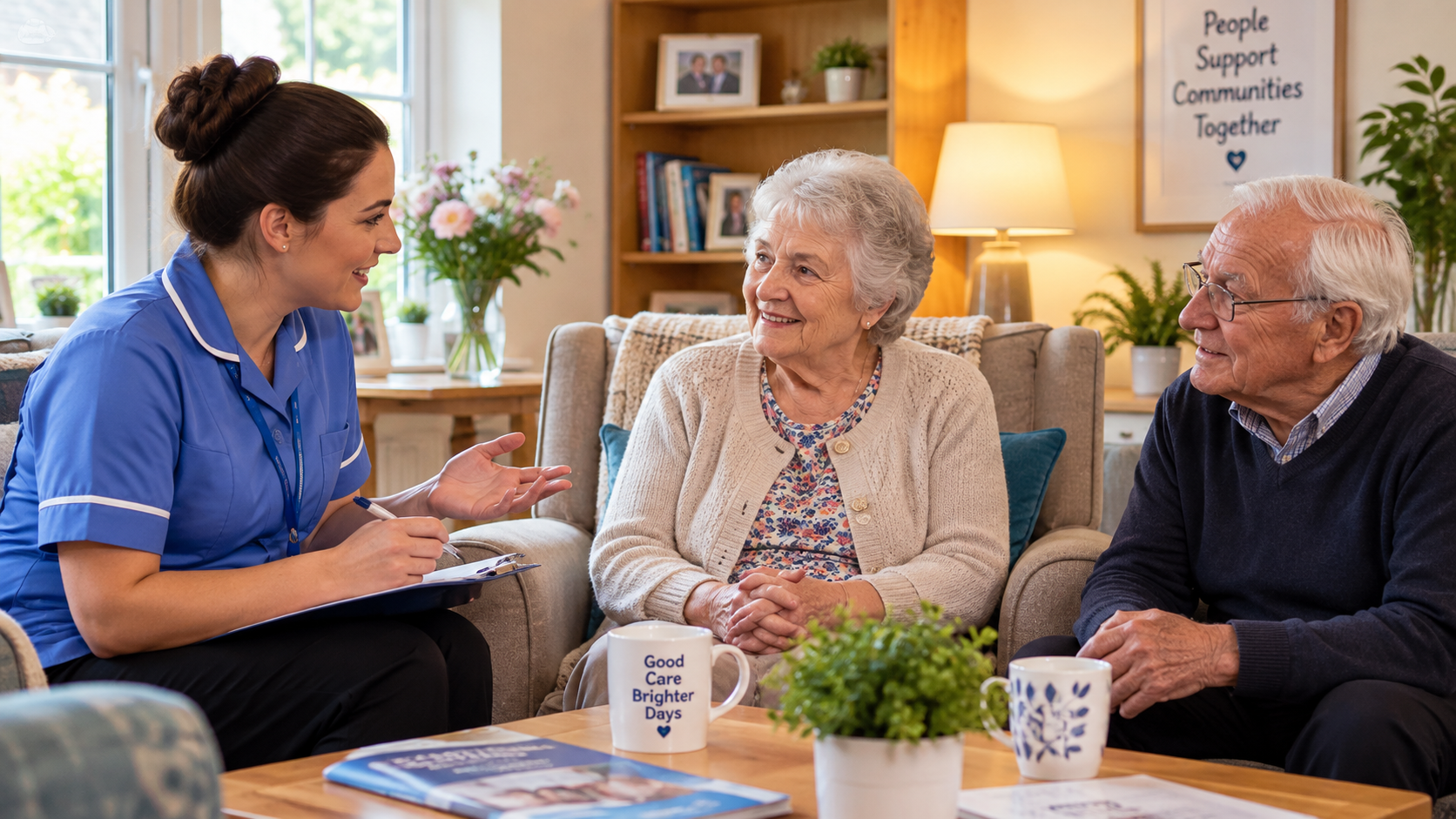
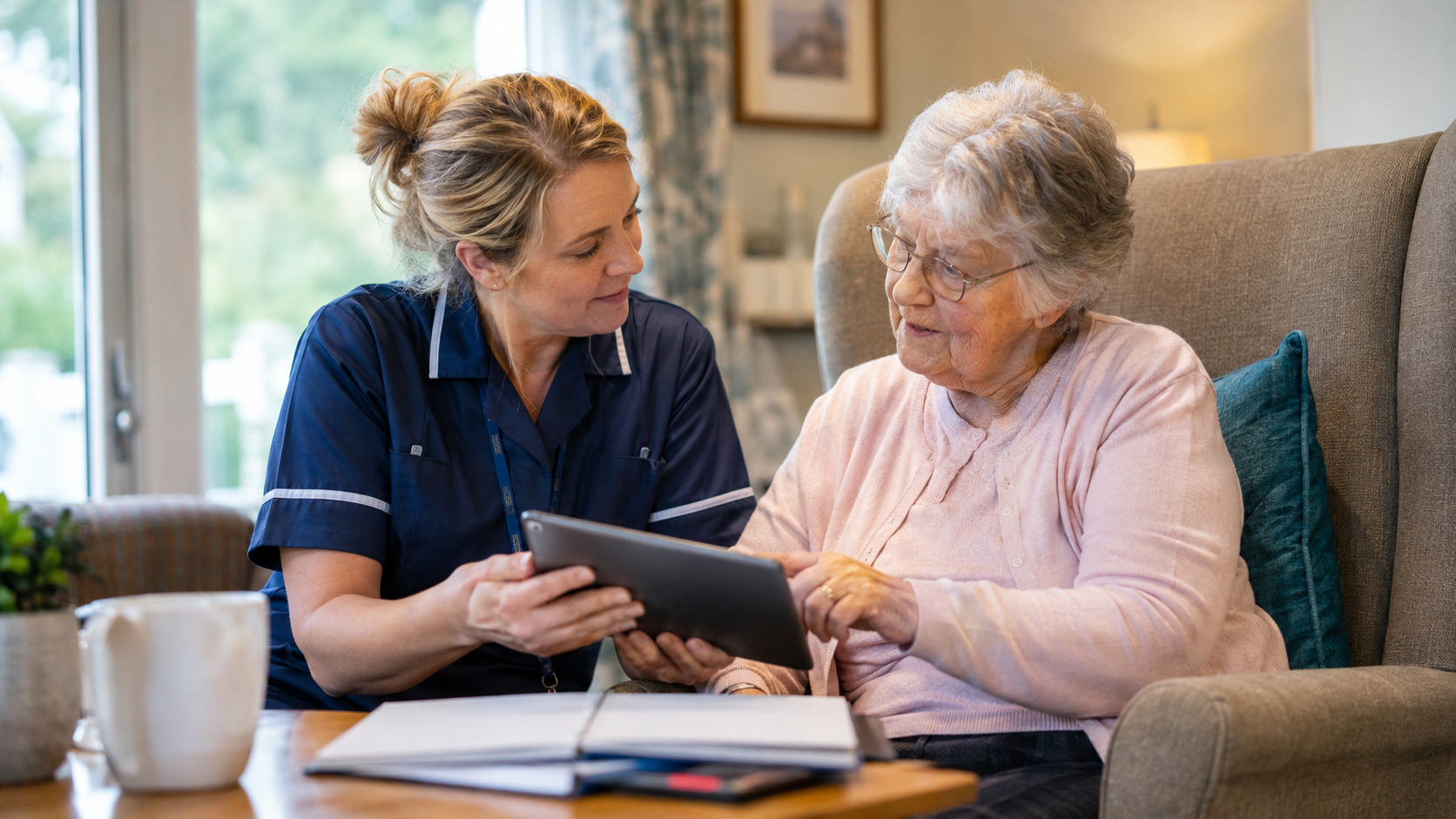
Have you ever sat with an anxious patient, offering only a calm presence and a steady hand, and felt a moment of profound understanding without a single word being exchanged? In health and social care, these silent moments are not just comforting—they are foundational. Non-verbal communication is the unspoken heartbeat of every patient interaction, a critical skill that builds trust, conveys empathy, and often reveals what words cannot.
Non-verbal communication conveys emotions, intentions, and empathy without speech, making it a core element of effective care in health and social settings.
In this blog, you’ll explore the different forms of non-verbal communication, real-life care scenarios, cultural considerations, and tips to improve your skills. By reading this, you will gain actionable strategies to enhance your observational skills, ensure your non-verbal signals match your words, and ultimately build stronger, more therapeutic relationships with those in your care.
What is Non Verbal Communication in Health and Social Care?
Non-verbal communication is everything we express without using words. It includes facial expressions, gestures, eye contact, posture, and even silence. In health and social care, these signals often speak louder than speech.
You use it every day—when you nod to show understanding or smile to comfort someone. A calm tone or gentle touch can ease anxiety. These small actions build trust with patients and clients.
In care settings, people may struggle to speak. That’s where non-verbal cues become essential. They help us understand needs, emotions, and reactions.
We don’t just hear with our ears—we listen with our eyes and actions too. This form of communication is always happening, even when we don’t realise it.
Why is Non Verbal Communication So Crucial in Health and Social Care?
Non-verbal cues are vital because they build trust. A warm smile or a calm tone makes people feel safe with you. This trust is the foundation of all care.
Furthermore, these silent signals often reveal true feelings. A patient might say they’re fine, but their tense posture says otherwise. You can then address their unspoken worries.
This leads to better understanding and much stronger support. It helps you connect with anyone, even if words are hard for them. Ultimately, it is key to providing truly compassionate and effective care.
If you’re looking to build stronger care skills and deepen your understanding of these essential interactions, a course like the Health and Social Care Level 3 Diploma can be a great step forward. It covers essential communication techniques that help improve both patient care and professional growth.
Types of Non-Verbal Communication

Non-verbal communication is a broad language, made up of many different signals people use to express themselves. Understanding these distinct types helps us to better “read” and connect with patients and clients.
Facial Expressions
The face is incredibly expressive. A person’s expressions can instantly show you if they are feeling pain, joy, sadness, or confusion, even if they don’t say a word. Observing these cues is vital for understanding a person’s true emotional state.
Eye Contact
Making appropriate eye contact is a powerful way to show that you are present and listening. It builds trust and a sense of connection. Conversely, a person avoiding eye contact might signal shyness, discomfort, or anxiety.
Body Language
Our posture and how we hold our bodies send clear signals. For example, leaning in toward a person can show interest and empathy. On the other hand, a person with crossed arms or a tense posture might be feeling closed off or defensive.
Hand Gestures
Hand movements often add to our words or can be used alone to convey meaning. Simple gestures like a reassuring pat on the arm or a wave can provide clarity and comfort, especially when there are language barriers.
Touch
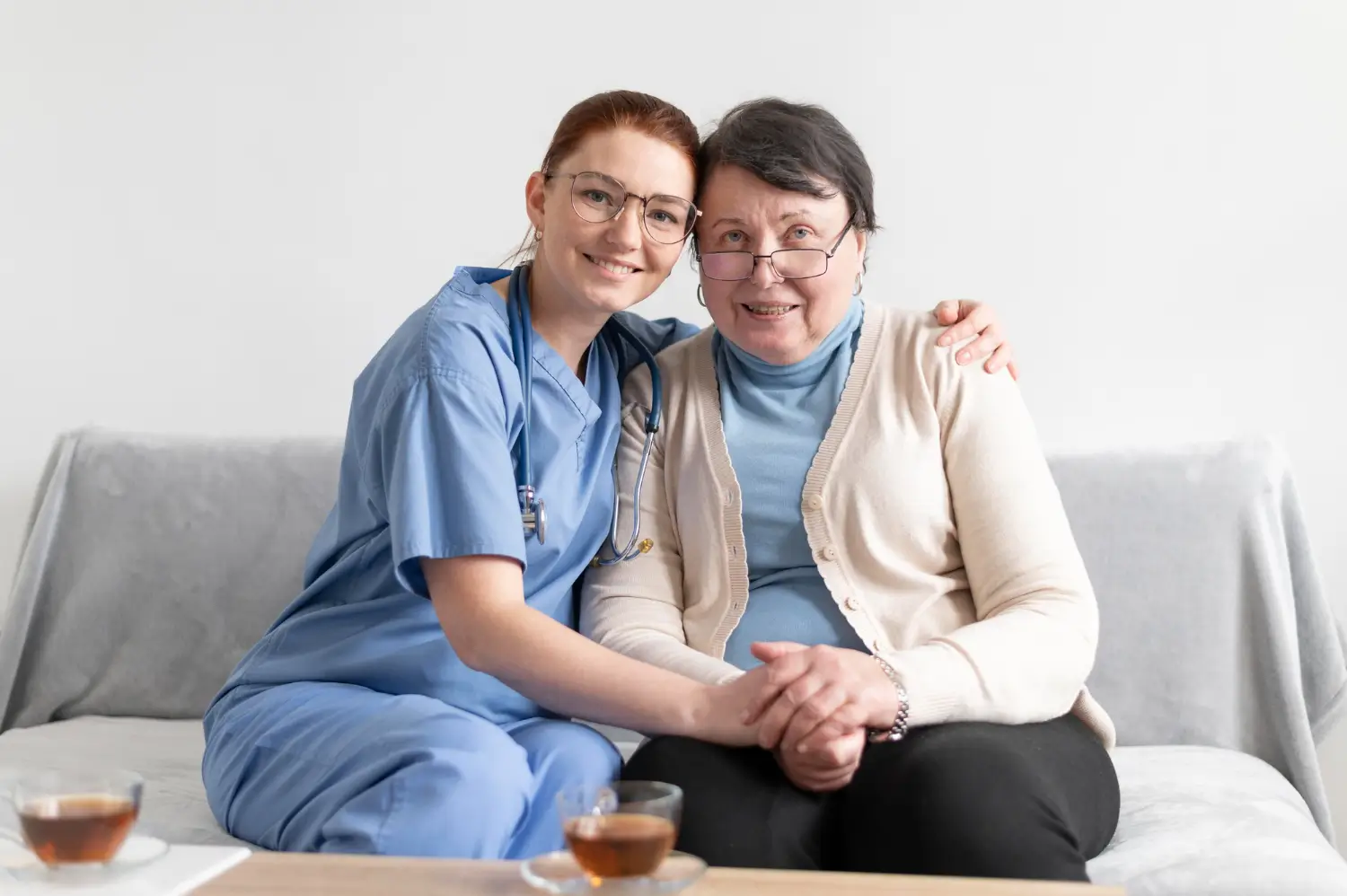
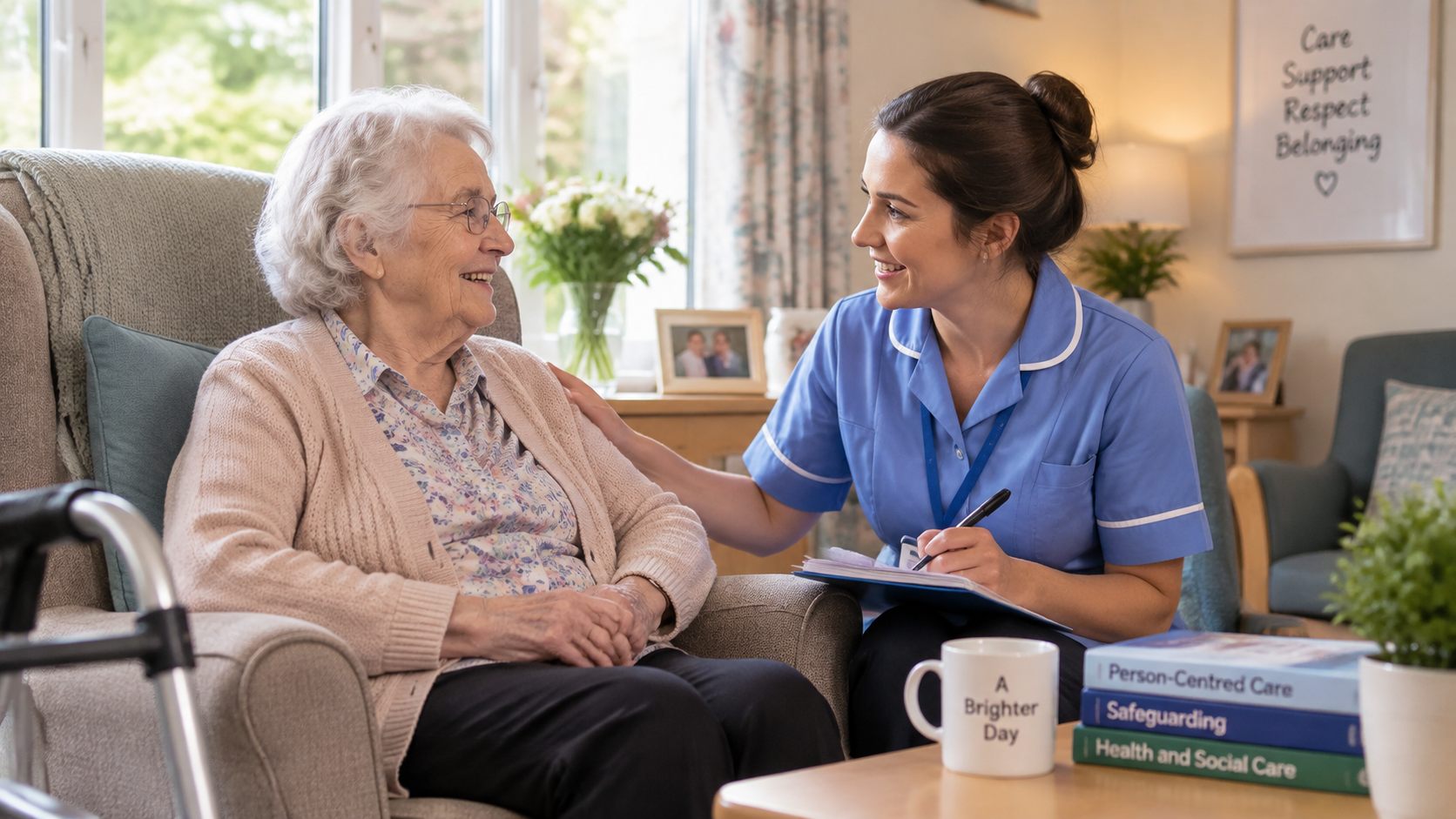
An appropriate and gentle touch is a profound form of communication in caregiving. A hand on the shoulder or a pat on the back can convey empathy, support, and care, making a person feel safe and seen.
Environment
The physical space a person is in can also communicate volumes. A well-organised and calm room might suggest a sense of control, while a cluttered or unkempt space could be a sign of emotional distress or a person’s inability to cope.
Importance of Non-Verbal Communication in Health and Social Care
Non-verbal communication plays a key role in how we support and connect with others. Studies show that non-verbal communication accounts for 60% to 90% of total communication in a social encounter. Here’s why it matters so much in care settings:
1. Builds Trust and Comfort
A warm smile or gentle tone can help people feel safe. It shows you care and are there to help. This is often more powerful than words.
2. Supports Those Who Can’t Speak
Some people may struggle to talk due to illness, disability, or age. In these moments, non-verbal cues are essential. They help you understand their needs and feelings.
3. Helps You Notice Changes
You can often spot pain, fear, or discomfort by looking at someone’s face or body. These signs help you respond quickly. This improves the quality of care.
4. Improves Emotional Support
Non-verbal actions show empathy and kindness. A gentle touch or calm presence can ease stress. It helps people feel understood, even without words.
5. Strengthens Team Communication
In busy care environments, we don’t always have time to speak. Quick looks, hand signals, or body posture help staff work together smoothly.
Challenges and Barriers to Non-Verbal Communication
Non-verbal communication is powerful, but it’s not always easy to get right. Sometimes, it can be misunderstood or missed completely.
1. Mixed Messages
You might say one thing, but your face or tone says another. This can confuse the person you’re caring for. It’s important to keep your words and actions in sync.
2. Personal Bias or Misreading
We all see things differently. You may think someone is angry, but they’re just tired. That’s why it’s important not to jump to conclusions.
3. Cultural Differences
Some gestures or eye contact mean different things in other cultures. What feels normal to you might feel rude to someone else. So, it’s good to be aware and respectful.
4. Physical Barriers
Face masks, gloves, or screens can block facial expressions or touch. These tools protect us, but they also make it harder to connect. We need to adjust how we communicate.
5. Emotional States
If you’re stressed or tired, your body language might show it. Others can pick up on this, even if you don’t mean to. That’s why self-awareness is so important.
Non-Verbal Communication Strategies

Good non-verbal skills don’t just happen. You can build them with practice and care. Here are some simple strategies that work in real care settings.
1. Be Present and Focused
Pay full attention when you’re with someone. Put away distractions and make eye contact. This shows that you care.
2. Match Your Body Language
Make sure your face, tone, and posture match your message. A calm voice with a relaxed stance helps people feel safe. Avoid crossed arms or looking away.
3. Use Gentle Touch Wisely
A light touch on the arm or hand can comfort someone. But always check if it’s okay first. Not everyone feels safe with physical contact.
4. Observe Before Reacting
Watch for small cues like a frown or restlessness. These signs can tell you a lot. Respond calmly and kindly.
5. Be Culturally Aware
Learn about different customs and body language. What feels normal to you might not feel right to others. Respect personal space and different ways of showing emotion.
6. Practice Active Listening
Show you’re listening without talking. Nod, smile, and keep eye contact. These small actions mean a lot.
Importance in Multidisciplinary Teams
In health and social care, we don’t work alone. You often work with nurses, doctors, therapists, and support staff. That’s why non-verbal communication matters within the team too.
1. Supports Quick Understanding
A look or nod can say a lot during busy times. You don’t always need words to get your point across. This helps things run smoothly.
2. Reduces Misunderstandings
Clear body language and eye contact can prevent confusion. It helps everyone stay on the same page. This is key when decisions need to be made fast.
3. Builds Respect and Trust
The way you carry yourself shows professionalism. It shows others that you’re focused and reliable. This builds stronger working relationships.
4. Helps During Stressful Situations
In high-pressure moments, words can get lost. But calm gestures and steady presence help the team stay focused. It keeps the environment safer for everyone.
A Special Focus: NVC with Vulnerable Groups

Non-verbal communication (NVC) plays a vital role when working with people who may have difficulty expressing themselves. Let’s look at how you can better connect with different vulnerable groups using simple and respectful non-verbal cues.
1. Children
Children often rely more on non-verbal signals than adults. They may not have the words to express emotions or needs clearly.
Key Strategies:
- Use warm facial expressions to make them feel safe.
- Stay at their eye level to avoid looking intimidating.
- Use gestures like waving or pointing to guide them.
- Keep your tone soft and friendly.
2. Older Adults
Older adults, especially those with hearing loss or dementia, may struggle with verbal communication. NVC helps bridge that gap.
Key Strategies:
- Maintain eye contact to show focus and respect.
- Speak clearly and use calm hand movements to support your words.
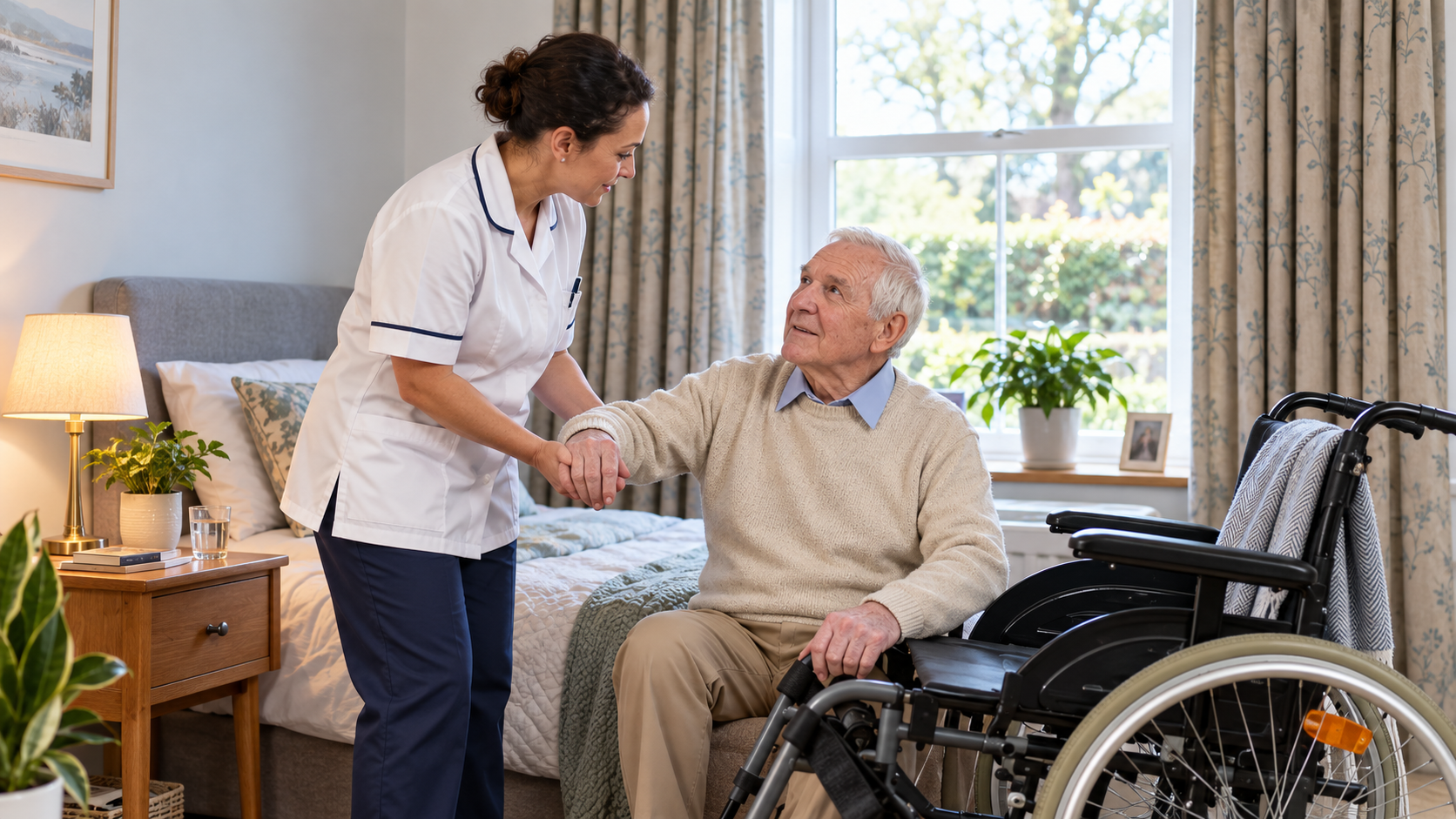
- Offer physical support gently (e.g., arm or hand) only when appropriate.
- Smile and use open body language to create comfort.
3. People with Disabilities
People with physical, sensory, or learning disabilities often communicate in different ways. Observing their cues closely is essential.
Key Strategies:
- Use visual aids or sign language if needed.
- Watch for unique gestures or movements they use to express themselves.
- Be patient and avoid rushing the interaction.
- Mirror their pace and tone to match their comfort level.
4. People with Mental Health Needs
People facing anxiety, depression, or trauma may be sensitive to tone, touch, or body language. Calm and non-threatening communication is crucial.
Key Strategies:
- Keep a relaxed posture to reduce pressure.
- Avoid sudden movements or loud tones.
- Use steady eye contact, but allow space when needed.
- Listen with empathy, using nods or gentle facial responses.
Conclusion
Non-verbal communication is more than gestures or expressions—it’s how we connect when words are not enough. In health and social care, it helps you build trust, offer comfort, and respond with empathy, especially when working with vulnerable people.
By being more aware of your body language, eye contact, tone, and presence, you improve the quality of care. Every small action matters—because even in silence, you’re still saying something.