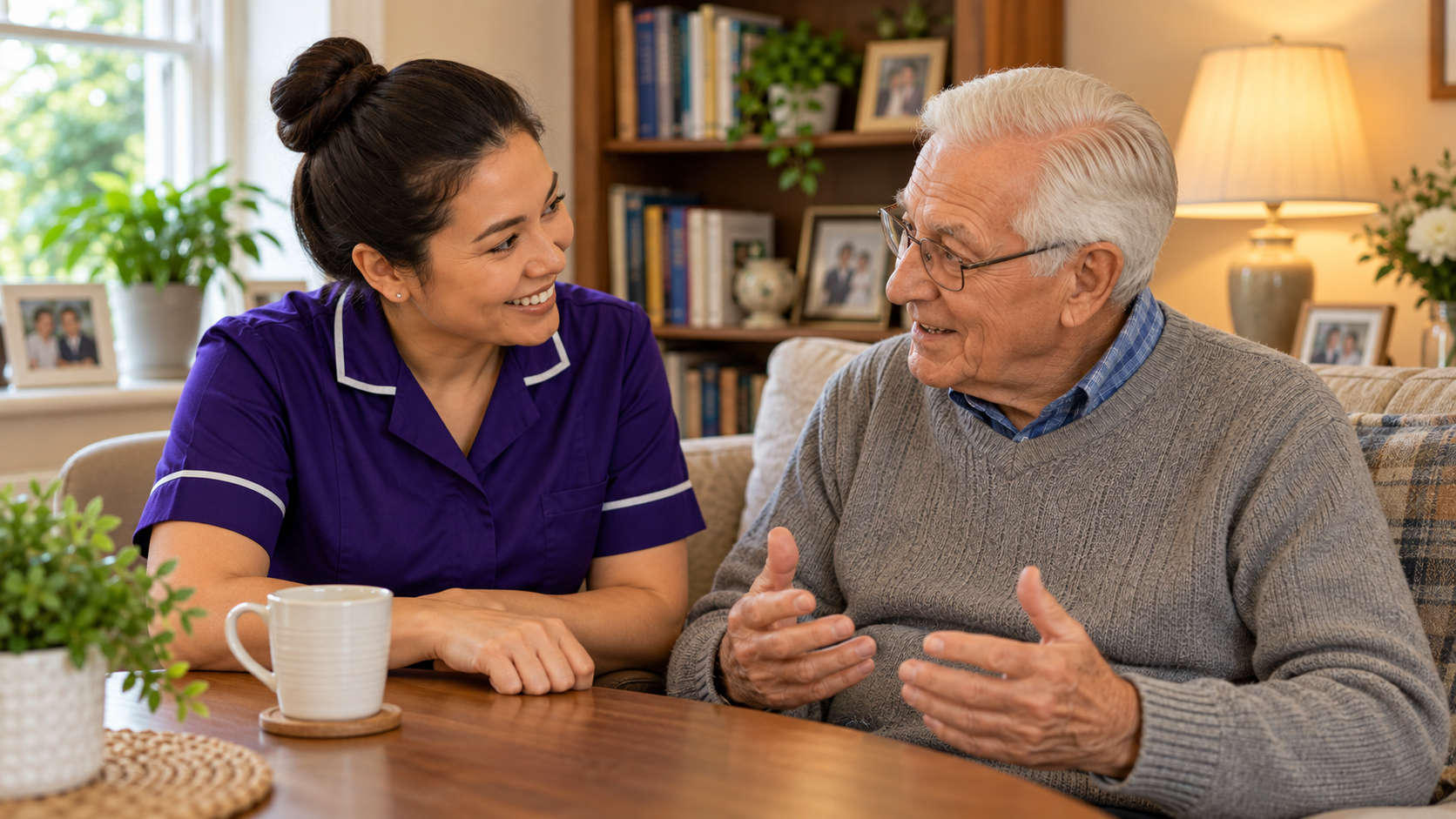
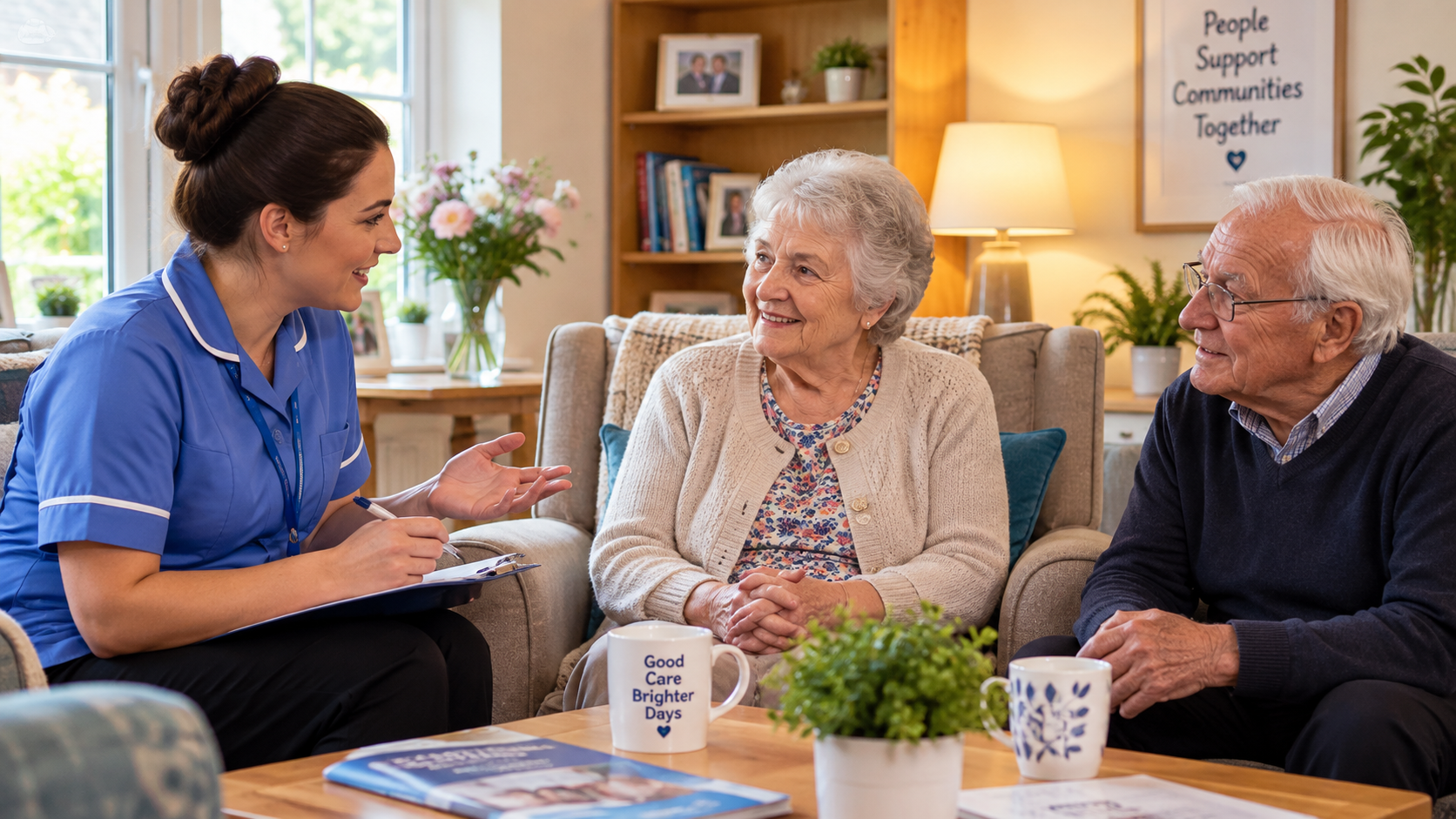
Have you ever witnessed a caregiver handling a difficult situation with calm and empathy, turning a stressful moment into a positive one? Well, that’s the power of mental health training in caregiving.
According to the NHS, mental health issues in older adults are on the rise, with many residents experiencing anxiety, depression, and loneliness. For caregivers, understanding how to handle these challenges has now become an essential.
In 2025, mental health training for caregivers has never been more important. It equips caregivers with the skills to provide more compassionate and effective care, improves communication with residents, and helps maintain their emotional wellbeing. This training enhances the quality of care and creates a more supportive, harmonious environment for both staff and residents.
Curious to know more about mental health training? Keep reading to learn how these vital skills not only improves the care you provide but also make every interaction more meaningful and supportive.
In this blog, you’ll discover:
- Why mental health training is a priority in care settings
- How it can transform caregiving practices
- Practical resources available to improve your skills in this crucial area
Why Mental Health Training for Caregivers is Essential in 2025

The Growing Need in 2025
As we enter 2025, the demand for skilled caregivers is higher than ever. More and more residents, especially in care homes, are facing mental health issues like anxiety, depression, and dementia. In the UK, over 850,000 people live with dementia, and this number is expected to rise to over 1 million by 2025, according to NHS Digital. The Alzheimer’s Society also notes that 1 in 4 older adults in care homes experience mental health challenges, including depression and anxiety.
With more people needing mental health support, it’s important that caregivers are trained to handle these issues. Mental health training is now essential for caregivers to ensure they can provide the right care and support to residents. Proper training helps caregivers understand and address these challenges with compassion, ensuring that residents feel safe and supported.
This training not only improves the quality of care but also helps caregivers manage their own stress and provide better care overall.
Support for Caregivers
Mental health training for caregivers is crucial for managing the high levels of stress that often come with the job. The demanding nature of caregiving, combined with the emotional weight of supporting individuals with mental health issues, can lead to burnout and fatigue. In 2025, the rise in care demands and complex resident needs makes it even more important for caregivers to have the tools and techniques to cope effectively. Mental health training equips them with stress management strategies, helps reduce the risk of burnout, and ultimately leads to better job satisfaction. With the right skills, caregivers feel more confident and supported, which is essential for long-term retention in the sector.
Better Care Outcomes
When caregivers are trained in mental health, the benefits extend far beyond just the caregiver’s well-being. Residents, especially those with mental health conditions, receive a higher standard of care that prioritises their emotional and mental well-being.
According to research by The King’s Fund, proper training helps caregivers engage with residents more effectively, improving their overall care experience. This training ensures that residents feel heard, valued, and understood, fostering a stronger sense of trust and security in their care providers. Ultimately, this leads to improved emotional well-being, greater satisfaction with care, and a better quality of life for those being cared for in 2025.
The Importance of Mental Health Training in Social Care

Mental health challenges are rising among older adults, and caregivers are the first to witness this. In 2025, more care home residents are experiencing anxiety, depression, and other mental health issues. As a result, mental health training for caregivers is at its most crucial.
Improving Caregiver Confidence
One of the key benefits of mental health training is the boost in caregiver confidence. With proper training, caregivers gain the knowledge to handle mental health challenges more effectively, which makes them feel more competent in their roles.
The result? It translates into more informed decision-making and a better understanding of how to support residents during times of emotional distress. As a result, caregivers are more capable of providing quick, appropriate responses, creating a safer and more stable environment for residents.
Enhancing Care Quality and Emotional Wellbeing for Residents
As caregivers gain confidence, the quality of care they provide improves. Mental health training empowers caregivers to offer more compassionate and personalised care. With an understanding of each resident’s emotional needs, caregivers can respond with empathy, ensuring that residents feel heard, respected, and understood.
This not only improves the emotional wellbeing of the residents but also reduces anxiety and loneliness. The stronger the bond between caregiver and resident, the better the overall outcomes for both parties, fostering trust and improving the quality of life for those receiving care.
Reducing Caregiver Stress and Burnout
In addition to enhancing care quality, mental health training plays a significant role in reducing caregiver stress. When caregivers are not trained to manage mental health challenges, they can feel overwhelmed by the emotional demands of the job.
However, with the right training, caregivers gain effective strategies for handling difficult situations, which reduces stress and prevents burnout. As caregivers learn to navigate challenging behaviours or emotional episodes, they feel more supported in their roles, leading to higher job satisfaction and improved retention.
Building Stronger Caregiver-Resident Relationships
Finally, mental health training helps strengthen the relationship between caregivers and residents. By understanding mental health better, caregivers are able to engage with residents more effectively, creating an atmosphere of trust and respect.
This connection leads to a sense of security for the resident, encouraging them to participate in their own care and communicate their needs. As a result, caregivers not only provide better care but also develop meaningful relationships with residents, improving the overall care environment.
Health and Social Care Level 3 Diploma
Enrol in our CPD Accredited - Level 3 Diploma in Health and Social Care today and gain the essential skills to provide compassionate and effective care.
How Mental Health Training Enhances the Quality of Care in 2025
Holistic Approach
Mental health training helps caregivers see beyond physical care and focus on the whole person. In 2025, caregivers are trained to address residents’ emotional and psychological well-being, as well as their physical needs. This holistic approach means caregivers consider every part of a resident’s health—mental, physical, and social—when providing care. It ensures that each resident receives care that respects their entire being, making them feel valued and supported.
Improved Caregiver-Resident Relationships
When caregivers are trained to understand mental health, it strengthens the bond between them and the residents they care for. They can recognise signs of emotional or psychological distress and respond with empathy and understanding. This builds trust and encourages better communication, making residents feel heard and respected. The result is a better care experience, where residents feel more comfortable and confident in their care.
Reduced Incidents and Crisis Management
Mental health training also helps caregivers manage crises calmly and effectively. By learning to recognise early signs of stress or agitation, caregivers can address issues before they escalate into bigger problems. This reduces incidents such as outbursts or physical confrontations, creating a safer and more peaceful environment. In turn, caregivers feel more confident, and the care home or healthcare setting operates more smoothly for everyone.
Real-Life Examples of Mental Health Training in Action in 2025
1. Enhancing Dementia Care Through Staff Training
A study published in BMJ Open in 2023 evaluated the effectiveness of dementia education and training on health and social care staff in the UK. The research found that training improved staff knowledge, attitudes, and confidence in dementia care. Notably, the study identified that training content and pedagogical factors significantly influenced these outcomes. This underscores the importance of well-designed training programs in enhancing care quality for individuals with dementia.
2. Mental Health First Aid Training Leading to Life-Saving Intervention
In a real-world application, a staff member from Care Network Cambridgeshire, after undergoing Mental Health First Aid training delivered by CPSL Mind, utilized his newfound skills to support an individual in crisis. This intervention not only provided immediate assistance but also potentially saved a life, demonstrating the practical benefits of mental health training in care settings.
3. Person-Centred Care Implementation Across Care Homes
A multiple case study conducted across seven care homes in South West England explored the implementation of person-centred care. The study involved interviews with residents, family members, and care professionals, alongside non-participant observations. Findings highlighted the positive impact of person-centred approaches on resident well-being and staff satisfaction, emphasizing the value of comprehensive training in fostering a supportive care environment.
How to Access Mental Health Training for Caregivers in 2025
Online Courses and Resources
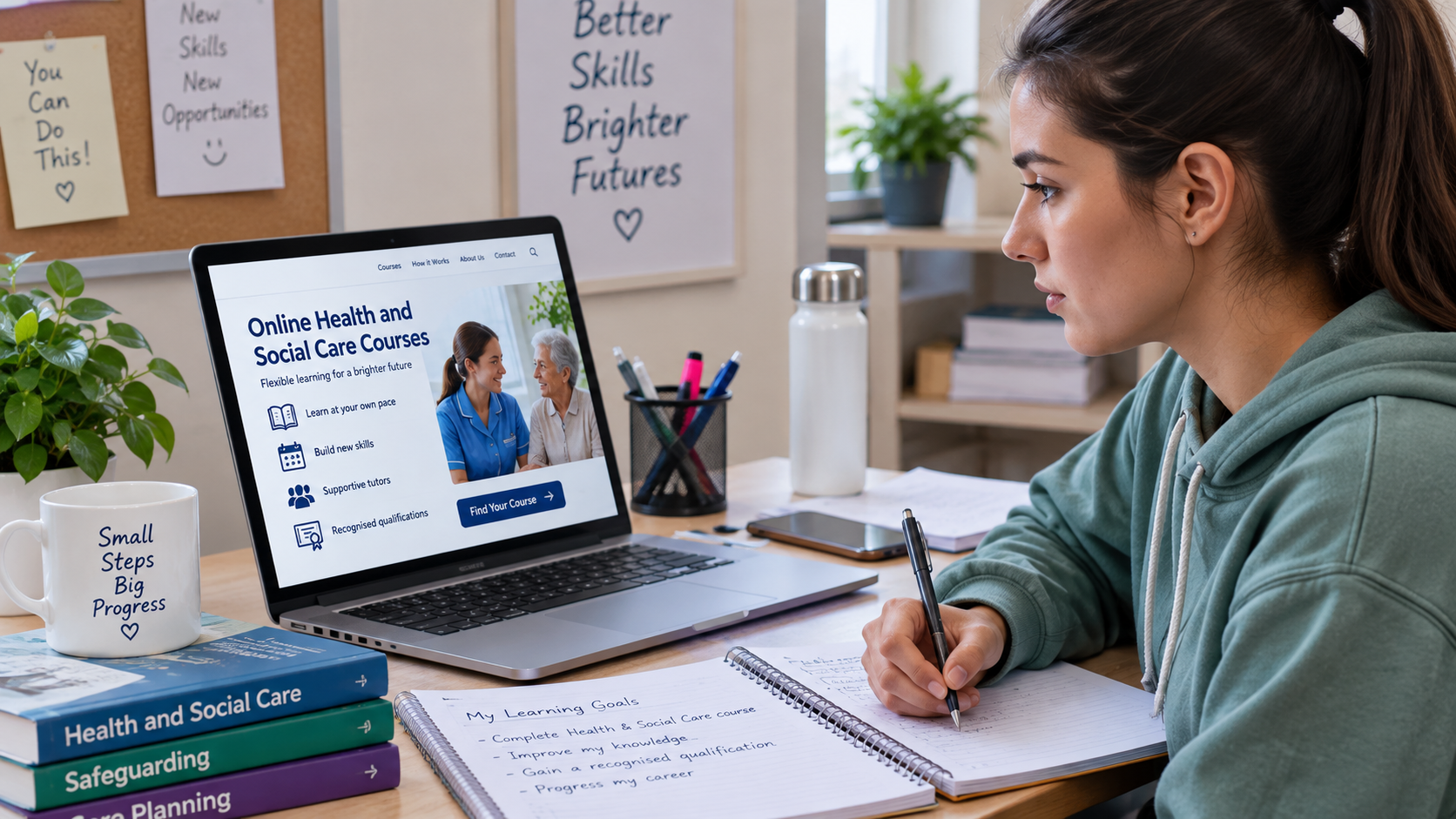
There are more opportunities than ever for caregivers to access online mental health training. Many providers offer flexible courses that can be completed at your own pace. These online courses cover various aspects of mental health care, from recognising signs of depression and anxiety to providing emotional support to residents.
For caregivers aiming to formalise their training, qualifications like the Level 3 Diploma in Health and Social Care and Level 5 Diploma in Health and Social Care now incorporate mental health training as part of the curriculum. These diplomas are designed to equip caregivers with the skills needed to manage various mental health conditions, recognise early signs of distress, and create person-centred care plans. By completing these diplomas, caregivers not only gain essential knowledge but also enhance their credentials for career advancement in 2025.
Workplace Training Programs
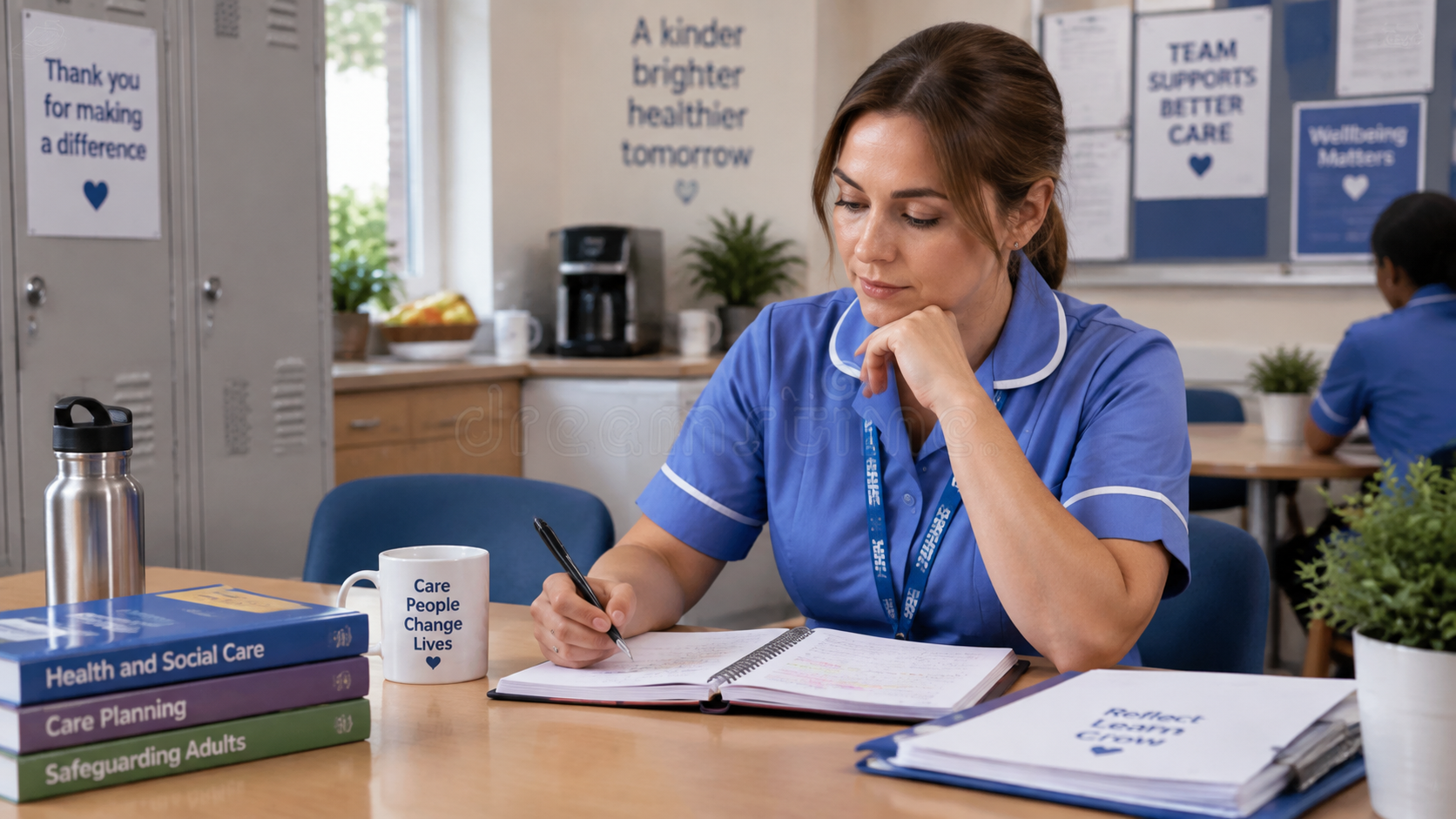
Employers also play a vital role in providing mental health training to their staff. Many care settings are collaborating with mental health professionals to offer workshops and seminars for their employees. These programs focus on practical techniques for handling mental health challenges, stress management, and maintaining emotional wellbeing.
Offering workplace training ensures that caregivers have the support they need to care for both themselves and the residents they work with. It also fosters a positive work culture, where staff feel empowered and confident in handling mental health issues as they arise.
FAQs
Why is mental health important for caregivers?
Mental health is essential for caregivers as it enables them to manage stress, provide better care, and maintain their wellbeing.
Why is mental health more important than ever?
Mental health is crucial now due to increasing care demands and rising mental health challenges among those in care.
Why is mental health training important?
Mental health training helps caregivers understand and manage emotional challenges, ensuring better care and communication with residents.
Why is caregiver education important?
Caregiver education equips staff with necessary skills, improving care quality and boosting caregiver confidence.
Why is it important for people to learn about mental health?
Learning about mental health reduces stigma, fosters empathy, and helps identify issues early for better support.
What is the most important skill for a caregiver?
Empathy is the most important skill, as it helps caregivers connect, support, and understand the needs of residents effectively.
Final Words
In 2025, mental health training is no longer a luxury—it’s a necessity for caregivers. As care needs grow, equipping caregivers with the right skills is essential for improving both their wellbeing and the care residents receive.
According to Dr. Elizabeth Wells, a mental health expert, “Training in mental health not only benefits caregivers but transforms the care environment, fostering trust, compassion, and enhanced care outcomes.”