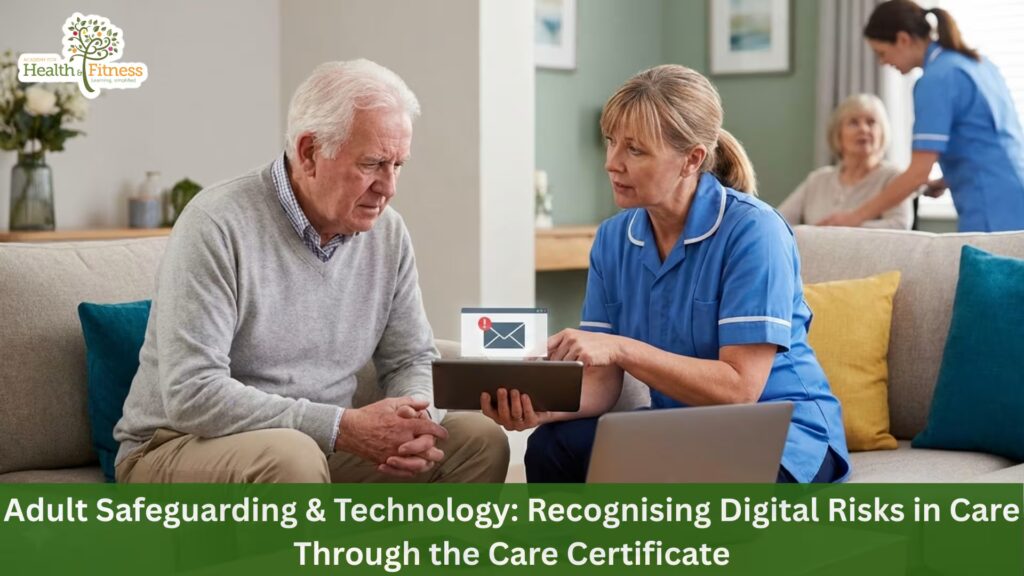




What Adult Safeguarding Means in the Digital Age

Adult safeguarding means protecting adults at risk from abuse, neglect, or harm, wherever and however it occurs. According to Skills for Care, safeguarding ensures that every person has the right to live free from abuse, with dignity and respect. It applies not only to physical safety but also to emotional, financial, and now, increasingly, digital wellbeing.
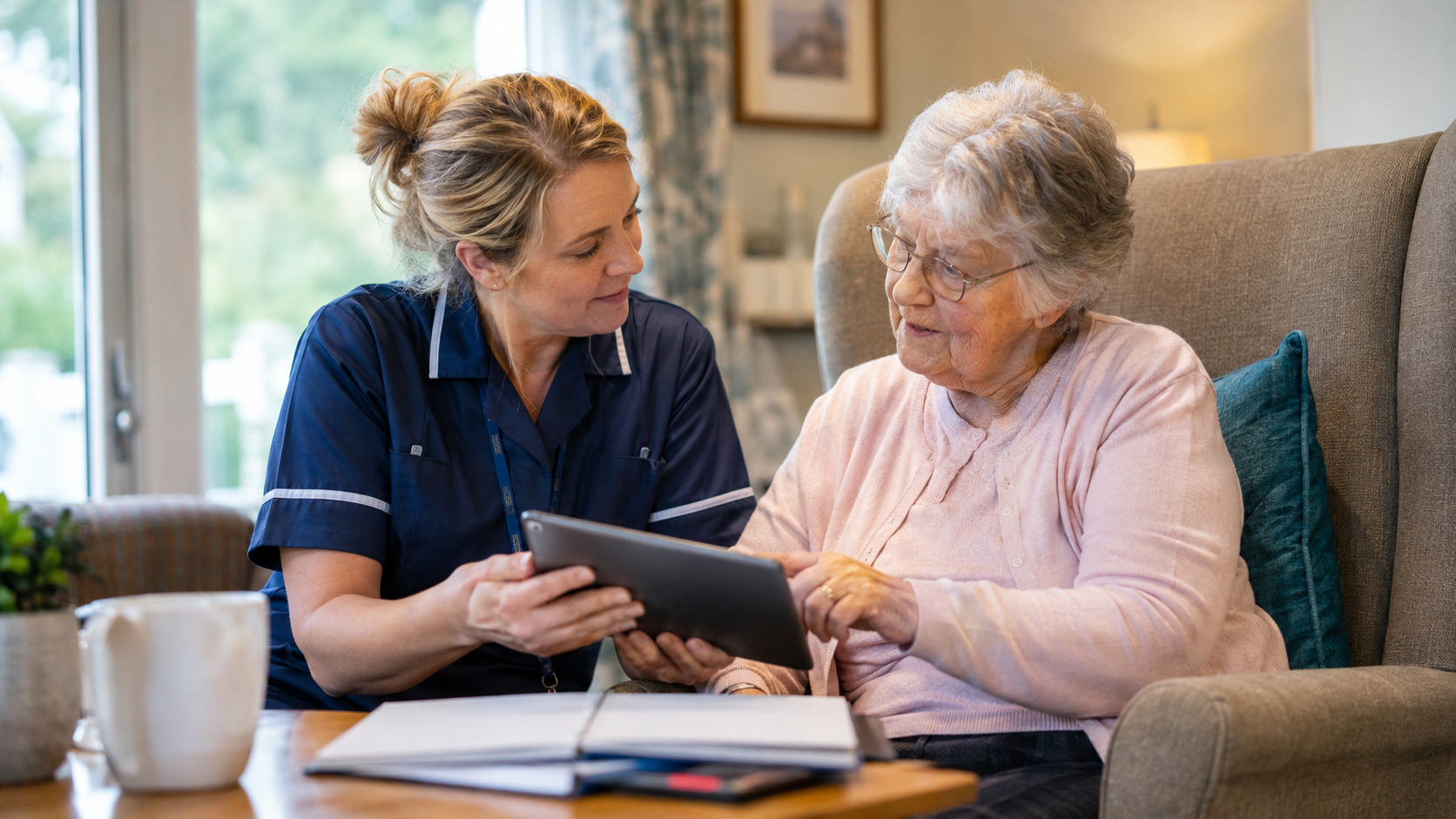
In today’s care settings, technology plays a major role in daily support — from electronic records to communication apps and monitoring systems. Yet with these tools come new forms of vulnerability.
Digital risks may include:
- Data breaches that expose personal health or financial details.
- Misuse of devices, such as taking or sharing photos without consent.
- Unclear consent for digital monitoring or smart sensors in private spaces.
- Social isolation when technology replaces meaningful human contact rather than enhancing it.
These are not just technical issues — they are safeguarding concerns. A carer who overlooks a privacy setting or fails to explain how data is stored could unintentionally breach someone’s right to safety and autonomy.
Person-centred care now extends beyond the physical environment. It includes how information is managed, how technology is used, and whether digital interactions respect a person’s rights, dignity, and empowerment. Being “safe” today means being digitally safe, too.
Under Standard 10: Safeguarding Adults of the Care Certificate, every care worker has a duty to recognise, report, and prevent abuse in all its forms — including those that arise through technology. The goal remains unchanged: protect the individual, preserve trust, and ensure that safety is never compromised, online or offline.
Digital Risks in Care Settings: What to Watch For
Digital risks in care settings include data breaches, social media misuse, smart devices recording without consent, and weakly protected care systems. These aren’t distant problems — they’re everyday issues in modern care. A missed logout, a shared tablet, a quick photo sent to the wrong chat — and privacy can disappear in seconds.
Technology has become part of care’s daily rhythm. Staff use apps to record notes, families check in online, and sensors track wellbeing. But when these tools are used carelessly, or without clear consent, they create new routes for harm. Safeguarding now means thinking about both the person and the device.
Common Digital Risks
- Unauthorised access to care records. Shared logins, unlocked screens, or unsecured Wi-Fi can expose sensitive information.
- Smart devices used without consent. Cameras, microphones, and sensors that record or monitor people who haven’t agreed.
- Misuse of social media or messaging apps. A photo, a comment, or a quick update that breaks confidentiality.
- Poorly configured technology. Missed alerts, faulty devices, or unmonitored systems leading to neglect.
- Data loss or hacking. Devices that are lost, stolen, or attacked online, risking personal and medical data.
A care home introduced shared tablets to record residents’ medication and meals. It made admin faster — until one record was left open on-screen. Another staff member walked past and saw private health details by accident. No harm intended, but harm done all the same. One oversight became a breach of trust.
Who’s Most at Risk
People who rely on others for support often face the highest digital risks. Adults with limited capacity who may not understand digital consent. Those living with dementia, who can’t always express discomfort. Or individuals with low digital literacy, unsure how to protect their information.
Under Care Certificate Standard 10, safeguarding now means protecting people’s privacy in both physical and digital spaces. The challenge is the same as ever — keep people safe — but the tools, and the risks, have changed.
The 2026 Care Certificate Update — What’s Changed for Digital Safeguarding
The 2026 Care Certificate update, released in March by Skills for Care and Skills for Health, quietly reshaped what it means to keep adults safe in a digital world. The refresh doesn’t just talk about online risks — it builds digital safeguarding directly into Standard 10: Safeguarding Adults. That means every care worker, from entry-level to senior, now has clearer guidance on how technology can both protect and endanger the people they support.
So, what’s actually changed? A lot more than you might think.
Key Enhancements for Digital Safeguarding
- Clearer definitions of digital abuse and technology-related risks. The update now names issues like unauthorised data sharing, online scams, and misuse of smart devices as safeguarding concerns.
- New outcomes on information governance, device security, and data privacy. Staff must understand how to handle information safely — from setting passwords to storing records securely.
- Digital risk awareness embedded in everyday training. Safeguarding isn’t a one-off session anymore; it’s something every care worker practices daily, whether recording notes or using assistive tech.
- Greater focus on consent and transparency. The update stresses that digital monitoring or data collection must always be explained clearly and agreed upon. People have a right to know how technology affects them.
- Guidance on bypassing technology safely. Workers are encouraged to know when not to use tech — when a face-to-face conversation or handwritten note protects privacy better.
According to Skills for Health (2026 Care Certificate update PDF), these changes aim to make digital safety “as fundamental to safeguarding as recognising physical or emotional abuse.” It’s a recognition that care today isn’t only hands-on — it’s also online.
The message is simple but powerful: technology should never compromise care. The 2026 update ensures it supports it — safely, transparently, and always with the person’s best interest at heart.
Safe Use of Technology in Care — Best Practice Framework

Technology should make care safer, not riskier. But that only happens when it’s used with structure, consent, and common sense. The Care Certificate 2026 update builds this idea into Standard 10, showing that safeguarding now includes how we use tech — not just whether we use it.
Good digital practice isn’t complicated. It’s about knowing the rules, applying them consistently, and keeping the person — not the system — at the centre of every decision.
Policies & Procedures
Every care setting needs clear policies for digital use. Who can access what? How is data stored? When is technology appropriate? These questions should never be left to guesswork. Make sure staff understand policies on device use, password security, and reporting digital breaches. If it’s written down, it’s more likely to be done right.
Device Management
Shared tablets, care apps, smart sensors — all useful, all risky if unmanaged. Devices must have secure logins, regular software updates, and a clear record of who uses them. Outdated systems are open doors for errors or hacks. Keeping tech clean and current isn’t optional; it’s part of safeguarding.
Consent & Privacy
Adults in care have the right to know when and how technology is used around them. Always explain what a device does and why it’s needed. A quick, simple conversation can protect dignity far more effectively than a long policy document. Consent isn’t a box to tick — it’s an act of respect.
Monitoring & Alerts
Tech can help keep people safe. Sensors, alarms, and digital monitors save lives when used properly. But there’s a line — they must support independence, not replace it. Use alerts to assist care, not to control it. Always balance safety with autonomy.
Training & Awareness
Even the best systems fail without skilled, alert staff. Training on digital safeguarding should include recognising warning signs — unusual messages, privacy concerns, or misuse of apps — and knowing how to report them. Everyone in care plays a role in keeping technology safe.
Example in Practice
A care home installs motion sensors to alert staff if a resident leaves bed at night. One evening, the system pings — a resident is awake. The night team doesn’t just rely on the tech; they respond in person, check the resident, and adjust the support plan. Technology guided the action, but human care made it effective.
Used well, technology enhances safety and confidence. Used carelessly, it creates risk. The framework for safe digital practice isn’t about removing tech — it’s about making sure people stay at the centre of it.
Recognising and Reporting Digital Abuse or Harm
Digital harm is a safeguarding issue. When technology is misused — unauthorised monitoring, covert recording, phishing, online exploitation — it becomes abuse. It breaches privacy, removes choice, and damages trust. Under Care Certificate Standard 10, you’re expected to spot it early and act.
Signs to watch
Changes often whisper before they shout. Look for:
- Unusual device behaviour or usage patterns—logins at odd times, new apps, deleted histories.
- Confusion about how tech is used—the person can’t explain why a camera is on, or who can view data.
- Unexplained charges or communications—premium texts, in-app purchases, scam emails, new “friends.”
- Loss of control of personal data—shared passwords, public social posts, location tracking the person didn’t agree to.
What to do (aligns with Standard 10)
- Observe – Notice the concern. Stay curious, non-judgemental.
- Record – Write clear, factual notes: what you saw, when, device involved, exact messages or screens if relevant.
- Escalate – Report promptly to the safeguarding lead/manager per policy. If there’s immediate risk, follow emergency procedures.
Support – Reassure the person. Explain what happens next. Review consent, reset passwords, secure devices, update the care plan.
Example in practice
A family member spots a smart speaker in their mother’s room. It’s recording conversations; no one asked for consent. Staff listen, document the concern, and notify the safeguarding lead. The device is unplugged, consent status reviewed, and an action plan agreed: remove non-essential recording tech, update digital-use consent forms, brief all staff on privacy. Outcome: risk reduced, rights restored, trust rebuilt.
Digital safeguarding isn’t anti-tech. It’s pro-person. Recognise harm, report fast, and keep dignity at the centre.
Balancing Technology with Human Respect and Dignity

Technology can support care, but it can’t feel it. A device can track steps, measure sleep, or log medication — but it can’t read emotion. It doesn’t notice the quiet sigh, the nervous smile, or the look that says, “I’m not okay.” That’s where human judgement, empathy, and presence still matter most.
Digital systems must never replace genuine connection. Every use of technology in care should begin with one question: Does this help the person, or just the process?
Good Practice for Balancing Tech and Humanity
- Always check that tech use is part of a person-centred plan. It should reflect individual consent, comfort, and goals — not convenience for staff.
- Ensure technology doesn’t isolate the person. A tablet or alert system should connect, not confine. People still need real voices, real eyes, real touch.
- Use technology as an enabler, not a watcher. Smart tools should support independence and safety — never act as silent surveillance without reason or explanation.
Under Standard 10 of the Care Certificate, safeguarding isn’t just about protection — it’s about respect. Dignity, trust, and choice sit at the core of every good decision. Technology can help us do more, but humanity reminds us why we do it.
Inclusive Practice and Digital Equity in Safeguarding
Not everyone benefits equally from technology. Some people glide through apps and devices with ease. Others — older adults, those with learning disabilities, or people living with dementia — can find it confusing or even distressing. That’s the digital divide, and in care, it’s more than an inconvenience. It’s a safeguarding concern.
When someone doesn’t fully understand a digital tool, they can’t give true consent. They might agree to something they don’t mean to, or feel left out when others use tech they can’t manage. Inclusive practice means spotting these barriers early and removing them, not expecting people to just “keep up.”
Best Practice for Digital Inclusion
- Accessible training. Offer hands-on help so individuals and families can understand the devices used in their care.
- Simplified technology. Choose tools with clear layouts, large text, and audio or visual prompts — not complicated dashboards.
- Consent in plain language. Replace jargon with everyday terms. If someone can’t consent digitally, record that and use alternative safeguards.
- Freedom to opt out. No one should be forced into using tech that makes them anxious or uncomfortable. Choice is part of dignity.
- Cultural and language awareness. Provide translated materials or culturally sensitive examples when explaining digital care tools.
- Disability-friendly design. Check compatibility with screen readers, adaptive keyboards, or voice controls.
Inclusive digital safeguarding means designing care that fits the person, not the other way around. It’s about giving everyone the same right to privacy, choice, and safety — no matter how tech-savvy they are.
Reflective Practice, Supervision & Continuous Improvement in Digital Safeguarding

Good digital safeguarding isn’t static — it grows with reflection, conversation, and learning. Every care setting uses technology differently, so it’s important to pause and ask honest questions: What digital risks have we faced? How did we respond? What can we do better next time? Reflection turns experience into improvement.
The Power of Reflective Practice
Regular reflection helps care workers understand both successes and mistakes. It’s not about blame — it’s about awareness. When staff reflect on a data breach, a consent issue, or even a positive tech outcome, they start to see patterns and make safer choices in future. Small insights often prevent big problems later.
Supervision as a Safeguarding Anchor
Supervision plays a key role in keeping digital safeguarding consistent. A one-to-one meeting is the perfect space to talk through concerns, review new risks, and share learning across the team. Managers can check that policies are followed, training is up to date, and staff feel confident using digital tools safely. Supervision turns policy into practice.
Staying Ahead of Emerging Tech Risks
Technology never stands still. New tools — from smart home sensors to AI-driven monitoring — bring new benefits and fresh risks. Ongoing training keeps teams alert to issues like data handling in cloud systems, cyber threats, and digital ethics. Continuous learning ensures care staff stay prepared, not reactive.
Linking Back to the Care Certificate
This approach reflects the Care Certificate’s wider focus on professionalism and personal development. Standard 10 doesn’t exist in isolation — it ties to every standard about trust, competence, and accountability. Reflective practice keeps digital safeguarding alive and relevant.
Modern safeguarding isn’t just about knowing what went wrong. It’s about asking, What can we do better next time? That’s how care stays safe, responsible, and ready for the future.
Conclusion
The 2026 Care Certificate update brings safeguarding into the digital age — clearer guidance, stronger accountability, and practical tools for recognising risk in modern care. It reminds us that protecting adults now means guarding both their personal safety and their digital privacy.
Yet the heart of safeguarding hasn’t changed. Awareness, empathy, and respect still lead the way. Technology may evolve, but kindness remains the best safeguard of all — awareness creates safer, kinder care.