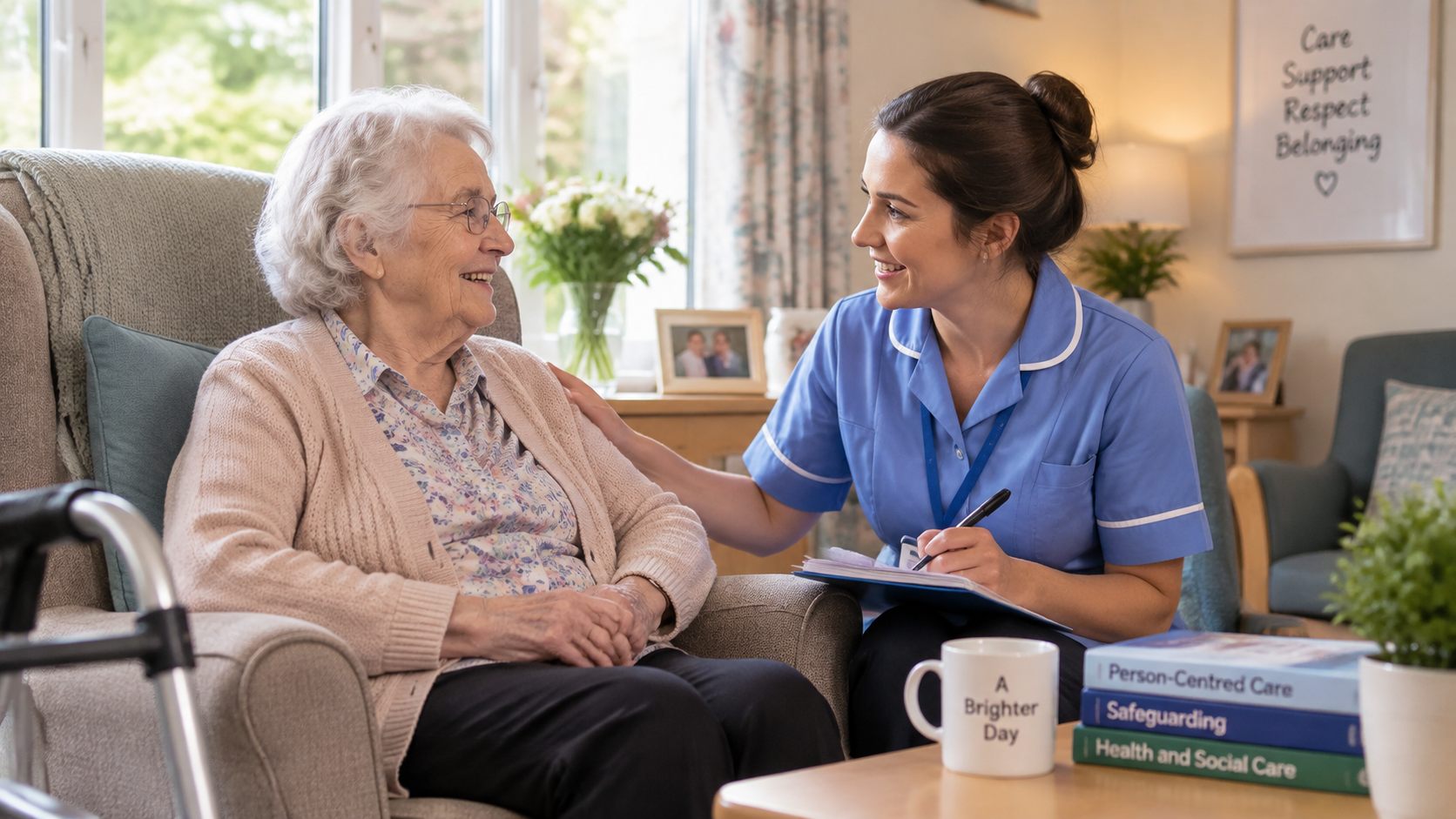
Have you ever seen a resident’s face light up during a song they remember, or a craft they once loved? Moments like these aren’t just heart-warming—they’re essential. According to the Alzheimer’s Society, regular engagement in stimulating activities can ease anxiety and reduce loneliness—especially for people living with dementia.
Meaningful activities in care homes include anything that brings joy, purpose, or comfort—like arts and crafts, music sessions, memory-based storytelling, gardening, or simple one-to-one conversations. Each activity should reflect the resident’s preferences, abilities, and personal history.
Here’s what you’ll get from this blog:
- A clear definition of meaningful activity in care
- Real-life examples grouped by type
- Tips for adapting activities to individual needs
- Advice for improving wellbeing through engagement
So, let’s hop right in, because keeping minds and hearts active is the real ‘care’ in care homes.”
What Are Meaningful Activities in a Care Setting?
Meaningful activities are not just about keeping residents busy. They’re about connecting with each person’s identity, history, and interests. These can be creative, social, physical, or reflective. What matters most is that the activity brings purpose and enjoyment.
Care homes offer a wide range of these activities, from arts and crafts to light gardening. The goal is always the same: to support care home residents in staying mentally and physically active, socially connected, and emotionally supported.
If you’re working in care or planning a career in adult social care, it’s important to understand how to apply these principles. The Level 3 Diploma in Health and Social Care covers key strategies that help personalise care planning and activity delivery in line with individual needs.
The Importance of Meaningful Activities in Care Homes for Elderly People
Meaningful activities give elderly residents a reason to look forward to each day. These activities support routine, offer joy, and provide a sense of purpose, especially for those who may feel disconnected or withdrawn.
They also contribute to better mental and physical health outcomes. Engaging in small, everyday tasks can promote independence and build confidence.
According to a Care Quality Commission report, care homes that integrate activities into daily routines see higher levels of satisfaction among residents and lower reports of loneliness.
Social activities like group games, shared meals, or singing circles offer more than entertainment. They promote teamwork, build friendships, and reduce loneliness.
When residents engage socially, their wellbeing often improves. This can positively impact their outlook and increase satisfaction with their living environment.
Those pursuing leadership or management roles in care settings may find the Level 5 Diploma in Health and Social Care especially useful for learning how to lead teams in creating activity-rich environments that prioritise wellbeing and dignity.
Health and Social Care Level 3 Diploma
Enrol in our CPD Accredited - Level 3 Diploma in Health and Social Care today and gain the essential skills to provide compassionate and effective care.
Real Examples of Meaningful Activities in Care Homes
Here are a variety of practical, effective activities in care homes, organised by type, that promote wellbeing, engagement, and personal fulfilment:

1. Creative Activities
- Arts and Crafts: Painting, knitting, collage making, or clay modelling allow creative expression, improve fine motor skills, and foster a sense of achievement. Group projects like murals or seasonal decorations also promote teamwork.
- Life Story Projects: Creating personalised memory books, digital timelines, or photo displays celebrates residents’ journeys and encourages storytelling.
- Cooking and Baking: Making simple recipes such as scones or traditional dishes stimulates the senses, fosters independence, and evokes comforting memories.
2. Sensory and Reflective Activities
- Reminiscence Sessions: Use memory boxes, old photographs, music, or scents to spark past memories. This activity is especially beneficial for residents with dementia.
- Sensory Activities: Scented oils, textured fabrics, light displays, and soft music provide calming engagement for residents with advanced dementia.
- Spiritual and Reflective Activities: Prayer sessions, guided meditation, or listening to calming music support emotional and spiritual wellbeing.
- Pampering Sessions: Hand massages, skincare, or mini-manicures offer relaxation, dignity, and positive self-image.
3. Social and Group Activities
- Reading and Poetry Groups: Shared reading or poetry recitals encourage discussion, memory recall, and emotional connection.
- Music and Movement: Group singing, using percussion instruments, or chair-based dancing enhance coordination and mood.
- Film and Documentary Clubs: Weekly screenings of resident-chosen films provide entertainment and a sense of routine.
- Themed and Cultural Days: Celebrating holidays, national days, or heritage events brings community spirit and personal pride.
4. Physical and Nature-Based Activities
- Gentle Gardening: Tasks such as planting, watering, or tending to raised beds connect residents with nature and offer a calming routine.
- Exercise Classes: Chair yoga, stretching, or guided movement sessions improve mobility, reduce fall risk, and boost confidence.
- Nature Engagement: Birdwatching, collecting leaves, or outdoor walks help residents feel refreshed and connected to the environment.
5. Technology and Communication
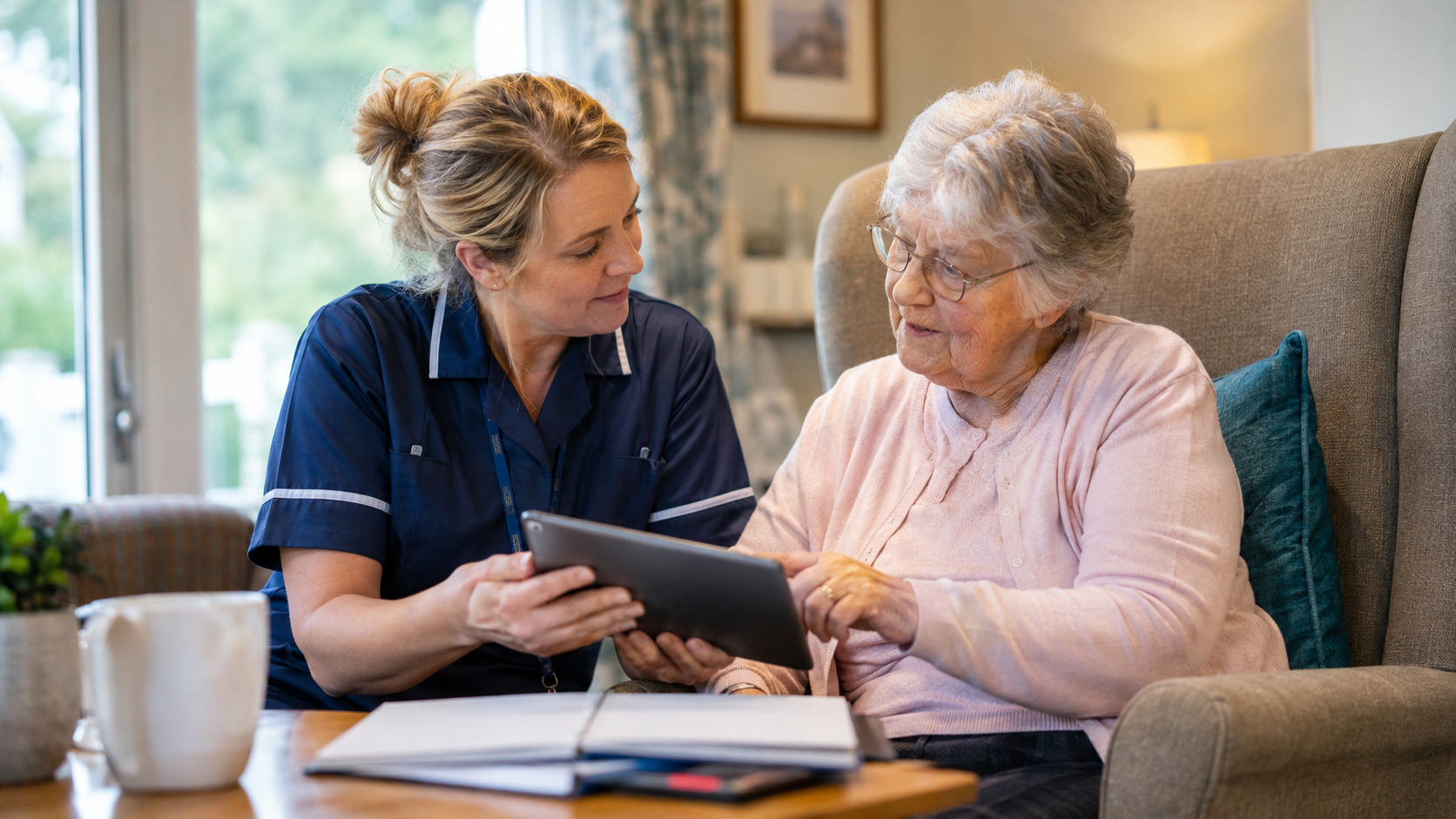
- Technology Sessions: Teaching residents to use tablets for video calls, photo sharing, or games builds confidence and fosters family connections.
- Animal Therapy: Visits from trained therapy animals or robotic pets reduce stress and bring comfort.
Each of these activities can be tailored to match individual interests and care needs, making daily life more engaging, dignified, and fulfilling.
Adapting Activities to Residents’ Needs
Meaningful activities in care should be person-centred. This means adapting to each resident’s interests, physical abilities, and emotional needs.
For example:
- Someone living with dementia may benefit more from sensory activities or repetition.
- Residents with limited mobility might enjoy seated crafts, light hand exercises, or one-to-one storytelling.
- People with visual impairments might connect more with audio experiences or tactile games.
Always involve residents in choosing what they want to do. Shared decision-making encourages autonomy and shows respect for individual preferences.
Understanding how to apply person-centred principles effectively is a key part of many staff training programmes, including the Care Certificate Online Training Course, which helps frontline staff meet the required standards of care practice.
Group Activities That Encourage Connection
Group activities support both social interaction and teamwork. They bring a sense of community to the care home. Ideas include:
- Book or poetry clubs
- Film nights
- Gardening groups
- Singing circles or music quizzes
- Storytelling afternoons
Care staff should rotate roles and encourage quieter residents to join gently. The more inclusive and well-paced an activity is, the more likely it will become a positive habit.
Tips for Delivering Meaningful Activities
Reflective practice is a powerful tool for healthcare professionals, offering a structured approach to examining their experiences, analysing their actions, and learning from their insights. It comes in various forms, from individual journaling to group reflection sessions, each providing unique opportunities for growth and development.
Practical Examples of Reflective Practice:
- Mobile Apps: Utilise mobile apps to record reflections on the go, capturing moments and insights anytime, anywhere.
- Digital Journals: Maintain digital journals for a secure and organised repository of reflections, tracking progress and gaining insights over time.
- E-learning Platforms: Engage in interactive modules on reflective practice through e-learning platforms, enhancing skills and knowledge from anywhere with an internet connection.
- Electronic Health Records (EHRs): Integrate reflective prompts directly into patient records, ensuring insights contribute to improved continuity of care.
By incorporating these practical methods into their professional development, healthcare professionals can unlock the full potential of reflective practice, leading to enhanced skills, improved patient outcomes, and a more fulfilling career.
FAQs
What is meaningful activity in a care home?
A meaningful activity is any action that gives a resident purpose, enjoyment, or comfort—such as painting, gardening, reminiscing, or chatting over tea.
What are examples of meaningful activities?
These include arts and crafts, music sessions, memory boxes, gentle exercise, storytelling, and personalised care tasks that reflect the person’s interests or past routines.
Which of the following are examples of meaningful activity?
All of the following can be meaningful: listening to familiar music, cooking favourite recipes, caring for plants, or joining group discussions.
What are the meaningful activities of daily living?
These are everyday routines like dressing, washing, eating, or folding laundry—especially when done with autonomy, dignity, and personal choice.
What are the physical activities in a care home?
Examples include chair exercises, stretching, walking in the garden, dancing, and light gardening—all of which help maintain mobility and mood.
What are meaningful activities in dementia care?
For those with dementia, sensory experiences, music therapy, memory prompts, and gentle, repetitive tasks offer emotional comfort and mental stimulation.
Final Words
Meaningful activities in care homes improve lives. They help people feel seen, respected, and engaged. Whether it’s a puzzle, a song, or simply a shared cup of tea, small moments have big impact.
If you work in care, support a loved one, or manage a care team, use these examples and ideas to help residents live with joy, dignity, and connection, every day.