

Growth of Online Health & Social Care Education
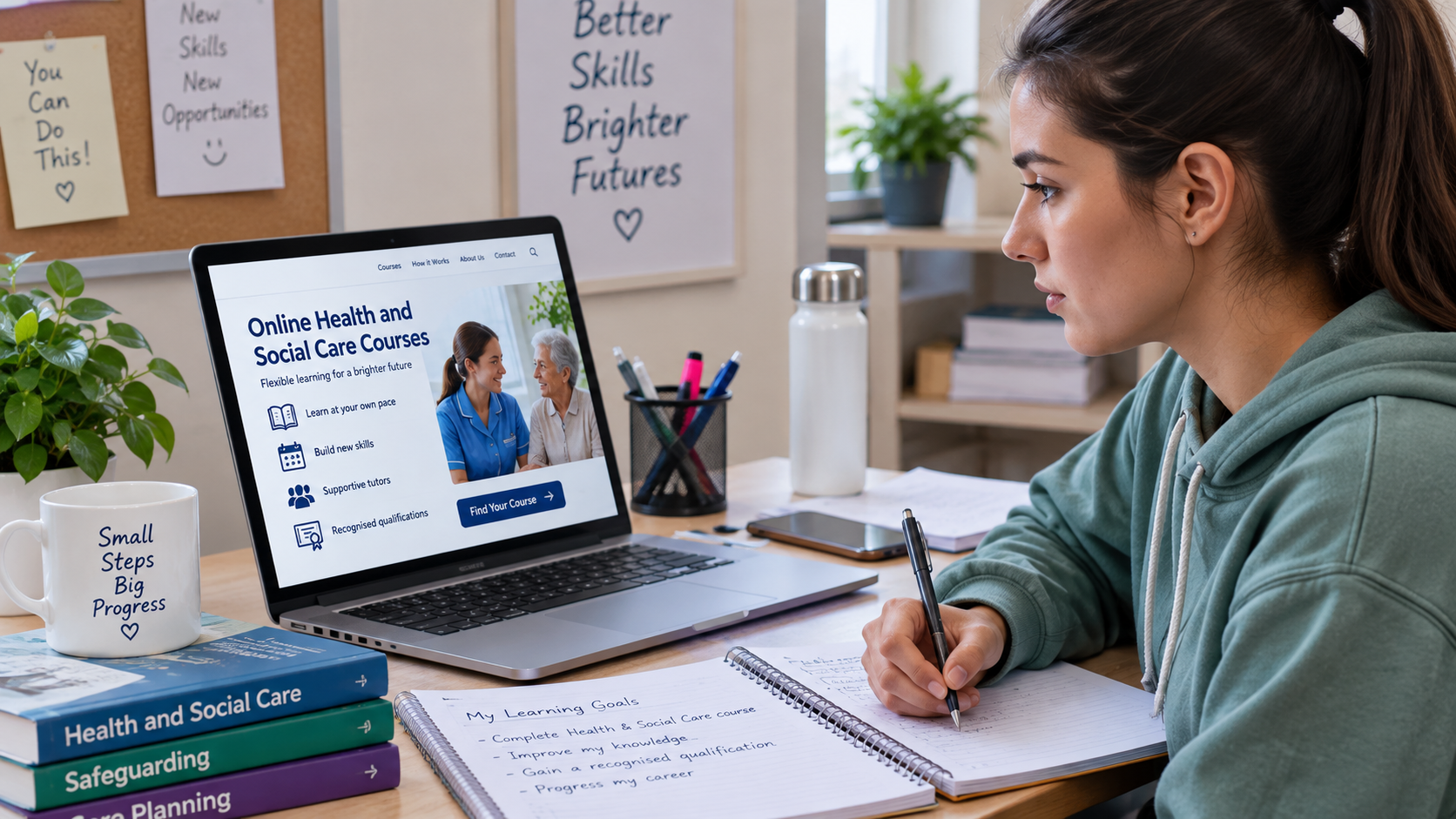
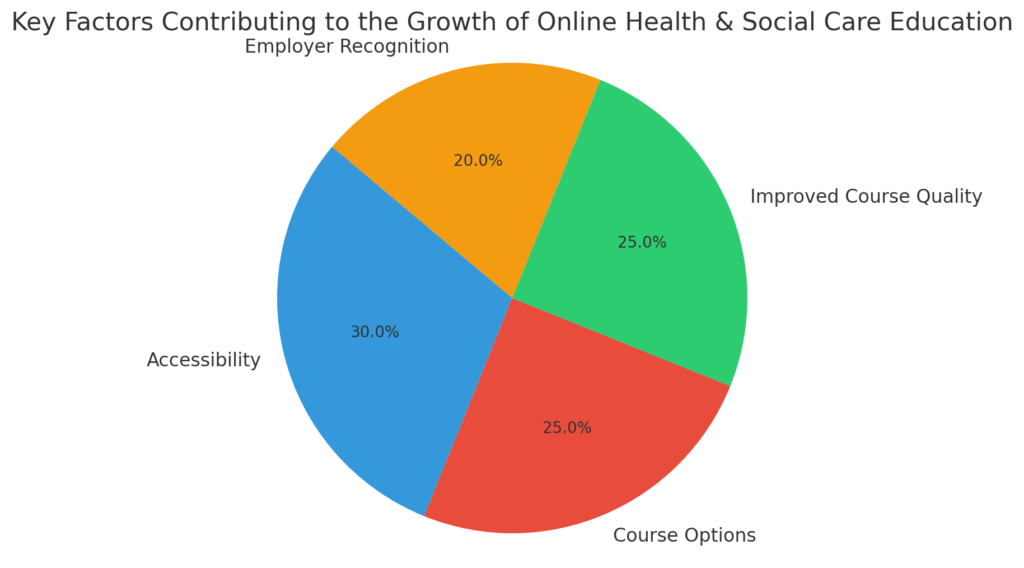
Online education isn’t new. But in health and social care, it’s growing faster than ever. More people are choosing flexible learning paths that fit around work and life. One major reason is accessibility. You no longer need to live near a college or quit your job to study. With a good internet connection, you can learn from anywhere.
The pandemic also changed how we think about education. Remote learning became normal. Many realised it actually works—especially for adult learners. We’ve also seen more course options pop up. From short diplomas to full degrees, there’s something for every level. You can pick what suits your goals and schedule.
What’s more, course quality is improving. Reputable providers now offer structured, interactive programs. Some even include virtual placements or simulation tools. Employers are taking notice too. They’re seeing that skills can be developed online—if the course is credible. That’s shifting old mindsets.
Overall, online education is making it easier for more people to enter the care field.
 Are Online Health and Social Care Qualifications Valid?
This is one of the most common questions people ask. And it’s a fair one. You want to make sure your hard work will be worth it.
The short answer is yes—online qualifications can be valid. But only if the course is accredited and meets industry standards.
You should always check if the course is recognised by a trusted awarding body. In the UK, that could be NCFE, TQUK, City & Guilds, CPD, or QLS (Quality Licence Scheme).
If the provider is approved and the course content matches national guidelines, then it holds real value. Employers care about the quality, not just the format.
So don’t worry about studying online. What matters most is choosing the right course from the right place.
Types of Online Qualifications & Their Acceptance

When it comes to health and social care, online education offers a wide range of qualifications. Not all courses are the same, and it’s important to understand what each type means—and how employers see them.
Let’s break it down:
1. CPD (Continuing Professional Development) Courses
These are short, focused courses. They’re great for learning a specific skill, updating your knowledge, or meeting job requirements. Many employers value CPD training because it shows you’re committed to learning and staying current.
CPD-certified courses are often used alongside other qualifications. While they may not get you a job on their own, they boost your CV and help you grow in your role.
2. Level 2 and Level 3 Courses
These are some of the most popular online qualifications. Level 2 is often an entry-level course, suitable for beginners or those new to care. Level 3 is more advanced and can help you move into supervisory roles.
Most care employers in the UK recognise these levels, especially when they come from well-known awarding bodies like TQUK, NCFE, QLS, or City & Guilds.
3. Diplomas and Accredited Programs
Diplomas offer deeper learning and are usually longer in duration. They can be Level 3, 4, or higher depending on your goals. These are ideal if you want to build a solid foundation or move into management roles.
Many online providers now offer fully accredited diploma courses. If the diploma is backed by a recognised awarding body, employers often treat it the same as in-person study.
4. Online Degrees in Health and Social Care
Some universities now offer full degrees online. These are more intense and take longer to complete. But they’re perfect if you’re aiming for roles in management, social work, or healthcare leadership.
Degrees from accredited universities are fully recognised. The fact that you studied online usually doesn’t make a difference—especially if the program is well-respected.
How Employers View These Qualifications
Most employers don’t mind how you studied. What matters is whether the course was legit, up-to-date, and relevant to the job.
They’ll look for key things:
- Is the course accredited?
- Was it delivered by a trusted provider?
- Does it meet national care standards?
If the answer is yes, your qualification is likely to be accepted.
Bottom Line
Online qualifications come in many forms—each with its own value. Whether you’re starting out or building on what you already know, there’s a course that fits.
Choose one that matches your career goals and meets industry standards. That’s the best way to make sure employers take your qualifications seriously.
Employer Perceptions: Online vs. Traditional Qualifications
Many people wonder if employers still prefer classroom learning over online study. The truth is, views are changing. More employers now care about what you learned—not just how you learned it.
In health and social care, skills matter most. If you can do the job well, most managers won’t worry whether your course was online or in-person. That said, credibility is key. Employers want to see that your course is from a trusted provider. Accreditation still makes the biggest difference.
Some older hiring managers may lean toward traditional study. But even they admit that online learning works—especially for working adults. Online students often show strong time management and self-discipline. That can actually impress employers more than you think.
So yes, there may be some bias in a few places. But overall, the gap between online and traditional learning is closing fast. The main thing is choosing a course that’s recognised, relevant, and well-delivered. Do that, and your qualification will speak for itself.
Online vs. Traditional Qualifications: What Do Employers Think?
Factor | Online Qualifications | Traditional Qualifications |
Flexibility | High – Can study anytime, anywhere | Low – Fixed schedule and location |
Accessibility | Easy access for working adults and parents | May require travel and time off work |
Credibility (when accredited) | Recognised by most employers if from a trusted provider | Widely accepted by default |
Skill Development | Strong in theory and independent learning | Strong in theory and practical settings |
Self-Discipline | High – Shows motivation and time management | Moderate – Structure is provided |
Cost | Usually more affordable | Often more expensive |
Interaction | Limited real-time interaction (unless live sessions included) | Regular face-to-face interaction |
Technology Skills | Often higher due to online platforms and tools | Basic digital skills required |
Employer Acceptance | Growing – Especially for CPD, diplomas, and degrees | Already established and accepted |
Which Employers Actively Recognise Online Credentials?
More and more employers now accept online qualifications. In health and social care, what matters most is your skills—not where you studied.
NHS trusts, private clinics, and care homes often recognise online courses, especially if they’re accredited by CPD, QLS, or NCFE.
Home care agencies and non-profits also value online learning. They look for people who are motivated and ready to work.
Larger organisations are shifting their views too. As long as the course is credible and job-relevant, online study is rarely a problem.
Just be sure to check job listings. Some roles may ask for specific in-person training—but many don’t.
How to Ensure Your Online Qualification Is Employer-Approved

Before you sign up for any online course, it’s important to make sure it’s actually worth your time—and recognised by employers. Not every qualification meets industry standards, so doing a few quick checks can save you from wasting effort. Here’s how to make sure your online course gets the respect it deserves.
1. Check for Accreditation
Start by looking for recognised awarding bodies. Trusted names include CPD, QLS, NCFE, TQUK, and City & Guilds. If a course is backed by one of these, it’s more likely to be accepted by employers.
2. Review the Provider’s Reputation
Visit the provider’s website. See if they clearly list accreditations and course details. If the site looks unprofessional or lacks clear info, be cautious.
3. Read Student Reviews
Look for honest feedback from past learners. Reviews can give you insight into course quality, support, and real-world usefulness.
4. Ask Employers Directly
If you have a specific job or employer in mind, ask them. A short call or email can confirm if they accept the course you’re considering.
5. Match the Course to Your Career Goals
Make sure the course teaches skills relevant to the job you want. If the content fits the role, most employers will see its value—regardless of how it was delivered.
Following these steps will help you choose a course that not only builds your skills but also strengthens your job prospects.
Pros and Cons of Online Health & Social Care Education
Online learning has opened new doors—but it’s not perfect. Let’s look at the good and the not-so-good to help you decide.
Pros
- Flexibility
You can study anytime, anywhere. This is ideal if you’re working or have family duties. - Cost-Effective
Online courses are often cheaper than classroom-based ones. You also save on travel and materials. - Learn at Your Own Pace
You can go fast or slow, depending on your comfort. This gives you control over your learning. - Wide Course Options
There are many subjects and levels to choose from. You’re not limited by where you live.
Cons
- Less Face-to-Face Interaction
You may miss out on in-person support. Some learners find it harder to stay motivated. - Limited Practical Training
Some courses may not include hands-on experience. This could be a drawback for certain care roles. - Requires Self-Discipline
You need to manage your own time. Without structure, it’s easy to fall behind. - Not All Courses Are Recognised
If you’re not careful, you might choose a course that employers don’t accept. Always check accreditation first.
Emerging Trends & the Future of Online Care Education
Online care education is getting smarter and more practical. Courses are now more interactive, using videos, quizzes, and real-world examples.
Blended learning is becoming popular. It combines online study with short placements or hands-on practice.
Virtual simulations are also on the rise. These help you build confidence before stepping into real care settings.
Short, focused lessons—called microlearning—are perfect for busy learners. You can build skills quickly and on your own time.
Looking ahead, online care education will keep growing. As tech improves, so will the learning experience—and employer trust will grow with it.
Conclusion
Online health and social care qualifications are gaining strong recognition in the UK. As UCAS confirms, “Employers accept degrees achieved through distance learning, and view them the same as an identical qualification that was studied on campus”. The critical factors are accreditation and relevance, not the delivery method.
In short, online and traditional routes now sit side by side. If your course is credible, accredited, and matches job needs, you can confidently pursue a rewarding career in health and social care.