

Are you staring down the nursing assistant certification exam and wondering how on earth to cram everything in? You’re not alone. Many trainees feel overwhelmed by the wealth of information and the pressure of passing on the first try. The good news is that there’s a method to the madness, and a solid plan can transform that stress into confidence.
To prepare for your Nursing Assistant Certification Exam, focus on understanding the test format, reviewing key theory topics, practising essential clinical skills and following a clear study routine that strengthens both knowledge and confidence.
Here’s what you’ll discover in this guide:
- Step-by-step prep plan: From understanding the exam format to creating a study routine that works for you.
- Exam content explained: Key topics, required skills and how each section is scored.
- Practical strategies: Tips for tackling the written exam, honing your clinical skills and managing exam-day nerves.
- Resources and support: Study materials, refresher courses and where to find extra help.
How to Prepare for Your Nursing Assistant Certification Exam

. Whether you’ve just enrolled or your exam is in a week, these steps will help you navigate the process:
- Learn the exam format: Start by understanding the two parts of the certification exam: a written knowledge test and a clinical skills test. Knowing what’s ahead will shape your study plan.
- Review your course materials: Use textbooks, class notes and online resources to refresh your understanding of key topics such as infection control, safety, basic nursing skills and patient communication. Practice questions and flashcards can help reinforce learning.
- Set up a study schedule: Break topics into manageable chunks and mix up reading with hands‑on practice. Focus on weak areas but keep revisiting the basics to keep them fresh.
- Practise the skills: The clinical exam requires you to perform tasks such as handwashing, feeding and transferring a patient. Practise with a partner or in a skills lab, following the step‑by‑step guidelines you were taught.
- Simulate the exam: Try timed practice tests for the written portion and perform full run‑throughs of the skills exam. This helps you get comfortable under time pressure.
- Prepare for exam day: Make sure you have the required ID, wear appropriate attire (usually scrubs and non‑skid shoes) and arrive early. Being organised will help calm your nerves.
Understanding the Nursing Assistant Certification Exam

What the Exam Includes
The nursing assistant certification exam is divided into two main parts. The written or knowledge test typically consists of around 60 multiple‑choice questions with a 90‑minute time limit. This section assesses your understanding of topics ranging from safety and infection control to patient rights and basic nursing skills.
The clinical skills test requires you to demonstrate five nursing tasks in front of an evaluator. Handwashing and indirect care are scored during every skills exam, and a computer selects the other three tasks you’ll need to perform. You’re expected to complete your assigned tasks within a timed session, typically around 30 minutes.
How Both Parts Are Scored
Each part is scored separately. In the knowledge test, only scored questions count towards your result; some unscored items are included for exam development purposes. For the skills test, evaluators use checklists to ensure you meet essential checkpoints for each procedure. You must demonstrate proper technique, maintain safety and infection control and communicate effectively with the mock resident.
Eligibility Requirements
Eligibility varies by state or country, but you generally need to:
- Complete an accredited nursing assistant training programme. This usually includes classroom instruction and supervised clinical practice.
- Submit an application and pay the exam fee. Check your local regulatory body for application deadlines and documentation requirements.
- Undergo background checks or health screenings if your region requires them.
Always check your state’s nurse aide registry or regulatory board for specific requirements.

Start With the Exam Blueprint
Before diving into your books, review the official test outline. The written exam covers subjects like personal responsibility, resident rights, communication and teamwork. It also includes promotion of safety, which involves maintaining a clean environment, recognising potential hazards and understanding infection prevention and control. Topics on promotion of function and health cover personal care skills (feeding, bathing, toileting, grooming) and health maintenance. Familiarising yourself with this blueprint helps you prioritise study time.
Setting a Realistic Study Schedule
- Break topics into manageable sections. Instead of tackling entire chapters at once, focus on one category or skill each session.
- Mix theory and practice. Balance reading about procedures with practising them, ensuring you don’t neglect either side.
- Use daily and weekly goals. Short, consistent study sessions keep information fresh and reduce burnout. Adjust your schedule based on work or family commitments.
Study Resources You Should Use
- Textbooks and course notes: These provide the foundation for the exam content.
- Online materials: Websites such as practice exam platforms and official nurse aide sites offer quizzes and simulation questions.
- Flashcards and memory aids: Useful for recalling definitions, procedures and vital signs.
- Videos and skills demonstrations: Watching procedures such as handwashing or catheter care can reinforce the steps.
Refresher courses: If you’re short on time or feel underprepared, a structured revision programme like the Nursing Assistant Diploma Online can provide guidance without being overly sales‑driven.
Mastering the Written Exam
Key Topics to Focus On
The written test covers several core areas:
- Safety and emergency procedures: Understanding potential hazards, fall prevention and restraint alternatives.
- Basic patient care: Feeding, bathing, grooming, toileting and mobility.
- Vital signs and monitoring: Measuring height, weight, blood pressure and recognising signs of distress.
- Patient rights and legalities: Confidentiality, privacy, resident choices and reporting obligations.
- Communication and documentation: Effective interpersonal skills, therapeutic communication techniques and accurate record‑keeping.
Active Study Techniques

- Practice questions: Take sample exams under timed conditions to get used to the format.
- Quizzing yourself: Use flashcards or apps that test recall of definitions and procedures.
- Teach concepts out loud: Explaining procedures or concepts to someone else reinforces your understanding.
- Create acronyms and memory tricks: These can help you remember sequences of tasks or lists of responsibilities.
Common Mistakes Students Make
- Only reading without practising. The exam tests applied knowledge, so practical exercises are essential.
- Avoiding difficult topics. Tackle challenging areas early so you have time to review them again.
- Ignoring timing. Practise within the exam’s time limits to manage pacing on the day.
Preparing for the Skills (Clinical) Test

Understanding the Skills You’ll Be Tested On
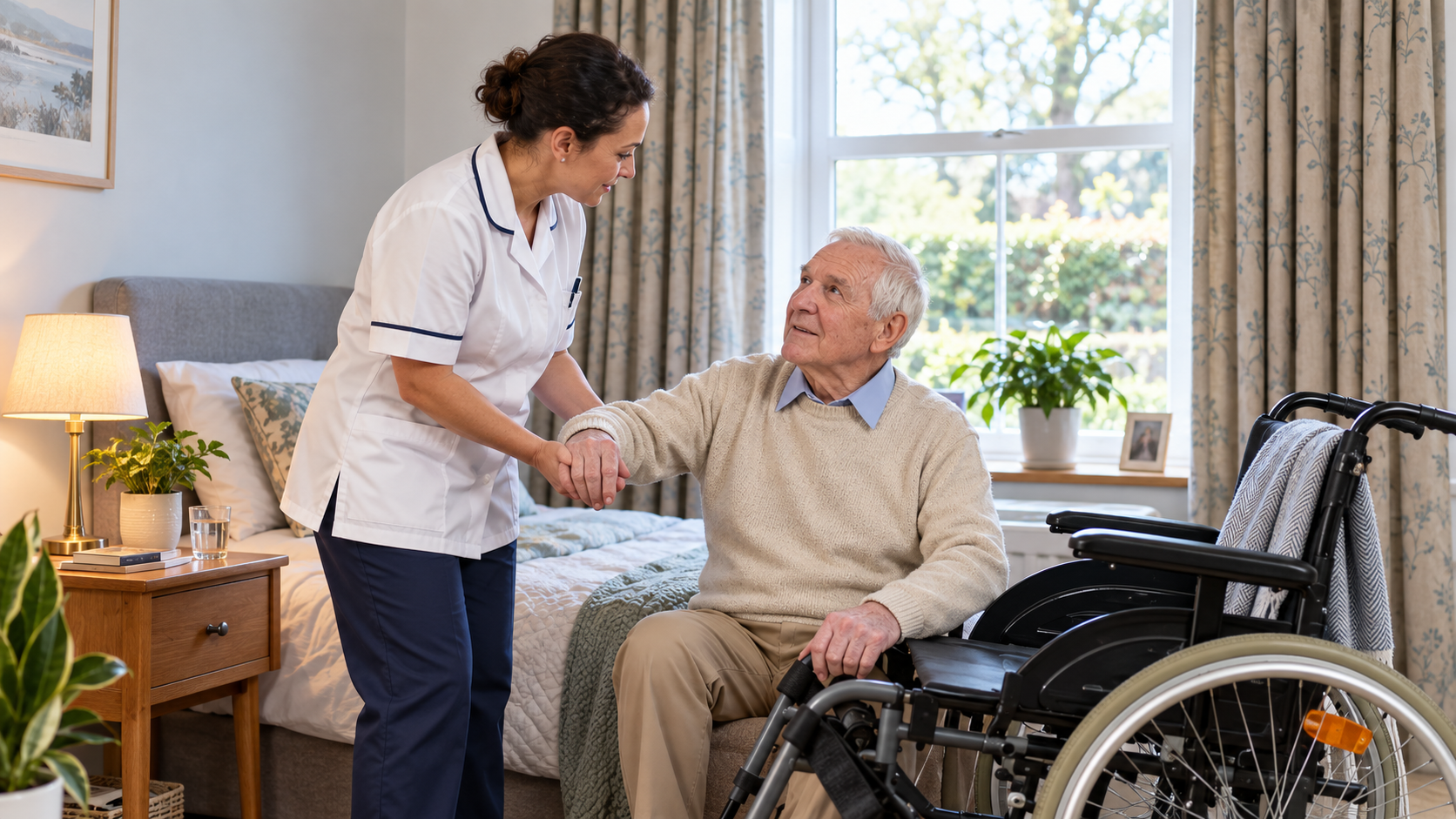
There are 22 possible skills that may appear on the clinical exam. Everyone is scored on handwashing and indirect care, while a computer randomly assigns three other tasks from the list. Common examples include transferring a resident from bed to wheelchair, performing catheter care, measuring output (such as urine), assisting with feeding and checking pulses. You will be given instructions for each skill and must adapt to the resident’s needs.
The Best Way to Practise
- Use a partner or small group. Take turns acting as the resident and the caregiver. This helps you anticipate the evaluator’s perspective.
- Follow step‑by‑step checklists. Practise each skill exactly as taught, paying close attention to infection control, safety and communication.
- Record yourself. Video recordings can highlight missed steps or habits you might otherwise overlook.
- Practise in a simulation lab or at home. Set up a mock resident environment with supplies similar to those used in the exam.
What Examiners Look For
Examiners watch for:
- Safety and infection control: Proper handwashing, use of personal protective equipment and safe techniques.
- Clear communication: Greeting the resident, explaining procedures and asking about comfort.
- Accuracy and organisation: Completing each step correctly and efficiently within the time limit.
- Respect for patient rights: Ensuring privacy, dignity and consent throughout care.
Tips for Reducing Exam Anxiety
- Deep breathing and relaxation: Practise breathing exercises before and during the exam to calm nerves.
- Maintain a healthy routine: Get adequate sleep, stay hydrated and eat balanced meals leading up to the exam.
- Positive self‑talk: Remind yourself of your preparation and skills rather than focusing on potential mistakes.
- Break down fear: Instead of thinking about the exam as a whole, concentrate on one question or one skill at a time.
- Repeat practice: Familiarity breeds confidence. The more you practise under simulated conditions, the more comfortable you’ll feel.
What to Expect on Exam Day

Before You Arrive
- Bring the right identification: You must present two valid IDs that match the name on your admission letter. One must be current with a photo and signature (e.g., driver’s licence, passport, or school ID), and the second should be a signature ID such as a Social Security card or credit card.
- Dress appropriately: Wear flat, nonskid, closed‑toe shoes and comfortable clothing such as scrubs. You may be asked to act as the resident for another candidate.
- Arrive early: Plan to be at the testing site at least 30 minutes before your scheduled time to allow for check‑in and settling your nerves.
During the Exam
- Written test: Answer all multiple‑choice questions within the time limit. Some questions are unscored but still require your best effort. Focus on reading carefully and managing your time.
- Skills test: Follow the evaluator’s instructions closely and speak to the resident as you would in real life. Remember to wash your hands at appropriate times and maintain infection control and safety.
- Stay calm and focused: If you make a mistake, let the evaluator know that you recognise it and correct it if possible. Showing awareness can sometimes mitigate small errors.
After the Exam
- Receiving your score: In many regions, you’ll receive your results immediately after the test. Some states may email you within a few days.
- Retaking the exam: If you don’t pass on your first attempt, most states allow retakes. Check your local regulations for the number of attempts allowed and any waiting periods. Use the experience to identify weak areas and focus your preparation.
Additional Support and Training Options
If you’re feeling uncertain, you can bolster your preparation with additional support:
- Refresher courses: Short courses that review key topics and provide practice in clinical skills can boost confidence.
- Online practice tests: Many websites offer sample questions and timed tests that simulate the real exam.
- Study groups: Connecting with classmates allows you to discuss challenging concepts and practise skills together.
- Structured programmes: A comprehensive programme such as the Nursing Assistant Diploma Online provides guided study, practice resources and support from instructors, which can be especially useful if you’re balancing preparation with work or other commitments.
Conclusion
Passing your nursing assistant certification exam is absolutely achievable. With a clear understanding of the exam structure, a realistic study plan and plenty of practice, you can walk into the testing room with confidence. Remember that success isn’t about cramming; it’s about steady, purposeful learning and honing the skills that make you a competent caregiver. Believe in your preparation, trust your training and step into your exam ready to succeed.