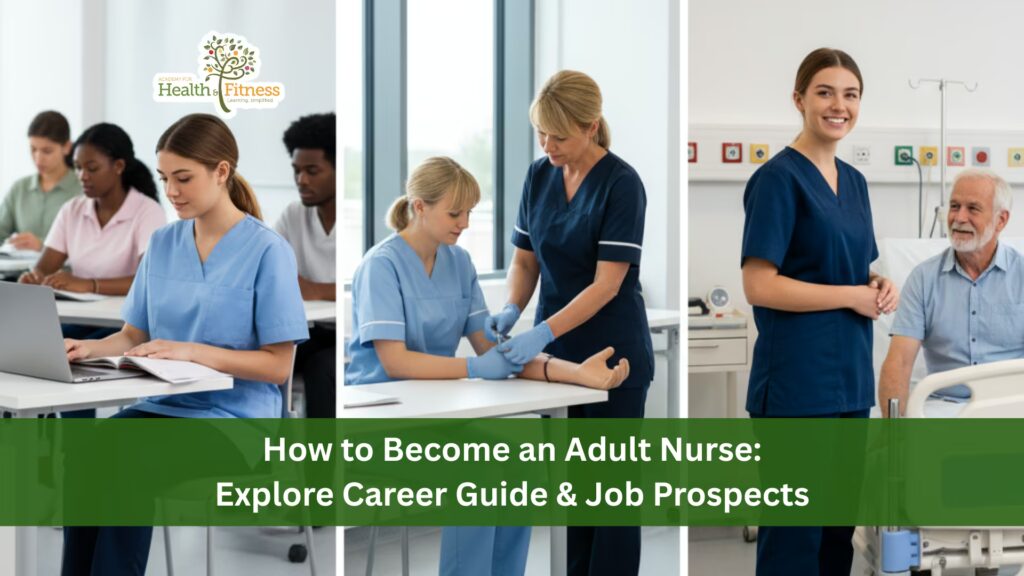


Adult nurses are in growing demand across the healthcare system. As the population ages and chronic conditions rise, the need for skilled professionals to care for adult patients has never been greater. The NHS Long Term Workforce Plan aims for large-scale growth—analysts estimate up to 170,000 more nurses by 2036/37 if fully delivered. Adult nurses play a vital role in hospitals, communities, and homes—providing essential treatment, emotional support, and continuity of care. This guide breaks down exactly how to become an adult nurse, what qualifications you’ll need, and what kind of career opportunities you can expect.
To become an adult nurse, you’ll need accredited training, hands-on experience, and professional registration—plus the compassion and resilience to care for people through life’s toughest moments.
This guide will walk you through the complete journey to becoming an adult nurse, from the necessary educational qualifications and licensure to the diverse job prospects and essential skills needed to succeed in this dynamic and fulfilling career.
What is Adult Nursing?
Adult nursing is about caring for people aged 18 and over who are ill, recovering from surgery, or living with long-term conditions. You’ll support them physically and emotionally—whether in hospitals, care homes, or their own homes.
As an adult nurse, you won’t just give medication or check vital signs—you’ll also listen, guide, and help people through some of their most difficult moments.
Many future applicants use an introductory programme like the Health and Social Care Level 3 Diploma to explore core topics (safeguarding, communication, person-centred care) before committing to degree-level study.
What Does an Adult Nurse Do?
Adult nurses wear many hats. While the job mainly focuses on caring for adult patients, the role goes far beyond that. You’ll be supporting people through illness, recovery, or long-term health issues—often during the most vulnerable moments of their lives.
Because no two days are the same, you’ll need to be flexible, calm under pressure, and ready to act quickly when needed. At the same time, you’ll build strong connections with patients and families, offering reassurance and guidance along the way.
Key Responsibilities

Here’s a quick look at what you might do on a typical shift:
- Check patient health: Monitor vital signs like blood pressure, temperature, and oxygen levels.
- Give treatments: Administer medication, manage IVs, dress wounds, and support recovery.
- Plan care: Write or update care plans tailored to each patient’s needs.
Support emotionally: Help patients feel safe, informed, and cared for—especially when things get tough. - Work with a team: Coordinate with doctors, physiotherapists, and other professionals to deliver the best care.
- Handle emergencies: React quickly to changes in a patient’s condition and know when to call for extra help.
Key Skills and Qualities Needed for Adult Nursing
Being an adult nurse isn’t only about medical knowledge—it’s also about the kind of person you are. While you will learn clinical skills during training, certain qualities make a big difference in how well you care for patients. And since the role is both demanding and rewarding, you’ll need a mix of soft skills and practical abilities.
Essential Personal Qualities
To thrive in this career, you should bring qualities that help you connect with people:
- Compassion and empathy – You’ll meet patients at vulnerable times, so kindness goes a long way.
- Patience – Not every recovery is quick, and sometimes progress is slow.
- Emotional strength – Because you may face difficult situations, resilience helps you stay balanced.
- Communication – You’ll need to explain clearly and also listen carefully to patients and families.
Practical Skills You’ll Use Daily
Alongside these personal qualities, you’ll also need professional skills that you’ll develop through training and experience:
- Time management – Since shifts are busy, you must balance many tasks at once.
- Teamwork – You’ll often work closely with doctors, therapists, and care staff.
- Problem-solving – Health conditions can change quickly, so you’ll need to think fast.
- Clinical knowledge – From giving medication to monitoring health, technical skills are part of daily care.
Educational Pathway: How to Qualify as an Adult Nurse

If you’re aiming to become an adult nurse, you’ll need the right mix of qualifications, training, and experience. The path is structured but also flexible, so you can take the route that works best for you. Let’s go through the main options step by step.
1. Entry Requirements
To start your journey, you’ll need a solid educational foundation. Most universities ask for:
- GCSEs (or equivalent) in English, Maths, and Science at grade 4/C or above.
- A-Levels in subjects like Biology, Psychology, or Health and Social Care. Alternatively, you can have a Level 3 diploma in a related field.
But what if you don’t meet these requirements? Don’t panic. Many colleges and universities offer access courses designed for adults who want to enter nursing later in life. These courses can bridge the gap and prepare you for higher-level study.
2. Nursing Degree
The most common way into adult nursing is through a Bachelor of Science (BSc) in Adult Nursing, which usually takes three years full-time. Here’s what you can expect:
- Academic learning: You’ll study modules in anatomy, physiology, pharmacology, and nursing ethics. These subjects give you the scientific knowledge and professional understanding needed for patient care.
- Clinical placements: Around half of your course will be practical experience in hospitals, GP practices, or community healthcare. These placements let you apply what you’ve learned in real-life situations.
- Support and supervision: You’ll be guided by experienced nurses and mentors during placements, so you can build confidence step by step.
Once you graduate, you’ll be ready to move straight into professional nursing roles.
3. Nursing Degree Apprenticeship
If university isn’t the right fit, you could take the Nursing Degree Apprenticeship route. This option is ideal if you prefer hands-on learning and earning a salary while you study. Here’s how it works:
- You’ll be employed by a healthcare provider, usually an NHS Trust, while completing your training.
- Instead of paying tuition fees, your employer and the NHS cover the cost.
- The course typically lasts four years, as you’ll be working and studying part-time.
- You’ll get plenty of workplace experience, which means by the time you qualify, you’ll already be used to the pressures and routines of the job.
This is a great pathway for people who want to avoid student debt while gaining practical skills.
4. Postgraduate Entry
If you already have a degree in another subject, you don’t need to start from scratch. Many universities offer postgraduate diplomas or MSc courses in Adult Nursing, which take around two years.
- These programmes are intensive, as they pack all the necessary training into a shorter timeframe.
- They’re designed for career changers who are ready to commit fully to nursing.
- Like undergraduate nursing degrees, these courses also include academic study and clinical placements.
5. Registration with the NMC
No matter which route you take, you’ll need to register with the Nursing and Midwifery Council (NMC) once you finish training. The NMC is the professional body that regulates nursing in the UK. Registration confirms that you’re qualified, safe, and legally allowed to practise as an adult nurse.
What to Expect in Training

When you start your nursing training, you’ll dive into a mix of academic study and hands-on practice. It’s a balance that helps you gain both the knowledge and experience needed to be a successful adult nurse. Here’s what you can expect along the way.
1. University Study
You’ll spend a good portion of your time in the classroom, learning key subjects like:
- Anatomy and Physiology: Understanding how the body works.
- Pharmacology: Learning about medications and their effects.
- Ethics and Law: Studying nursing ethics and the legal responsibilities of a nurse.
- Patient Care: Techniques for providing effective, compassionate care.
These modules will give you the foundation you need to work confidently with patients.
2. Clinical Placements
Half of your training will be spent on clinical placements in hospitals, community settings, or GP surgeries. Here, you’ll apply what you’ve learned and gain real-world experience. You’ll:
- Work alongside experienced nurses.
- Practise skills like administering medication, taking vital signs, and providing patient support.
- Learn how to deal with different health conditions and diverse patient needs.
Placements are crucial, as they allow you to grow in a real healthcare environment, sharpening your skills and boosting your confidence.
3. Assessments and Evaluations
Throughout your training, you’ll be assessed in different ways:
- Practical exams: Showing you can perform tasks like taking blood pressure or dressing wounds.
- Written exams: Testing your knowledge on anatomy, pharmacology, and nursing principles.
- Reflective assignments: Encouraging you to think about your learning and experiences.
These assessments ensure that you’re meeting the high standards required to become a registered nurse.
Job Prospects & Career Progression
Becoming an adult nurse doesn’t just open the door to your first job—it also sets you on a path to a variety of exciting career opportunities. The healthcare sector is growing, and as a nurse, you’ll be in high demand. Let’s look at what job prospects you can expect and how you can move up in your nursing career.
1. Job Opportunities for Adult Nurses
Adult nurses are needed in many areas of healthcare, and the good news is that there’s a wide range of job opportunities:
- NHS and private hospitals: Working on medical wards, intensive care units (ICU), or emergency departments.
- Community healthcare: Visiting patients in their homes, providing long-term care and support.
- GP practices: Working alongside doctors to provide care in local clinics.
- Care homes: Helping elderly or vulnerable adults live comfortably.
- Specialised clinics: Focusing on areas like diabetes, cancer, or heart disease.
With a growing aging population, the demand for adult nurses continues to rise, ensuring you have plenty of options.
2. Salary and Benefits
When you first start, you can expect to earn a starting salary around £28,000 in the UK (NHS Band 5). While salaries may vary depending on location and employer, there are great benefits that come with the role, including:
- Paid annual leave
- Pension contributions
- Opportunities for continuing professional development (CPD)
As you progress in your career, your salary will increase, and there are also opportunities for higher pay in certain specialisations.
3. Career Progression
Nursing offers many opportunities to advance your career. As you gain experience, you can move into roles like:
- Senior Staff Nurse: Taking on more responsibility and leadership.
- Ward Manager: Overseeing a team of nurses and managing patient care.
- Clinical Nurse Specialist: Focusing on a specific area, like wound care or oncology.
- Nurse Practitioner: Taking on advanced roles, including prescribing medication and diagnosing conditions.
- Nursing Educator: Teaching the next generation of nurses.
- Healthcare Management: Moving into managerial or administrative roles within hospitals or clinics.
You can also choose to specialise in specific fields such as oncology, palliative care, or paediatrics, depending on your interests.
Keep your CPD sharp: A structured programme like the Health and Social Care Level 3 Diploma can complement ongoing development—especially if you’re moving from a support role into a degree or preparing for interviews.
Work-Life Balance & Job Satisfaction

Being an adult nurse is incredibly rewarding, but it can also be demanding. Since patient care is a 24/7 job, balancing work with your personal life can be challenging. Let’s take a closer look at the work-life balance in nursing and how it affects job satisfaction.
1. Shifts & Flexibility
One of the most noticeable things about nursing is the shift work. While it offers flexibility, it also means you’ll likely work nights, weekends, and holidays. However, there are some advantages to this:
- Flexible hours: You can often choose your shifts or work part-time if needed.
- Variety: Shifts ensure no two days are the same, which can be exciting for some nurses.
- Higher pay for unsocial hours: Many employers offer extra pay for working nights or weekends.
That said, the irregular hours can also be tough on your personal life, so finding a schedule that works for you is important.
2. Emotional & Physical Demands
Nursing is physically and emotionally demanding. You may be lifting patients, working long hours, or dealing with difficult situations, like end-of-life care. However, the emotional rewards are equally significant:
- Making a difference: You’ll directly impact people’s lives by helping them heal, recover, or live more comfortably.
- Building relationships: Nurses often develop close bonds with patients and families, which can be very fulfilling.
Even though the job can be stressful, many nurses find satisfaction in knowing they are helping people during some of their toughest moments.
3. Managing Stress & Burnout
The healthcare environment can sometimes feel overwhelming, especially when patient numbers rise, or when there’s a lot of pressure. To maintain a healthy work-life balance, it’s important to manage stress and prevent burnout:
- Self-care: Taking time for yourself and engaging in activities you enjoy is essential.
- Support networks: Having a good support system, whether it’s family, friends, or colleagues, helps you cope with the emotional load.
- Continuing education: Developing new skills and advancing in your career can help you stay motivated and excited about your work.
Job Market & Demand Outlook
The job market for adult nurses is strong and continues to grow. There are plenty of opportunities, and the demand for nurses is only increasing. Let’s look at why this career is in demand and what that means for you.
1. Why is There So Much Demand?
- Aging population: As people get older, they need more healthcare.
- More people need care: With longer life expectancies, the need for nurses is rising.
- Nursing shortages: There are not enough nurses to meet the demand, so more jobs are available.
2. Where Can You Work?
Adult nurses are needed in many places, such as:
- Hospitals: Both NHS and private hospitals hire adult nurses.
- Community care: Nurses who visit patients in their homes.
- Care homes: Helping elderly people in residential settings.
- Abroad: Many countries need nurses, offering opportunities to work overseas.
Conclusion
Becoming an adult nurse is a rewarding and impactful career choice. With growing demand and a variety of job opportunities, nursing offers both stability and personal fulfillment.
As you embark on this path, remember that the journey involves both hard work and compassion. With the right education and dedication, you’ll make a real difference in people’s lives—one patient at a time.