

How Much Do Nursing Assistants Make in 2026? It’s a question many future and current carers are asking as healthcare roles become some of the most secure and in-demand jobs in the UK. With staffing shortages across hospitals, care homes and community teams, nursing assistants play a bigger role than ever — and understanding the pay you can expect helps you plan your next step with confidence.
Put simply, nursing assistants in the UK typically earn between £24,000 and £27,000 in the NHS (Bands 2–3) in 2026, with higher pay available in London, private hospitals, agencies and high-demand regions.
In this guide, you’ll discover:
- NHS and private-sector salary breakdowns for 2026
- How experience, shift patterns and location influence earnings
- The UK regions offering the highest pay for nursing assistants
- Ways to increase your salary through skills and progression
- What long-term career and salary growth looks like
Nursing Assistant Salary in 2026

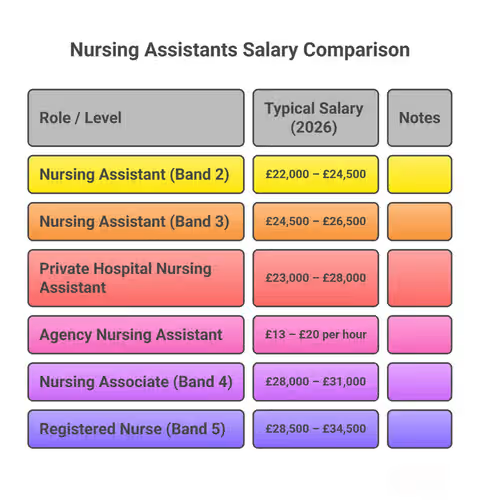
Nursing assistants in the UK are expected to earn between £24,000 and £30,000 per year in 2026, depending on experience, location and employer. Most NHS roles fall within Band 2 or Band 3, while private hospitals and agency roles often pay more.
NHS Band 2 Salary (2026 Estimate)
£22,600 – £24,500
Typical for entry-level healthcare assistant/nursing assistant roles.
Includes higher pay with unsocial-hours enhancements (nights/weekends).
NHS Band 3 Salary (2026 Estimate)
£24,900 – £26,600
Applies to experienced assistants or those with additional responsibilities such as advanced observations, mobility support and specialised care tasks.
Private-Sector & Agency Pay
- Private hospitals: £26,000 – £30,000+
- Care homes: £23,000 – £28,000
- Agencies: £13–£18 per hour (equivalent £27,000 – £36,000+ per year depending on shifts)
Nursing Assistants Salary Comparison Table
 What Influences “Starting” vs “Experienced” Pay?
- Years of experience in patient care
- Specialist skills (e.g., dementia care, mobility support, phlebotomy)
- Location (London weighting can add £4,000–£7,000)
- Type of employer (agencies and private hospitals tend to pay more)
- Shift patterns (nights = significantly higher pay)
NHS Nursing Assistant Salary Breakdown
Band 2 Salary Range (Entry Level)
NHS Band 2 nursing assistants—often new to the role—typically earn:
£22,600 – £24,500 per year (estimated 2026 updated rates)
This covers general care duties such as personal care, mobility support, and basic observations.
Band 3 Salary Range (Experienced / Enhanced Duties)
Band 3 applies to nursing assistants with additional skills or responsibilities—such as advanced observations, catheter care support, or rehab support.
Estimated 2026 salary range:
£24,900 – £26,600 per year
Enhancements: Nights, Weekends, Bank Holidays
NHS pay includes unsocial hours enhancements, which significantly increase annual earnings:
- Nights (8pm–6am): +30%
- Saturdays & Weekdays after 8pm: +30%
- Sundays & Bank Holidays: +60%
Many nursing assistants earn £2,000–£5,000 extra per year through these enhancements.
London Weighting & High-Cost Area Supplements
If you work in London, you receive an additional High-Cost Area Supplement (HCAS):
- Inner London: +20% of basic salary (approx £4,500–£6,000 extra)
- Outer London: +15% (approx £3,200–£4,200 extra)
- Fringe areas: +5% (approx £1,000–£1,500 extra)
This means a Band 2 nursing assistant in Inner London could earn £28,000–£31,000+ before enhancements.
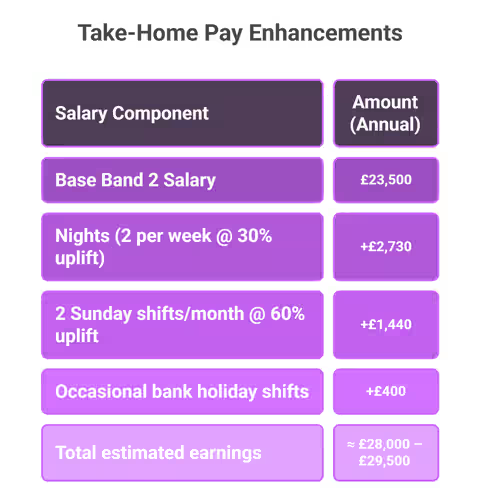
Example: How Enhancements Change Take-Home Pay
Here’s a realistic scenario for a Band 2 NA working a mixture of day and night shifts:
 Result:
A nursing assistant listed as “Band 2” can realistically make £5,000–£6,000 more through enhancements—something many new candidates don’t realise.
Private Sector Nursing Assistant Salaries (2026)
How Private Hospitals Compare to NHS Pay
In the private sector, nursing assistant salaries are generally higher than NHS Band 2–3 rates, with most employers offering:
- £24,000 – £30,000 per year for full-time roles
- Higher rates for specialists (theatres, mental health, surgical wards)
Private hospitals such as Spire, Nuffield, Bupa and Circle often pay above NHS entry rates to stay competitive and attract experienced support staff.
Why Agency Roles Pay More — but Vary Weekly
Agency nursing assistant (HCA/NA) roles typically offer the highest hourly pay:
- £12–£18 per hour for standard shifts
- £18–£24+ per hour for nights, weekends or urgent bookings
However, agency work fluctuates depending on shift availability. Some weeks are busy and profitable; others may offer fewer hours, leading to inconsistent income.
Agency roles suit those who want flexibility and higher pay, but not those seeking predictable monthly earnings.
Pros and Cons of Private-Sector Pay Packages

✔ Pros
- Higher base salaries than NHS Band 2–3
- Potential bonuses or performance incentives
- More control over shift patterns
- Often modern facilities and smaller patient-to-staff ratios
✘ Cons
- Private employers may offer fewer pension and long-term benefits than the NHS
- Enhancements (nights/weekends) are not always as generous as NHS rates
- Agency work = excellent pay but unstable hours
- Training opportunities can vary by employer
Regional Salary Differences Across the UK (2026)

Nursing assistant salaries vary widely depending on cost of living, demand, and workforce pressures in each region. In 2026, the highest-paying areas continue to be London and the South East, where NHS roles include high-cost area supplements and private providers offer competitive pay to attract staff.
Highest-Paying Regions
- London:
Highest pay due to Inner, Outer and Fringe London weighting. Roles often pay £25,000–£31,000 (including supplements). - South East (Surrey, Kent, Sussex):
Strong private-sector presence + NHS shortages push pay up to £23,500–£29,000.
Regions With Strong Demand (Big Cities)
Major cities with high hospital activity and ongoing recruitment shortages include:
- Manchester
- Birmingham
- Leeds
- Liverpool
These cities typically offer £22,000–£27,000, with higher rates available in private hospitals and mental health services.
Scotland, Wales & Northern Ireland Salary Outlook
- Scotland:
Competitive pay under Agenda for Change; typical range £22,000–£26,000. - Wales:
Slightly lower average than England; around £21,500–£25,500. - Northern Ireland:
Historically lower but improving; £21,000–£25,000, depending on employer and location.
Regional Salary Comparison Table
 What Affects a Nursing Assistant’s Earnings?
A nursing assistant’s salary isn’t fixed — several factors can push pay up or down. Understanding these helps you estimate what you could earn in 2026.
1. Experience Level
Newly trained nursing assistants usually start at the lower end of Band 2 or entry-level private roles.
With a year or two of experience, pay rises naturally — especially if you’ve proven reliability and competence. Senior support roles or extended duties can move you into Band 3.
2. Shift Patterns
Working nights, weekends or bank holidays increases earnings through NHS enhancements.
In some trusts, night shifts can add 30–60% on top of your hourly rate.
3. Specialist Units
Roles in high-pressure or high-skill environments often pay more, such as:
- A&E
- ICU
- Surgical wards
- Mental health units
These departments rely heavily on skilled support staff, and employers often offer higher rates or faster progression.
4. Qualifications
Additional training — like:
- Care Certificate
- NVQ Level 2/3 in Health & Social Care
- Specialist modules (e.g., dementia, mental health, phlebotomy)
— can increase your earning potential and make you eligible for Band 3 roles or extended duties.
5. Employer Type

Pay varies depending on where you work:
- NHS: Structured pay bands + enhancements + strong job security.
- Private hospitals: Often higher base pay, fewer benefits.
- Agencies: Highest hourly pay but inconsistent shifts.
- Care homes: Varies widely; some offer bonuses or overtime rates.
6. Extra Duties or Extended Roles
If you take on responsibilities such as:
- Leading handovers
- Supervising junior staff
- Conducting additional observations
- Acting as a senior support worker
— you may receive pay increases or eligibility for higher bands.
How Nursing Assistants Can Increase Their Salary in 2026
If you’re aiming to boost your earnings in 2026, the good news is that nursing assistants have several clear routes to higher pay. Most increases come from building skills, gaining experience, and stepping into roles with more responsibility.
1. Move From Band 2 to Band 3
Many NHS trusts offer progression once you’ve:
- Built solid experience
- Completed additional training
- Taken on more patient-facing or clinical tasks
Band 3 roles — often called Senior HCA/Nursing Assistant — typically involve more observations, mentoring new staff, and supporting nurses during procedures. The jump from Band 2 to Band 3 brings a noticeable salary increase.
2. Gain Specialist Training

Certain skills make you more valuable to employers and often come with higher pay or faster progression, such as:
- Dementia care
- Mental health awareness
- Enhanced observation skills
- End-of-life care
- Phlebotomy (in some settings)
Structured training routes, such as the Nursing Assistant Diploma Online, can help you build these skills in a flexible and supported way—useful if you’re trying to move into higher-paid roles without stepping back from work.
3. Work Agency or Bank Shifts
Bank and agency shifts usually offer:
- Higher hourly pay
- Flexibility
- Enhanced rates for nights/weekends
This route isn’t for everyone, as hours can vary, but it’s one of the fastest ways to increase annual income.
4. Take On Senior HCA Responsibilities
If you’re comfortable taking initiative, stepping into a more senior support role can quickly raise your pay. Duties may include:
- Leading handovers
- Supporting junior staff
- Performing advanced observations
- Helping coordinate patient care
Trusts often reward reliability and competence, and these extended duties can open the door to Band 3 or even nursing associate pathways.
Conclusion
Nursing assistant salaries are steadily improving as demand rises across the UK, giving new and experienced NAs more earning power than ever before. With the right skills, experience and willingness to grow, you can move into higher-paid roles and strengthen your long-term career prospects. The outlook for 2026 and beyond is overwhelmingly positive — a great time to build a stable, rewarding future in patient care.