


What Is the Updated Care Certificate?

The updated Care Certificate is a refreshed version of the UK’s essential entry-level qualification for health and social care workers — now enhanced to include digital skills and assistive technology training. It ensures that new carers are not only compassionate and competent but also confident using modern tools that support effective, person-centred care.
Originally created to standardise care training, the Care Certificate remains the foundation for anyone entering the sector — from healthcare assistants to support workers. It covers vital topics like communication, safeguarding, and infection control, but the updated version takes things further.
With a stronger focus on digital literacy, it helps carers learn how to use electronic care records, assistive devices, and other technologies safely and ethically. This update benefits new carers, healthcare assistants, and support workers, equipping them with the knowledge and digital confidence needed to deliver high-quality care in a technology-driven world.
How are digital technologies changing health care?

Digital technologies are reshaping health and social care, and digital competence has become essential in today’s care sector. According to the NHS England long-read on inclusive digital healthcare, around 10 million adults in the UK lack basic digital skills—a gap that affects both care recipients and providers.
Why digital skills matter
- Electronic record-keeping means carers must log patient data accurately, often via tablets or secure systems.
- Mobile care apps help schedule visits, monitor conditions remotely, or track medication—every minute counts.
- Online platforms enable communication across teams, video consultations, and real-time updates to families.
What improved digital skills bring
By developing these skills, carers enhance efficiency (less time wasted in paperwork), improve accuracy (fewer mistakes in records), and raise the quality of care (more personalised, real-time support). When you’re confident with technology, you’re better prepared for modern care settings—where human compassion meets smart tools.
Understanding Assistive Technology in Care
Assistive technology simply means tools or devices designed to make everyday life easier for people who need extra help. In health and social care, it supports individuals with physical, sensory, or cognitive challenges — helping them live more independently and safely.
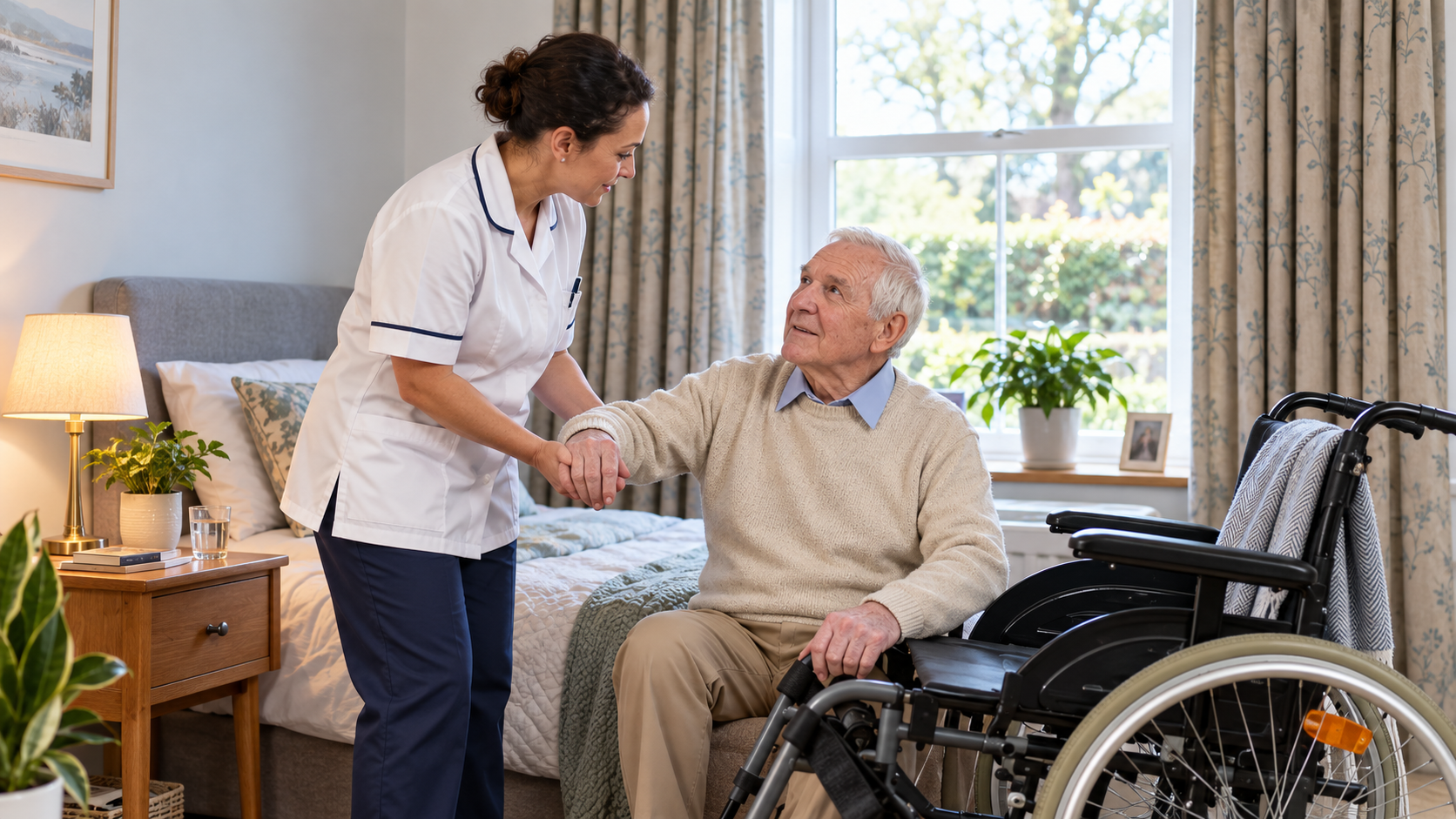
Common examples of assistive tools include fall detectors, which alert carers in emergencies; medication reminders that notify users when it’s time to take their medicine; and mobility aids, like smart walking frames or stairlifts. There are also voice-activated devices that let people control their environment hands-free, and digital monitoring systems that track health conditions in real time, keeping both patients and carers informed.
These technologies do more than make care convenient — they empower. They give individuals greater control over their daily lives while allowing carers to provide more personalised, responsive, and safe support. In short, assistive technology bridges independence and care, ensuring people can live with dignity while still receiving the help they need.
How the Updated Care Certificate Builds These Skills

The updated Care Certificate has evolved to reflect the growing importance of digital awareness in today’s care sector. It’s not just about compassion and communication anymore — it’s about confidence in using technology safely and effectively. The new learning outcomes ensure that carers are prepared to meet the digital demands of modern health and social care settings.
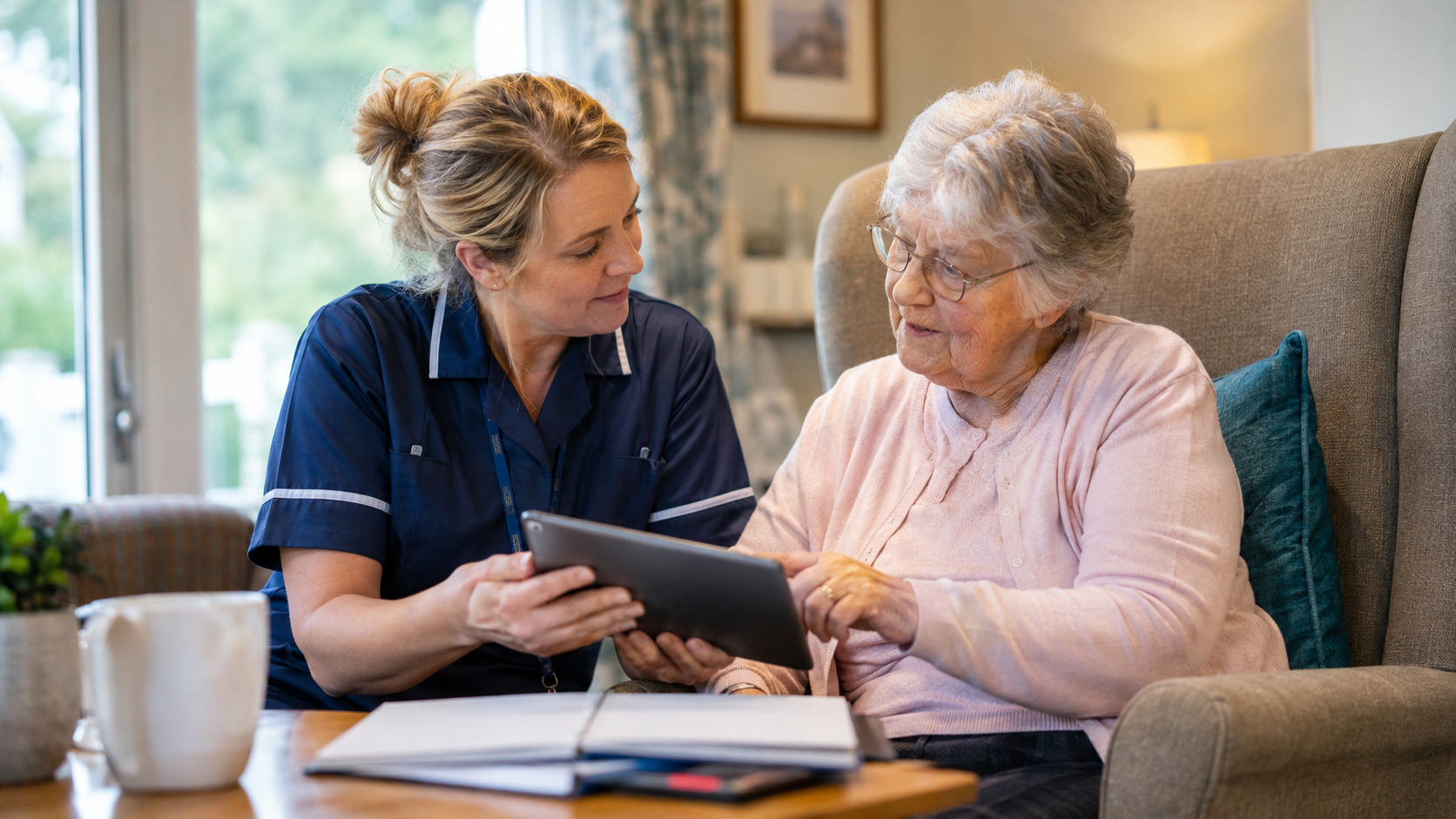
Trainees now learn how to use electronic records securely, understanding the importance of accuracy, confidentiality, and compliance with data protection laws. They gain hands-on experience with digital tools used for documentation, scheduling, and communication — skills that make day-to-day care smoother and more efficient.
They’re also taught how to support individuals using assistive devices, such as mobility aids or monitoring systems. This includes showing patients how to use their devices safely and responding when technology alerts indicate changes in someone’s health or wellbeing.
Another key component focuses on ethical technology use. Carers learn to balance the benefits of technology with privacy, dignity, and person-centred care. They understand how to use data responsibly and maintain trust while embracing innovation.
By combining digital learning with practical care skills, the updated Care Certificate ensures new carers are ready for the evolving care landscape — one where technology enhances, not replaces, human connection. It’s a forward-thinking approach that prepares today’s carers for tomorrow’s challenges.
The Benefits of Assistive Technology in Health and Social Care

Being digitally skilled isn’t just useful anymore — it’s essential. For carers, technology makes work smoother and more efficient. For the people they care for, it means greater independence, safety, and trust. When both sides benefit, care becomes smarter and more human.
How Digital Skills Benefit Carers
- Improved communication: Digital tools allow carers to share updates instantly, coordinate care plans, and keep families informed.
- Better documentation: Recording notes electronically reduces errors and keeps patient data accurate and accessible.
- Greater efficiency: Technology helps carers save time on admin, letting them focus more on people, not paperwork.
- Career growth: Digital competence makes carers stand out — opening doors to senior or specialist roles that rely on tech-driven care.
How Digital Tools Empower Clients
- More independence: Devices like medication reminders and smart mobility aids give clients control over their routines.
- Enhanced safety: Monitoring systems and fall detectors provide reassurance for both clients and carers.
- Personalised care: Digital records and data insights help tailor support to each person’s unique needs.
How the Care Certificate Helps
The updated Care Certificate now builds these digital and technological skills from the start. It teaches carers how to:
- Use digital tools and electronic records safely and ethically.
- Support individuals using assistive technologies.
- Balance technology with empathy, ensuring care stays personal and human.
By developing digital confidence early, new carers are ready for a care environment where innovation and compassion work side by side.
Future-Proofing Your Career in Health and Social Care

The care industry is changing fast — and those who embrace digital skills are the ones staying ahead. Understanding technology doesn’t just make your job easier; it opens doors. From advanced roles in telecare and digital health coordination to specialisations in assistive technology, digital competence is quickly becoming the key to progression.
Carers who are confident with digital tools can move into roles that involve managing remote care systems, supporting digital records, or training others in tech-enabled care. It’s not just about following trends — it’s about staying relevant and ready as care continues to evolve.
Ongoing learning is vital. Technology never stands still, and neither should you. By keeping your digital knowledge up to date, you’ll future-proof your career and continue delivering the compassionate, efficient care that defines the profession.
Conclusion
The updated Care Certificate isn’t just about meeting basic standards anymore — it’s about preparing carers for a digital future. By introducing training in digital skills and assistive technology, it bridges the gap between traditional care and modern innovation, empowering professionals to deliver safer, smarter, and more personalised support.
As technology continues to reshape health and social care, carers who embrace these new skills will stand out. Continuous learning keeps you relevant, confident, and ready to grow — ensuring your career remains as future-proof as the care you provide.