




Communication in modern care using digital tools and behavioural cues to meet Care Certificate requirements means combining technology with human understanding. It involves using secure digital platforms to share updates, recognising non-verbal signals like eye contact or posture, and responding with empathy. Together, these skills ensure that information is shared clearly, records are accurate, and every interaction supports dignity and safety in line with Standard 6 of the Care Certificate.
Modern care relies on connection, and connection thrives on communication. The 2025 Care Certificate strengthens this link by defining how carers use both technology and awareness to support better outcomes. In this article, you’ll discover how to:
- Apply communication styles and methods that meet Care Certificate Standard 6
- Establish person-centred communication in daily care practice
- Understand the requirements for effective communication between nurses and patients
- Use digital tools and behavioural cues to enhance care quality
- Build confidence in meeting modern communication expectations
Understanding Communication in Modern Care
Communication in health and social care is more than talking — it’s the exchange of information, emotion, and understanding. It involves several key forms:
- Verbal communication: speaking and listening in clear, respectful language.
- Non-verbal communication: facial expressions, eye contact, gestures, and tone of voice.
- Digital communication: messages, emails, video calls, and care management systems used to share updates and records.
Each form plays a vital role in helping people express needs, offer feedback, and build trust between staff, service users, and families.
Modern care now reaches beyond face-to-face conversation. With remote support, shared digital records, and multidisciplinary teamwork, communication must be accurate, secure, and flexible. A note entered into an app can carry as much weight as a spoken assurance at a bedside — both influence the quality and safety of care.
According to Skills for Care, Standard 6 of the Care Certificate recognises communication as a fundamental skill. It focuses on how care workers:

- Exchange information clearly and respectfully
- Overcome barriers such as language or sensory loss
- Check understanding and confirm accuracy
- Adapt their communication style to suit the situation
Good communication starts with awareness and choice. Each individual communicates differently, so the method must match their preferences and abilities. Some people may rely on gestures or assistive devices, while others prefer written updates or digital reminders. When carers adapt how they communicate, they go beyond meeting a requirement — they deliver care that is personal, inclusive, and effective.
Using Digital Tools & Behavioural Communication Cues to Meet Care Certificate Requirements
Using digital tools and behavioural communication cues helps care workers meet Care Certificate requirements by improving clarity, accuracy, and empathy in every interaction. These approaches ensure information is shared safely, records are reliable, and communication remains person-centred — key expectations under Standard 6 of the Care Certificate. Digital systems support precision, while behavioural awareness keeps care personal and compassionate.
Put digital tools to work (and show compliance)
- Electronic care records (ECR): Record preferences, updates, consent, and outcomes in real time. Time-stamp entries. Keep notes factual and plain.
- Secure messaging: Use approved apps for shift handovers and quick checks. Keep messages concise. Avoid personal devices.
- Video calls: Use for remote reviews or family updates. Confirm identity. Check privacy. Summarise next steps at the end.
- Assistive tech: Offer speech-to-text, symbol boards, or large-print prompts. Match the tool to the person’s ability and choice.
- Accessibility by design: Enable captions. Adjust font size. Provide translated or easy-read versions where needed.
How this meets Standard 6: You choose suitable methods (6.2), remove barriers (6.3), and keep accurate records (6.4).

Read behavioural cues (and respond)
- Face and eyes: Notice confusion, pain, or relief.
- Voice and pace: Listen for worry or hesitation. Slow down if needed.
- Posture and movement: Spot tension, fatigue, or discomfort.
- Silence: Give space. Check understanding without pressure.
How this meets Standard 6: You check the message was received and adapt your approach to the individual (6.2–6.3).
Blend tech with human contact (simple workflow)
- Plan: Check the person’s preferences in the ECR. Choose the right method.
- Share: Use plain language. Support with a visual or on-screen prompt.
- Check: Watch cues. Ask the person to repeat key points in their own words.
- Adjust: Change pace or medium if confusion appears. Offer a printout or diagram.
- Record: Note method used, cues observed, and the outcome. Add any new preferences.
Privacy, dignity, and safety checks
- Gain consent before recording or sharing information.
- Use private spaces for calls and conversations.
- Log out of devices. Lock screens. Follow your data policy.
- Avoid jargon. Keep tone calm and respectful.
Two quick scenarios
- Medication review (video): You screen-share a simple chart. The person frowns. You pause, switch to a printed large-print plan, and confirm understanding. You record the change.
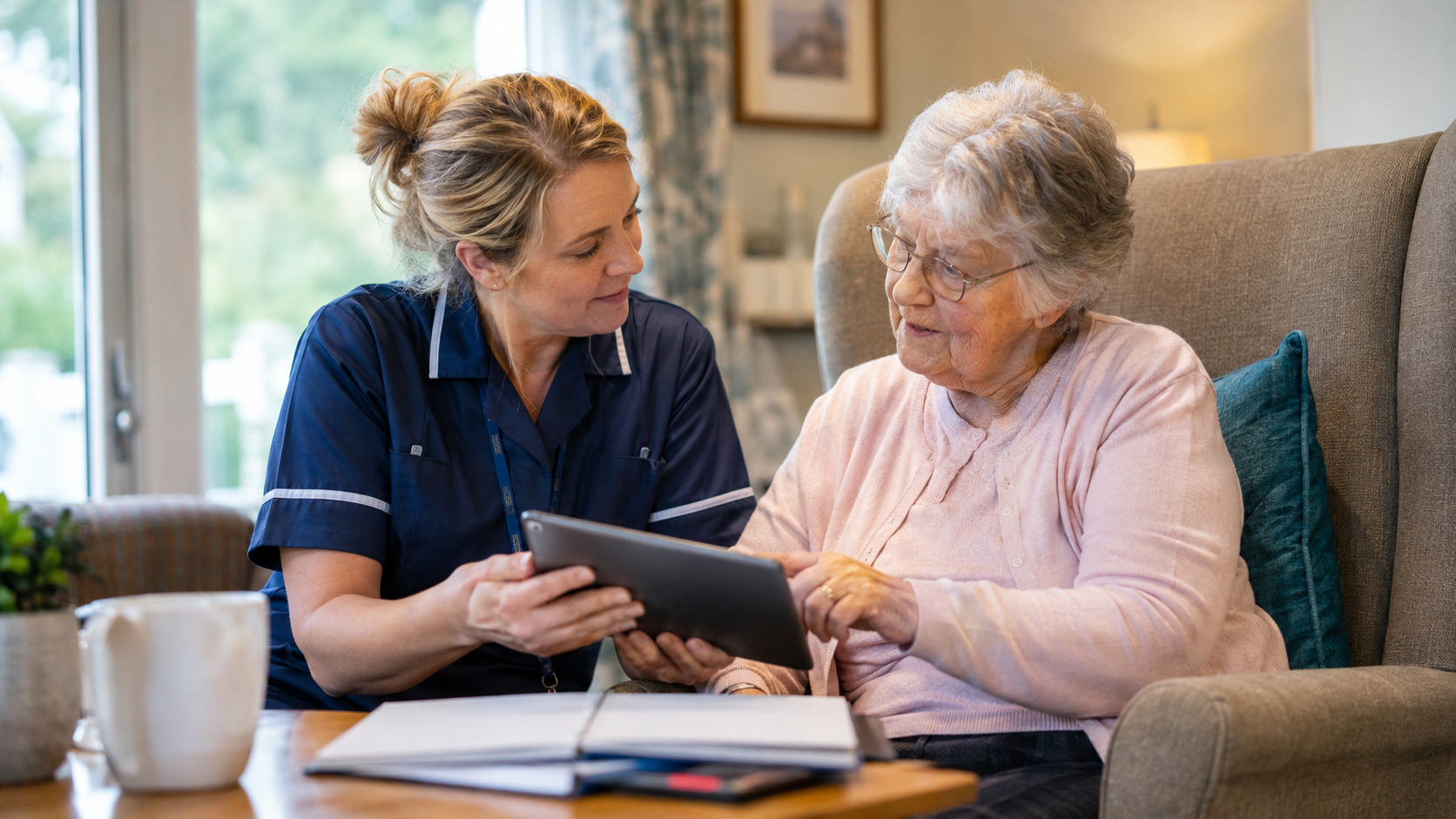
- Pain update (assistive): A resident taps a pain scale on a tablet. You notice clenched hands. You slow down, repeat options, and document both the score and observed cues.
What to evidence for the Care Certificate
- A list of preferred methods in the ECR.
- Examples where you adapted communication based on cues.
- Records showing barrier removal (captions, interpreter, easy-read).
- Outcome notes confirming understanding and next steps.
Used well, digital tools make information clear and traceable. Behavioural cues make it humane and person-centred. Together, they meet Standard 6 and lift care quality.
Communication Styles and Methods That Help to Meet Standard 6

Effective communication is central to safe, person-centred care. Standard 6 of the Care Certificate highlights that good communication means choosing the right method for each situation and ensuring that the message is both understood and respected. Every care interaction — spoken, written, or digital — has the power to support wellbeing and trust.
Verbal and Non-verbal Communication
Verbal and non-verbal skills form the foundation of human connection in care. They help workers share information, show empathy, and respond to emotional needs with understanding. Common methods include:
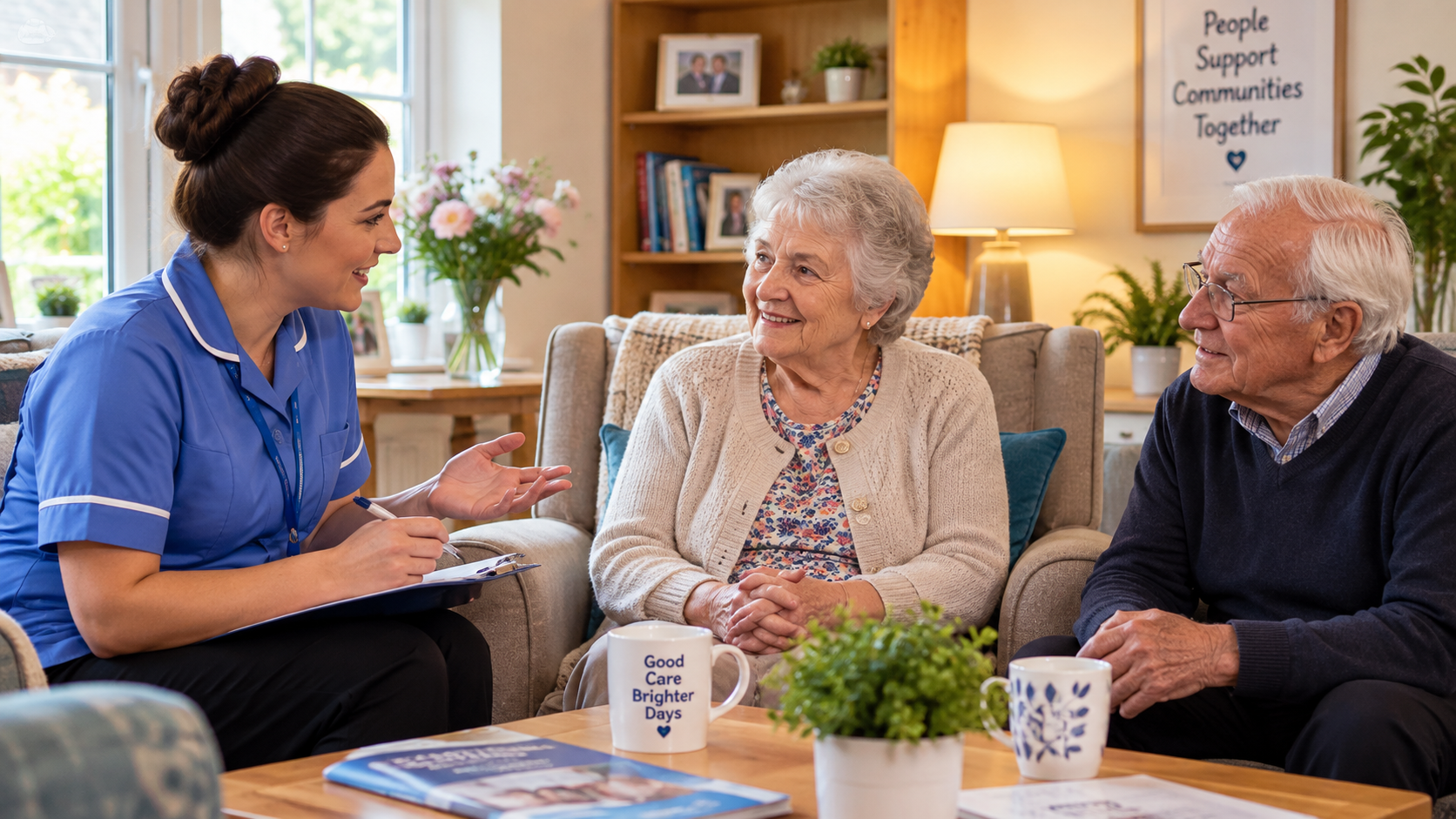
- Face-to-face conversations – build trust and allow immediate feedback.
- Telephone calls – useful for quick updates or check-ins.
- Video calls – maintain connection when distance prevents in-person visits.
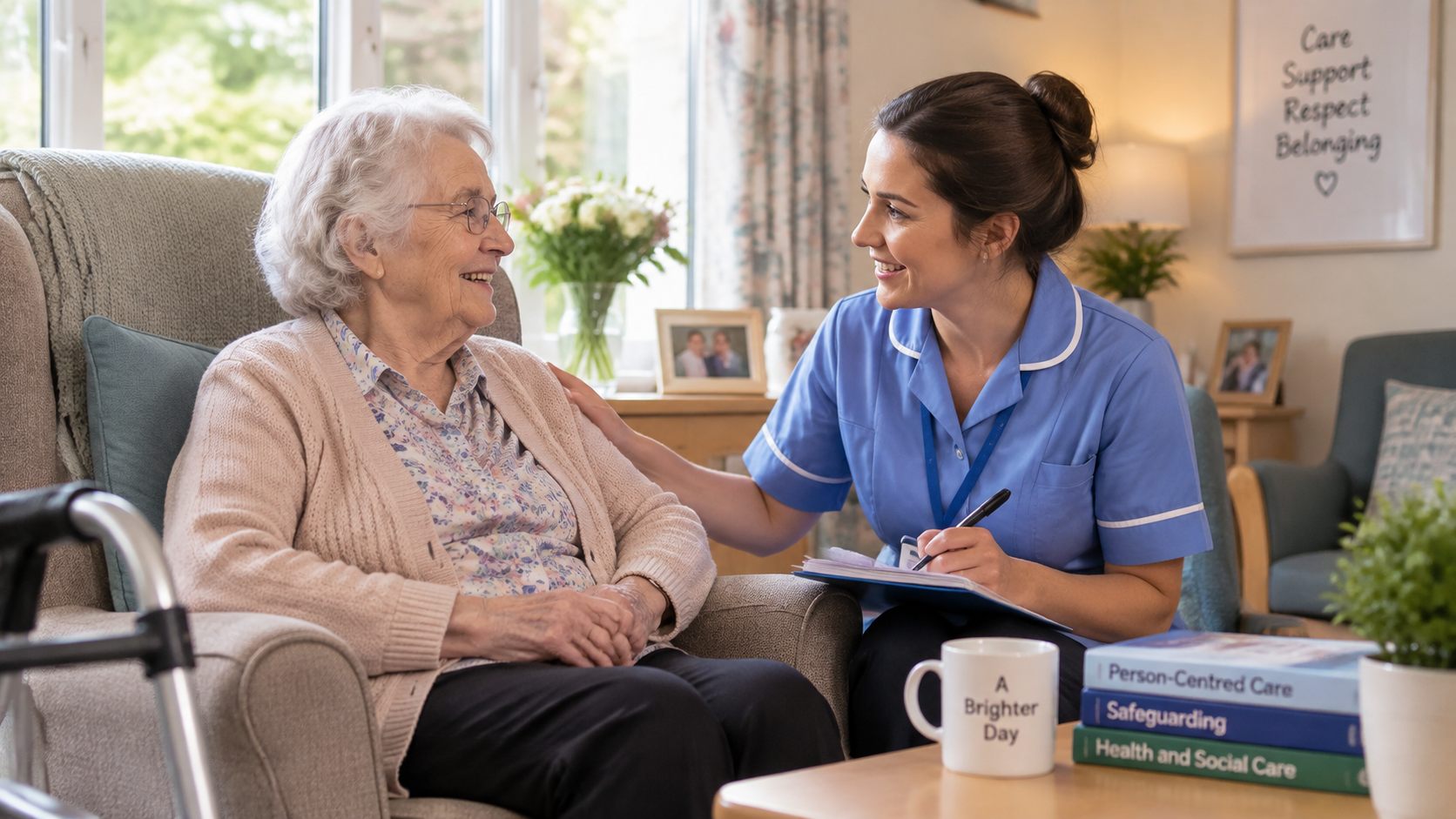
- Body language – open posture and calm gestures encourage confidence.
- Facial expressions – show empathy and attention.
- Eye contact – signals respect and interest when used appropriately.
These methods help staff meet Care Certificate expectations by ensuring people feel listened to and understood. According to DSD Web, effective communication also means recognising barriers — such as hearing loss or language differences — and adjusting your approach to meet the individual’s needs.
Digital Tools in Communication
Technology now plays a vital role in modern care. Digital tools improve efficiency, consistency, and accessibility of information. Examples include:
- Messaging apps or secure chat platforms – support real-time team communication.
- Electronic care records – allow accurate, instant updates accessible across teams.
- Video links – help maintain contact with families or health professionals remotely.
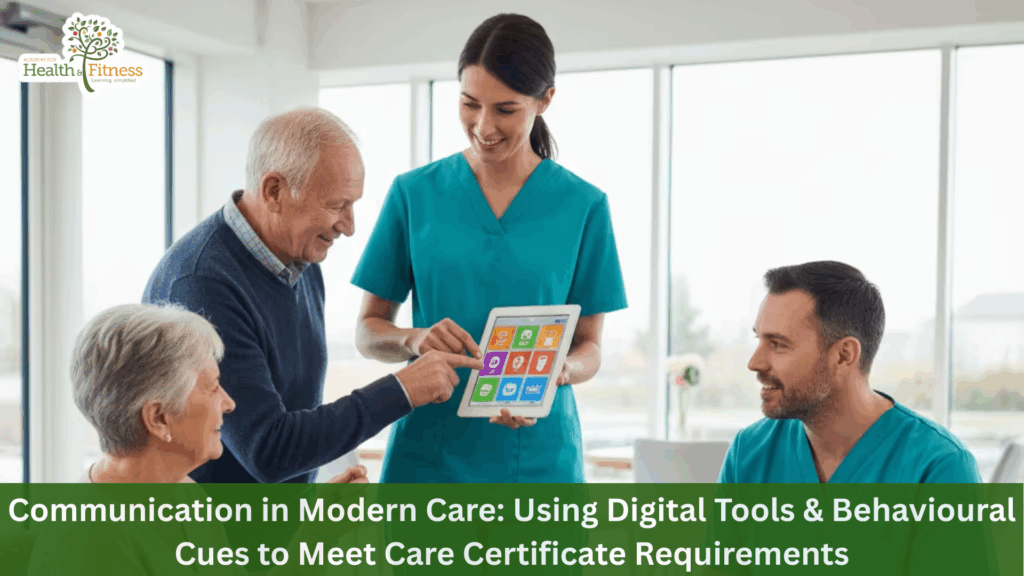
- Assistive technology – speech-to-text tools or tablets with communication apps for people with limited speech.
Using these tools supports Standard 6 by ensuring that communication is clear, accurate, and documented. It also helps carers overcome traditional barriers — for instance, sharing updates with a remote nurse or involving a family member who cannot visit in person.
Behavioural Cues and Observations

Not all communication is verbal. Behavioural cues often reveal what words cannot. Recognising these signs is key to understanding emotion, comfort, or distress. Carers should observe:
- Facial expressions – signs of pain, confusion, or satisfaction.
- Posture and movement – indicators of confidence or anxiety.
- Tone of voice – subtle changes can signal mood or concern.
- Eye movement – may show attention, worry, or disengagement.
For example, if a person smiles and relaxes after hearing an explanation, it shows understanding. If they avoid eye contact or seem tense, more reassurance may be needed. Recognising and responding to these cues meets Care Certificate expectations for sensitivity, empathy, and person-centred care.
Ways That Can Help You to Establish Communication in Modern Care
Establishing effective communication in modern care means understanding each person’s needs, using the right tools, and confirming that your message has been received as intended. Standard 6 of the Care Certificate — particularly outcomes 6.2 and 6.3 — focus on recognising different communication needs and adapting your approach to suit each situation.

Here are practical ways to strengthen communication and meet those requirements:
- Assess the individual’s preferred communication method
Find out how each person prefers to communicate — whether face-to-face, by phone, through gestures, or using digital tools. This respects personal choice and helps avoid misunderstandings. - Use a communication tool appropriate for the context
Choose the method that fits the situation. For example, use a video call for remote check-ins, a messaging app for staff updates, or written notes for record accuracy. The goal is clarity, not complexity. - Observe behavioural cues
Watch for signs of confusion, anxiety, or discomfort. Body language, tone, or facial expressions often reveal whether a message has been understood or if reassurance is needed. - Confirm understanding
Ask open but simple questions like “Can you tell me what you understood from that?” or “Would you like me to explain again?” Encouraging feedback avoids errors and promotes trust. - Document communication clearly
Record how information was shared, any preferences noted, and the outcome of the discussion. Good documentation supports continuity of care and transparency.
Practical Tips for Care Workers
- Check that any digital device used is set up properly and accessible.
- Maintain privacy and confidentiality when using digital tools or shared spaces.
- Be aware of digital literacy — not everyone is confident with technology. Offer guidance or support when needed.
- Adapt your approach if the individual has sensory or cognitive challenges — use visual aids, gestures, or repetition when appropriate.
4 Requirements that Must Be Met for Effective Communication Between Nurses and Patients
The four requirements that must be met for effective communication between nurses and patients are mutual understanding, respect and dignity, confidentiality in digital communication, and active monitoring with feedback. These form the foundation of Standard 6 of the Care Certificate, which ensures communication is clear, compassionate, and confidential across all care settings.
Mutual Understanding
Clear communication starts with mutual understanding. Nurses should use simple, plain language and avoid medical jargon that might confuse or worry patients. Each message must be tailored to the patient’s needs, whether that means slowing down speech, using visual aids, or repeating key points. When patients understand what’s being said, they can make informed choices and feel more in control of their care.
Respect and Dignity
Respect and dignity underpin every conversation in care. Communication should show kindness, patience, and cultural awareness. Nurses must recognise that every patient has different values, languages, and backgrounds, and adapt their approach accordingly. Small actions — such as listening without interruption or maintaining eye contact — show genuine care. According to DSD Web, maintaining dignity in communication helps meet Standard 6 by ensuring people feel valued, not judged.
Confidentiality and Safe Use of Digital Tools

Confidentiality is both an ethical and legal duty under Standard 6 of the Care Certificate. When using digital tools — such as care apps, tablets, or video calls — information must be handled safely. Nurses should:
- Use secure systems to share patient information.
- Avoid discussing care details in public or open areas.
- Log out of devices when finished and store data properly.
Following these steps protects patient privacy and strengthens trust. Secure digital communication also supports the principles of safe data management promoted by Skills for Care and the Care Quality Commission (CQC).
Monitoring and Feedback
Effective communication continues after the words are spoken. Nurses should observe behavioural cues — such as tone, posture, or facial expressions — to check how patients are responding. Digital feedback loops, like confirmation messages or care updates, also help measure understanding. Monitoring these cues ensures that care is not just delivered but understood and accepted.
Example in Practice
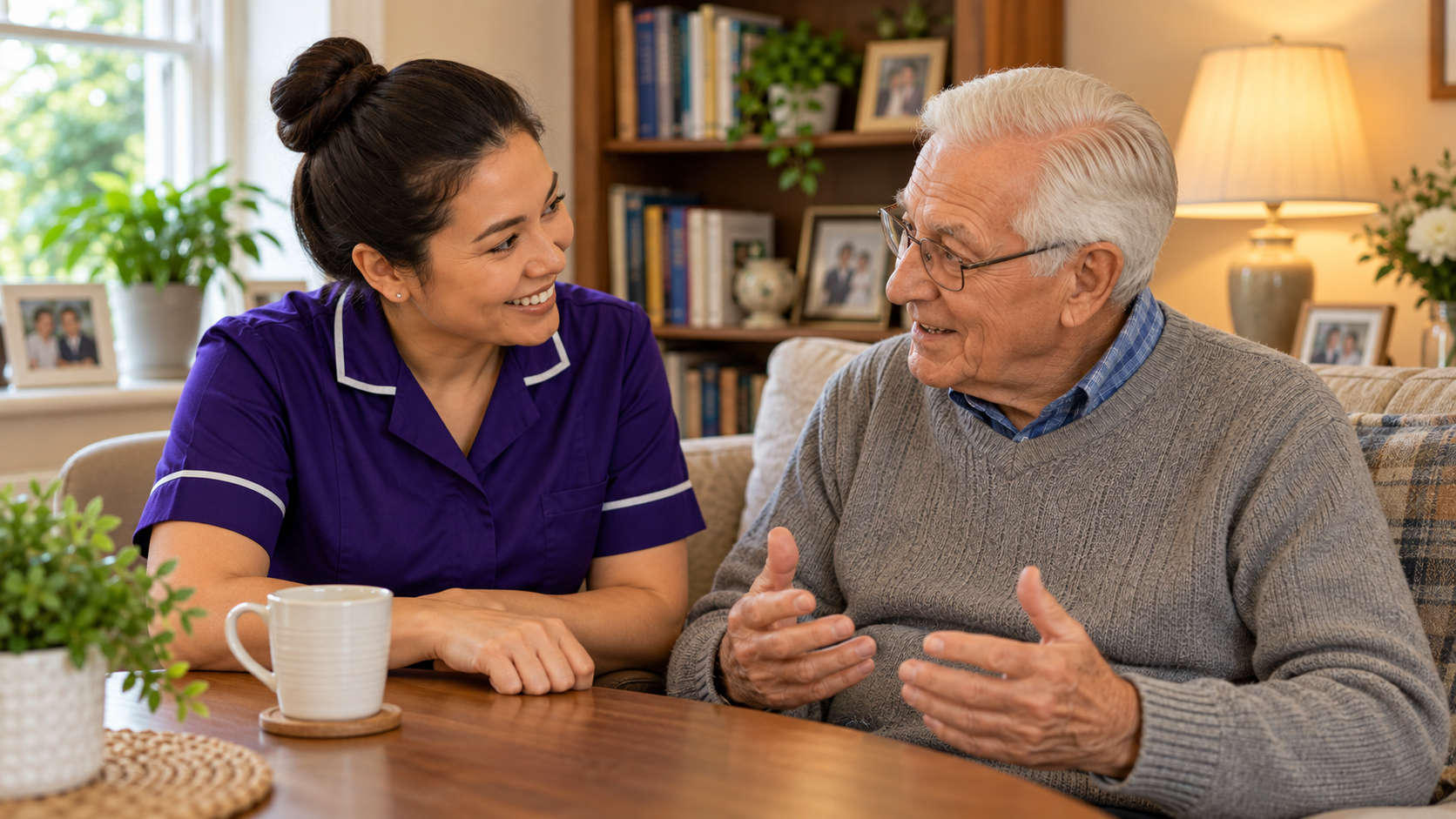
During a care review, a nurse uses a tablet to show a resident their medication schedule. The resident looks confused, so the nurse pauses, switches to a printed version with larger text, and explains each step calmly. When the resident smiles and nods, the nurse confirms understanding and updates the care record. This simple action — adjusting communication to meet the person’s needs — perfectly demonstrates Standard 6 in practice: clarity, empathy, and confidentiality combined.
Conclusion
Modern care depends on clear, honest, and adaptable communication. Using digital tools and recognising behavioural cues helps nurses and carers share information safely while keeping care personal.
By meeting the Care Certificate Standard 6 requirements, care professionals strengthen trust, protect dignity, and build genuine understanding. Communication done well turns good care into meaningful connection.