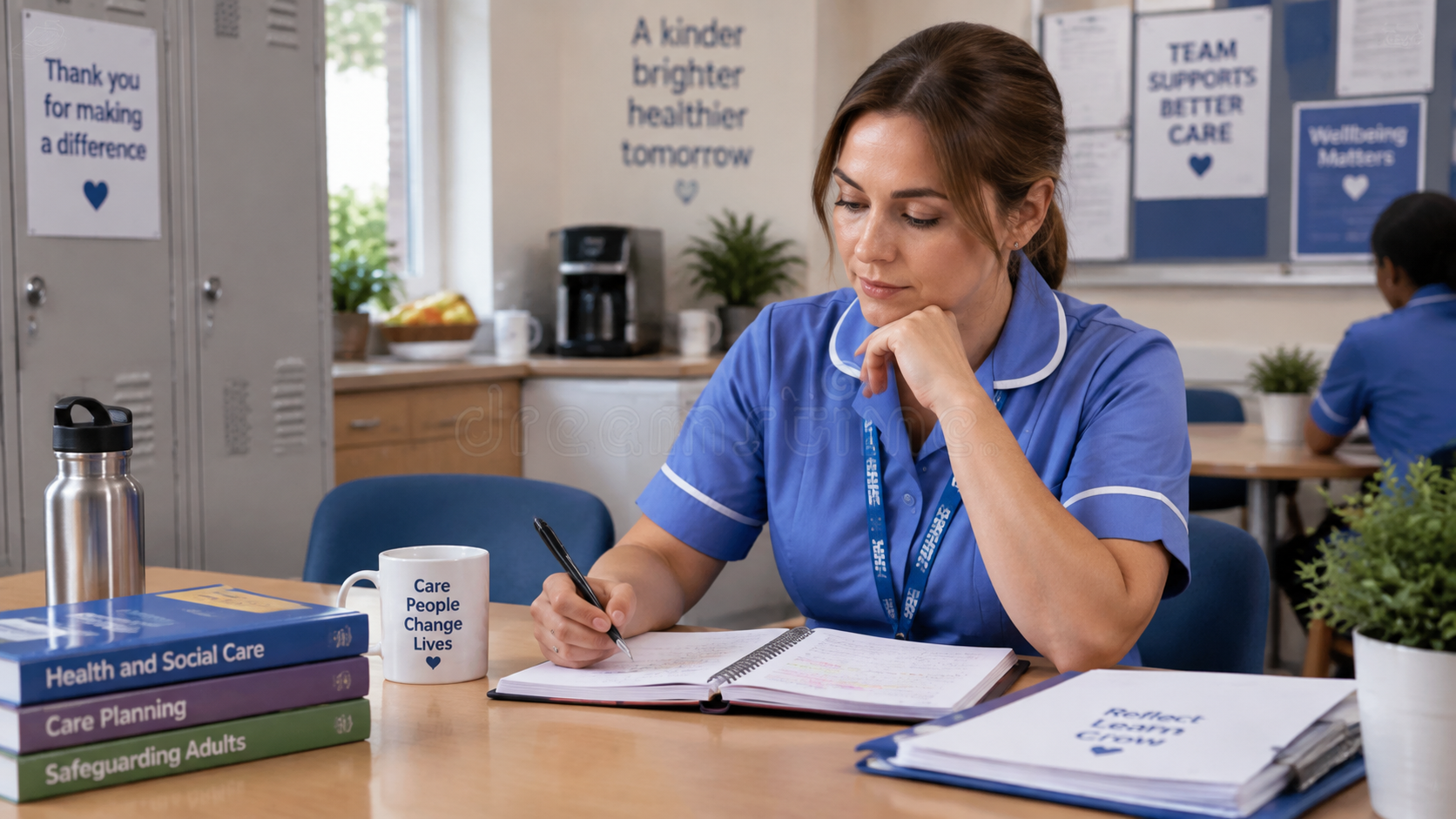
Imagine being the person responsible for someone’s wellbeing — their safety, dignity, and quality of life. The Care Certificate standards aren’t just a list of rules; they’re the cornerstone of providing exceptional, person‑centred care.
In simple terms, the Care Certificate standards set out 16 clear benchmarks that every new care worker must meet, ensuring competence, consistency, and quality in care. Whether you’re new to the sector or a seasoned worker refreshing your skills, these standards are vital for personal and professional growth.
This blog will provide you with:
- A clear breakdown of all 16 Care Certificate standards and their purposes
- Why these standards matter for individuals and organisations
- How to complete the certificate, including the 2026 update
- Common misunderstandings and how the standards support career growth
What Are the Care Certificate Standards?

The Care Certificate is a set of national standards designed for those working in health and social care who aren’t required to register, like healthcare assistants, support workers, and care assistants. These standards were introduced after the 2013 Cavendish Review to ensure that everyone providing care has the same basic knowledge, skills, and behaviours needed to do so effectively and safely.
Launched in 2015 and updated in March 2026, the Care Certificate applies to all new care workers across England, with a new focus on learning disability and autism included in the latest update. While regulated professionals like nurses and doctors achieve similar competencies through their qualifications, they aren’t required to complete the Care Certificate.
Developed by Skills for Care, Skills for Health, and NHS England, the standards provide a solid foundation for anyone stepping into the health and social care field, ensuring they start with the right knowledge and skills to provide safe, compassionate care.
The Purpose of the Care Certificate
The Care Certificate’s main aim is to ensure consistent, safe practice across the workforce. It equips workers with fundamental skills and behaviours to deliver compassionate, high‑quality care. By following the standards, carers learn to work in a person‑centred way, respect privacy and dignity, communicate effectively and maintain safety and wellbeing.
The standards also help build trust and professionalism. Because they are nationally recognised, employers and regulators (such as the Care Quality Commission) know that someone who has completed the Care Certificate has met a common baseline. The certificate forms part of most induction processes and apprenticeship programmes. Skills for Care and Skills for Health encourage employers to use the Care Certificate as a foundation for ongoing development and to support CQC compliance.
The 16 Care Certificate Standards (2026 Update)
The 2026 update confirmed 16 standards. Each builds on the others to create a holistic approach to person‑centred care:
- Understand Your Role – Know your job description, responsibilities and how your role fits within your organisation.
- Your Personal Development – Take responsibility for learning and development, reflecting on practice and seeking feedback.
- Duty of Care – Understand your duty to keep people safe from harm and respond to concerns appropriately.
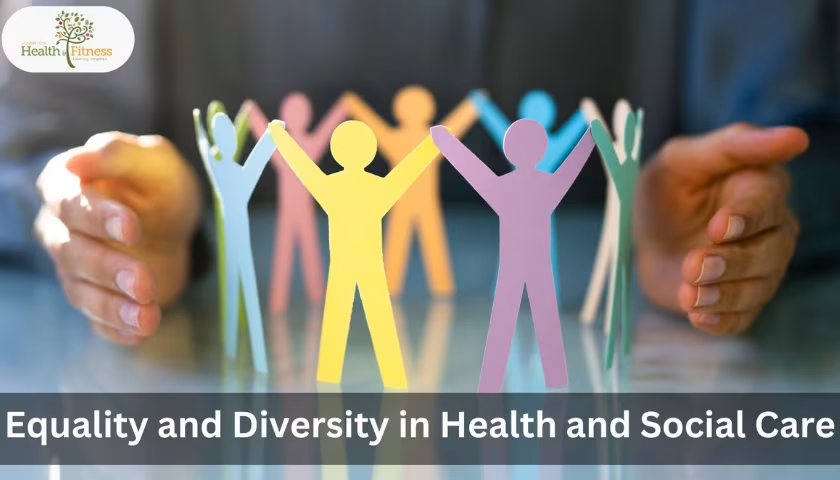
- Equality, Diversity, Inclusion and Human Rights – Value differences and uphold individuals’ rights to fair treatment.
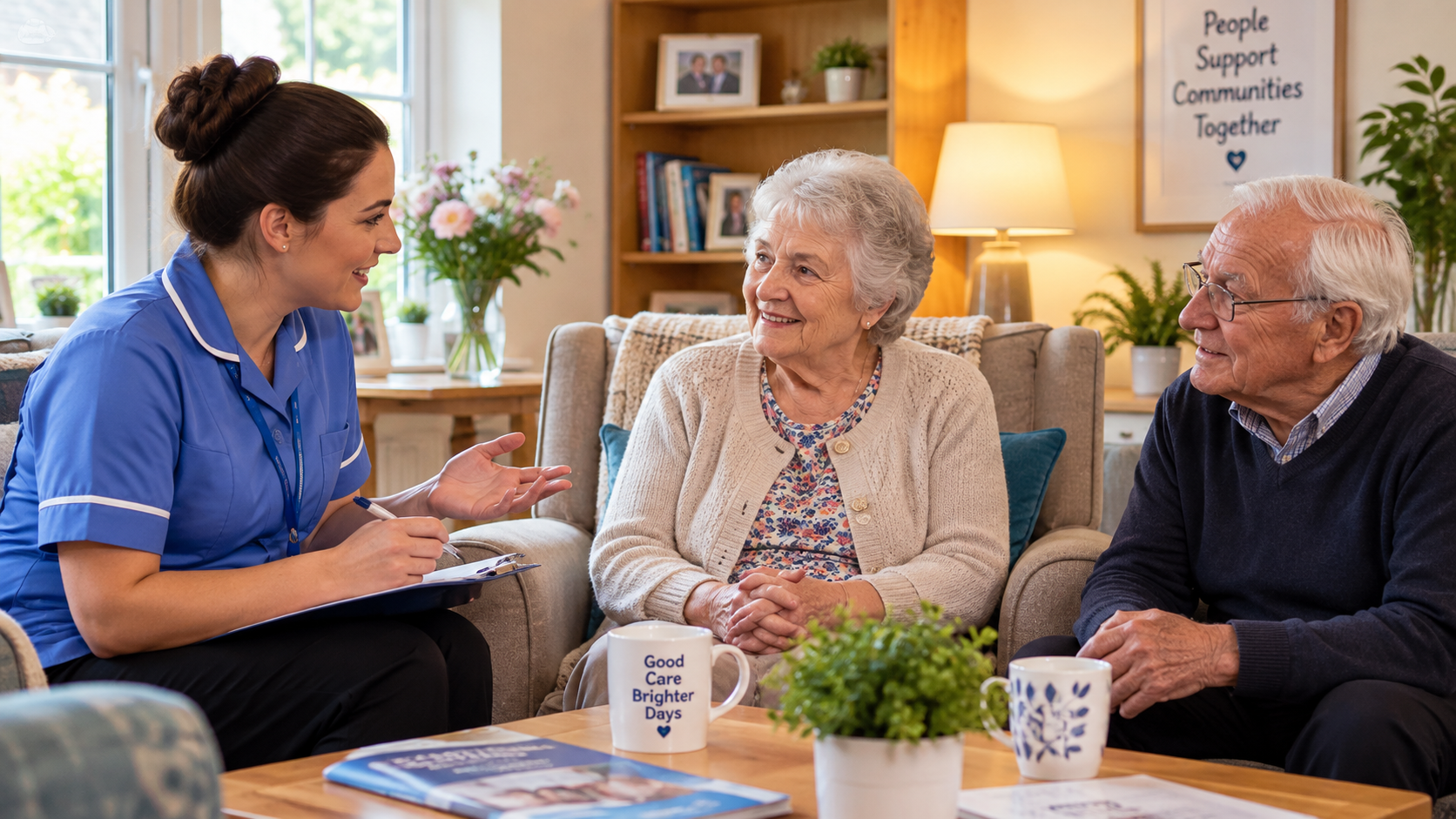
- Work in a Person‑Centred Way – Put the individual at the heart of care planning and delivery.
- Communication – Use clear, respectful communication and adapt your style to meet people’s needs.
- Privacy and Dignity – Maintain confidentiality and protect the dignity of those you support.
- Fluids and Nutrition – Support adequate hydration and nutrition, recognising signs of poor intake.
- Awareness of Mental Health, Dementia and Learning Disability – Understand common mental health conditions and respond appropriately.
- Safeguarding Adults – Recognise signs of abuse or neglect and know how to report concerns.
- Safeguarding Children – Understand policies and procedures to protect children and young people from harm.
- Basic Life Support – Perform CPR and other basic life‑saving techniques within your remit.
- Health and Safety – Manage risk and follow safe working practices, including moving and handling and infection control.
- Handling Information – Store and share data securely, respecting confidentiality.
- Infection Prevention and Control – Apply standard precautions to reduce infection risks.
- Awareness of Learning Disability and Autism (new in 2025) – Recognise the needs of people with learning disabilities or autism and support them safely and effectively.
These standards are designed to be practical and interrelated. For example, good communication underpins safeguarding, and understanding equality supports person‑centred practice. Together they build a comprehensive framework for caring.
Why the Care Certificate Standards Matter
Meeting the Care Certificate standards protects service users by ensuring consistent, high‑quality care. When every worker understands their duty of care, respects individuality and communicates effectively, service users receive safer, more dignified support.
The standards also support regulatory compliance. The CQC looks for evidence that new staff have completed the Care Certificate as part of induction and that organisations follow national good practice. For employers, using the standards helps demonstrate a commitment to safe, person‑centred care and reduces risks.
On a personal level, completing the certificate builds confidence and professional pride. New carers gain a clear understanding of what is expected of them and how to apply principles such as safeguarding, privacy and dignity. This empowerment encourages better decision‑making and accountability.
How to Complete the Care Certificate
You can complete much of the Care Certificate through online study, but it cannot be achieved through e‑learning alone. Digital courses provide theoretical knowledge through modules, videos and quizzes; however, the certificate must be assessed in the workplace by a qualified supervisor.
A typical completion pathway looks like this:
- Online learning – Study each standard via an approved course. Many providers offer self‑paced modules, interactive lessons and downloadable resources.
- Workplace practice – Apply what you learn in your day‑to‑day role. Keep a portfolio of evidence such as observations, witness statements and reflective accounts.
- Employer assessment – A manager or assessor observes your practice, reviews your portfolio and signs off on each standard. Without this practical assessment, an online course alone does not meet the requirements.
- Sign‑off – Once you have demonstrated competence across all 16 standards, your employer will confirm your achievement.
The 2026 Care Certificate Update: What’s New?

In March 2026, the Care Certificate was updated. The most significant change was the addition of Standard 16: Awareness of Learning Disability and Autism. This new standard ensures that all workers have a basic understanding of how to support individuals with learning disabilities or autism and reflects growing awareness of these needs.
The update also refreshed focus on digital skills, inclusive practice and data security – acknowledging the increasing use of electronic records and online communication in care settings. By updating the standards, Skills for Care and Skills for Health ensure that training remains relevant and aligned with current legislation and practice.
Common Misunderstandings About the Care Certificate
- “It’s just a tick‑box exercise.” Actually, the certificate is about demonstrating competence and behaviour, not just knowledge. Online modules must be followed by practical assessment.
- “It replaces formal qualifications.” The Care Certificate complements – it doesn’t replace – NVQs, Diplomas or other qualifications. It is an induction standard, not a substitute for higher-level training.
- “You can pass online only.” You cannot complete the certificate through e‑learning alone. Employers must assess practice in the workplace.
How the Standards Support Career Growth
Completing the Care Certificate builds transferable skills across the health and social care sector. The standards mirror many competences found in Level 2 and Level 3 Diplomas, making the certificate a strong foundation for future qualifications.
The emphasis on reflection, personal development and person‑centred working encourages lifelong learning. As you progress, you can build on these standards, deepening your knowledge in specialist areas such as dementia, end‑of‑life care or mental health. Organisations value staff who commit to learning and maintain up‑to‑date practice.
Conclusion
The Care Certificate standards provide a clear, practical framework for delivering safe, person‑centred care. Understanding and applying all 16 standards ensures that every worker starts from the same baseline, protecting service users and supporting a culture of quality.
By completing the Care Certificate through a blend of online learning and workplace assessment, carers not only meet regulatory expectations but also build confidence and competence for a rewarding career in health and social care.