

Staying healthy in a care setting is the result of careful habits. Infection prevention protects both the people receiving care and the staff providing it. Every cough, sneeze or unwashed hand can carry invisible passengers. Care Certificate Standard 15: Infection Prevention and Control reminds us that good hygiene is an act of kindness. It keeps vulnerable people safe and lets carers do their work with confidence.
Care Certificate Standard 15 focuses on reducing infection risks by using safe hygiene practices, understanding how infections spread and following clear procedures in your workplace. The aim is simple: stop infections before they start and break the chain whenever germs try to travel.
In this blog you’ll explore:
- What infection prevention and control means
- How infections spread
- How to break the chain of infection
- Your responsibilities under Standard 15
- Practical hygiene and PPE tips
- Key laws and national guidance
Why Care Certificate Standard 15 Matters in Care Settings

Infection prevention sounds clinical, but it’s deeply personal. Harmful germs – bacteria, viruses, fungi, parasites and protozoa – can cause serious illness when they enter the body. Some people are more vulnerable because of age or health conditions, and infections can become life‑threatening. Standard 15 exists to protect them.
Poor hygiene can lead to outbreaks, hospital admissions and, in some cases, fatalities. I still remember visiting a care home where everyone shared sweets from an open dish. A week later half the residents had a norovirus. They hadn’t considered how easily germs move from hand to mouth. By following infection control measures – like covering coughs, cleaning hands and surfaces and staying home when ill – we prevent such outbreaks and protect those who can’t fight infections easily.
Understanding How Infections Spread
To stop infections, you first need to know how they spread. Health professionals talk about the chain of infection. It has six links:
- Causative agent – the pathogen (bacteria, virus, fungus, parasite) that causes disease.
- Reservoir or source – where the pathogen lives and multiplies. It could be a person, animal, soil, water or food.
- Means of exit – how the pathogen leaves the source, such as in saliva, mucus, vomit, faeces or blood.
- Mode of transmission – how the pathogen travels. In care settings contact is most common, either through direct contact (hands) or indirect contact (equipment or surfaces). Some pathogens stay in the air and can be inhaled.
- Portal of entry – how the pathogen enters a new person. It can be through broken skin, eyes, nose, mouth or via medical equipment like catheters.
- Person at risk – the individual exposed to infection. Their risk depends on their health and immune system.
If any link in this chain is broken, the infection cannot spread. Think about how germs travel on hands. You touch a contaminated surface, scratch your nose and then serve food. Without hand hygiene, you’ve created a chain from the pathogen to a vulnerable person.
Breaking the Chain: Everyday Actions That Prevent Harm

Good habits interrupt transmission. Standard precautions are the actions you should take every time you provide care:
- Hand hygiene – clean your hands before and after contact with someone, after exposure to blood or body fluids, and before handling food or carrying out a clean procedure. Wash with soap and warm water for 20 seconds, using paper towels to dry. Alcohol‑based hand rub can be used if hands aren’t visibly dirty, but always use soap and water for illnesses like diarrhoea or vomiting, as some germs aren’t killed by alcohol.
- Safe disposal of waste – handle and dispose of waste promptly. Waste bags should not be overfilled and must be colour‑coded where appropriate.
- Safe management of laundry – keep clean and dirty laundry separate; use water‑soluble bags and wash at high temperatures when handling contaminated linens.
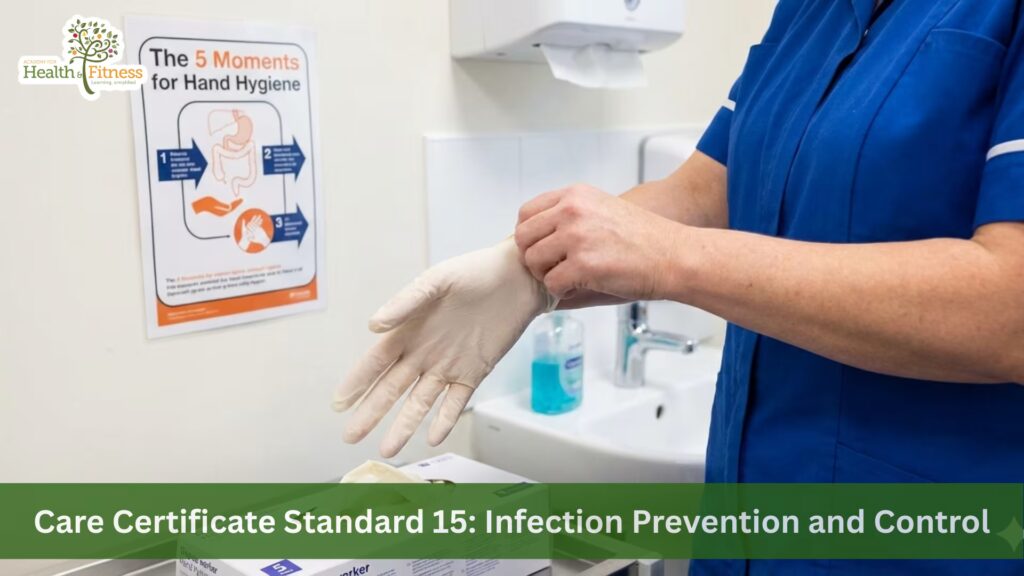
- Correct use of personal protective equipment (PPE) – wear gloves and aprons if you expect contact with blood, body fluids or non‑intact skin. Always wash hands before putting PPE on and after taking it off. Dispose of PPE after one task; don’t reuse gloves or aprons.
Imagine you’re cleaning up after lunch and someone suddenly vomits. You put on gloves and an apron, use the correct cleaning products and dispose of the waste immediately. Then you wash your hands and report the incident. Acting quickly breaks the chain and prevents an outbreak.
Your Responsibilities Under Care Certificate Standard 15
Standard 15 makes infection control everyone’s responsibility. You should:
- Follow policies and procedures – know the infection control measures in your workplace and follow them consistently.
- Use PPE correctly – think before you start a task and choose the right PPE for the risk. Don’t wear gloves or aprons longer than necessary.
- Report concerns – if you notice faulty handwashing facilities, lack of cleaning supplies or signs of infection (like multiple residents coughing), tell your manager. Early reporting prevents bigger problems.
- Maintain a safe environment – keep surfaces clean, equipment maintained, and waste bins emptied.
- Stay at home when ill – if you have diarrhoea, vomiting, cold or flu symptoms, speak to your manager and stay off work until you’re symptom‑free for 48 hours.
- Keep up with vaccinations – staying up to date with vaccines protects you and the people you support.
For example, if the hot water tap in the communal bathroom breaks, don’t shrug and carry on. Let maintenance know, use alternatives and record the issue. Handwashing needs warm water to be effective.
PPE, Hand Hygiene and Other Practical Skills
When and how to use PPE and hand hygiene can be confusing, so here are some practical pointers:
- Gloves and aprons – wear them for tasks with a risk of contact with body fluids or broken skin. Remove and dispose of them as soon as you finish and wash your hands. Don’t wear the same gloves around the building; they become contaminated.
- Masks and eye protection – needed when there’s a risk of splashes or for certain diseases like COVID‑19.
- What NOT to do – avoid wearing gloves for administrative tasks or walking down corridors. Gloves should not replace handwashing. Overuse can spread germs rather than prevent them.
- Handwashing technique – wet hands, apply soap, rub palm to palm, interlace fingers, clean thumbs, fingertips and wrists, then rinse and dry thoroughly.
- Five moments for hand hygiene – clean hands (1) before touching the person you support, (2) immediately before a clean procedure, (3) after exposure to body fluids and after removing gloves, (4) after touching the person, and (5) after touching their surroundings.
- Personal hygiene – keep nails short, avoid jewellery (other than a plain wedding band) and cover cuts with waterproof dressings.
In my first care job I struggled to remember when to wash my hands. I stuck a small reminder card on my pocket listing the five moments. Soon it became second nature. Little cues help build habits.
When Infection Prevention Becomes Challenging
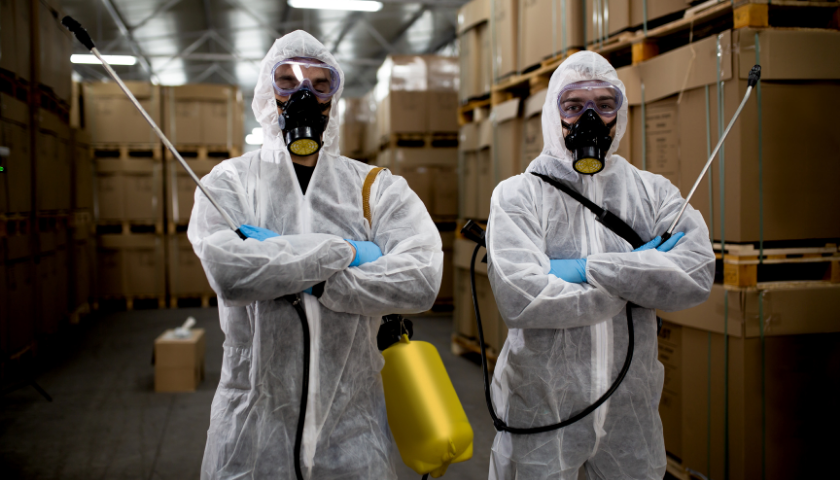
Reality isn’t always neat. You may face:
- Staff shortages or busy shifts – when you’re rushed, it’s tempting to skip handwashing or PPE. Remember that a minute saved now could mean days of illness later. Ask for help if you’re overwhelmed.
- People refusing PPE – some individuals don’t like masks or gloves on their carers because it feels impersonal. Explain that PPE protects them and remove it once the risk has passed.
- Balancing dignity and safety – someone might insist on shaking hands or hugging. Offer alternative greetings like a wave or an elbow bump during outbreaks.
- Training gaps – if you’re unsure how to handle a specific infection, ask your manager or infection control lead. It’s better to admit gaps than guess.
For instance, I once cared for a gentleman with dementia who kept removing his oxygen mask and coughing over the room. We worked with his family to find a comfortable alternative and encouraged him to use tissues. We gently reminded him of the cough etiquette, making him feel respected while protecting others.
Laws and Guidance That Support Safe Care
Infection prevention isn’t optional; it’s enshrined in law. Key regulations include:
- Health and Social Care Act 2008 (Regulated Activities) Regulations 2014 – Regulation 12 – requires providers to prevent unsafe care and avoidable harm. They must assess risks, ensure staff are competent and prevent and control the spread of infection. Providers must show they have taken reasonable steps to keep people safe.
- Code of practice on the prevention and control of infections – this guidance, updated in 2022, sets out how providers should manage infection control in line with the regulations. It emphasises risk assessments, clean environments, appropriate antimicrobial use, timely identification of infections and staff training.
- Care Quality Commission (CQC) expectations – CQC inspects care providers to ensure they meet these standards. If providers fail to prevent infection, CQC can refuse registration, take enforcement action or prosecute.
- COSHH and other regulations – the Control of Substances Hazardous to Health Regulations cover safe storage and use of chemicals; these help reduce risks from cleaning products and disinfectants.
National guidance such as the Department of Health and Social Care’s Infection prevention and control: quick guide for care workers offers practical advice on hand hygiene, PPE, cleaning, laundry and waste. It emphasises that IPC training should be provided and followed in every care setting.
How Standard 15 Links With the Rest of the Care Certificate

Infection prevention connects to every part of caring. Health and Safety (Standard 13) teaches safe environments; many hazards involve contamination and require cleaning. Dementia awareness (Standard 9) reminds us that people with cognitive decline may struggle to follow hygiene routines, increasing infection risk. Duty of care (Standard 3) means acting to protect people from harm, including infection. Nutrition and hydration (Standard 8) links to food safety; proper handwashing prevents foodborne illness. Person‑centred care (Standard 5) shows us how to involve individuals in their own infection prevention – encouraging them to wash hands and wear masks when necessary. Seeing these standards as connected creates a consistent, safe practice.
Conclusion
Infections are invisible but not inevitable. By understanding how diseases spread, using good hygiene and PPE and following policies, we break the chain of infection. These habits protect the people we support and keep us healthy, too. Infection prevention is everyone’s responsibility, and it starts with the next pair of hands you wash