Understanding the Care Certificate

The Care Certificate was first introduced in 2015 by Skills for Care, Health Education England, and Skills for Health. It was created to make sure everyone entering health and social care has the same essential skills, knowledge, and values to deliver safe, compassionate, and high-quality care.
Originally made up of 15 standards, the framework was updated in March 2025 to include a 16th standard — Awareness of Learning Disability and Autism — reflecting the growing importance of inclusive care and understanding individual needs.
It’s mainly designed for new care workers, including healthcare assistants, support workers, and adult social care staff. The certificate helps them understand their responsibilities, work safely, and deliver person-centred care. It’s often completed during induction and forms the foundation of professional development in the care sector.
Each standard focuses on a key area — from communication and equality to safeguarding and infection control. Together, they build the skills and confidence needed to care for people with respect and competence.
Care Certificate Answers: Standard 1 – 16
The Care Certificate is made up of 16 standards that together form the foundation of safe, high-quality care practice in the UK. Each standard focuses on a key skill or area of knowledge every care worker needs to perform their role effectively.
Below, you’ll find clear, easy-to-understand answers for each of the Care Certificate Standards 1–16 — including key learning outcomes, real workplace examples, and practical tips to help you pass your assessment with confidence.
Care Certificate Standard 1: Understand Your Role

The Care Certificate Standard 1 helps you understand exactly what’s expected of you as a care worker and how your role fits within the wider care team. It ensures you know your duties, boundaries, and responsibilities so that the people you support receive safe, consistent, and respectful care. You’ll also learn how your work contributes to your organisation’s values and how to seek guidance when needed.
Key Learning Outcomes
- Identify your main duties and boundaries
- Follow agreed ways of working and policies
- Understand your role within the wider care team
- Know when to ask for guidance or support
Example Answers
- “My role involves helping people with daily care needs while promoting dignity and respect.”
- “I report any concerns about safety or wellbeing to my supervisor immediately.”
- “I follow my organisation’s values and policies in all aspects of my work.”
Practical Tips for Assessors
- Describe one real situation showing teamwork or communication.
- Relate your examples to your job description and company policies.
- Keep your answers specific and realistic.
Care Certificate Standard 2: Your Personal Development
The Care Certificate Standard 2 focuses on growing your confidence and competence over time. In care, learning never stops — every experience is a chance to improve. This standard teaches you how to reflect on your work, accept feedback positively, and create a personal development plan (PDP) that helps you become better at supporting others.
Key Learning Outcomes
- Recognise the value of ongoing learning in care
- Create and maintain a personal development plan (PDP)
- Use feedback from supervision to grow professionally
- Set achievable goals and review progress
Example Answers
- “I review my PDP regularly and update it after each supervision.”
- “Feedback from colleagues helps me improve my communication skills.”
- “I completed online training in dementia awareness to support my role.”
Practical Tips for Assessors
- Mention one skill you are improving and how you’re doing it.
- Give evidence of training or supervision discussions.
- Keep your goals realistic and measurable.
Care Certificate Standard 3: Duty of Care
The Care Certificate Standard 3 reinforces your professional and moral duty to keep people safe from harm. It means acting in the best interests of those you support, even when faced with difficult choices. You’ll learn how to balance people’s rights with your responsibility to protect their safety and wellbeing.
Key Learning Outcomes
- Understand what duty of care means in practice
- Recognise and manage dilemmas or risks safely
- Report incidents or concerns promptly
- Follow policies that protect individuals’ rights
Example Answers
- “I ensure safety by following risk assessments and reporting hazards immediately.”
- “If a person refuses care, I respect their choice but explain possible risks.”
- “I record and report any unsafe practice to my manager.”
Practical Tips for Assessors
- Give one workplace example of managing a care dilemma.
- Refer to safeguarding or whistleblowing policies.
- Focus on how your actions protect others.

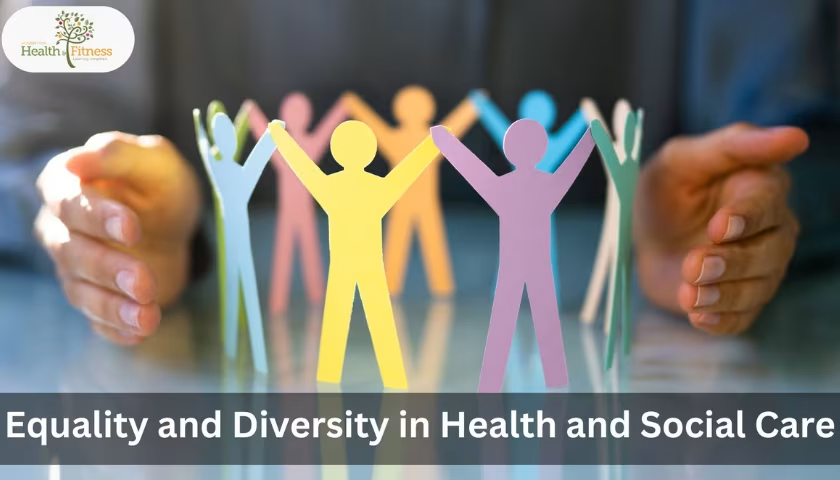
Care Certificate Standard 4: Equality and Diversity
The Care Certificate Standard 4 is about treating every person with fairness, respect, and understanding. In health and social care, no two individuals are the same — each has their own beliefs, background, and identity. This standard helps you value those differences and provide care that’s inclusive, non-judgmental, and free from discrimination.
Key Learning Outcomes
- Understand equality, diversity, and inclusion
- Recognise and challenge discrimination
- Support individual preferences and needs
- Follow workplace policies that promote fairness
Example Answers
- “I treat everyone with respect and adapt care to meet cultural or religious needs.”
- “I report any unfair behaviour or comments immediately.”
- “I help each person express their choices and preferences.”
Practical Tips for Assessors
- Give a short example of how you promote inclusion.
- Mention how you ensure equal access to care.
- Use clear, respectful language throughout.
Care Certificate Standard 5: Work in a Person-Centred Way
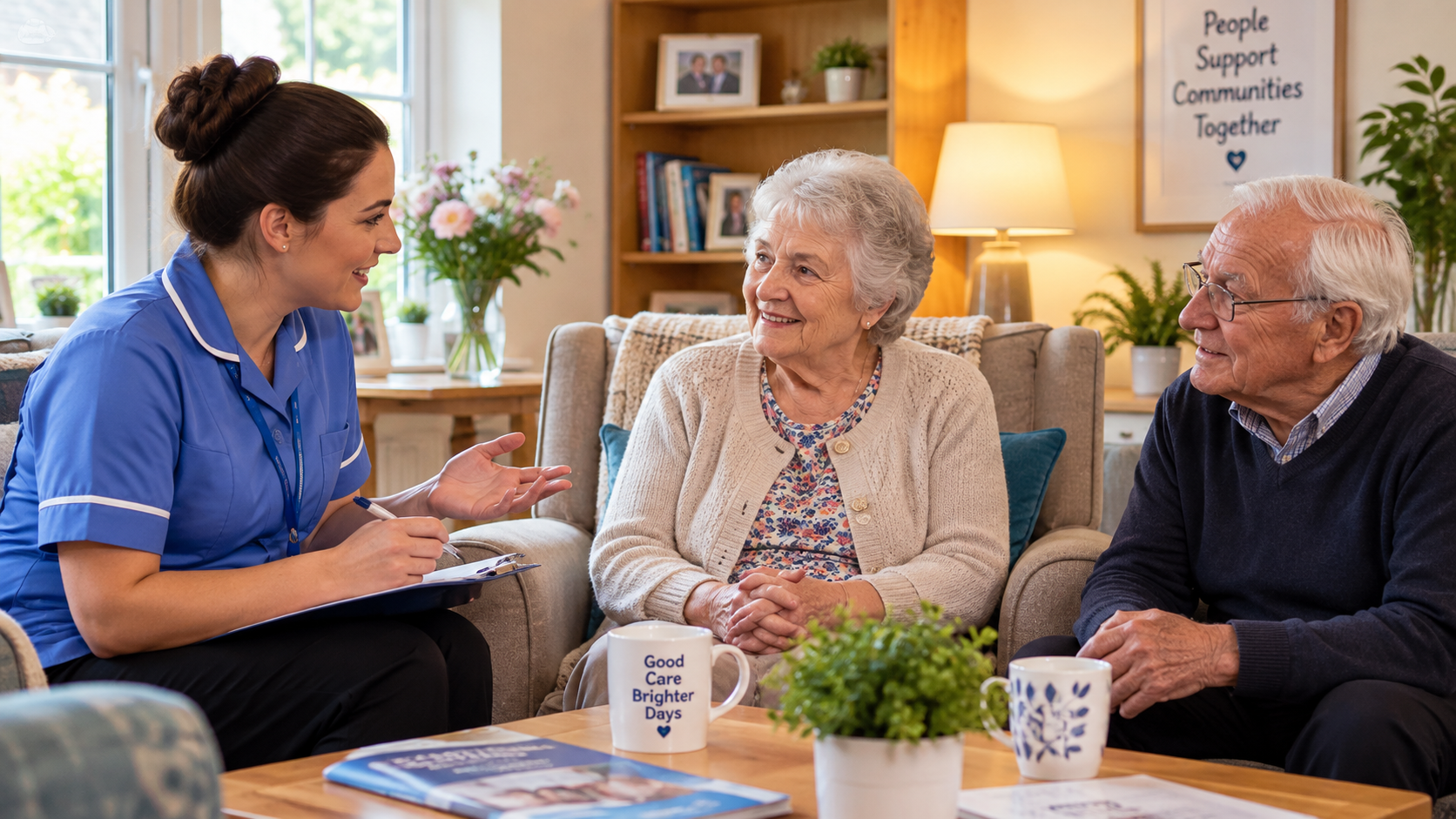
The Care Certificate Standard 5 ensures you see the person before the task. It teaches you to provide care that is built around individual needs, preferences, and choices — not just routines. You’ll learn how to listen actively, involve people in decisions, and respect what matters most to them.
Key Learning Outcomes
- Understand person-centred values and practice
- Involve individuals in planning and decisions
- Promote choice, dignity, and independence
- Adapt support to meet personal preferences
Example Answers
- “I always ask how people prefer to be supported before starting a task.”
- “I include personal goals and wishes in care plans.”
- “I respect each person’s right to make their own decisions.”
Practical Tips for Assessors
- Use a real example that shows how you promote choice.
- Link your actions to better dignity or independence.
- Avoid generic statements — use your own experience.
Care Certificate Standard 6: Communication
The Care Certificate Standard 6 highlights how communication is at the heart of good care. It’s not just about talking — it’s about listening, understanding, and responding in a way that makes others feel heard and respected. You’ll learn how to use both verbal and non-verbal methods effectively to build trust and avoid misunderstandings.
Key Learning Outcomes
- Recognise different methods of communication
- Use active listening and body language effectively
- Overcome barriers to understanding
- Record and share information accurately
Example Answers
- “I use plain language when explaining care tasks.”
- “I face individuals with hearing loss and speak clearly.”
- “I write accurate notes so other staff know what support was given.”
Practical Tips for Assessors
- Show how you adapt communication for each person’s needs.
- Include an example of both verbal and non-verbal communication.
- Highlight how clear records support teamwork.
Care Certificate Standard 7: Privacy and Dignity
The Care Certificate Standard 7 teaches you how to uphold a person’s dignity and privacy in every situation. It’s about recognising that each individual has the right to personal space, respect, and control over their own life — even when they need support. This standard reminds you that small actions, like knocking before entering or explaining what you’re doing, make a big difference.
Key Learning Outcomes
- Understand the importance of privacy and dignity
- Maintain confidentiality of personal information
- Respect personal space and boundaries
- Support independence and informed choice
Example Answers
- “I knock before entering a room and close curtains during personal care.”
- “I only share information with authorised staff.”
- “I explain what I’m doing so the person feels respected.”
Practical Tips for Assessors
- Use an example showing how you protect dignity daily.
- Mention UK GDPR (2025) or your organisation’s confidentiality policy
- Focus on small respectful actions that make a difference.
Care Certificate Standard 8: Fluids and Nutrition
The Care Certificate Standard 8 focuses on helping individuals eat and drink safely to maintain their health and wellbeing. Proper nutrition and hydration are essential for recovery, comfort, and energy. This standard helps you understand how to monitor food and fluid intake, recognise warning signs like dehydration, and support personal preferences around meals.
Key Learning Outcomes
- Understand why proper nutrition and hydration are vital
- Recognise signs of poor diet or dehydration
- Support food and drink preferences
- Record and monitor intake correctly
Example Answers
- “I encourage regular drinks and record them on a fluid chart.”
- “I check for allergies before serving meals.”
- “I report changes in appetite to my supervisor.”
Practical Tips for Assessors
- Include an example of monitoring or recording intake.
- Mention tools like food or fluid charts.
Explain how you promote safe eating or drinking.
Care Certificate Standard 9: Awareness of Mental Health, Dementia and Learning Disabilities
The Care Certificate Standard 9 helps you understand how mental health conditions, dementia, and learning disabilities affect daily life. It encourages empathy, patience, and a person-centred approach — seeing each person as more than their diagnosis. You’ll learn how to spot changes in mood or behaviour and how to respond with understanding and respect.
Key Learning Outcomes
- Recognise signs of mental health issues or cognitive decline
- Apply person-centred approaches to support
- Promote inclusion and choice
- Report concerns and changes promptly
Example Answers
- “I speak calmly and give time for people with dementia to respond.”
- “I report signs of anxiety or confusion straight away.”
- “I focus on what people can do, not what they can’t.”
Practical Tips for Assessors
- Show empathy and patience in your examples.
- Mention one strategy you use to reduce distress.
- Highlight how early reporting prevents harm.

Care Certificate Standard 10: Safeguarding Adults
The Care Certificate Standard 10 focuses on protecting adults who may be vulnerable to abuse or neglect. It teaches you how to recognise warning signs, respond appropriately, and follow safeguarding procedures. This standard aligns with the Care Act 2014, which sets out duties for local authorities and care providers to protect adults from abuse or neglect.
Key Learning Outcomes
- Identify types and signs of abuse
- Understand your responsibility to report concerns
- Follow local safeguarding procedures
- Support individuals’ rights to safety and dignity
Example Answers
- “I report any signs of abuse or neglect immediately.”
- “I record concerns and follow the safeguarding policy.”
- “I help protect vulnerable adults by acting quickly and responsibly.”
Practical Tips for Assessors
- List one type of abuse and describe how you’d report it.
- Refer to safeguarding or Care Act 2014 procedures.
- Keep your example factual and clear.
Care Certificate Standard 11: Safeguarding Children
The Care Certificate Standard 11 builds your understanding of child protection and safeguarding responsibilities. It ensures you can identify signs of abuse or neglect, know how to respond, and report concerns correctly. This standard reminds you that protecting children is everyone’s responsibility — no matter your role or setting.
Key Learning Outcomes
- Understand key child protection principles
- Identify types and signs of abuse
- Follow correct reporting procedures
- Maintain confidentiality and accuracy
Example Answers
- “I report any concerns to my safeguarding lead following the Children Act 1989.”
- “I look out for changes in behaviour or unexplained injuries.”
- “I record information carefully and share only with authorised staff.”
Practical Tips for Assessors
- Include how you report and to whom.
- Reference “Working Together to Safeguard Children” (2018).
- Emphasise accuracy and confidentiality.
Care Certificate Standard 12: Basic Life Support
The Care Certificate Standard 12 gives you the knowledge and confidence to act in a medical emergency. You’ll learn the basic principles of CPR (Cardiopulmonary Resuscitation) and how to use an AED (Automated External Defibrillator) safely. The goal is to help you stay calm and take quick, correct action to save a life before professional help arrives.
Key Learning Outcomes
- Recognise emergencies quickly
- Perform CPR safely
- Use defibrillators where available
- Follow workplace emergency procedures
Example Answers
- “I check for danger, call for help, and start CPR immediately.”
- “I use an AED if available and continue until help arrives.”
Practical Tips for Assessors
- Mention when you last completed life support training.
- Emphasise remaining calm under pressure.
- Use a brief, real scenario for context.
Care Certificate Standard 13: Health and Safety
The Care Certificate Standard 13 ensures that you work safely and help protect others in your care environment. It covers hazard awareness, risk assessments, and the proper use of equipment and PPE. You’ll learn how to spot potential dangers early and follow workplace procedures to prevent accidents and illness.
Key Learning Outcomes
- Understand risk assessment and hazard control
- Follow health and safety policies
- Use equipment correctly and safely
- Report accidents and near misses
Example Answers
- “I check the environment for hazards before providing care.”
- “I always use PPE and safe moving techniques.”
Practical Tips for Assessors
- Include a workplace example showing how you prevent accidents.
- Mention any health and safety training.
- Keep your explanation simple and accurate.
Care Certificate Standard 14: Handling Information

The Care Certificate Standard 14 focuses on keeping personal information safe, accurate, and confidential. It helps you understand the importance of data protection laws — especially under UK GDPR (2025 update) under the Data Protection and Digital Information Act — and your role in maintaining trust. You’ll learn how to record and store information correctly and only share it with authorised individuals.
Key Learning Outcomes
- Maintain confidentiality and data security
- Record and store information accurately
- Share data appropriately
- Understand legal responsibilities under GDPR
Example Answers
- “I store care notes securely and discuss them only with authorised staff.”
- “I follow GDPR 2025 rules to protect personal information.”
Practical Tips for Assessors
- Show how you protect confidentiality daily.
- Mention your organisation’s data protection policy.
- Avoid vague statements — be specific about how you handle records.
Care Certificate Standard 15: Infection Prevention and Control
The Care Certificate Standard 15 teaches you how to reduce the spread of infection and keep everyone safe in a care environment. You’ll learn about proper hand hygiene, correct use of PPE, and cleaning procedures. Following this standard helps protect not only the people you care for, but also you and your colleagues.
Key Learning Outcomes
- Understand infection transmission and prevention
- Follow correct hand hygiene and PPE use
- Dispose of waste safely
- Follow infection control policies
Example Answers
- “I wash my hands before and after care tasks using the five moments’ hand hygiene principles.”
- “I wear gloves and aprons when handling bodily fluids.”
Practical Tips for Assessors
- Include one example of following infection control procedure.
- Mention your role in promoting hygiene awareness.
- Keep your examples practical and clear.
Care Certificate Standard 16: Autism and Learning Disabilities
The Care Certificate Standard 16 was introduced in March 2025 as part of the national update to the Care Certificate. It was added to strengthen understanding and improve the quality of care for people with autism and learning disabilities.
This new standard was developed by Skills for Care and the Department of Health and Social Care (DHSC), following national guidance and recommendations from the Oliver McGowan Mandatory Training initiative. It aims to ensure every care worker has the knowledge, confidence, and empathy needed to support people who may communicate, think, or experience the world differently.
The Care Certificate standard 16 focuses on awareness, inclusion, and person-centred practice. It helps care workers recognise how autism and learning disabilities affect communication, behaviour, and daily life — and how to adapt care approaches that promote dignity, safety, and independence for each individual.
Key Learning Outcomes
- Understand how autism and learning disabilities affect communication and behaviour
- Adapt support to meet sensory and emotional needs
- Promote independence and inclusion
- Use person-centred approaches in all interactions
Example Answers
- “I use calm language and allow time for processing.”
- “I offer choices and respect sensory preferences.”
Practical Tips for Assessors
- Use an example showing patience and empathy.
- Mention how you adapt the environment or communication.
- Highlight your understanding of person-centred practice.
How to Use Care Certificate Answers Effectively

Using Care Certificate answers effectively means treating them as learning tools — not just responses to copy. Read each answer carefully and think about how it applies to your real workplace. Every care setting is different, so adapt examples to match your duties, policies, and the people you support.
Discuss your answers with a supervisor or assessor during induction. They can help you link theory to practice and identify areas for improvement. Use your completed workbook as a reference during supervision or refresher training — it’s a record of your knowledge and growth.
Most importantly, focus on understanding, not memorising. The goal is to build real confidence, demonstrate competence, and deliver safe, person-centred care every day.
Helpful Resources for the Care Certificate and Next Steps
Completing the Care Certificate is just the beginning of your professional care journey. To keep your skills current and continue growing, explore trusted UK resources that offer updated guidance and training support.
For a flexible, accredited way to complete or refresh your learning, you can enrol in the Care Certificate Online Training Course. It’s designed to help you meet all 16 standards with confidence and convenience.
Keep learning, stay updated with best practice, and continue developing your skills — every step strengthens the quality of care you deliver!
Conclusion
By now, you’ve explored every Care Certificate Standard from 1 to 16, gaining clear answers, real examples, and practical tips to help you apply each principle in your daily care practice. You now understand what assessors look for and how to show your competence with confidence and clarity.
With these Care Certificate answers and expert guidance, you can complete your training with ease and move forward in your care career with assurance. Every standard you master brings you closer to becoming a skilled, confident, and compassionate care professional — ready to make a real difference in people’s lives.