


Every day, millions of individuals with ADHD navigate daily challenges that can impact their work, relationships, and well-being. Whether it’s a child struggling to focus in class or an adult managing tasks at work, ADHD can have a profound effect on daily life.
ADHD is a condition that affects both children and adults, influencing attention, behaviour, and self-regulation. Health and social care workers must understand its symptoms, causes, and treatment options to provide tailored, effective support to individuals with ADHD.
In this blog, you’ll gain insights into:
- Understanding ADHD in children and adults
- Key symptoms and causes of ADHD
- Effective strategies for supporting individuals with ADHD
- Treatment options and therapies
- Practical tips for managing common ADHD challenges
What is ADHD?
ADHD affects both children and adults. Children often show hyperactivity and impulsiveness, while adults may experience inattentiveness and anxiety. These symptoms can disrupt daily activities and social interactions.
ADHD as a Learning Difficulty
Many people mistakenly classify ADHD as a learning difficulty. However, ADHD is a neurodevelopmental disorder that influences attention and self-regulation, but it is not classified as a learning disability.
Causes of ADHD
ADHD stems from brain-related causes. Genetics contribute significantly, while environmental factors such as prenatal exposure and early childhood experiences can also influence the development of ADHD.
Understanding ADHD in Children

Children with ADHD often display symptoms like hyperactivity, impulsiveness, and difficulty staying focused. These behaviours can make it challenging for them to follow instructions or concentrate at school or at home.
Care workers can help children with ADHD by:
- Creating a structured environment: Provide clear instructions and consistent routines to help children understand expectations.
- Breaking tasks into smaller steps: Make complex tasks more manageable and prevent children from feeling overwhelmed.
- Using positive reinforcement: Reward desired behaviours to encourage repetition and build self-esteem.
- Providing ADHD-friendly tools: Use fidget toys, visual cues, or timers to improve focus and reduce distractions.
- Engaging in active play: Incorporate outdoor activities or physical exercises to help children release energy and maintain concentration.
In the UK, children can undergo ADHD assessments through private providers or the NHS. The assessment process includes questionnaires, teacher reports, and observations, ensuring accurate diagnoses and enabling care workers to provide tailored support.
ADHD in Adults: How It Affects Daily Life
ADHD symptoms often persist into adulthood, influencing daily activities, work performance, and relationships. Adults with ADHD may struggle with time management, focus, and organisation, which can impact their professional and personal lives. These difficulties can lead to feelings of frustration and low self-esteem.
There is a significant overlap between ADHD and social anxiety in adults. The challenges of managing ADHD symptoms, such as impulsivity and forgetfulness, often contribute to feelings of social awkwardness or fear. This can make social interactions feel overwhelming and increase the likelihood of avoiding social situations.
Treatment for Adult ADHD
- Medication and Therapy: Treatment for adult ADHD typically involves a combination of medication and therapy. Medications such as stimulants or non-stimulants help manage symptoms, while therapy provides strategies to improve time management and cope with anxiety.
- NHS and Private Care: Both NHS and private care options are available for adults seeking diagnosis and treatment. These options offer tailored support, ensuring effective management of ADHD based on individual needs.
Supporting People with ADHD: Care Strategies
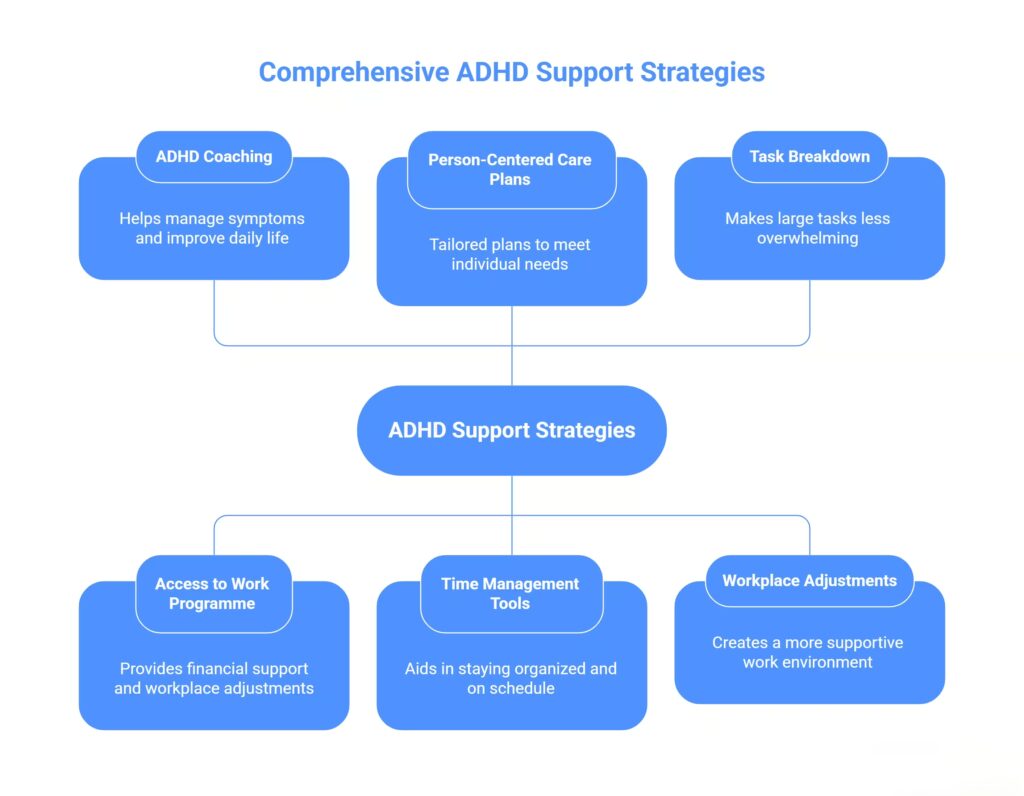
What is ADHD Coaching?
- ADHD coaching helps individuals with ADHD manage their symptoms and improve their daily life.
- Coaches work with people to improve their time management, organisation, and focus.
- Coaching helps people set goals, build confidence, and develop strategies to handle challenges related to ADHD.
- The coach and individual work together to come up with practical solutions that fit the person’s lifestyle.
ADHD Coaching in the UK & Access to Work
- ADHD coaching is available throughout the UK and can help adults with ADHD achieve better control over their symptoms.
- The UK’s Access to Work programme provides financial support and advice for employees with ADHD.
- Access to Work helps by making changes at work, such as offering flexible hours, extra support, or special tools, to help manage ADHD symptoms and improve work performance.
- This service can help people with ADHD feel more confident and productive in their jobs.
Creating Person-Centered Care Plans
- A person-centered care plan is a plan made specifically for the individual’s unique needs.
- It is essential to include the individual in creating the plan by talking about their strengths, preferences, and any difficulties they face.
- Care workers should use the plan to make everyday tasks easier, such as using reminders, creating simple routines, or breaking tasks into smaller steps.
- Care plans should be updated regularly to make sure they continue to support the individual as their needs change.
Supporting Adults with ADHD at Work
- Adults with ADHD may find work challenging, but there are strategies to help them perform well.
- Using tools for time management: Tools like planners, phone apps, or alarms can help stay organised and on schedule.
- Breaking tasks into smaller steps: This makes large tasks less overwhelming and easier to handle.
- Making reasonable adjustments: Changes at work, such as quieter spaces, flexible working hours, or more frequent breaks, can make it easier for individuals with ADHD to succeed.
- The Access to Work programme can help cover the cost of these adjustments, allowing adults with ADHD to manage their symptoms while working.
ADHD and Hypermobility
What is Hypermobility?
Hypermobility refers to joints that move beyond their normal range. People with ADHD may experience this condition more often than those without ADHD.
Connection Between ADHD and Hypermobility
Individuals with both ADHD and hypermobility may struggle with physical discomfort due to joint instability. This can make it harder to focus or stay still, which compounds ADHD symptoms.
Implications for Care
Care workers should provide physical support to manage joint pain, such as helping with mobility exercises or providing ergonomic tools. Understanding both conditions ensures better care planning.
Complex PTSD and ADHD in Adults
What is Complex PTSD?
Complex PTSD develops after prolonged exposure to trauma, such as abuse or neglect. It can result in symptoms like emotional numbness, difficulty trusting others, or hypervigilance.
How PTSD and ADHD Co-occur:
Adults with ADHD and Complex PTSD may find it difficult to manage both conditions. The impulsivity and inattentiveness from ADHD can be worsened by the emotional symptoms of PTSD.
Complicating Care Strategies:
For care workers, it’s important to use a trauma-informed approach while addressing ADHD symptoms. This means being sensitive to triggers, offering emotional support, and adjusting care strategies to suit both conditions.
Medications for ADHD Treatment
- Stimulants: These are the most common medications for ADHD, such as methylphenidate (Ritalin) and amphetamine-based medications (Adderall). They help increase focus and reduce hyperactivity.
- Non-Stimulants: If stimulant medications aren’t effective or cause side effects, non-stimulants like atomoxetine (Strattera) can be used as an alternative to manage ADHD symptoms.
- UK-Specific Medication Information: There has been a shortage of ADHD medication, particularly stimulant drugs, in the UK. This shortage has led to challenges in treatment plans for many individuals.
- Care Workers’ Role: Care workers should be aware of these medication challenges and work with individuals and their healthcare providers to find suitable alternatives or adjust care plans accordingly.
Challenges in ADHD Diagnosis and Treatment

ADHD Drug Shortage
The UK is currently facing a shortage of ADHD medications, particularly stimulants like Ritalin and Adderall. This shortage creates challenges for both individuals with ADHD and healthcare workers, making it difficult to maintain consistent treatment. This can lead to worsening symptoms, and healthcare providers may need to explore alternative treatment options or adjust care plans while waiting for medication availability.
Private vs NHS ADHD Assessments
When considering ADHD assessments, there are differences between private and NHS options. Private assessments tend to have shorter wait times and more flexible appointment schedules, but they can be expensive. On the other hand, NHS assessments are free but may involve long waiting periods. Care workers can help individuals understand these differences and guide them in choosing the best option based on their needs, whether it’s quicker access through private services or comprehensive support via the NHS.
The Right to Choose: Access to ADHD Care
The Right to Choose in the UK
The “Right to Choose” initiative in the UK allows patients to access ADHD diagnosis and treatment more quickly. Under this initiative, individuals have the right to choose where they receive their care, whether through the NHS or private providers. This helps reduce waiting times and provides patients with more flexibility in their healthcare journey. Care workers can inform patients about this option and help them navigate the process to ensure timely access to the services they need.
How Care Workers Can Support Patients
Care workers play a crucial role in supporting patients with ADHD. They can help by:
- Informing patients about the “Right to Choose” and how to access faster treatment options.
- Assisting with the paperwork and referrals required to initiate a private or NHS assessment.
- Ensuring patients are aware of the resources available for ongoing support, including ADHD coaching, therapy, and medication.
Impact of ADHD on Family and Carers
ADHD not only affects the individual diagnosed but also has a significant impact on their family members and carers. The challenges that come with managing ADHD symptoms, such as hyperactivity, inattentiveness, and impulsivity, can cause stress and strain on family relationships.
Families may struggle with providing support, managing emotions, and ensuring the well-being of their loved one with ADHD. Health and social care workers play a vital role in offering guidance, resources, and emotional support to families, helping them navigate these challenges.
Supporting Family Members and Carers
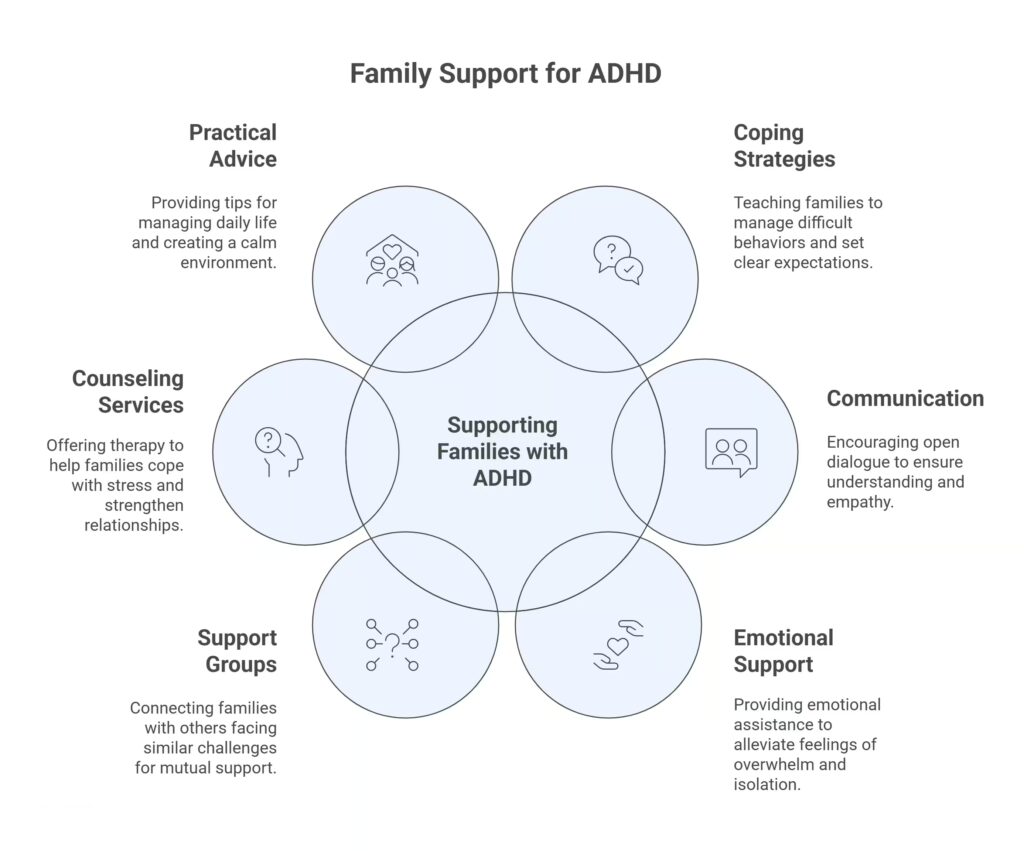
Care workers can help families cope with ADHD by:
- Providing coping strategies: Teach family members how to manage difficult behaviours, set clear expectations, and use positive reinforcement.
- Encouraging communication: Support families in open communication to ensure everyone understands the condition and how it affects the individual.
- Helping manage emotional impact: Offer emotional support to family members who may feel overwhelmed, frustrated, or isolated.
Available Support Systems
There are several resources available to support families and carers, including:
- Support groups: Local or online support groups where families can connect with others who face similar challenges.
- Counseling services: Therapy options that help families cope with stress and build stronger relationships.
- Practical advice: Information on managing day-to-day life, such as creating routines, using ADHD-friendly tools, and implementing strategies that promote a calm environment.
If you’re looking to learn more, the Level 3 and Level 5 Health and Social Care Diplomas are great courses to help you better support and care for people.
Digital Tools and Technology for ADHD Management
Modern technology offers powerful ways to support individuals with ADHD:
Apps for focus and organisation: Tools like Trello, Todoist, and Brain in Hand help structure daily routines.
Digital reminders: Smart devices can automate medication schedules and task prompts.
Wearable tech: Devices that track focus and stress can guide self-regulation strategies.
Virtual therapy and coaching: Online platforms make ADHD-specific support more accessible than ever.
Inclusive and Neurodiversity-Affirming Care
ADHD is increasingly recognised as part of neurodiversity, not simply a deficit.
Health and social care professionals should adopt strengths-based approaches—valuing creativity, empathy, and hyperfocus as assets. Inclusive workplaces and care environments foster belonging and reduce stigma.
Conclusion
Understanding ADHD in both children and adults is crucial for care workers to provide the right support. By creating personalised care plans, care workers can make a positive impact on the lives of those affected by ADHD and their families.