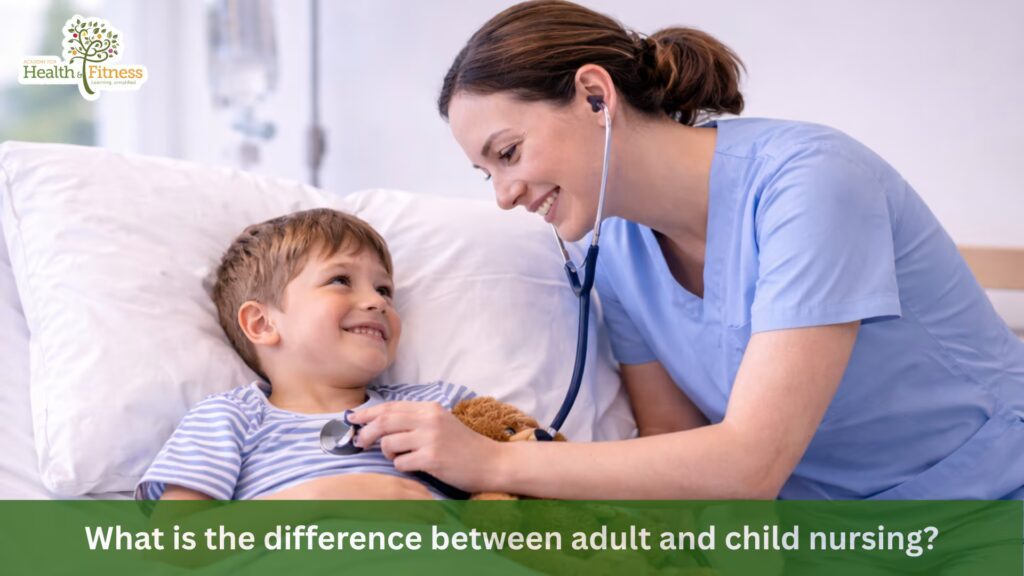


Nursing is a diverse and rewarding profession, but what sets adult nursing apart from child nursing is the age group served and the nature of care provided. Adult nursing focuses on caring for people aged 18 and over, while child nursing specialises in looking after infants, children, and teenagers. This distinction influences everything from the training you undertake to the skills you develop and the environments in which you work.
The key difference between adult and child nursing lies in the patients you care for and the approach to their healthcare. Adult nurses focus on managing the physical health and recovery of adults, often dealing with chronic conditions and long-term care. Child nurses, on the other hand, provide care that spans developmental stages, requiring a holistic approach that considers physical, emotional, and social growth.
In this blog, you will explore:
- The roles and responsibilities of adult nurses and child nurses.
- The training and qualifications required for each pathway.
- The work environments and settings where these nurses work.
- The career prospects and salary expectations in both fields.
Understanding adult nursing and child nursing

What is adult nursing?
Adult nursing involves caring for people over the age of 18 across a broad spectrum of health conditions. Adult nurses monitor patients’ vital signs, assess their needs, administer medication and treatments, assist with rehabilitation and support those living with acute and chronic illnesses. They work in settings as varied as hospital wards, general practitioner surgeries, military medical units and patients’ homes, and can specialise in areas such as intensive care, oncology or community health.
During an adult nursing degree you learn to deliver evidence‑based, safe care for both acutely ill and chronically ill patients. Placements provide experience in acute hospitals and community settings, and on successful completion you register with the Nursing and Midwifery Council (NMC) as a qualified adult nurse. A typical working week is 37.5 hours on a shift pattern that includes nights, weekends and bank holidays, and starting salaries on the NHS Agenda for Change pay system (Band 5) were £28,407–£34,581 for 2023/4.
What is child nursing?
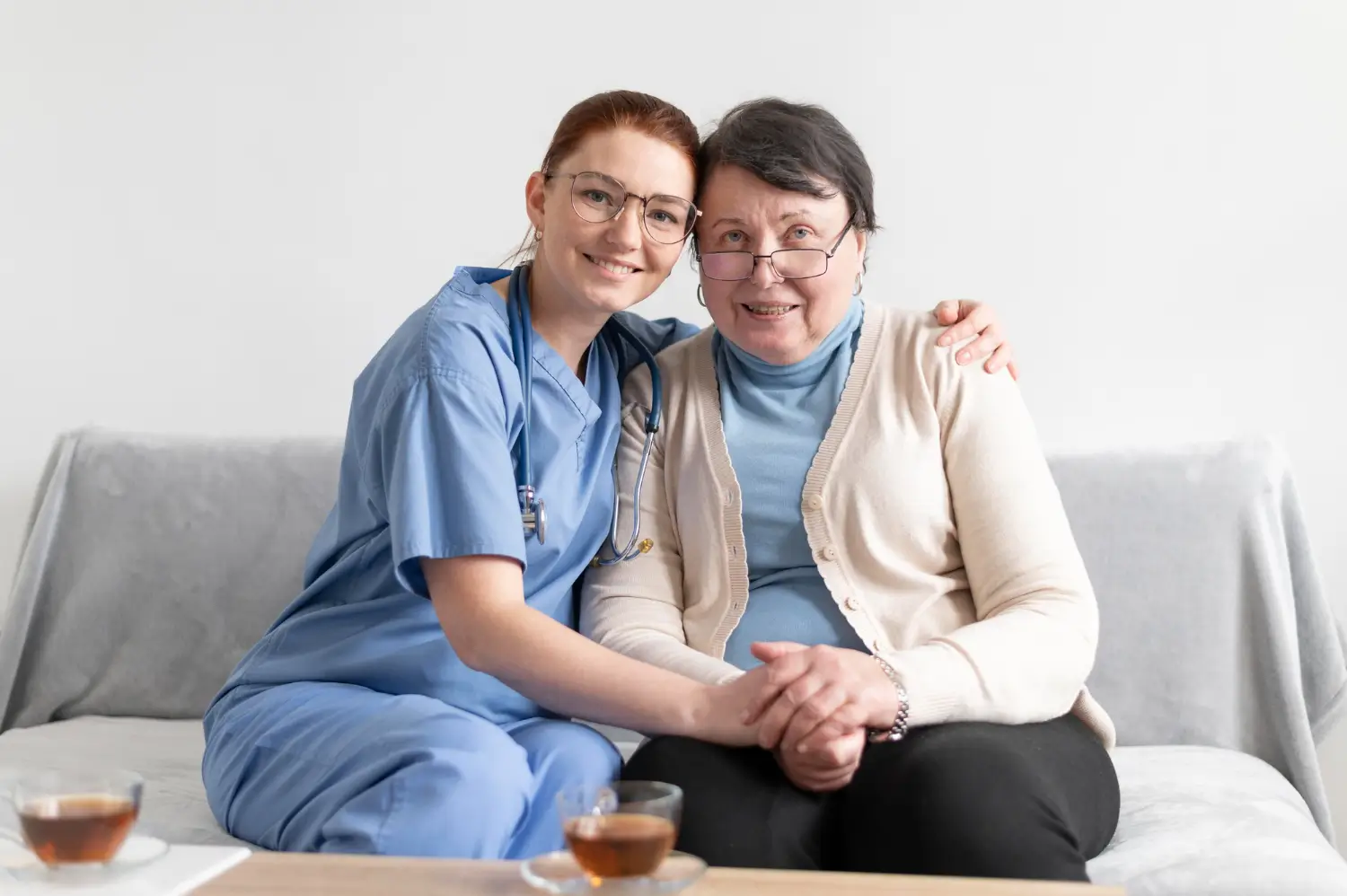
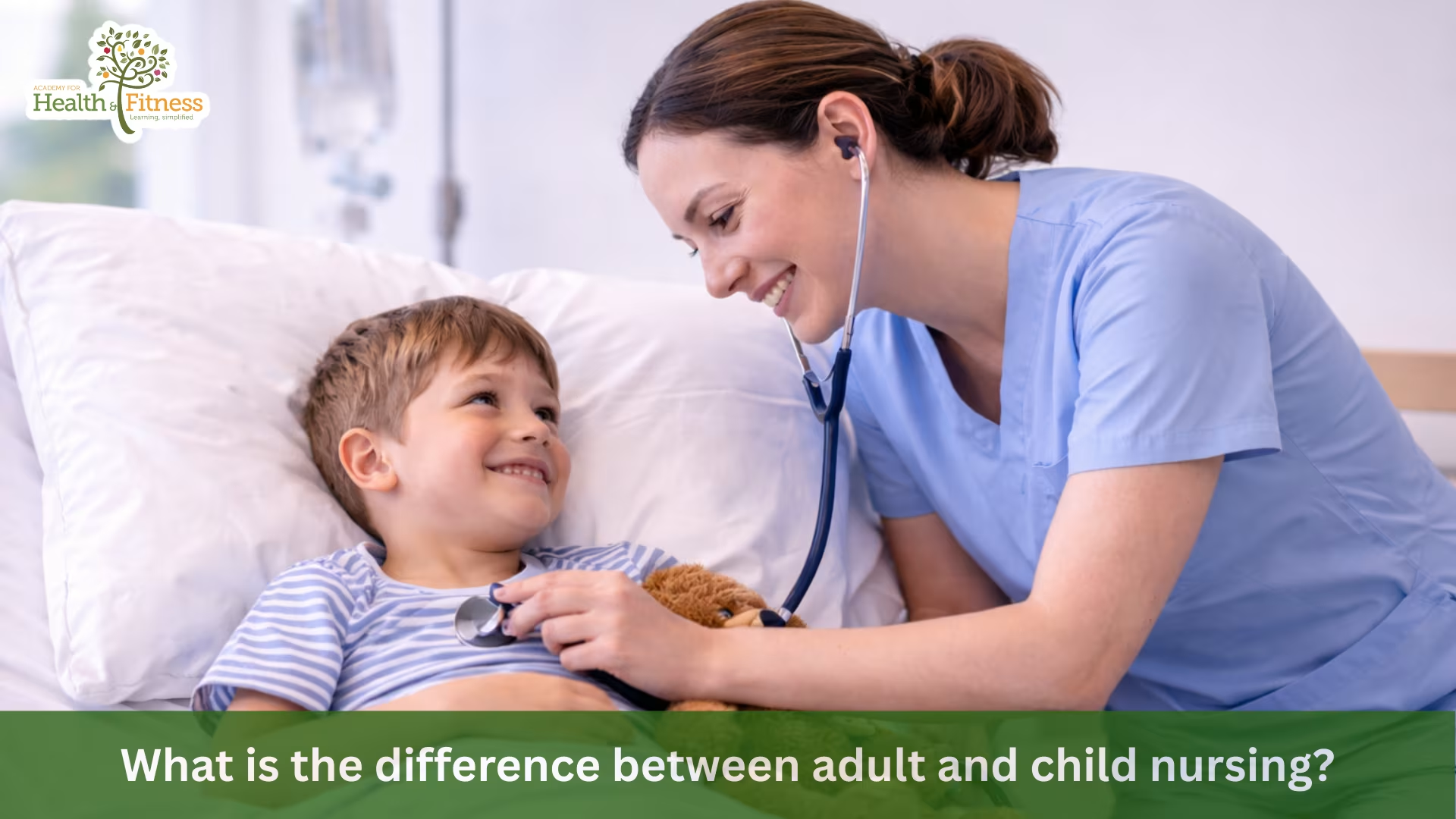
Child nursing, also called paediatric nursing, is the field of nursing dedicated to infants, children and young people. Children have specific health needs and their care often involves family‑centred support. A children’s nurse administers paediatric treatments, monitors growth and development, manages developmental or congenital conditions and supports families through immunisations, feeding and health education. The role also involves working alongside health visitors, social workers and other professionals in hospitals, community clinics, schools and children’s homes.
Child nurses learn to build positive relationships with young people and their families and to empower them throughout treatment. Because children may not be able to explain symptoms, communication skills are vital: you need to interpret non‑verbal cues and reassure parents as well as treat the child. The typical training route is a three‑year degree that combines 2,300 hours of theory and 2,300 hours of practice, after which graduates register with the NMC as a children’s nurse. Salaries for children’s nurses range from £25,654 to £39,026 according to the National Careers Service, with senior paediatric nurses earning significantly more.
Key differences between adult and child nursing

Age and developmental considerations
The primary distinction between adult and child nursing is the patient group: adult nurses care for individuals over 18, often managing a wide range of physical conditions and chronic diseases. Children’s nurses look after patients from birth to adolescence, which requires understanding developmental stages, growth milestones and age‑appropriate interventions. Working with children also means partnering closely with families to support emotional and developmental needs.
Communication and interaction
Adult nurses communicate directly with their patients, who can generally express symptoms and concerns. Child nurses, by contrast, must communicate effectively with both the child and their parents or guardians. Young patients may struggle to articulate how they feel, so children’s nurses interpret non‑verbal cues and explain procedures in child‑friendly terms, while also reassuring anxious families. Building trust with parents is an essential part of paediatric care.
Care approach
Adult nursing centres on disease management, clinical interventions and recovery. Adult nurses often work with patients managing long‑term conditions such as diabetes, heart disease or cancer, and may support rehabilitation after surgery or injury. Children’s nursing takes a holistic approach that includes physical, emotional and developmental support. It emphasises family‑centred care and aims to empower children and carers through education and ongoing collaboration. While adult nurses may act more autonomously, child nurses work closely with paediatric teams and social services.
Training and qualification requirements for adult and child nursing
Adult nursing training
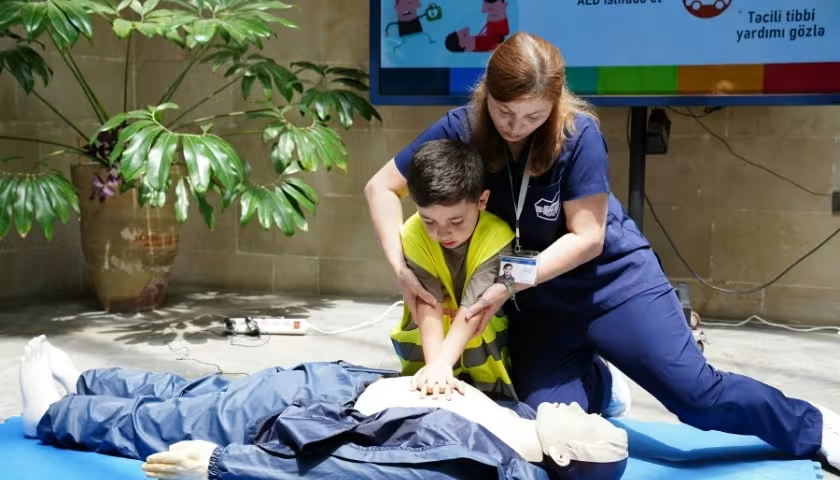
To become an adult nurse you need to complete an NMC‑approved degree or diploma in adult nursing. Most programmes in the UK last three years and combine classroom study with clinical placements. Students learn anatomy, physiology, pharmacology, healthcare ethics and leadership, and gain hands‑on experience in hospitals and community settings. Graduates register with the NMC as adult nurses and must meet continuing professional development requirements. Some universities offer degree apprenticeships lasting around four years, combining employment with academic study.
Child nursing training
Children’s nursing also requires an NMC‑approved degree. According to The Guardian, children’s nursing is a three‑year programme that is split evenly between theory and practice; students must complete 2,300 hours of practice and 2,300 hours of theoretical study. The curriculum focuses on child development, paediatric physiology, safeguarding, child and family psychology and communication. Placements take place in children’s hospitals, community clinics and schools. Admission often requires evidence of childcare experience, and there are fewer places for children’s nursing than adult nursing.
Specialisation opportunities
Both fields offer opportunities to specialise, but the options differ. Adult nurses can pursue roles such as intensive care nurse, A&E nurse, district nurse, oncology nurse or research nurse. Children’s nurses may move into paediatric intensive care, neonatal nursing, school nursing or health visiting. Some universities offer dual‑award programmes that combine adult and child nursing over four years, allowing registration in both fields. Specialist postgraduate courses can also lead to advanced practice roles such as nurse practitioner or clinical nurse specialist. If you’re interested in pursuing a career in nursing but aren’t sure where to start, consider enrolling in a Nursing Assistant Diploma.

Salary expectations for adult and child nurses
In the UK most newly qualified nurses work within the NHS Agenda for Change pay structure. Adult nurses start on Band 5 with salaries ranging from £28,407 to £34,581. With experience, adult nurses can progress to Band 6 (senior or specialist roles) and onwards to Band 7 and 8, where salaries can exceed £50,000. Children’s nurses start at a similar Band 5 level but the National Careers Service notes that typical pay ranges from £25,654 to £39,026. Senior paediatric nurses with advanced skills can earn over £60,000.
Job outlook for adult vs child nurses
Both adult and child nursing are in high demand. An ageing population and a rise in chronic diseases drive demand for adult nurses, while improving child health, vaccination programmes and paediatric specialties create a need for children’s nurses. According to the Nursing and Midwifery Council, adult nurses make up around 80 % of all registered nurses, reflecting the breadth of opportunities available. Children’s nursing remains a popular course but has fewer training places, which can make entry competitive; however, qualified paediatric nurses are sought after by children’s hospitals, general hospitals, community services and schools.
Work environment
Adult nurses have diverse employment settings. They may work in hospital wards, community health centres, general practices, care homes, the armed forces or research units. The role involves shift work and may require nights and weekends. Children’s nurses often work in paediatric wards, neonatal units, community clinics, children’s hospices or in family homes. They may also find roles in specialist areas such as paediatric intensive care, oncology or school nursing. Both fields require flexibility, resilience and the ability to work in multidisciplinary teams.
Stress and job satisfaction
Adult nursing can be physically and emotionally demanding because nurses manage large caseloads and often care for very ill or elderly patients. Shift work can affect work–life balance. However, many adult nurses find satisfaction in the variety of cases and the ability to build long‑term relationships with patients in chronic care settings. Child nursing can also be emotionally challenging as it involves caring for sick children and supporting distressed families. The need to manage parents’ expectations and advocate for children’s rights adds complexity. Yet paediatric nurses often highlight the joy of seeing children recover and the rewarding nature of family‑centred care.
Skills, qualities and personal fit for adult and child nursing
Skills needed for adult nursing
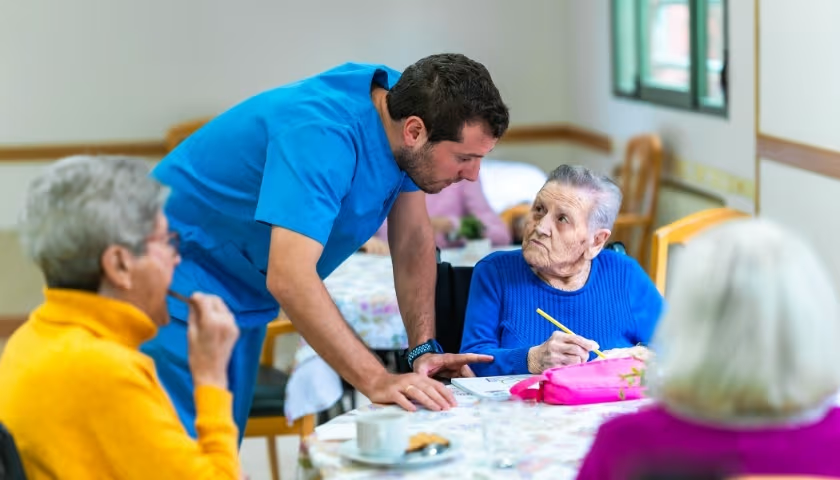
Successful adult nurses are clinically competent and organised. They need strong assessment and planning skills to manage complex care plans, an ability to prioritise under pressure and confidence in delivering a wide range of treatments. Communication skills are important for explaining care to adult patients and coordinating with multidisciplinary teams, but the interaction is generally direct with the patient who can articulate their needs.
Skills needed for child nursing
Children’s nurses require patience, empathy and creativity. They must communicate effectively with children of different ages and tailor their explanations to each developmental stage. Strong observational skills help them interpret non‑verbal cues and spot subtle changes in a child’s condition. Building rapport with families and advocating for children’s rights are core aspects of the role. Child nurses also need to be flexible, as young patients may react unpredictably to procedures.
Which nursing path is right for you?
If you enjoy working with adults, managing a broad range of health conditions and would like the flexibility to move between diverse specialities—from emergency care to palliative care—adult nursing may suit you. If you’re drawn to supporting children and their families, have the patience to interpret non‑verbal communication and want to specialise in paediatric health, child nursing could be the better choice. Consider where you see yourself working: adult nurses have opportunities across many healthcare settings, while children’s nurses often work in specialised paediatric environments. Reflect on your strengths, whether you prefer direct patient communication or family‑centred collaboration, and how much responsibility you want for long‑term clinical management.
How to get started in adult and child nursing
How to become an adult nurse
To start a career in adult nursing:
- Choose a programme. Apply for an NMC‑approved adult nursing degree at a university or enrol in a registered nurse degree apprenticeship. Entry typically requires GCSEs (including maths and English) and A‑levels or equivalent qualifications.
- Complete clinical training. A full‑time degree usually lasts three years and includes placements in hospitals and community settings. Apprenticeships combine paid work with part‑time study over around four years.
- Register with the NMC. After graduating you must register with the Nursing and Midwifery Council to practise as an adult nurse.
- Continue learning. Seek preceptorship when you start your first role and pursue professional development to specialise or advance to leadership roles.
How to become a child nurse

To start a career in children’s nursing:
- Apply to a paediatric nursing degree. Accredited programmes run for three years and include 50 % theory and 50 % practice. Some universities require evidence of childcare experience.
- Undertake clinical placements. Placements occur in children’s hospitals, neonatal units, community clinics, schools and health visiting services.
- Register with the NMC. After completing your degree you register as a children’s nurse. Continuing education can lead to specialisms such as neonatal nursing, paediatric intensive care or health visiting.
- Build your experience. Seek roles in paediatric departments and take postgraduate courses to develop specialist skills.
Continuing education and specialisation
Both adult and child nurses can enhance their careers through additional qualifications. Postgraduate diplomas or master’s degrees enable nurses to become advanced clinical practitioners, nurse prescribers or educators. Dual‑award programmes allow students to qualify in two nursing fields over four years. Professional bodies and employers also offer continuing professional development modules in areas such as critical care, oncology, child safeguarding or community health.
Real‑life case studies: adult nursing vs child nursing

Life as an adult nurse
Hannah, a senior adult nurse in a medical ward, describes her role as varied and unpredictable. She starts her shift by reviewing patients’ notes and prioritising care. Her day might include administering intravenous medications, liaising with doctors about treatment plans, supporting a patient with mobility exercises and comforting an elderly person coping with chronic illness. She enjoys teaching junior staff and finds satisfaction in seeing patients regain independence after surgery. The challenges include heavy workloads and the emotional toll of losing patients, but she values the diversity of conditions she encounters and the opportunity to make a tangible difference.
Life as a child nurse
James, a children’s nurse on a paediatric oncology ward, spends his day monitoring young patients receiving chemotherapy. He tailors explanations to each child’s age, uses play to distract them during procedures and regularly updates parents on progress. Outside of direct care he coordinates with oncologists, social workers and school teachers to ensure holistic support. He finds joy in helping children celebrate milestones, such as ringing the bell after completing treatment. However, he notes that witnessing seriously ill children and supporting grieving families can be emotionally draining. James emphasises the importance of resilience and a strong support network.
Making the decision: adult nursing vs child nursing – which is right for you?
Summary of key factors
When choosing between adult and child nursing, consider the following factors:
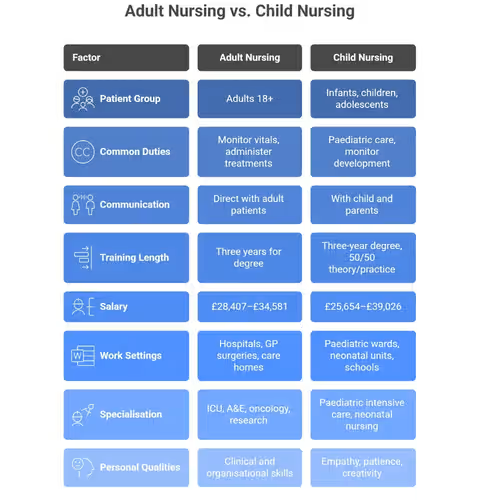
Decision‑making framework
- Reflect on your patient preference. Do you want to care for adults across a broad range of conditions or focus on children’s unique health needs?
- Consider communication style. Are you comfortable communicating directly with adults or would you enjoy engaging with children and their families?
- Assess your tolerance for emotional demands. Can you manage the stress of adult patients with chronic illness or the emotional intensity of caring for sick children?
- Think about your career goals. Adult nursing offers a wider range of specialties; child nursing allows you to specialise early in paediatric health.
- Evaluate your commitment to training. Both degrees require substantial clinical hours, but children’s nursing may be more competitive to enter.
Conclusion
Both adult and child nursing are fulfilling careers that make a tangible difference to patients’ lives. Adult nurses care for a diverse adult population, managing everything from routine conditions to complex chronic diseases. They enjoy varied work environments, a broad choice of specialties and opportunities for career progression. Children’s nurses, meanwhile, specialise in paediatric care, supporting young patients through development and illness while working closely with families. Their work is deeply rewarding but requires resilience and excellent communication.
Your choice between these paths should reflect your interests, personality and long‑term goals. Whether you thrive in the fast‑paced, varied world of adult nursing or feel called to the specialised, family‑centred realm of child nursing, both roles offer avenues for professional growth and personal satisfaction. Take time to research courses, talk to practising nurses and reflect on your strengths—your nursing journey awaits.