

What Does a Nursing Assistant do when nearly 40% of NHS staff time is spent on direct patient care tasks that nursing assistants help deliver every single day? They’re the calm, steady presence supporting patients when wards are busy, families are anxious and nurses need an extra pair of capable hands.
A nursing assistant supports patients with personal care, mobility, observations, communication and safety, working closely with nurses to deliver essential everyday care that keeps the entire healthcare system running smoothly.
In this guide, you’ll discover:
- The core duties nursing assistants carry out every day
- How they support patients and nurses in practical, meaningful ways
- The key skills needed to perform the role well
- A clear picture of what the job actually involves
By the end, you’ll understand exactly what a nursing assistant does — not vaguely, but in the real, hands-on sense that shapes patient care.
What Is a Nursing Assistant?

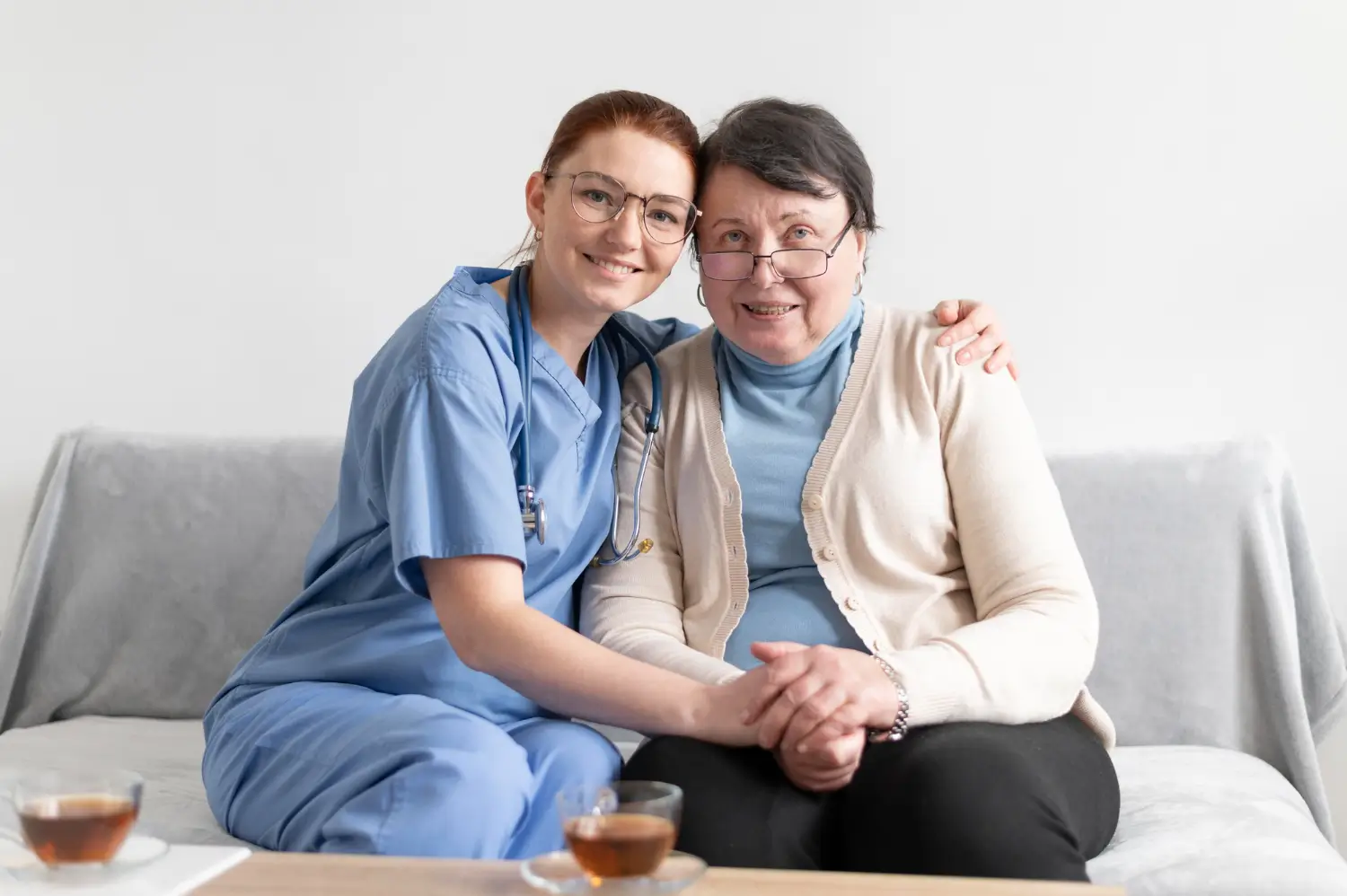
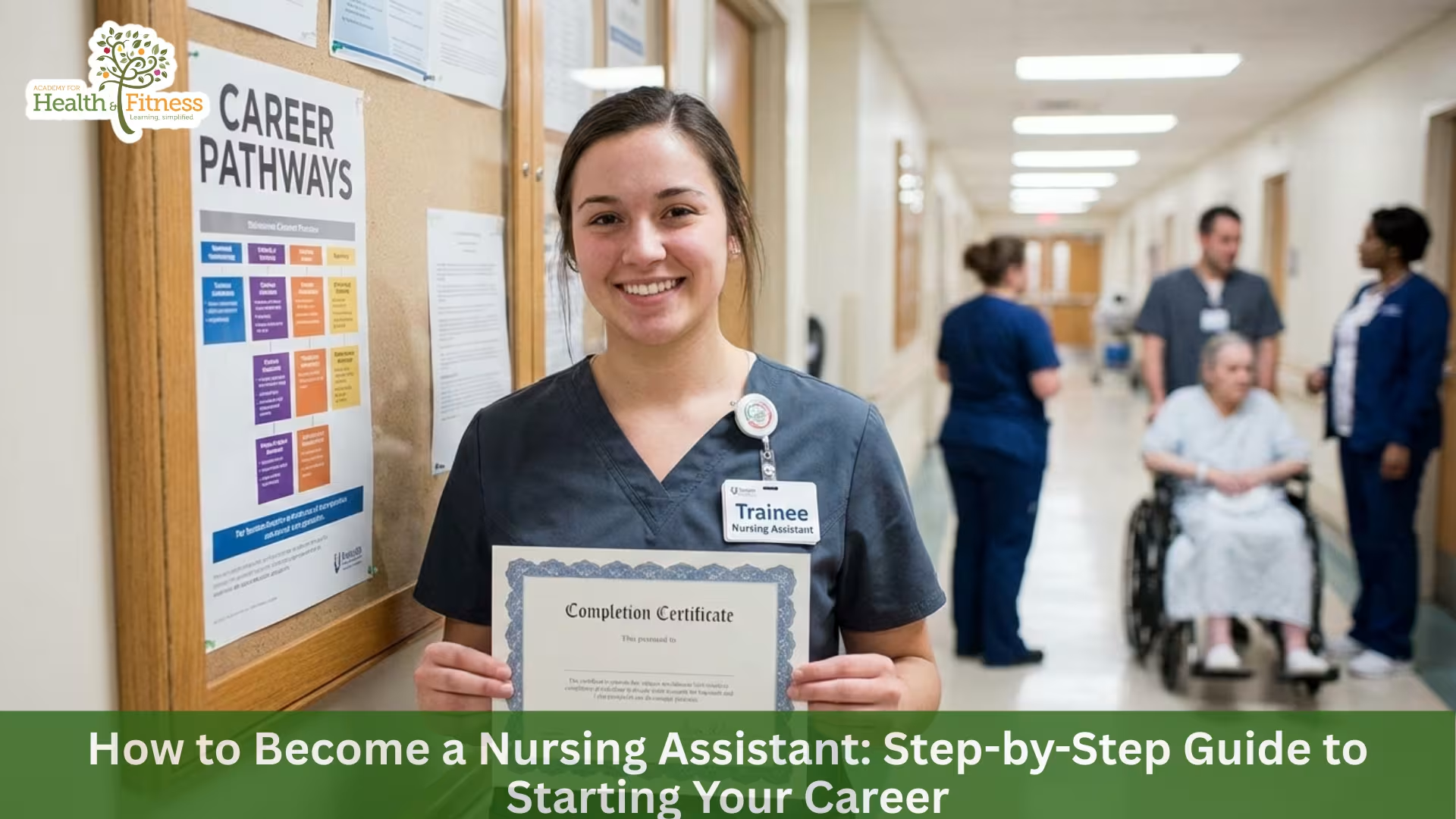
A nursing assistant is a frontline care professional who supports patients with essential daily tasks and basic clinical duties under the supervision of registered nurses. In the UK, they play a key role in helping patients wash, dress, move safely, eat, stay comfortable and feel supported while also assisting nurses with observations, communication and routine care tasks. Their work ensures patients receive continuous, compassionate care throughout the day.
What Does a Nursing Assistant Actually Do?
A nursing assistant is the person who delivers the hands-on, moment-to-moment care that patients rely on every single day. While nurses focus on assessments, medication and clinical decisions, nursing assistants are the ones ensuring patients remain clean, safe, comfortable and supported — both physically and emotionally. Their role combines personal care, basic clinical tasks, communication, observation and essential practical support that keeps the whole care environment running smoothly.
Below is a full, clear breakdown of everything a nursing assistant typically does, so you understand the role without needing to search elsewhere:
1. Personal Care & Daily Living Support
This is the foundation of the role. Nursing assistants help patients with:
- Washing, bathing and grooming
- Dressing and undressing
- Toileting and continence care
- Oral hygiene and hair care
- Changing bedding while the patient is in or out of bed
This support maintains patient dignity, prevents discomfort and promotes independence whenever possible.
2. Clinical & Observation Tasks
Nursing assistants don’t diagnose or treat medical conditions, but they collect essential information nurses rely on. This often includes:
- Taking and recording vital signs (temperature, pulse, respiration, BP)
- Measuring oxygen saturation
- Monitoring food/fluid intake
- Checking weight and recording outputs
- Observing and reporting physical or behavioural changes
- Supporting nurses with routine clinical tasks like wound-care preparation or dressing changes
These tasks directly impact patient safety because timely reporting helps nurses identify deterioration early.
3. Mobility & Safety Support

Many patients need help moving safely. Nursing assistants support mobility by:
- Helping patients in and out of bed
- Assisting with walking aids
- Using hoists or slide sheets safely
- Repositioning immobile patients to prevent pressure sores
- Escorting patients to appointments or therapy sessions
Mobility is not just physical support — it prevents complications, improves recovery and boosts morale.
4. Emotional Support & Communication
Nursing assistants spend more time with patients than any other care professional. Because of this, their emotional support is invaluable. They:
- Reassure anxious or confused patients
- Offer companionship and conversation
- Explain simple steps of care in a calm way
- Listen actively and pass concerns to nurses
- Help patients feel seen and safe
In many cases, they become the “trusted person” patients open up to.
5. Infection Control & Safety Maintenance
Nursing assistants help maintain a safe care environment by:
- Following strict handwashing and PPE rules
- Keeping rooms tidy and hazard-free
- Cleaning equipment after use
- Preventing cross-contamination
- Reporting safety risks immediately
This protects patients, staff and families — especially in high-risk environments.
6. Practical Support That Keeps Care Running Smoothly

Nursing assistants also perform essential tasks that support the whole clinical team:
- Making and changing beds
- Restocking gloves, wipes, linens, and essential supplies
- Preparing equipment for nurses
- Tidying patient areas
- Helping with meal distribution and feeding if needed
These tasks ensure the nursing team can focus on clinical priorities.
7. Acting as the “Eyes and Ears” for Nurses
Perhaps the most important aspect of their role is observation. Nursing assistants notice:
- If a patient is quieter than usual
- If breathing has changed
- If there’s a new bruise, rash or swelling
- If appetite drops
- If mood or behaviour shifts
These small details can be early signs of serious conditions — and nursing assistants are often the first to spot them.
Skills Needed to Perform the Role Well as a Nursing Assistant
To carry out the role confidently and safely, nursing assistants rely on a mix of personal qualities and practical skills. These aren’t complicated traits — but they make all the difference in day-to-day care.
Compassion
Patients often feel vulnerable, anxious, or unwell. Compassion helps you connect with them, offer reassurance and maintain dignity during personal care.
Communication
You’ll explain tasks, listen actively and pass accurate information to nurses. Clear, calm communication builds trust and prevents misunderstandings that could affect care.
Observation Accuracy
Nursing assistants are often the first to notice changes. Spotting unusual behaviour, breathing changes, new pain, or reduced appetite can help prevent deterioration.
Practical Care Skills
From assisting with washing and dressing to taking vital signs and supporting mobility, hands-on competence is central to the role. These tasks form the backbone of patient support.
Reliability & Patience
Healthcare environments can be busy and unpredictable. Being dependable, steady and patient ensures you provide consistent care — even when things get challenging.
Teamwork
You’ll work closely with nurses, physiotherapists, doctors and families. Being cooperative, respectful and willing to help creates smoother, safer care for everyone.
Nursing Assistant Salary in the UK

Nursing assistant salaries in the UK vary depending on experience, employer type and location. Most NHS roles fall under Band 2 or Band 3, while private care settings may offer slightly different rates. London and high-demand areas typically pay more due to living-cost adjustments.
Overall, the pay reflects the essential hands-on support nursing assistants provide every day — and increases steadily as you gain skills and move into senior or specialist roles.
Nursing Assistant Salary Breakdown (UK)
Experience Level | NHS Band | Typical Annual Salary | Hourly Rate (Approx.) |
New Nursing Assistant | Band 2 | £22,383 – £24,336 | £11.50 – £12.50 |
Experienced Nursing Assistant | Band 3 | £25,147 – £27,596 | £12.80 – £14.30 |
Senior Nursing Assistant / Team Lead | Band 3–4 | £27,596 – £30,000+ | £14.30 – £15.80 |
Private Sector Roles | Varies | £22,000 – £30,000 | £11 – £15+ |
What Influences Nursing Assistant Pay?
- Location — London Weighting and high-cost regions raise pay.
- Employer type — NHS vs private care homes vs agencies.
- Specialist areas — mental health, A&E, dementia care may offer more.
- Experience & qualifications — additional training increases earning potential.
Conclusion
A nursing assistant plays a vital role in patient care—supporting daily living tasks, assisting with observations, ensuring comfort and safety, and acting as an essential link between patients and the wider clinical team. Their work is hands-on, meaningful and central to high-quality care.
With the right skills, compassion and commitment, anyone can grow into this role and make a genuine difference. The future of healthcare needs dedicated nursing assistants, and those who step into the role help shape safer, kinder patient experiences every day.