Stress and anxiety can quietly affect learning, wellbeing, and school relationships. Build practical awareness of warning signs, causes, coping approaches, and support strategies before concerns become harder to manage. Enrol today.
4.5
(6 Reviews)
74 Students
Exclusive Deal! 94% Off, Today Only!
Sale Ends In
Stress and anxiety can influence concentration, behaviour, relationships, attendance, and academic progress, making early understanding especially valuable in international school environments. When warning signs are overlooked, pupils may struggle without appropriate support, while staff and families can feel uncertain about what to do next.
This course explores the foundations of stress and anxiety, including common risk factors, causes of anxiety disorders, and practical management strategies. You will examine how nutrition can relate to stress, explore healthy coping approaches, and develop awareness of treatments for anxiety disorders. Particular attention is given to recognising and responding to stress and anxiety within school settings, helping learners understand appropriate support boundaries.
By completing the course, you will have a stronger understanding of emotional wellbeing and practical approaches to supporting individuals in international school communities. Develop valuable awareness now and feel better prepared to recognise concerns before they become more difficult to address.
There are no formal prerequisites to enrol in this Understanding Stress and Anxiety for International Schools course. It is suitable for both beginners and individuals already working in care who want to develop their skills further.
The course is fully accessible online, allowing you to study from home using any internet-enabled device.
All you need is a willingness to learn, basic literacy skills, and to be over the age of 16.
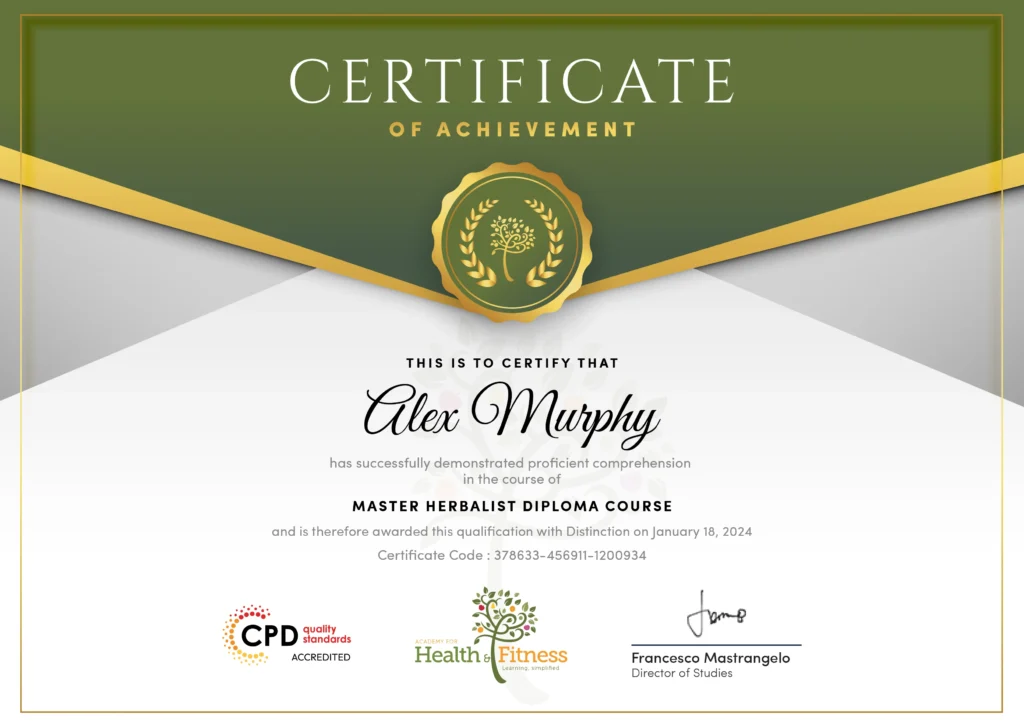
After successfully completing the course, you will qualify for a CPD Certificate as proof of your continued professional development and achievement. This certificate can enhance your professional profile and showcase your commitment to building relevant skills and knowledge. You can receive your digital certificate for only £10, or request a printed hard copy sent by post for just £29 or both for £39.
For assessing your learning, you have to complete an automated MCQ exam. It is required for the students to score at least 60% to pass the exam and fulfil the Quality Licence Scheme-endorsed certificate criteria. Learners can apply for the certificate after they clear the exam.
There are assignment questions provided at the end of the course. You are suggested to complete the questions to enrich your understanding of the course. You can complete this according to your preferred time. The expert tutor will provide feedback on your performance after assessing your assignment.
Understanding stress and anxiety can strengthen awareness and communication skills across education, pastoral support, and wellbeing-focused environments in the UK. The course can complement relevant experience when applying for roles, although some positions require additional qualifications, training, or professional registration.
Stress is the body and mind’s response to demands, pressures, or challenging circumstances. In schools, it can relate to academic expectations, relationships, change, workload, or personal circumstances.
Â
Stress is often linked to identifiable pressures, whereas anxiety can persist even when there is no immediate threat. Both can affect thoughts, emotions, behaviour, concentration, and daily functioning.
Â
Early recognition can help staff notice changes in behaviour, engagement, or wellbeing. It also encourages appropriate communication and timely referral through established school support procedures.
Nutrition can contribute to general physical and emotional wellbeing, while irregular eating patterns may affect how someone feels and functions. The course explores nutrition as one factor within broader stress-management approaches.
Risk factors can include significant life changes, ongoing pressures, difficult relationships, excessive demands, uncertainty, and limited coping resources. Their impact can vary considerably between individuals.
Anxiety may influence concentration, participation, confidence, relationships, attendance, and academic engagement. International pupils may also experience additional pressures linked to transitions, cultural adjustment, or separation from familiar support networks.
Â
Healthy coping can include identifying triggers, maintaining supportive routines, using relaxation approaches, communicating concerns, and seeking appropriate help. Strategies should be suitable for the individual and their circumstances.
Treatment depends on the type and severity of the anxiety disorder and may involve psychological therapies, medication, or other professional support. Assessment and treatment decisions should be made by appropriately qualified healthcare professionals.
Â
Schools should promote supportive environments, recognise concerns, communicate appropriately, and follow safeguarding and wellbeing procedures. Staff should understand their professional boundaries and involve suitably qualified professionals when necessary.
Â
No. This course develops knowledge and awareness rather than professional authority to diagnose or treat anxiety disorders. Roles involving clinical assessment or treatment generally require relevant professional qualifications and registration.
| Module 1: Defining Stress | |||
| Defining Stress | 00:24:00 | ||
| Module 2: Risk Factors for Stress | |||
| Risk Factors for Stress | 00:15:00 | ||
| Module 3: Stress Management Strategies | |||
| Stress Management Strategies | 00:20:00 | ||
| Module 4: Nutrition and Stress | |||
| Nutrition and Stress | 00:23:00 | ||
| Module 5: What Is Anxiety and Stress? | |||
| What Is Anxiety and Stress | 00:51:00 | ||
| Module 6: Causes of Anxiety Disorders | |||
| Causes of Anxiety Disorders | 00:22:00 | ||
| Module 7: Coping with Anxiety | |||
| Coping with Anxiety | 00:14:00 | ||
| Module 8: Treatments for Anxiety Disorders | |||
| Treatments for Anxiety Disorders | 00:18:00 | ||
| Module 9: Dealing with Stress and Anxiety in School | |||
| Dealing with Stress and Anxiety in School | 00:33:00 | ||
| Module 1: Defining Stress | |||
| Defining Stress | 00:24:00 | ||
| Module 2: Risk Factors for Stress | |||
| Risk Factors for Stress | 00:15:00 | ||
| Module 3: Stress Management Strategies | |||
| Stress Management Strategies | 00:20:00 | ||
| Module 4: Nutrition and Stress | |||
| Nutrition and Stress | 00:23:00 | ||
| Module 5: What Is Anxiety and Stress? | |||
| What Is Anxiety and Stress | 00:51:00 | ||
| Module 6: Causes of Anxiety Disorders | |||
| Causes of Anxiety Disorders | 00:22:00 | ||
| Module 7: Coping with Anxiety | |||
| Coping with Anxiety | 00:14:00 | ||
| Module 8: Treatments for Anxiety Disorders | |||
| Treatments for Anxiety Disorders | 00:18:00 | ||
| Module 9: Dealing with Stress and Anxiety in School | |||
| Dealing with Stress and Anxiety in School | 00:33:00 | ||