Many struggle to support neurodiverse individuals effectively, unaware of key strategies and rights. Missing this understanding can hinder careers and personal impact. Gain practical knowledge and confidence—Enrol today.
4.5
(6 Reviews)
78 Students
Exclusive Deal! 94% Off, Today Only!
Sale Ends In
Navigating the world of neurodiversity can feel overwhelming without the right knowledge. Autism and ADHD affect millions in the UK, yet misunderstandings often lead to missed opportunities for support, inclusion, and career advancement. Professionals in education, workplace, and hospitality frequently encounter situations where a lack of awareness can inadvertently harm individuals or limit organisational effectiveness.
This course equips you with a clear understanding of neurodiversity principles, exploring autism and ADHD in depth. You will examine their characteristics, challenges, and strengths while learning evidence-based strategies for inclusion in schools, workplaces, and hospitality settings. The curriculum also covers emerging technologies, AI tools, and accessibility solutions that make environments more supportive. Additionally, the course highlights leadership, advocacy, and trends shaping future neurodiversity practices.
By the end, you will confidently interpret needs, implement inclusive strategies, and enhance professional impact. Don’t miss the chance to improve understanding and make meaningful change—Enrol now to gain skills in supporting neurodiverse individuals effectively.
There are no formal prerequisites to enrol in this Health and Social Care Level 4 course. It is suitable for both beginners and individuals already working in care who want to develop their skills further.
The course is fully accessible online, allowing you to study from home using any internet-enabled device.
All you need is a willingness to learn, basic literacy skills, and to be over the age of 16.
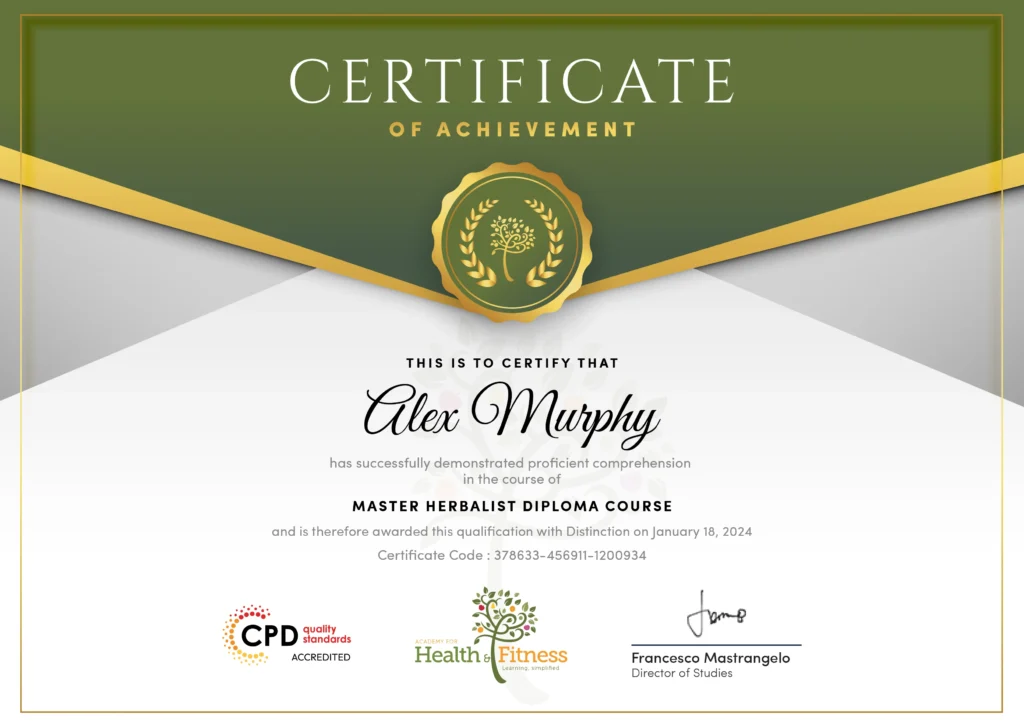
After successfully completing the course, you will qualify for a CPD Certificate as proof of your continued professional development and achievement. This certificate can enhance your professional profile and showcase your commitment to building relevant skills and knowledge. You can receive your digital certificate for only £10, or request a printed hard copy sent by post for just £29 or both for £39.
For assessing your learning, you have to complete an automated MCQ exam. It is required for the students to score at least 60% to pass the exam and fulfil the Quality Licence Scheme-endorsed certificate criteria. Learners can apply for the certificate after they clear the exam.
There are assignment questions provided at the end of the course. You are suggested to complete the questions to enrich your understanding of the course. You can complete this according to your preferred time. The expert tutor will provide feedback on your performance after assessing your assignment.
Understanding autism and ADHD opens career pathways in support, inclusion, and advocacy across the UK. Knowledge of neurodiversity is increasingly valued in education, healthcare, and corporate environments.
Neurodiversity recognises differences in neurological development as natural variations. Understanding it improves inclusion and support in schools, workplaces, and society.
ADHD can impact attention, organisation, and time management. Proper support strategies help individuals achieve their potential effectively.
Awareness reduces misunderstandings, improves communication, and fosters inclusive environments for employees and students.
Strategies include structured routines, visual aids, personalised support, and positive reinforcement tailored to individual needs.
Through flexible schedules, accessible technology, clear communication, and supportive management practices.
Assistive technology and AI tools enhance learning, communication, and accessibility for neurodiverse individuals.
Promote awareness, educate peers, and implement inclusive policies within organisations and communities.
Clear instructions, sensory-friendly spaces, and staff training ensure positive experiences for neurodiverse customers and employees.
Emerging technologies and policy changes shape better support, making early awareness professionally advantageous.
Effective communication, empathy, policy development, and advocacy ensure inclusive and equitable outcomes.
| Module 1: Foundations of Neurodiversity | |||
| Module 1: Foundations of Neurodiversity | 00:07:00 | ||
| Module 2: Understanding Autism | |||
| Module 2: Understanding Autism | 00:09:00 | ||
| Module 3: Understanding ADHD | |||
| Module 3: Understanding ADHD | 00:08:00 | ||
| Module 4: Inclusion Strategies in Education, Workplace & Hospitality | |||
| Module 4: Inclusion Strategies in Education, Workplace & Hospitality | 00:08:00 | ||
| Module 5: Technology, AI & Accessibility Tools | |||
| Module 5: Technology, AI & Accessibility Tools | 00:07:00 | ||
| Module 6: Leadership, Advocacy & Future Trends | |||
| Module 6: Leadership, Advocacy & Future Trends | 00:06:00 | ||
| Module 1: Foundations of Neurodiversity | |||
| Module 1: Foundations of Neurodiversity | 00:07:00 | ||
| Module 2: Understanding Autism | |||
| Module 2: Understanding Autism | 00:09:00 | ||
| Module 3: Understanding ADHD | |||
| Module 3: Understanding ADHD | 00:08:00 | ||
| Module 4: Inclusion Strategies in Education, Workplace & Hospitality | |||
| Module 4: Inclusion Strategies in Education, Workplace & Hospitality | 00:08:00 | ||
| Module 5: Technology, AI & Accessibility Tools | |||
| Module 5: Technology, AI & Accessibility Tools | 00:07:00 | ||
| Module 6: Leadership, Advocacy & Future Trends | |||
| Module 6: Leadership, Advocacy & Future Trends | 00:06:00 | ||