Exclusive Deal! 94% Off, Today Only!
Sale Ends In
Trauma can have a lasting impact on a person’s emotional wellbeing, behaviour, relationships and everyday life. Understanding how traumatic experiences affect individuals is essential for professionals who work in education, healthcare, social care and support environments. Without the right approach, interactions can unintentionally increase distress and make it harder for individuals to feel safe, understood and supported.
This course explores the foundations of Trauma-Informed Practice, including the psychology and impact of trauma, recognising trauma responses and building trust. You will learn about safeguarding, professional ethics and UK legal responsibilities, alongside the application of trauma-informed approaches across different settings. The course also examines practitioner wellbeing, organisational responsibilities, advanced application and reflective practice.
By completing this course, you will develop a stronger understanding of how trauma can influence people’s experiences, needs and behaviours. Build the awareness needed to respond with empathy, establish supportive relationships and create safer environments. This knowledge can help you contribute to more inclusive, respectful and supportive practices while maintaining professional boundaries and looking after your own wellbeing.
Explain the foundations and key principles of Trauma-Informed Practice.
Describe the psychological effects of trauma on individuals.
Identify common trauma responses and their potential impact on behaviour.
Explain how to recognise trauma and build supportive relationships.
Describe safeguarding responsibilities, professional ethics and relevant UK legal requirements.
Apply trauma-informed approaches across different professional settings.
Explain the importance of practitioner wellbeing and organisational support.
Identify ways to apply advanced trauma-informed approaches in practice.
Describe the role of reflection in improving professional practice.
Healthcare professionals
Social care workers
Teachers and education practitioners
Teaching assistants and support staff
Counsellors and wellbeing practitioners
Mental health support workers
Youth workers and community support staff
Family support workers
There are no formal prerequisites to enrol in this Trauma-Informed Practice course. It is suitable for both beginners and individuals already working in care who want to develop their skills further.
The course is fully accessible online, allowing you to study from home using any internet-enabled device.
All you need is a willingness to learn, basic literacy skills, and to be over the age of 16.
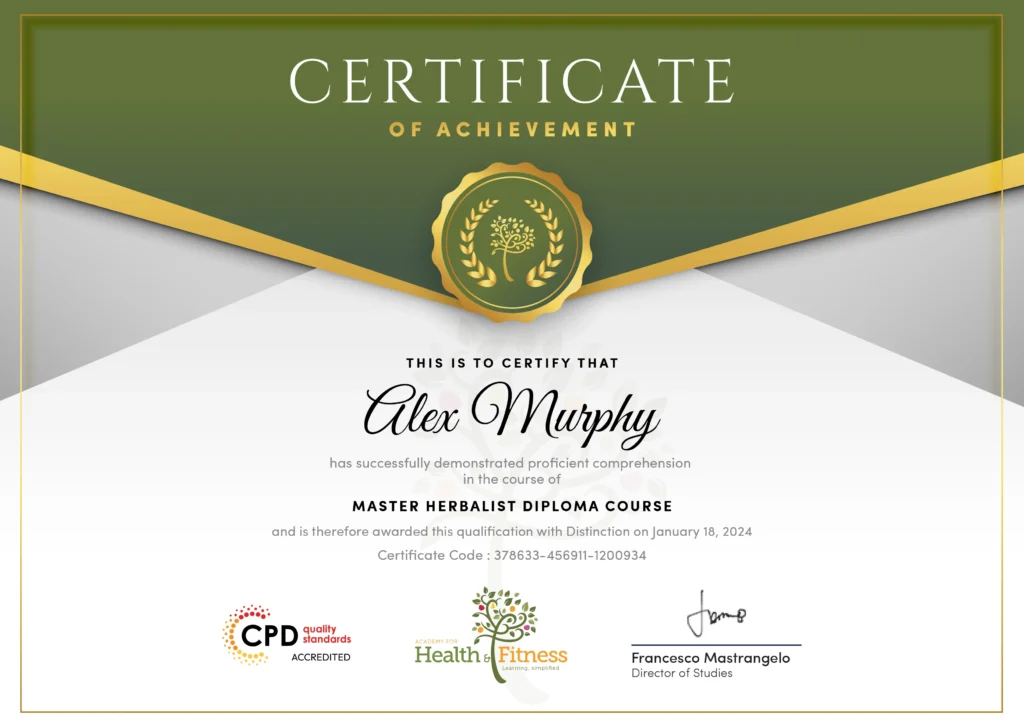
After successfully completing the course, you will qualify for a CPD Certificate as proof of your continued professional development and achievement. This certificate can enhance your professional profile and showcase your commitment to building relevant skills and knowledge. You can receive your digital certificate for only £10, or request a printed hard copy sent by post for just £29 or both for £39.
For assessing your learning, you have to complete an automated MCQ exam. It is required for the students to score at least 60% to pass the exam and fulfil the Quality Licence Scheme-endorsed certificate criteria. Learners can apply for the certificate after they clear the exam.
There are assignment questions provided at the end of the course. You are suggested to complete the questions to enrich your understanding of the course. You can complete this according to your preferred time. The expert tutor will provide feedback on your performance after assessing your assignment.
Knowledge of Trauma-Informed Practice can strengthen professional awareness across healthcare, education, social care and community support environments in the UK. While this course does not itself qualify you for regulated or specialist positions, it can complement relevant qualifications, experience and workplace training.
Support Worker
Support individuals with daily needs while recognising emotional distress and responding with empathy and understanding.
Typical UK salaries range from £22,000–£28,000 per year.
Healthcare Assistant
Assist patients with everyday care while promoting dignity, emotional wellbeing and supportive communication.
Typical UK salaries range from £22,000–£28,000 per year.
Mental Health Support Worker
Support individuals experiencing mental health challenges and help create safe, respectful and understanding environments.
Typical UK salaries range from £23,000–£30,000 per year.
Family Support Worker
Help families facing challenging circumstances by providing practical guidance and recognising emotional and support needs.
Typical UK salaries range from £24,000–£34,000 per year.
Youth Support Worker
Support young people experiencing personal difficulties while promoting trust, emotional safety and positive development.
Typical UK salaries range from £22,000–£30,000 per year.
Residential Support Worker
Support individuals in residential settings while maintaining safe environments and responding sensitively to their needs.
Typical UK salaries range from £23,000–£30,000 per year.
Teaching Assistant
Support pupils with learning and emotional needs while contributing to inclusive and supportive classroom environments.
Typical UK salaries range from £20,000–£27,000 per year.
Community Support Worker
Help individuals access community services and develop confidence through respectful and person-centred support.
Typical UK salaries range from £22,000–£30,000 per year.
Wellbeing Support Officer
Promote emotional wellbeing within organisations by supporting individuals and encouraging appropriate access to support services.
Typical UK salaries range from £24,000–£32,000 per year.
Care Coordinator
Help organise care and support services while ensuring individuals’ needs, preferences and wellbeing are considered.
Typical UK salaries range from £25,000–£35,000 per year.
Trauma-Informed Practice is an approach that recognises how traumatic experiences can affect a person’s behaviour, emotions and wellbeing. It focuses on safety, trust, understanding and supportive interactions.
You will learn about trauma, its psychological impact, recognising trauma responses, building trust, safeguarding responsibilities, practitioner wellbeing and reflective professional practice.
This course is suitable for healthcare professionals, social care workers, teachers, support workers, counsellors, youth workers, family support workers and community practitioners.
Trauma can influence emotional responses, relationships, concentration, communication and behaviour. Individuals may experience anxiety, withdrawal, difficulty trusting others or challenges with emotional regulation.
Building trust helps individuals feel safe, respected and understood. Consistent communication, empathy, clear boundaries and respectful interactions can support stronger professional relationships.
Yes. The course explores safeguarding, professional ethics and relevant UK legal responsibilities when supporting individuals affected by trauma.
Yes. Trauma-informed approaches can be applied across healthcare, education, social care, community services and other professional environments.
Practitioner wellbeing helps professionals manage work-related stress, maintain healthy boundaries and provide consistent support. The course explores personal wellbeing and organisational practices.
Yes. The course explores how reflection can help practitioners evaluate their approaches, improve professional decisions and strengthen trauma-informed support.
Yes. You will receive an instant certificate upon successful course completion to demonstrate your learning and understanding of Trauma-Informed Practice.
| Trauma-Informed Practice | |||
| Module 1: Foundations of Trauma-Informed Practice | 00:20:00 | ||
| Module 2: The Psychology and Impact of Trauma | 00:20:00 | ||
| Module 3: Recognising Trauma and Building Trust | 00:20:00 | ||
| Module 4: Safeguarding, Ethics and UK Legal Responsibilities | 00:20:00 | ||
| Module 5: Trauma-Informed Practice Across Diverse Settings | 00:20:00 | ||
| Module 6: Practitioner Wellbeing and Organisational Practice | 00:20:00 | ||
| Module 7: Advanced Application and Reflective Practice | 00:20:00 | ||