Support Worker Level 3 Diploma is a CPD-accredited online programme supporting family support workers, care assistants, safeguarding staff, and community support professionals, aimed at those who want to become confident, compassionate support practitioners. Build knowledge in safeguarding, child development, family support, and communication, strengthen your CV, and gain recognised certification for flexible progression into health, social care, and support roles.
Exclusive Deal! 94% Off, Today Only!
Sale Ends In
Do you want a way to build support skills that help families, children, and vulnerable people while making your CV stronger in a sector that urgently needs caring professionals?
The Support Worker Level 3 Diploma is relevant because it gives you knowledge in safeguarding, family support, legislation, child development, relationship-building, child protection, and family law—skills employers value across support, care, early help, and community-facing roles.
Demand remains strong. Skills for Care says adult social care in England had 1.71 million posts in 2024/25, including 1.60 million filled posts and 111,000 vacant posts. The same data shows the sector contributed £77.8 billion to the economy, and projected need could rise by around 470,000 additional posts by 2040 to meet future demand. In the UK, human health and social work activities recorded the largest increase in workforce jobs, up 68,000 in June 2025, while care workers and home carers remained one of the biggest occupations at 809,000 workers. Skills for Care also says adult social care vacancy rates remain around three times higher than the wider economy. You will learn how to support families, recognise risk, understand children’s development, respond to safeguarding concerns, and communicate with confidence.
What will you learn in this course?
You will build practical understanding in family support work, legislation, safeguarding, relationship-building, care for children, child protection, abuse awareness, and family law. In simple terms: you learn how to support people more safely, communicate more effectively, and think more clearly when situations become emotionally complex.
Build a stronger future in support work.
This CPD-accredited Support Worker Level 3 Diploma helps you develop career-relevant care and safeguarding knowledge, improve your professional profile, and move towards meaningful support roles across care, family services, residential settings, and community-based work.
Enrol now and turn intent into career momentum.
By completing this learning journey, you will develop understanding of family support work, safeguarding, child development, communication, and family law. You will be able to explain key principles confidently, apply informed awareness, and strengthen career-focused support knowledge for future practice.
This Support Worker Level 3 Diploma course online UK is designed to help you build essential, career-focused knowledge for family support work, safeguarding, child development, communication, and family-centred support roles, giving you the confidence and subject understanding employers and support-focused organisations increasingly value.
This flexible online diploma is ideal for learners who want to build support work knowledge, improve employability, understand safeguarding responsibilities, or prepare for family-focused, care-related, and community support roles. It also suits career changers seeking practical, confidence-building study today, flexibly.
There are no specific prerequisites to enrol in this Support Worker Level 3 Diploma – CPD Accredited Course. Anyone and everyone can take this course.
The Support Worker Level 3 Diploma – CPD Accredited Course is fully accessible from any internet-enabled smart device. So, you can study from the comfort of your home!
All you need is a passion for learning, literacy, and to be over the age of 16.
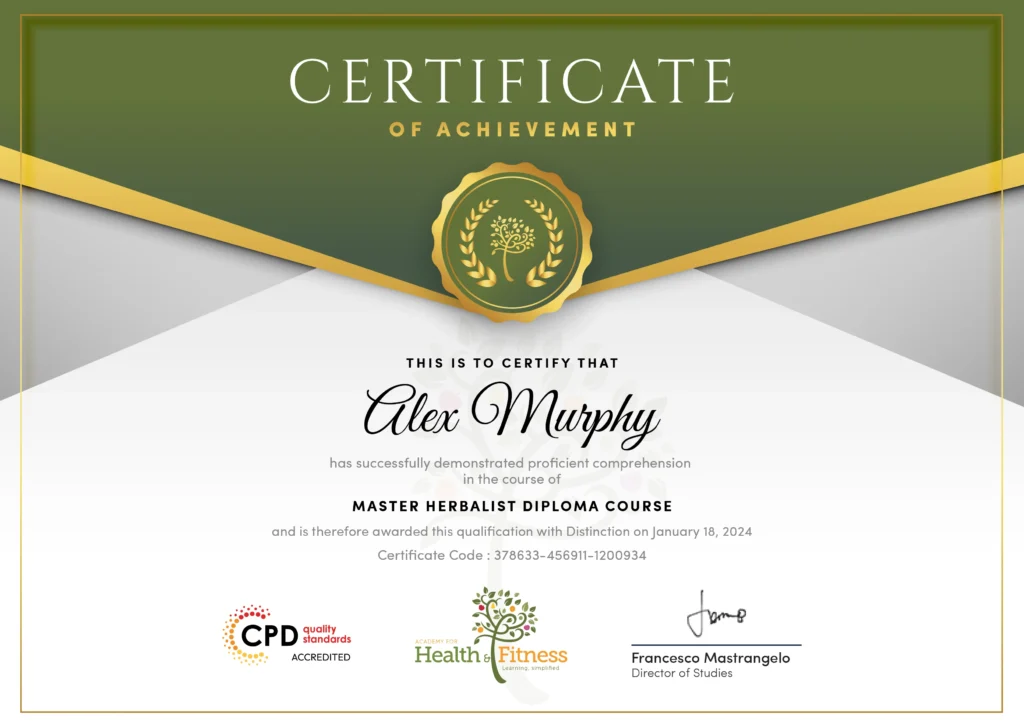
After successfully completing the course, you will qualify for a CPD Certificate as proof of your continued professional development and achievement. This certificate can enhance your professional profile and showcase your commitment to building relevant skills and knowledge. You can receive your digital certificate for only £10, or request a printed hard copy sent by post for just £29 or both for £39.
For assessing your learning, you have to complete an automated MCQ exam. It is required for the students to score at least 60% to pass the exam and fulfil the Quality Licence Scheme-endorsed certificate criteria. Learners can apply for the certificate after they clear the exam.
There are assignment questions provided at the end of the course. You are suggested to complete the questions to enrich your understanding of the course. You can complete this according to your preferred time. The expert tutor will provide feedback on your performance after assessing your assignment.
This programme supports progression into family support, safeguarding, care, youth, education, and community-based roles. It helps build practical awareness, stronger communication, and child-centred understanding valued across support settings. Some specialist or regulated positions may require additional qualifications, workplace experience, employer-based training, or role-specific registration. Salary ranges below are typical UK estimates and can vary by region, sector, experience, and needs.
Family Support Workers help families and carers manage challenges affecting children’s wellbeing, development, routines, and home life. You may provide guidance, practical support, referrals, and early help, while building trust and encouraging positive outcomes. This role fits learners who want family-focused support responsibilities in social care and community settings.
Salary range: £24,000 – £36,000.
Residential Support Workers look after the physical and emotional wellbeing of children or vulnerable adults in residential settings. Daily work can include care routines, safeguarding awareness, emotional support, behaviour management, and record-keeping. This role suits learners who want hands-on support work and structured care responsibilities in residential environments.
Salary range: £22,000 – £30,000.
Child Protection Officers promote children’s wellbeing and work to protect them from harm or abuse. The role may involve assessing concerns, keeping records, liaising with agencies, and following safeguarding procedures carefully. It suits learners interested in child protection, safeguarding practice, and early intervention responsibilities across public or community settings.
Salary range: £25,000 – £40,000.
Youth Workers support young people with their personal, social, and educational development. You may plan activities, build trust, provide guidance, encourage confidence, and help young people access support services. This role is ideal for learners who enjoy relationship-building, mentoring, and helping young people make safer, positive life choices.
Salary range: £22,000 – £35,000.
Social Work Assistants help people with physical, emotional, and social needs, often supporting community services and care planning. You may help with referrals, signposting, practical support, and communication with families or professionals. This role suits learners who want broad support responsibilities and progression into community-focused care settings.
Salary range: £20,000 – £28,000.
Education Welfare Officers help children attend school regularly and receive the support they need. The role often involves attendance monitoring, family contact, safeguarding awareness, and multi-agency communication. It suits learners interested in child wellbeing, school support, family engagement, and helping improve educational stability for young people.
Salary range: £24,000 – £32,000.
Advocacy Workers help people express their views and take part in decisions about their health or social care. You may support communication, explain rights, and make sure people are heard fairly. This role suits learners who value empowerment, empathy, and person-centred support in community or care-based services.
Salary range: £19,000 – £30,000.
Care Workers support vulnerable people with daily activities and help them live as independently as possible. Tasks can include personal support, companionship, monitoring wellbeing, and encouraging confidence. This role is a strong option for learners seeking practical support work, people-focused care, and progression within health and social care.
Salary range: £20,000 – £25,000.
Senior Care Workers provide physical and emotional support while also supervising care assistants and helping maintain standards. The role suits learners who want more responsibility, stronger leadership potential, and progression within care settings. It can be a useful next step for those exploring senior adult support pathways.
Salary range: £24,000 – £29,000.
Healthcare Assistants support patients in hospitals and sometimes in home environments. Duties may include basic care, comfort, communication, observation, and helping clinical teams deliver safe, respectful support. This role is suitable for learners comparing Healthcare Support Worker Level 3 Diploma routes and wanting transferable support skills for healthcare settings.
Salary range: £25,000 – £27,000.
SEN Teaching Assistants support children with disabilities or special educational needs in learning environments. You may help with communication, classroom routines, behaviour support, and emotional reassurance. This role suits learners interested in child development, structured support, and helping children access education with greater confidence and stability.
Salary range: £19,000 – £27,000.
Youth Offending Team Officers work with young people to reduce offending and prevent reoffending. The role may involve support planning, risk awareness, behaviour change, family engagement, and partnership working. It suits learners who want safeguarding-focused, youth-centred roles that combine support, structure, and positive intervention.
Salary range: £26,000 – £39,000.
Support Worker Level 3 Diploma can strengthen your CV by showing employers that you have developed structured knowledge in safeguarding, child development, family support, communication, and family law. It is useful for learners targeting support, care, early help, youth, community, and family-facing roles.
Support Worker Level 3 Diploma builds broad support knowledge with strong family support and safeguarding content. A Level 3 Diploma in Adult Care focuses more directly on adult care practice, person-centred support, and adult care responsibilities, so the two routes are related but not identical.
Yes. Support Worker Diploma Online is suitable for beginners who want flexible study, clearer understanding of support responsibilities, and a practical starting point before applying for entry-level roles. It is also useful for career changers returning to learning around work or family commitments.
Yes. A Level 3 Support Worker Course can help you build useful knowledge for family support workers, safeguarding, early help, community support, and child-focused roles. Topics such as legislation, child protection, relationships, development, and family law are especially valuable for family-facing support work.
A CPD-accredited support worker qualification can add value to your CV by showing commitment, professional development, and role-relevant knowledge. It may help you stand out when applying for family support, community care, safeguarding, pastoral, healthcare support, and social care-related roles.
Yes, especially if you want broader support knowledge before choosing a specialist route. Learners comparing Adult Care Level 3 Diploma, Adult Care NVQ Level 3, or Care Worker Level 3 Diploma often value transferable skills in communication, safeguarding, record-keeping, and person-centred support.
Support Worker Level 3 Diploma is a CPD-accredited online learning programme focused heavily on family support, safeguarding, child wellbeing, and support practice. NVQ Level 3 Diploma in Adult Care is a competence-based vocational qualification usually linked to workplace assessment in adult care settings.
The RQF Level 3 Diploma in Adult Care is a regulated vocational pathway focused on adult care standards and workplace competence. Support Worker Level 3 Diploma is best suited to learners wanting flexible online study and strong underpinning knowledge in safeguarding, family support, and support worker responsibilities.
Yes. Learners considering Level 3 Diploma Adult Care Online, Lead Adult Care Worker Level 3, or Care Assistant Level 3 Diploma may still benefit from the safeguarding, communication, support planning, and wellbeing knowledge covered here, especially if they want broader confidence before moving into specialist care pathways.
Yes. Learners researching Healthcare Support Worker Level 3 Diploma, Level 3 Diploma in Healthcare Support, Level 3 Diploma in Healthcare Support Work, or Level 3 Diploma in Healthcare Support Services may find this diploma useful for transferable skills such as communication, safeguarding awareness, empathy, and structured support understanding.
It can support progression by strengthening your general support knowledge, confidence, and professional awareness. However, Senior Healthcare Support Worker Level 3 and Senior Healthcare Support Worker Apprenticeship Level 3 usually require healthcare-specific training, workplace practice, employer standards, and role-based competence development.
An online support worker course with a certificate offers flexibility, convenience, and practical value. It allows learners to build job-focused knowledge at their own pace, gain recognised certification, improve confidence, and prepare for support work opportunities without needing to put work, family, or other commitments on hold.
| Support Worker Level 3 Diploma | |||
| Module 01: Introduction to Family Support Work | 00:24:00 | ||
| Module 02: Legislation, Policy and Guidance | 00:51:00 | ||
| Module 03: Solving Family Issues – Part 1 | 00:49:00 | ||
| Module 04: Solving Family Issues – part 2 | 00:45:00 | ||
| Module 05: Safeguarding – Assessing need and providing help (Part 1) | 00:33:00 | ||
| Module 06: Safeguarding – Assessing Need and Providing Help (Part 2) | 00:37:00 | ||
| Module 07: Building Relationships | 00:36:00 | ||
| Module 08: Understanding Child Development | 00:54:00 | ||
| Module 09: Care for Children | 00:25:00 | ||
| Module 11: Child Protection | 00:23:00 | ||
| Module 13: Social and Emotional Development | 00:43:00 | ||
| Module 16: Child Abuse | 00:49:00 | ||
| Module 17: Sexual Abuse | 00:38:00 | ||
| Module 18: Introduction to Family Law | 00:22:00 | ||
| Module 19: Divorce and Family Law | 00:20:00 | ||
| Module 20: Child Custody | 00:16:00 | ||
| Support Worker Level 3 Diploma | |||
| Module 01: Introduction to Family Support Work | 00:24:00 | ||
| Module 02: Legislation, Policy and Guidance | 00:51:00 | ||
| Module 03: Solving Family Issues – Part 1 | 00:49:00 | ||
| Module 04: Solving Family Issues – part 2 | 00:45:00 | ||
| Module 05: Safeguarding – Assessing need and providing help (Part 1) | 00:33:00 | ||
| Module 06: Safeguarding – Assessing Need and Providing Help (Part 2) | 00:37:00 | ||
| Module 07: Building Relationships | 00:36:00 | ||
| Module 08: Understanding Child Development | 00:54:00 | ||
| Module 09: Care for Children | 00:25:00 | ||
| Module 11: Child Protection | 00:23:00 | ||
| Module 13: Social and Emotional Development | 00:43:00 | ||
| Module 16: Child Abuse | 00:49:00 | ||
| Module 17: Sexual Abuse | 00:38:00 | ||
| Module 18: Introduction to Family Law | 00:22:00 | ||
| Module 19: Divorce and Family Law | 00:20:00 | ||
| Module 20: Child Custody | 00:16:00 | ||