Suicide awareness can shape the support offered during someone’s most vulnerable moments. Social care workers need confidence to recognise risks and respond appropriately. Gain essential knowledge and skills before critical situations arise. Enrol today
4.5
(6 Reviews)
142 Students
Exclusive Deal! 94% Off, Today Only!
Sale Ends In
Every year, suicide prevention remains a vital concern for professionals supporting people through complex emotional challenges. In social care settings, missing warning signs or lacking confidence in responses can affect the quality of support someone receives.
This course provides UK social care workers with essential knowledge of suicide awareness, risk recognition, and effective intervention approaches. You will explore how to identify potential risks, use strength-based methods, build hope, and work collaboratively with other professionals. The course also covers professional resilience, reflection, and the importance of ongoing prevention strategies.
By completing this Suicide Prevention for Social Care Workers course, you will develop a stronger understanding of your role in supporting vulnerable individuals and contributing to safer care environments. Enhance your professional confidence and ensure you are prepared to respond when your awareness and skills matter most.
There are no formal prerequisites to enrol in this Health and Social Care Level 4 course. It is suitable for both beginners and individuals already working in care who want to develop their skills further.
The course is fully accessible online, allowing you to study from home using any internet-enabled device.
All you need is a willingness to learn, basic literacy skills, and to be over the age of 16.
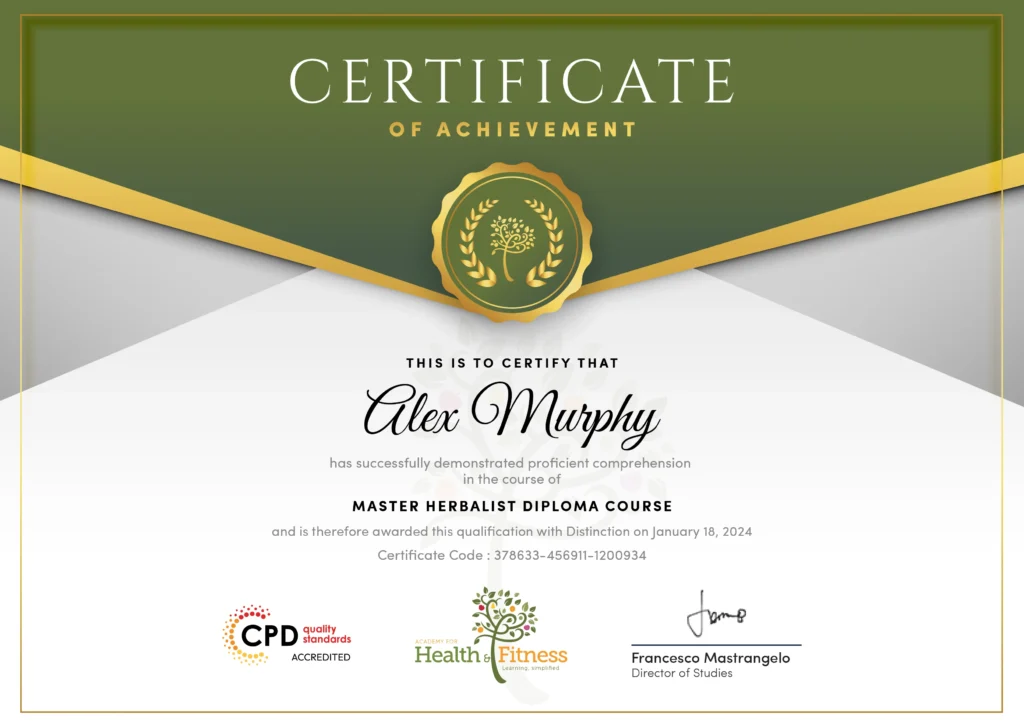
After successfully completing the course, you will qualify for a CPD Certificate as proof of your continued professional development and achievement. This certificate can enhance your professional profile and showcase your commitment to building relevant skills and knowledge. You can receive your digital certificate for only £10, or request a printed hard copy sent by post for just £29 or both for £39.
For assessing your learning, you have to complete an automated MCQ exam. It is required for the students to score at least 60% to pass the exam and fulfil the Quality Licence Scheme-endorsed certificate criteria. Learners can apply for the certificate after they clear the exam.
There are assignment questions provided at the end of the course. You are suggested to complete the questions to enrich your understanding of the course. You can complete this according to your preferred time. The expert tutor will provide feedback on your performance after assessing your assignment.
Understanding suicide prevention strengthens the ability of social care professionals to provide safer, more responsive support across UK care settings. These skills are valuable for roles involving safeguarding, wellbeing support, crisis response, and person-centred care.
Suicide prevention in social care involves recognising risks, offering appropriate support, and helping individuals access further assistance. It focuses on early awareness, compassionate responses, and coordinated care.
Suicide awareness helps social care workers identify concerns and respond more confidently to vulnerable individuals. It strengthens professional judgement and improves support approaches.
Recognising suicide risk allows professionals to respond earlier and connect individuals with suitable support. Timely awareness can contribute to safer and more effective care.
Strength-based intervention focuses on an individual’s abilities, resources, and hopes. It encourages supportive conversations that promote resilience and recovery.
Multi-agency working brings different professionals together to share knowledge and coordinate effective support. This creates a more connected approach for individuals at risk.
The course develops skills in risk recognition, communication, intervention planning, and professional reflection. These skills support safer practice within social care roles.
Â
Professional resilience helps workers manage emotional demands while maintaining effective support for others. It encourages reflection, wellbeing, and sustainable practice.
Â
Reflection helps professionals review their actions and improve future responses. It supports continuous learning and stronger care delivery.
The course strengthens understanding of safeguarding duties related to vulnerable individuals. It helps learners recognise concerns and contribute to appropriate support pathways.
Ongoing prevention ensures awareness and support strategies remain effective over time. Continuous learning helps professionals respond to changing needs within care settings.
| Module 1: Understanding Suicide in the Context of Social Care | |||
| Understanding Suicide in the Context of Social Care | 00:06:00 | ||
| Module 2: Recognising Risk and Responding Effectively | |||
| Recognising Risk and Responding Effectively | 00:08:00 | ||
| Module 3: Building Hope and Strength-Based Interventions | |||
| Building Hope and Strength-Based Interventions | 00:08:00 | ||
| Module 4: Collaborative Practice and Multi-Agency Working | |||
| Collaborative Practice and Multi-Agency Working | 00:10:00 | ||
| Module 5: Professional Resilience, Reflection, and Ongoing Prevention | |||
| Professional Resilience, Reflection, and Ongoing Prevention | 00:09:00 | ||
| Module 1: Understanding Suicide in the Context of Social Care | |||
| Understanding Suicide in the Context of Social Care | 00:06:00 | ||
| Module 2: Recognising Risk and Responding Effectively | |||
| Recognising Risk and Responding Effectively | 00:08:00 | ||
| Module 3: Building Hope and Strength-Based Interventions | |||
| Building Hope and Strength-Based Interventions | 00:08:00 | ||
| Module 4: Collaborative Practice and Multi-Agency Working | |||
| Collaborative Practice and Multi-Agency Working | 00:10:00 | ||
| Module 5: Professional Resilience, Reflection, and Ongoing Prevention | |||
| Professional Resilience, Reflection, and Ongoing Prevention | 00:09:00 | ||