Supporting children with additional needs requires awareness, patience and the right knowledge. Without understanding SEN guidance, support can be inconsistent when it matters most. Build your confidence and enrol today.
4.5
(6 Reviews)
61 Students
Exclusive Deal! 94% Off, Today Only!
Sale Ends In
Every child deserves the opportunity to learn, but pupils with special educational needs may require carefully adapted support to participate and progress. Without a clear understanding of SEN responsibilities and guidance, teaching assistants can struggle to recognise needs or provide appropriate classroom support.
This SEN Teaching Assistant course provides a practical foundation in the UK approach to special educational needs and disabilities. You will explore the SEND Code of Practice, SEN Support, identification and assessment, and approaches for responding to different learning requirements. The course also examines teaching methodologies, communication and cognition, alongside social-emotional and sensory needs that can influence a pupil’s educational experience.
You will also develop your understanding of Education, Health and Care assessments and how these contribute to personalised support. Build relevant knowledge for classroom practice and avoid being unprepared when pupils need informed, consistent assistance.
There are no formal prerequisites to enrol in this SEN Teaching Assistant course. It is suitable for both beginners and individuals already working in care who want to develop their skills further.
The course is fully accessible online, allowing you to study from home using any internet-enabled device.
All you need is a willingness to learn, basic literacy skills, and to be over the age of 16.
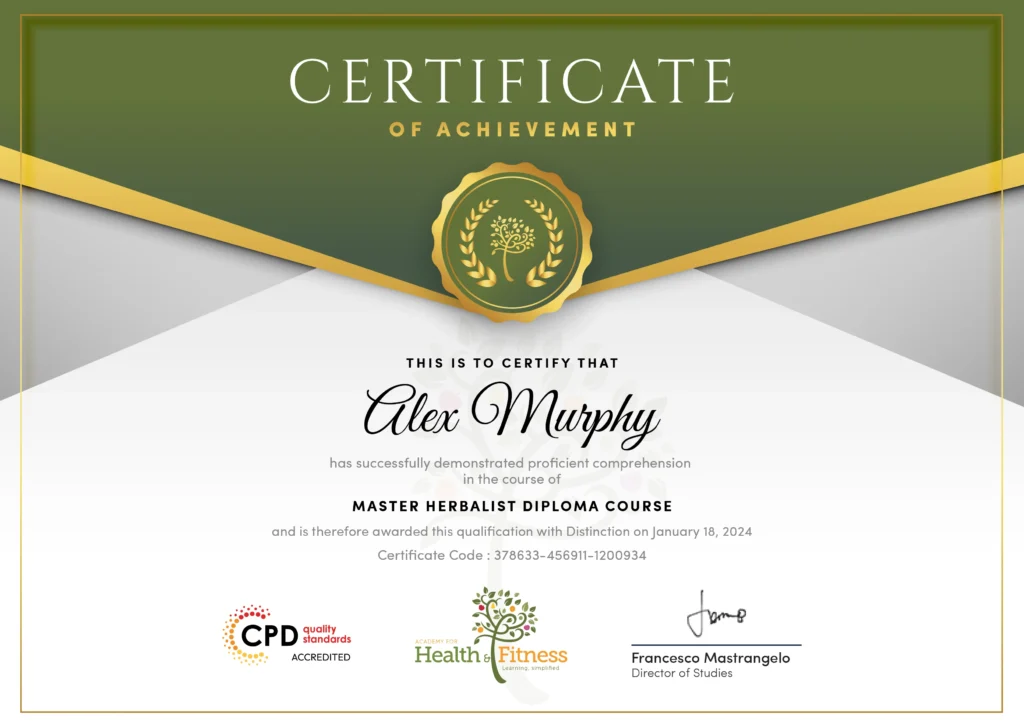
After successfully completing the course, you will qualify for a CPD Certificate as proof of your continued professional development and achievement. This certificate can enhance your professional profile and showcase your commitment to building relevant skills and knowledge. You can receive your digital certificate for only £10, or request a printed hard copy sent by post for just £29 or both for £39.
For assessing your learning, you have to complete an automated MCQ exam. It is required for the students to score at least 60% to pass the exam and fulfil the Quality Licence Scheme-endorsed certificate criteria. Learners can apply for the certificate after they clear the exam.
There are assignment questions provided at the end of the course. You are suggested to complete the questions to enrich your understanding of the course. You can complete this according to your preferred time. The expert tutor will provide feedback on your performance after assessing your assignment.
Understanding SEN provision can support progression into roles that assist pupils with additional learning, communication, social and sensory needs. The knowledge gained can be relevant across schools, specialist education settings and wider educational support services in the UK.
SEN refers to special educational needs that affect a child’s ability to learn or access education. Support may be provided through tailored teaching, adjustments and targeted interventions.
The SEND Code of Practice provides statutory guidance for identifying and supporting children and young people with special educational needs. It promotes coordinated support between education, health and social care services.
SEN Support is a graduated approach used by schools to identify needs and provide appropriate assistance. It involves assessing needs, planning support, implementing strategies and reviewing progress.
A SEN Teaching Assistant supports pupils who require additional assistance with learning, communication, behaviour or participation. Responsibilities vary between schools and may include classroom support and personalised activities.
Early identification can help schools recognise barriers to learning and introduce suitable support sooner. It can also help staff work more effectively with pupils, families and other professionals.
Approaches may include differentiated instruction, structured activities, visual resources and personalised learning strategies. The appropriate method depends on the individual pupil’s needs and learning profile.
Â
Communication needs can influence how pupils understand instructions, express themselves and participate in classroom activities. Appropriate communication strategies can help improve accessibility and engagement.
Social-emotional needs can affect relationships, confidence and classroom participation, while sensory needs may involve responses to sounds, movement, touch or other environmental factors. Understanding these needs can help staff make suitable adjustments.
Â
An Education, Health and Care assessment considers whether a child or young person may require an Education, Health and Care Plan. It brings together information about educational, health and care needs to inform appropriate support.
Â
The course develops foundational knowledge of SEN legislation, support frameworks, teaching approaches and assessment processes. It can be useful for learners considering or developing a career in educational support, although specific roles may have additional employer or qualification requirements.
| Module 1: Special Education Needs (SEN): An Overview | |||
| Special Education Needs (SEN): An Overview | 00:19:00 | ||
| Module 2: SEND Code of Practice | |||
| SEND Code of Practice | 00:30:00 | ||
| Module 3: SEN Support | |||
| SEN Support | 00:24:00 | ||
| Module 4: Identification, Assessment and Support | |||
| Identification, Assessment and Support | 00:34:00 | ||
| Module 5: SEN Teaching Methodologies | |||
| SEN Teaching Methodologies | 00:21:00 | ||
| Module 6: Communication and Cognition Learning | |||
| Social-Emotional and Sensory Needs | 00:30:00 | ||
| Module 7: Social-Emotional and Sensory Needs | |||
| Social-Emotional and Sensory Needs | 00:30:00 | ||
| Module 8: Education, Health and Care Assessments | |||
| Education, Health and Care Assessments | 00:25:00 | ||
| Module 1: Special Education Needs (SEN): An Overview | |||
| Special Education Needs (SEN): An Overview | 00:19:00 | ||
| Module 2: SEND Code of Practice | |||
| SEND Code of Practice | 00:30:00 | ||
| Module 3: SEN Support | |||
| SEN Support | 00:24:00 | ||
| Module 4: Identification, Assessment and Support | |||
| Identification, Assessment and Support | 00:34:00 | ||
| Module 5: SEN Teaching Methodologies | |||
| SEN Teaching Methodologies | 00:21:00 | ||
| Module 6: Communication and Cognition Learning | |||
| Social-Emotional and Sensory Needs | 00:30:00 | ||
| Module 7: Social-Emotional and Sensory Needs | |||
| Social-Emotional and Sensory Needs | 00:30:00 | ||
| Module 8: Education, Health and Care Assessments | |||
| Education, Health and Care Assessments | 00:25:00 | ||