SCRUM Immersion is a CPD-accredited online course designed to build your understanding of Agile project management, Scrum roles, sprint planning, and team collaboration. Ideal for aspiring Scrum Masters and professionals, it helps you develop in-demand skills to improve project delivery and team performance in today’s Agile-driven workplaces.
4.6
(9 Reviews)
43 Students
Exclusive Deal! 94% Off, Today Only!
Sale Ends In
CPD PointSCRUM Immersion gives you a clear, career-focused introduction to Agile project management, Scrum roles, sprint workflows, and team collaboration. Across the UK, Agile skills remain highly valuable: the median advertised salary for Scrum Master roles was about £78,750 in the six months to 2 April 2026, while Agile Project Manager roles showed a median of £75,000, highlighting strong demand for Agile delivery knowledge in the job market.
This course works well as an online Scrum course, Agile training programme, and Scrum Master introduction because it covers Agile fundamentals, Scrum roles, project lifecycles, high-performing teams, and scaling Agile in a structured, easy-to-follow way. The Association for Project Management notes that Agile offers a dynamic and flexible approach to project delivery, which is exactly why these skills matter in modern organisations.
After completing this course, you can explore roles such as Scrum Master, Agile Project Coordinator, Delivery Support, or Agile Team Facilitator. Enrol today and start building Agile skills employers genuinely value.
The SCRUM Immersion course provides structured learning in Agile delivery, Scrum teamwork, and project execution. This online Agile course helps learners understand how Scrum teams plan work, manage sprints, collaborate effectively, inspect progress, and improve delivery over time in modern workplace settings.
You will build knowledge of Scrum roles, ceremonies, artefacts, Agile project lifecycles, team performance, scaling techniques, and practical workplace application. The course is suitable for aspiring Scrum Masters, project managers, Agile team members, product-focused learners, delivery professionals, and career changers moving into Agile roles.
For UK learners, it can support progression towards roles such as Scrum Master, Agile Project Co-ordinator, Project Support Officer, Product Owner Support, Delivery Co-ordinator, Business Analyst, or Agile Team Support, while strengthening confidence in fast-moving project environments
Our SCRUM Immersion is designed to help learners build strong understanding across Agile delivery, Scrum teamwork, and project execution.
By completing this course, you will be able to:
This SCRUM Immersion online course builds in-demand skills in Agile project management, Scrum frameworks, and team delivery for tech and business roles.
Agile delivery is now used across technology, business, operations, product, and transformation teams. Scrum knowledge helps professionals work better with changing priorities, fast feedback, and collaborative delivery.
This SCRUM Immersion course helps learners understand the structure behind Scrum, including sprint planning, Scrum roles, artefacts, team collaboration, and continuous improvement.
It can support progression towards roles such as Scrum Master, Agile Project Manager, Product Owner, Delivery Manager, Agile Business Analyst, PMO Coordinator, or Project Coordinator.
SCRUM Immersion is suitable for learners who want career-focused knowledge in Agile delivery, project coordination, product work, and team leadership.
The SCRUM Immersion is ideal for:Â
You can enrol in the SCRUM Immersion course with no formal qualifications or prior experience required. This course is designed to be accessible for beginners as well as professionals looking to build knowledge in Agile, Scrum, and project delivery.
Start anytime and build valuable Agile and Scrum skills at your own pace.
After successfully completing the SCRUM Immersion Course, you will qualify for a CPD Certificate as proof of your continued professional development and achievement. This certificate can enhance your professional profile and showcase your commitment to building relevant skills and knowledge. You can receive your digital certificate for only £10, or request a printed hard copy sent by post for just £29 or both for £39.
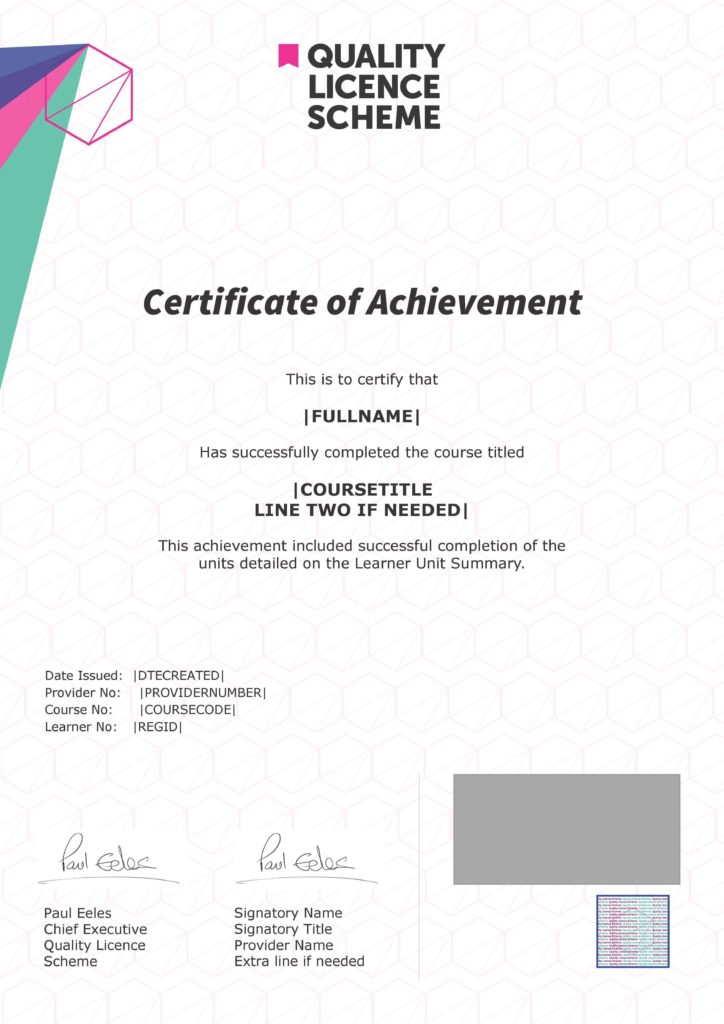
After successfully completing the course, learners will be able to order a QLS Endorsed Certificate as proof of their new achievement. The Level QLS Endorsed certificate can be ordered and get delivered to your home by post for £99 only. There is an additional £10 postage charge for international students.
For assessing your learning, you have to complete an automated MCQ exam. It is required for the students to score at least 60% to pass the exam and fulfil the Quality Licence Scheme-endorsed certificate criteria. Learners can apply for the certificate after they clear the exam.
There are assignment questions provided at the end of the course. You are suggested to complete the questions to enrich your understanding of the course. You can complete this according to your preferred time. The expert tutor will provide feedback on your performance after assessing your assignment.
Completing SCRUM Immersion can support progression into Agile delivery, project leadership, product management, and business change roles.
Potential career paths include:
The main Scrum artefacts are the Product Backlog, Sprint Backlog, and Increment. They help teams manage priorities, track sprint work, and show the value delivered during each cycle.
Scrum is built around five values: commitment, focus, openness, respect, and courage. These values support collaboration, accountability, and continuous improvement within Agile teams.
A Sprint is a fixed timebox of one month or less. Many teams choose shorter sprints to maintain focus, get faster feedback, and improve delivery rhythm.
The Product Backlog is an ordered list of work needed for the product. It is usually prioritised by the Product Owner and changes as teams learn more about customer needs and delivery goals.
The Sprint Backlog contains the work selected for the current Sprint, plus the plan for delivering it. It helps the team stay aligned with the Sprint Goal and track progress during the sprint.
The Daily Scrum is a 15-minute event where Developers inspect progress toward the Sprint Goal and adapt their plan for the next 24 hours. It helps keep delivery focused and transparent.
Sprint Planning starts the sprint by deciding what work will be done and how it will be delivered. It helps the Scrum Team align on priorities, goals, and the practical plan for the sprint ahead.
A Sprint Retrospective is a Scrum event where the team reviews how the sprint went and identifies ways to improve future work. It supports continuous improvement, better teamwork, and stronger delivery processes.
Yes. Scrum is a framework for developing and sustaining complex products and work, and it is widely used beyond software in business, operations, and cross-functional project environments.
Scrum knowledge is valuable because many organisations use Agile ways of working, and roles like Scrum Master, Product Owner, and Agile Project Manager continue to appear across the job market.
| Module 01: Introduction | |||
| Module 01: Introduction | 00:10:00 | ||
| Module 02: Agile Overview | |||
| Module 02: Agile Overview | 01:06:00 | ||
| Module 03: SCRUM Overview | |||
| Module 03: SCRUM Overview | 00:25:00 | ||
| Module 04: Roles and Responsibilities | |||
| Module 04: Roles and Responsibilities | 00:22:00 | ||
| Module 05: Project Lifecycle | |||
| Module 05: Project Lifecycle | 01:03:00 | ||
| Module 06: Building High Performing Teams | |||
| Module 06: Building High Performing Teams | 00:35:00 | ||
| Module 07: Scaling Agile | |||
| Module 07: Scaling Agile | 00:50:00 | ||
| Module 08: Closure | |||
| Module 08: Closure | 00:16:00 | ||
| Module 01: Introduction | |||
| Module 01: Introduction | 00:10:00 | ||
| Module 02: Agile Overview | |||
| Module 02: Agile Overview | 01:06:00 | ||
| Module 03: SCRUM Overview | |||
| Module 03: SCRUM Overview | 00:25:00 | ||
| Module 04: Roles and Responsibilities | |||
| Module 04: Roles and Responsibilities | 00:22:00 | ||
| Module 05: Project Lifecycle | |||
| Module 05: Project Lifecycle | 01:03:00 | ||
| Module 06: Building High Performing Teams | |||
| Module 06: Building High Performing Teams | 00:35:00 | ||
| Module 07: Scaling Agile | |||
| Module 07: Scaling Agile | 00:50:00 | ||
| Module 08: Closure | |||
| Module 08: Closure | 00:16:00 | ||